

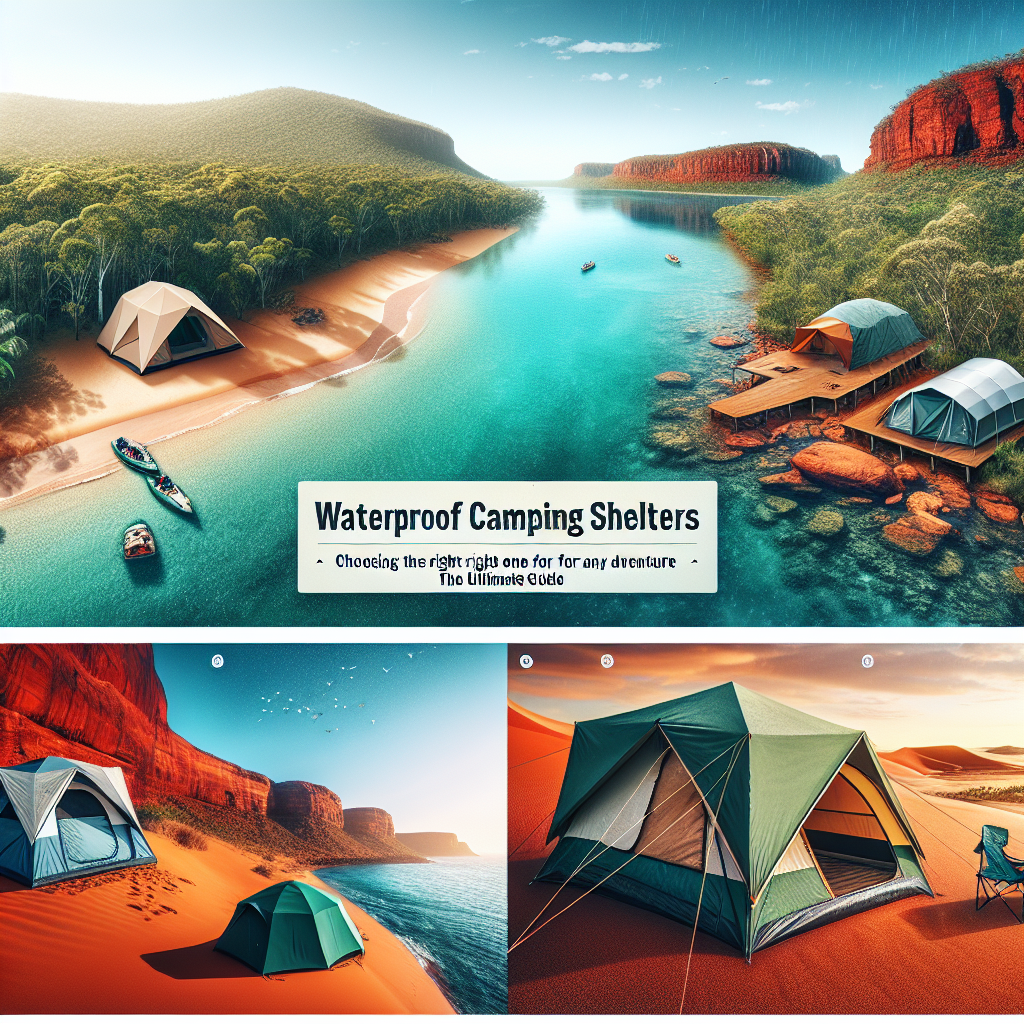
Waterproof Camping Shelters: Choosing the Right One for Any Adventure (The Ultimate Guide)

Why Waterproofing Matters: Staying Dry is More Than Just Comfort
Let’s be real: camping is all about connecting with nature. But that connection loses its charm real quick when you’re shivering in a puddle of rainwater. A waterproof shelter isn’t just about comfort; it’s about safety. Hypothermia is a serious threat, especially in cooler climates, and staying dry is paramount to staying warm.
Think about it. You’re miles from civilization, the temperature drops unexpectedly, and suddenly that “light drizzle” becomes a torrential downpour. A reliable waterproof shelter can be the difference between a memorable adventure and a miserable (or even dangerous) experience.
Beyond the immediate safety, a good waterproof shelter also protects your gear. Wet sleeping bags, electronics, and food can quickly ruin a trip. So, investing in a shelter that keeps the elements out is investing in the overall success of your outdoor escapade.
Understanding Waterproof Ratings: Decoding the Numbers
Ever seen terms like “hydrostatic head” or “water resistance” and felt your eyes glaze over? Don’t worry, you’re not alone. These ratings can be confusing, but understanding them is key to choosing the right shelter.
Hydrostatic Head: This measures how much water pressure a fabric can withstand before it starts to leak. It’s expressed in millimeters (mm). Generally:
800mm – 1500mm: Considered water-resistant. Good for light rain or brief showers. Think ponchos or basic rain jackets.
1500mm – 3000mm: Waterproof. Suitable for moderate rain and general camping. This is a common rating for many tents.
3000mm+: Highly waterproof. Designed for heavy rain, snow, and more extreme conditions. You’ll find these in high-end tents and mountaineering gear.
Water Resistance vs. Waterproof: Water-resistant fabrics can repel water to some extent, often due to a Durable Water Repellent (DWR) coating. However, this coating can wear off over time. Waterproof fabrics, on the other hand, have a membrane or coating that prevents water from penetrating, offering more reliable protection.
Remember, a higher hydrostatic head doesn’t automatically mean a better shelter. Breathability also matters. A completely waterproof shelter with no ventilation will trap condensation, leaving you just as wet from the inside out.
And while we’re on the subject of water, its worth noting that the way a tent is constructed is just as important as the waterproof rating. Seams are a major source of leakage. Look for tents with taped or welded seams, especially along the floor and roof.
Types of Waterproof Camping Shelters: From Backpacking Tents to Luxurious Yurts
Okay, let’s talk options. From minimalist bivvies to palatial family tents, there’s a waterproof shelter out there for every type of camper.
Tents: The classic choice, tents come in various shapes and sizes.
Backpacking Tents: Lightweight and compact, designed for solo or duo adventurers. Focus on low weight and packability, but still offer decent weather protection.
Family Tents: Larger tents with multiple rooms, ideal for group camping. Look for high hydrostatic head ratings and durable construction.
Dome Tents: Easy to set up and offer good stability. A popular all-around choice.
Tunnel Tents: Offer excellent space-to-weight ratio. Great for windy conditions, but require careful staking.
Pop-Up Tents: Super convenient for quick setups, but generally less durable and waterproof than other types.
Tarps: Simple and versatile. Can be used as a standalone shelter or as a footprint under your tent for added protection. Experiment with different pitching configurations to find what works best for you. A personal favorite is the A-frame setup – simple, effective, and easy to adjust.
Bivvy Sacks: Ultra-lightweight and minimalist. Essentially a waterproof sleeping bag cover. Great for solo backpacking where weight is critical. Keep in mind that bivvies offer very little space and can be prone to condensation.
Hammocks with Rainfly: A comfortable and unique option. Suspend yourself between trees and stay dry under a waterproof rainfly. Just make sure you choose a hammock and rainfly designed for camping, not just a backyard snooze.
Yurts and Canvas Tents: For glamping enthusiasts! These provide spacious and luxurious accommodations. They are more like semi-permanent structures and come with a higher price tag.
Choosing the right type depends on your specific needs and priorities. Consider the size of your group, the type of terrain you’ll be camping in, and the weight you’re willing to carry. What’s more, when selecting, think about how easy it is to set up since it can be crucial when setting up a shelter in the rain.
Key Features to Look For: Beyond the Basics
So, you know about hydrostatic head and the different types of shelters. But what other features should you consider?
Sealed Seams: As mentioned earlier, this is crucial. Look for taped or welded seams, especially in high-stress areas like the floor and roof.
Durable Floor Fabric: A thicker, more robust floor fabric will resist punctures and abrasions. Look for features like a “bathtub floor” design, where the floor fabric extends up the sides of the tent for added protection.
Quality Zippers: Cheap zippers are a common point of failure. Look for sturdy, water-resistant zippers from reputable brands.
Ventilation: Adequate ventilation is vital to minimize condensation. Vents, mesh windows, and adjustable rainfly flaps can make a big difference.
Guy Lines and Stakes: Strong guy lines and stakes are essential for securing your shelter in windy conditions. Consider upgrading to heavier-duty stakes if you’re camping in exposed areas.
Footprint: A footprint is a ground sheet that goes under your tent to protect the floor from abrasion and punctures. It also adds an extra layer of waterproofing.
Poles: In addition to the pole material, consider the pole design. Continuous pole sleeve designs are stronger than clip designs, but can be more difficult to set up. Hubbed pole designs offer a good balance of strength and ease of setup and this is one of my personal favorites.
These features are like the unsung heroes of waterproof camping. They might not be the first thing you think about, but they can significantly enhance your experience.
Materials Matter: Choosing the Right Fabrics
The fabric of your shelter plays a significant role in its waterproofness, durability, and breathability.
Polyester: A common and affordable option. Polyester is water-resistant, UV-resistant, and relatively durable. However, it’s not as strong or waterproof as nylon.
Nylon: Stronger and more waterproof than polyester. Nylon is also more resistant to abrasion and tearing. However, it’s more expensive and can stretch when wet. Ripstop nylon is a popular choice for tents because it prevents small tears from spreading.
Canvas: A classic material for tents and yurts. Canvas is incredibly durable and offers excellent insulation. However, it’s heavy and requires regular treatment to maintain its waterproofness.
Polyurethane (PU) Coating: A common waterproof coating applied to fabrics. PU coatings are effective and relatively inexpensive. Look for higher PU ratings for better waterproofness.
Silicone Coating (Silicone-Nylon or Silnylon): A lighter and more durable alternative to PU coatings. Silicone coatings are highly waterproof and UV-resistant. Silnylon is often used in high-end backpacking tents.
Breathable Membranes (e.g., Gore-Tex): These membranes allow moisture vapor to escape while preventing water from entering. They are expensive but offer excellent breathability. Often found in high-end tents and apparel.
The material you choose will depend on your budget, the type of camping you do, and your priorities for weight, durability, and waterproofness. And remember, even the best materials need proper care to maintain their performance.
How to Properly Set Up Your Shelter in the Rain: A Step-by-Step Guide
Okay, the sky’s opened up, and you need to get your shelter up ASAP. Here’s how to do it right:
Choose Your Site Wisely: Avoid low-lying areas where water can pool. Look for a slightly elevated spot with good drainage.
Lay Down a Footprint: This will protect the bottom of your tent from mud and water. Even if your tent has a “bathtub floor,” a footprint is still a good idea.
Practice Makes Perfect: Don’t wait until you’re in the middle of a downpour to figure out how your tent goes together. Practice setting it up at home beforehand.
Work Quickly and Efficiently: Minimize the amount of time your tent body is exposed to the rain. Have all your materials organized and ready to go.
Stake it Down Securely: Use all the guy lines and stakes provided to secure your tent. This is especially important in windy conditions. Angle the stakes away from the shelter at a 45-degree angle for maximum holding power.
Pitch the Fly First (If Possible): Some tents allow you to pitch the rainfly first, providing a dry space to set up the rest of the tent. This is a lifesaver in heavy rain.
Seal the Seams (If Necessary): If your tent is new or if you notice any leaks, use a seam sealer to waterproof the seams. Follow the instructions carefully and apply it in a well-ventilated area.
Dry it Out: As soon as weather allows, pitch the tent in sunlight to dry to help prevent mildew and mold.
Setting up your shelter in the rain can be a challenge, but with a little preparation and practice, you can stay dry and comfortable. It’s a skill every camper should have in their arsenal.
Maintaining Waterproofness: Care and Prevention
A waterproof shelter is an investment, and like any investment, it requires maintenance.
Clean Your Shelter Regularly: Dirt and grime can degrade the waterproof coating over time. Use a mild soap and water to clean your shelter after each trip.
Reapply DWR Coating: DWR coatings wear off with use. Reapply a DWR spray regularly to maintain water resistance.
Store Your Shelter Properly: Make sure your shelter is completely dry before storing it. Store it in a cool, dry place away from direct sunlight. Stuffing it loosely in a large bag is better than tightly compressing it in its original stuff sack.
Repair Tears and Punctures Promptly: Small tears and punctures can quickly turn into big problems. Use a repair kit to patch up any damage as soon as you notice it.
Avoid Harsh Chemicals: Don’t use harsh detergents, bleach, or solvents to clean your shelter. These can damage the waterproof coating. This is especially crucial for keeping it in top condition!
Inspect for Mold and Mildew: If you store your tent while it’s even barely damp, that humidity can trigger mold and mildew. Gross, right? Those things not only smell bad, and make the tent unpleasant to use, they can degrade the fabric.
With proper care and maintenance, your waterproof shelter will provide years of reliable protection. Think of it as tending to a faithful companion on all your outdoor adventures.
Choosing the Right Shelter for Different Environments: From Desert to Mountain
Not all camping environments are created equal. A shelter that works great in the desert might be a disaster in the mountains.
Desert Camping: Focus on sun protection and ventilation. Look for a shelter with UV-resistant fabric and plenty of mesh windows. Waterproofness is less of a concern, but a rainfly can still be useful for unexpected showers.
Mountain Camping: Waterproofness and wind resistance are critical. Choose a shelter with a high hydrostatic head rating and sturdy poles. Look for features like a full-coverage rainfly and reinforced guy-out points.
Forest Camping: Balance waterproofness with breathability. A shelter with a PU coating and good ventilation is a good choice. Consider a footprint to protect the floor from sharp objects.
Winter Camping: Choose a shelter designed for extreme conditions. Look for features like a snow skirt, reinforced poles, and a double-walled construction. Ventilation is also important to prevent condensation buildup.
Beach Camping: Prioritize a tent with good ventilation to prevent condensation and keep cool in humid conditions. Additionally, when camping near the ocean, look for a tent with strong UV resistance because sunlight can be extra harsh reflected off the water, potentially degrading fabrics.
Consider the specific challenges of each environment when choosing your shelter. And don’t be afraid to invest in a shelter that’s overkill for your usual camping trips. You never know when you might encounter unexpected weather.
Beyond Tents: Alternative Waterproof Shelter Options
While tents are the most common choice, there are other options for staying dry in the great outdoors.
Tarps: Simple, versatile, and lightweight. Tarps can be used in a variety of configurations to create a waterproof shelter. They’re a great option for minimalist campers.
Hammocks with Rainfly: Comfortable and off-the-ground. Hammocks with a waterproof rainfly provide a dry and bug-free sleeping environment.
Bivvy Sacks: Ultra-lightweight and compact. Bivvy sacks are essentially waterproof sleeping bag covers. They’re a good option for solo backpackers who prioritize weight savings.
Emergency Shelters: Lightweight and packable. Emergency shelters like tube tents and space blankets can provide temporary protection from the elements. Keep one in your backpack for unexpected situations.
These alternative options can be a great way to mix things up and experience camping in a different way. They’re also useful for supplementing your tent in certain situations.
Real-World Testing: Putting Shelters to the Test
I could spout off specs and features all day, but nothing beats real-world testing. That’s why I always try to put my gear through its paces before recommending it.
This means setting up tents in my backyard during simulated rainstorms (yes, my neighbors think I’m crazy), backpacking with different shelters in varying weather conditions, and pushing gear to its limits.
It’s also about listening to other campers and reading reviews. What are people saying about the durability, waterproofness, and ease of use of different shelters? What problems have they encountered?
Real-world testing is essential for making informed decisions about gear. It’s about going beyond the marketing hype and finding out what actually works.
Making the Final Decision: Finding the Perfect Shelter for You
Alright, you’ve absorbed a ton of information. So, how do you actually choose the right waterproof camping shelter?
Consider Your Needs: How many people will be using the shelter? What type of camping will you be doing? What’s your budget?
Prioritize Key Features: Waterproofness, durability, breathability, weight, and ease of setup are all important factors. Decide which ones are most important to you.
Read Reviews: See what other campers are saying about different shelters. Look for both positive and negative feedback.
Don’t Be Afraid to Spend a Little More: A quality waterproof shelter is an investment that will pay off in the long run. It’s better to spend a little more upfront and get a shelter that will last for years.
Test It Out: If possible, set up the shelter in your backyard or at a local park before taking it on a camping trip. This will give you a chance to familiarize yourself with the setup process and identify any potential problems.
Choosing the right shelter is a personal decision. What works for one person might not work for another. But by considering your needs, prioritizing key features, and doing your research, you can find the perfect shelter for your next adventure.
Well, there you have it: the ultimate guide to waterproof camping shelters! I hope this guide has empowered you to choose the perfect shelter for all your outdoor escapades. Remember, staying dry is more than just comfort – it’s about safety and enjoying the beauty of nature to the fullest. Happy camping, and may your nights under the stars be dry and unforgettable.
FAQ: Waterproof Camping Shelters
Hydrostatic head is a measurement of how waterproof a fabric is. It indicates the amount of water pressure, measured in millimeters (mm), that the fabric can withstand before water starts to penetrate. A higher hydrostatic head rating means the fabric can resist more water pressure, making it more waterproof.
To maintain your tent’s waterproofness, regularly clean it with mild soap and water, reapply a DWR (Durable Water Repellent) coating, and ensure it is completely dry before storing. Store it in a cool, dry place away from direct sunlight, and promptly repair any tears or punctures. Avoid using harsh chemicals that can damage the waterproof coating.
Water-resistant fabrics can repel water to some extent, usually due to a DWR coating, but they are not impenetrable under sustained pressure or exposure. Waterproof fabrics have a membrane or coating that completely prevents water from passing through, offering more reliable protection in heavy rain or wet conditions.
While a higher hydrostatic head indicates better waterproofness, it’s not always the best choice. Extremely waterproof fabrics can be less breathable, leading to condensation inside the tent. Balance waterproofness with breathability to ensure a comfortable camping experience.
Ventilation is very important in a waterproof tent. It helps to reduce condensation by allowing moisture vapor from your breath and body to escape. Proper ventilation can prevent you from waking up in a damp tent, even if it’s not raining outside.
If your tent starts leaking, first identify the source of the leak. Apply seam sealer to any leaking seams, and use a repair kit to patch up any holes or tears in the fabric. Consider reapplying a DWR coating to the tent’s exterior. If the leaks persist, it may be time to consider a new tent.
Yes, you can use a tarp as a shelter. Tarps are lightweight, versatile, and can be set up in various configurations to provide protection from the rain and sun. They are a great option for minimalist campers, but they require more skill and creativity in setting up a secure and comfortable shelter compared to a tent.
Source: REI Expert Advice on Choosing a Tent
Source: OutdoorGearLab Best Camping Tents
DISCLAIMER
Please note that camping and outdoor activities can be dangerous. Always follow safety guidelines, be aware of weather conditions, and use appropriate gear. This guide is for informational purposes only, and the author is not responsible for any accidents or injuries that may occur while camping. Always consult with an experienced guide or expert before attempting any challenging outdoor activities.
Categories
- Navigation & Safety (68)
- Shelter & Sleep (72)
Top rated products
-
 Portable 10 W Solar Charger - Power Up Anywhere, Anytime Rated 5.00 out of 5
$37.39Original price was: $37.39.$26.06Current price is: $26.06. -
Tifgalop ES7 Pro 3000 W E-Bike: Speed Meets Adventure! Rated 5.00 out of 5$944.90 – $2,105.78Price range: $944.90 through $2,105.78
-
Ultimate Outdoor Water Filter Straw for Safe Hydration Adventures Rated 5.00 out of 5$17.21 – $18.21Price range: $17.21 through $18.21




Product Gallery
-
 VEVOR 550 lb Heavy-Duty Folding Wagon & Bench for Adventurers
$154.92 – $251.84Price range: $154.92 through $251.84
VEVOR 550 lb Heavy-Duty Folding Wagon & Bench for Adventurers
$154.92 – $251.84Price range: $154.92 through $251.84
-
BISINNA One-Touch Titanium Tent for 3-4 Campers, Adventure Ready Rated 4.36 out of 5
$310.92Original price was: $310.92.$216.70Current price is: $216.70. -
Airy Mesh Solo Hiking Tent - Lightweight & Mosquito-Proof Rated 4.71 out of 5
$89.10Original price was: $89.10.$62.10Current price is: $62.10.













 Camping Gear
 Camping Chair
 Camping Table
 Sleeping Bags
 Camping Bed
 Sleeping Gear
 Storage Bags
 BBQ Portable
 Camping Tents
 Gazebos
 Outdoor Cooler
 Cookware
 Power
Power Camping Light
 Flashlight
 Portable Solar
 Power Banks
 Fish Finders
 Fishing Bags
 Fishing Jerseys
 Fishing Reels
 Fishing Chairs
 Fishing Bait Boat
 Fishing Floats
 Hard Baits
 Hiking Vests
 Outdoor Bags
 Water Filters
 Paracord
 Walkie Talkie
 Paddleboards
 Boats
Boats Sea Scooter
 Accessories
 Electric Bike
 Electric Scooter
Recent Comments