

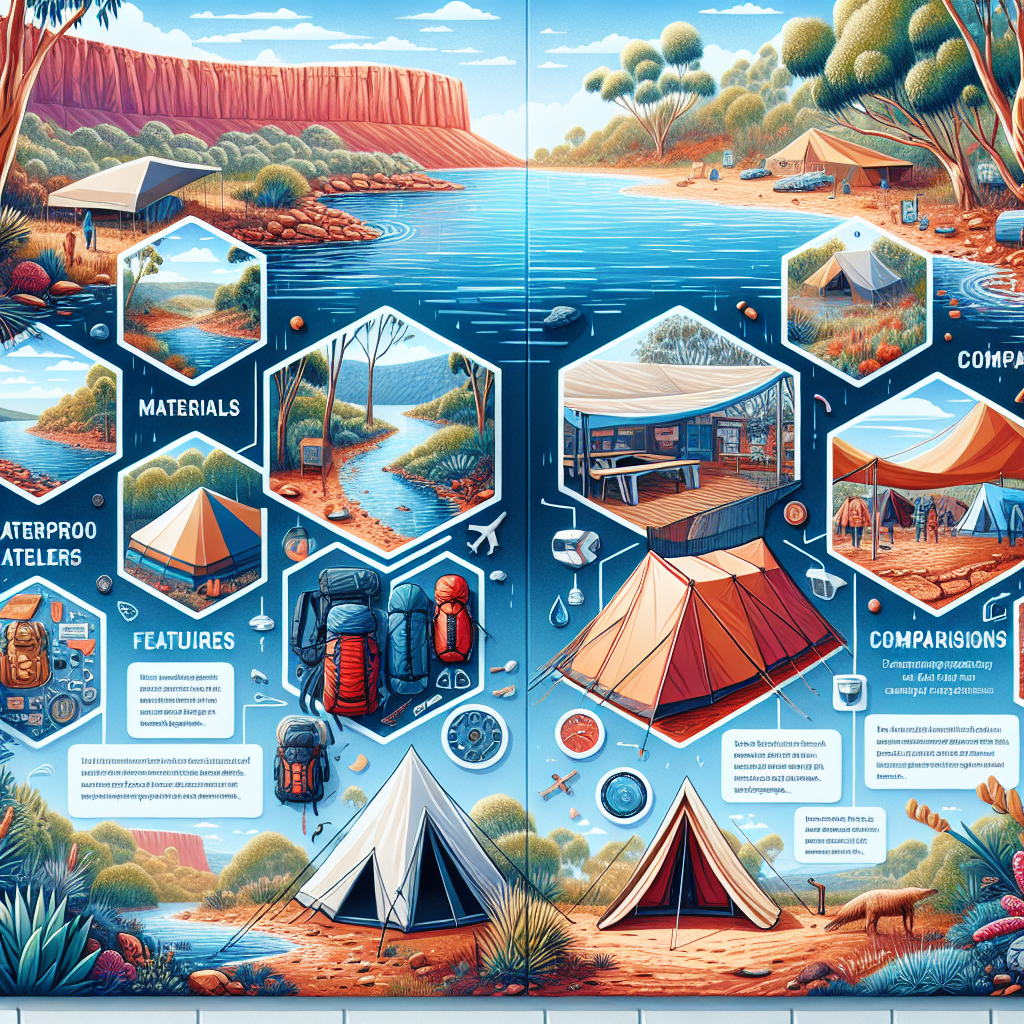
Ultimate Guide to Waterproof Camping Shelters: Materials, Features, and Comparisons

Alright, buckle up, camping enthusiasts! We’re about to embark on a journey through the sometimes-murky, often-damp, but always-essential world of waterproof camping shelters. Forget those leaky tents of yesteryear; we’re diving deep into materials, features, and comparisons to keep you dry and comfortable, no matter what Mother Nature throws your way.
Why Waterproofing Matters: Beyond Just Staying Dry
Okay, so obviously, waterproofing keeps you dry. But honestly, it’s about so much more than that. Think about it: a wet sleeping bag leads to a cold night. A cold night leads to miserable campers. Miserable campers… well, you get the picture. It’s not just comfort; it’s safety and being able to actually enjoy your outdoor experience.
- Temperature Regulation: Waterproof materials help trap warm air inside, keeping you cozy even when temperatures drop.
- Gear Protection: Your electronics, clothing, and other essentials stay safe from water damage.
- Mental Well-being: Let’s be real, a dry, secure shelter does wonders for your peace of mind when you’re miles from civilization.
Decoding Waterproof Ratings: What Do All Those Numbers Mean?
Ever stared blankly at a tent spec sheet, wondering what “2000mm hydrostatic head” actually means? You’re not alone! Let me explain: it’s a measure of how much water pressure the fabric can withstand before it starts leaking. Think of it like this: a tube is placed over the fabric, and water is added until the fabric starts to seep. The height of the water column (in millimeters) is the hydrostatic head rating.
- Lower Ratings (800mm – 1500mm): Suitable for light rain and occasional showers. Think summer camping where the weather is generally cooperative.
- Mid-Range Ratings (1500mm – 3000mm): A good all-around choice for most conditions, including moderate rain and wind.
- High Ratings (3000mm+): For serious adventurers facing heavy rain, snow, or extended exposure to the elements. Think mountaineering, winter camping, or expeditions in notoriously wet climates.
Here’s the thing, though – the hydrostatic head rating isn’t the only factor. The type of fabric, coatings, and construction also play a huge role. A tent with a slightly lower rating but superior construction might outperform one with a higher rating but shoddy workmanship.
Material Matters: The Fabrics That Fight the Rain
Not all waterproof materials are created equal. Each has its strengths and weaknesses. Understanding the options helps you make informed decisions.
Polyester: The Budget-Friendly Barrier
Polyester is a synthetic fabric known for its durability, UV resistance, and relatively low cost. It’s a common choice for tent bodies and rain flys. While not naturally waterproof, polyester can be treated with coatings to enhance its water resistance. It’s a solid choice for weekend warriors who want reliable performance without breaking the bank.
- Pros: Affordable, durable, UV resistant, relatively lightweight.
- Cons: Less waterproof than nylon, can stretch when wet.
Nylon: Lightweight and Resilient
Nylon is another synthetic fabric prized for its strength-to-weight ratio. It’s often used in high-end tents and backpacks where weight is a critical factor. Nylon is more water-resistant than polyester, and with proper coatings, it can provide excellent waterproof protection. However, untreated nylon tends to stretch when wet, which can cause sagging and reduced performance.
- Pros: Lightweight, strong, more water-resistant than polyester.
- Cons: More expensive than polyester, can stretch when wet if not properly treated.
Canvas: The Classic Protector
Canvas is a natural fabric made from cotton or linen. It’s incredibly durable and naturally water-resistant when properly treated. Canvas tents are known for their breathability and longevity. They’re a favorite among glampers and those who prioritize comfort and durability over weight. However, canvas is heavy and bulky, making it less suitable for backpacking. Canvas is your go-to if you’re looking for long-lasting protection and a touch of old-school charm, but be prepared for some heavy lifting—literally.
- Pros: Durable, breathable, naturally water-resistant when treated, long-lasting.
- Cons: Heavy, bulky, more expensive than synthetic fabrics, requires regular maintenance.
Polyurethane (PU) Coatings: The Waterproofing Workhorse
Polyurethane (PU) coatings are applied to fabrics to enhance their waterproofness. The coating creates a barrier that prevents water from penetrating the fabric. PU coatings are widely used in tents, rain gear, and other outdoor equipment. The thickness and quality of the coating directly impact its waterproof performance. PU coatings are your bread and butter when it comes to reliable waterproofing on a budget.
- Pros: Cost-effective, widely used, available in various thicknesses.
- Cons: Can degrade over time, less breathable than other coatings.
Silicone Coatings (Silicone-Nylon and Silicone-Polyester): The Premium Protector
Silicone coatings provide superior waterproof performance compared to PU coatings. Silicone-nylon (silnylon) and silicone-polyester (silpoly) fabrics are lightweight, durable, and highly water-resistant. Silicone coatings also enhance the fabric’s tear strength and UV resistance. They’re often found in high-end tents and shelters designed for serious adventurers. If you’re serious about staying dry and you’re willing to invest a bit more, silicone-coated fabrics are the way to go.
- Pros: Lightweight, highly waterproof, durable, UV resistant, enhances tear strength.
- Cons: More expensive than PU coatings, can be more slippery.
Waterproof Breathable Membranes (like Gore-Tex): The High-Tech Solution
Waterproof breathable membranes, such as Gore-Tex, represent the pinnacle of waterproof technology. These membranes have microscopic pores that allow water vapor (sweat) to escape while preventing liquid water from entering. They offer excellent waterproof protection and breathability, keeping you dry and comfortable in a wide range of conditions. However, they are also the most expensive option. These membranes are a game-changer for activities where moisture management is critical, like high-intensity hiking or mountaineering.
- Pros: Excellent waterproofness and breathability, comfortable in a wide range of conditions.
- Cons: Expensive, can be less durable than other options, requires proper care to maintain performance.
Beyond the Fabric: Key Features for a Dry Camping Experience
Okay, so you know about fabrics and coatings, but what about all those other design elements that contribute to a waterproof haven? Let’s unpack those.
Seam Sealing: The Devil’s in the Details
Even with the most waterproof fabric, water can still seep in through the seams where the fabric is stitched together. Seam sealing involves applying a waterproof tape or liquid sealant to these seams to create a watertight barrier. Quality seam sealing is crucial for preventing leaks and keeping your shelter dry. Don’t underestimate the importance of this detail! A poorly sealed seam can undo all the benefits of a high-end waterproof fabric.
- Taped Seams: Waterproof tape is applied to the seams using heat and pressure. This provides a durable and reliable seal.
- Liquid Seam Sealer: A liquid sealant is applied to the seams using a brush or applicator. This is a good option for DIY repairs or for sealing seams that are difficult to tape.
Waterproof Zippers: Guarding the Entrances
Zippers are another potential entry point for water. Waterproof zippers feature a rubber or plastic coating that creates a watertight seal when the zipper is closed. Look for zippers with storm flaps or rain gutters for added protection. It’s often an overlooked detail, but soggy zippers can lead to soggy gear inside. It’s a small investment for significant peace of mind.
Bathtub Floors: Creating a Watertight Base
Bathtub floors are a design feature where the tent floor fabric extends several inches up the sides of the tent, creating a raised, waterproof barrier. This prevents water from seeping in from the ground, especially during heavy rain or in soggy conditions. It’s like having a built-in moat around your sleeping area! A bathtub floor is a must-have for anyone camping in wet or unpredictable environments.
Rain Fly Coverage: Full vs. Partial
The rain fly is a separate waterproof cover that goes over the tent body. A full rain fly extends all the way to the ground, providing maximum protection from rain and wind. A partial rain fly only covers the top portion of the tent, offering less protection but better ventilation. The choice depends on your camping style and the expected weather conditions. Consider a full rain fly if you anticipate heavy rain or strong winds, and a partial rain fly if you prioritize ventilation and are camping in milder conditions.
Ventilation: Preventing Condensation
Even in a waterproof tent, condensation can still be a problem. Body heat and moisture can build up inside the tent, leading to dampness and discomfort. Good ventilation helps to reduce condensation by allowing moist air to escape. Look for tents with vents in the roof, doors, and windows. Mesh panels also enhance ventilation while keeping bugs out. You want to be dry from the outside and the inside! Proper ventilation is key to a comfortable camping experience, especially in humid or cold conditions.
You know what? I once spent a week in the Olympic National Park, and the only thing that saved my sanity (and my sleeping bag) was a tent with exceptional ventilation.
Choosing the Right Shelter: Tents vs. Tarps vs. Bivy Sacks
So, you’re armed with knowledge, but what kind of waterproof shelter is right for you? Let’s weigh the options:
Tents: The All-Around Champion
Tents are the most popular type of camping shelter, offering a balance of protection, comfort, and convenience. They come in a wide range of sizes, shapes, and styles to suit different needs and preferences. Tents provide excellent protection from the elements, including rain, wind, and bugs. They also offer privacy and a dedicated sleeping space. Whether you’re car camping with the family or backpacking solo, there’s a tent out there that’s just right for you.
- Pros: Excellent protection, comfortable, versatile.
- Cons: Can be heavy and bulky, more expensive than other options.
Tarps: The Lightweight Minimalist
Tarps are simple, lightweight, and versatile shelters that can be pitched in various configurations. They’re a popular choice among backpackers and minimalist campers who prioritize weight savings. Tarps offer less protection than tents, but they can be effective in moderate weather conditions. They also require more skill and experience to set up properly. If you’re counting every ounce and appreciate the freedom of open-air camping, a tarp might be your perfect match.
- Pros: Lightweight, versatile, affordable.
- Cons: Less protection, requires skill to set up, limited privacy.
Bivy Sacks: The Emergency Shelter
Bivy sacks are minimalist shelters that provide basic protection from the elements. They’re essentially waterproof sleeping bag covers that offer minimal space and weight. Bivy sacks are often used as emergency shelters or for solo backpacking trips where weight is a critical concern. While they don’t offer much in the way of comfort or space, they can be a lifesaver in unexpected weather conditions. Think of them as your personal cocoon against the elements.
- Pros: Extremely lightweight, compact, provides basic protection.
- Cons: Limited space, can be claustrophobic, minimal comfort.
Top Waterproof Camping Shelters: A Few Recommendations
Okay, let’s get down to brass tacks. Here are a few well-regarded waterproof shelters to consider:
- REI Co-op Half Dome 2 Plus: A popular and reliable tent for car camping and backpacking. Offers a good balance of space, weight, and waterproofness.
- Big Agnes Copper Spur HV UL2: A lightweight and spacious tent for backpacking. Features high-quality materials and excellent waterproof protection.
- Sea to Summit Escapist Tarp: A versatile and lightweight tarp for minimalist camping. Can be pitched in various configurations to suit different conditions.
- Outdoor Research Helium Bivy: An ultralight and waterproof bivy sack for emergency use or solo backpacking.
Remember to visit reputable websites like SectionHiker SectionHiker.com for gear reviews to aid in your decision-making process.
And don’t forget to check out what the experienced trekkers at CleverHiker CleverHiker.com have to say about their favorite camping gear!
Maintaining Waterproofing: Keeping Your Shelter in Top Shape
So, you’ve invested in a great waterproof shelter. Now how do you keep it that way? Here’s the thing – waterproofness isn’t a one-time deal. It requires a little TLC.
Cleaning: Removing Dirt and Grime
Dirt and grime can degrade the waterproof coatings on your tent over time. Regularly clean your tent with a mild soap and water solution. Avoid using harsh detergents or bleach, as these can damage the fabric and coatings. A good cleaning after each camping trip will help extend the life of your shelter. Believe me, a little cleaning goes a long way!
Reproofing: Restoring the Waterproof Barrier
Over time, the waterproof coatings on your tent can wear down, reducing its water resistance. Reproofing involves applying a new waterproof coating to the fabric. There are several reproofing products available, including sprays and wash-in treatments. Follow the manufacturer’s instructions carefully to ensure proper application. It’s like giving your tent a new lease on life!
Storage: Preventing Damage
Proper storage is crucial for preventing damage to your tent. Always store your tent clean and dry in a cool, dry place. Avoid storing it in direct sunlight or in a damp environment, as this can cause the fabric and coatings to degrade. Stuffing your tent into its stuff sack can also damage the fabric over time. Instead, loosely fold or roll your tent for storage. Treat your tent with care, and it will reward you with years of reliable performance.
Repairs: Patching Up Tears and Holes
Even with the best care, accidents can happen. Tears and holes can compromise the waterproofness of your tent. Repair any damage as soon as possible using a tent repair kit. These kits typically include patches, seam sealer, and other essential tools. A small repair can prevent a minor issue from turning into a major problem. Don’t let a little tear ruin your camping trip!
Waterproof vs. Water-Resistant: Knowing the Difference
Let’s clear up some jargon: waterproof and water-resistant are not the same thing. Water-resistant materials can repel water to some extent, but they’re not completely impervious to it. Waterproof materials, on the other hand, are designed to completely block water from penetrating. For camping shelters, you generally want something that’s fully waterproof, especially if you’re expecting rain or wet conditions. Don’t settle for water-resistant when you need waterproof!
When to Upgrade: Recognizing the Signs
How do you know when it’s time to retire your trusty old tent and invest in a new one? Here are a few telltale signs:
- Leaks: If your tent is consistently leaking, even after reproofing, it’s time for an upgrade.
- Damaged Fabric: Tears, holes, and excessive wear can compromise the waterproofness and structural integrity of your tent.
- Outdated Technology: Newer tents often feature improved materials, designs, and features that enhance comfort and performance.
- Changing Needs: If your camping style has changed (e.g., from car camping to backpacking), you may need a different type of shelter.
Conclusion: Stay Dry, Stay Happy
Choosing the right waterproof camping shelter is an investment in your comfort, safety, and enjoyment of the outdoors. By understanding the materials, features, and comparisons discussed in this guide, you can make an informed decision and select a shelter that meets your specific needs and preferences. So, go forth, explore the wilderness, and stay dry out there!
Frequently Asked Questions
What is the best waterproof rating for a tent?
A hydrostatic head rating of 1500mm to 3000mm is generally suitable for most conditions, including moderate rain and wind. For heavy rain or extended exposure, look for a rating of 3000mm or higher.
How do I maintain the waterproofness of my tent?
Regularly clean your tent with mild soap and water, reproof it as needed, store it clean and dry in a cool place, and repair any damage promptly.
What is the difference between a full rain fly and a partial rain fly?
A full rain fly extends all the way to the ground, providing maximum protection from rain and wind. A partial rain fly only covers the top portion of the tent, offering less protection but better ventilation.
Can I use a tarp as a substitute for a tent?
Yes, tarps can be used as shelters. They’re lightweight and versatile, but offer less protection than tents and require more skill to set up properly.
What is a bathtub floor in a tent?
A bathtub floor is a design feature where the tent floor fabric extends several inches up the sides of the tent, creating a raised, waterproof barrier.
How often should I reproof my tent?
The frequency of reproofing depends on how often you use your tent and the conditions it’s exposed to. Generally, reproofing every 1-2 years is a good practice.
What are the best materials for a waterproof tent?
Nylon and polyester fabrics with polyurethane (PU) or silicone coatings are commonly used. High-end tents may feature waterproof breathable membranes like Gore-Tex.
DISCLAIMER
While we strive to provide accurate and up-to-date information, camping conditions can vary widely. Always prioritize safety and use your best judgment when selecting and using camping shelters. This guide is for informational purposes only and should not be considered a substitute for professional advice or training. Be aware of weather conditions and potential hazards in your camping area. We are not responsible for any injury, loss, or damage resulting from the use of the information provided in this guide. Camp responsibly and enjoy the outdoors!
Categories
- Navigation & Safety (68)
- Shelter & Sleep (72)
Top rated products
-
 Ultimate AONIJIE Soft Flask 1000 ml/2000 ml with Water Filter Rated 5.00 out of 5
$38.70Original price was: $38.70.$26.97Current price is: $26.97. -
Portable Folding Bed for Office Naps & Outdoor Adventures Rated 5.00 out of 5$171.81 – $308.60Price range: $171.81 through $308.60
-
Smart Wireless Fish Finder: Elevate Your Fishing Experience! Rated 5.00 out of 5
$121.26Original price was: $121.26.$84.51Current price is: $84.51.



Product Gallery
-
 Ultimate 2-3 Person Inflatable Kayak for Fishing Fun Rated 5.00 out of 5$1,092.43 – $1,105.95Price range: $1,092.43 through $1,105.95
 -
VEVOR 550 lb Heavy-Duty Folding Wagon & Bench for Adventurers
$155.14 – $252.20Price range: $155.14 through $252.20
-
BISINNA One-Touch Titanium Tent for 3-4 Campers, Adventure Ready Rated 4.36 out of 5
$311.78Original price was: $311.78.$217.30Current price is: $217.30.













 Camping Gear
 Camping Chair
 Camping Table
 Camping Bed
 Sleeping Gear
 Storage Bags
 BBQ Portable
 Sleeping Bags
 Camping Tents
 Gazebos
 Outdoor Cooler
 Cookware
 Power
Power Camping Light
 Flashlight
 Portable Solar
 Power Banks
 Fish Finders
 Fishing Bags
 Fishing Jerseys
 Fishing Reels
 Fishing Chairs
 Fishing Bait Boat
 Fishing Floats
 Hard Baits
 Hiking Vests
 Outdoor Bags
 Water Filters
 Paracord
 Walkie Talkie
 Paddleboards
 Boats
Boats Sea Scooter
 Accessories
 Electric Bike
 Electric Scooter
Recent Comments