

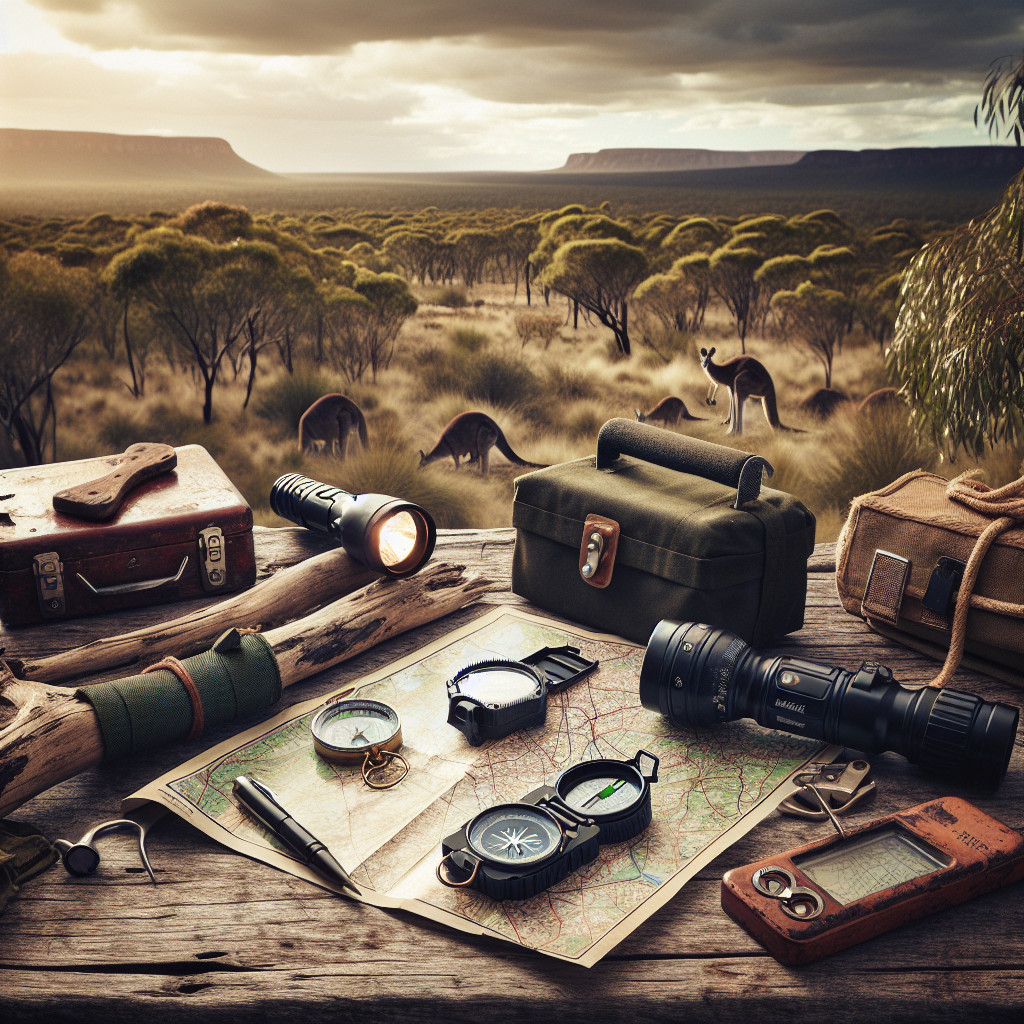

Why Bother with Navigation Anyway?
So, you’re heading out for your first camping trip? Awesome! Picture this: You’re surrounded by trees, the birds are singing, and you’re feeling all zen… until you realize you’ve taken a wrong turn and have absolutely no clue where you are. Not so zen anymore, huh? That’s where basic navigation skills come in. It’s not just about getting from point A to point B; it’s about safety, confidence, and truly enjoying the journey.
We often rely on our phones for everything these days. But out there in the wilderness, cell service can be spotty (if it exists at all!). Batteries die, and suddenly, your trusty GPS is just a useless brick. Knowing how to navigate with a map and compass isn’t just a “nice-to-have”—it’s a fundamental skill that could save your bacon.
Think of it this way: Learning basic navigation is like learning to swim before jumping in the lake. It provides you a buffer of confidence. Without it, you might feel anxious, and focus on worry instead of enjoying nature. And honestly, who wants to spend their camping trip stressed out?
Must-Have Navigation Tools
Alright, let’s talk gear. You don’t need to break the bank, but there are a few essential tools that every beginner camper should have in their backpack.
- A Reliable Compass: Forget the cheap, plastic ones. Invest in a decent compass with a liquid-filled needle and a rotating bezel. A compass like the Suunto MC-2 is a solid choice. Just make sure you know how to use it!
- Topographic Map of Your Area: A paper map is a lifesaver when technology fails. Make sure the map covers the area where you’ll be camping and hiking, and that it’s a topographic map showing elevation changes. You can often find these at local outdoor stores or online. Pro tip: learn how to read a topo map *before* you leave home.
- GPS Device (Optional, but Recommended): A handheld GPS can be a great tool *in addition* to a map and compass, but never rely on it as your sole source of navigation. Consider something like the Garmin GPSMAP 64sx. And make sure you have extra batteries!
- Whistle: Not *strictly* a navigation tool, but crucial for signaling if you get lost. Six short blasts is the emergency signal. Practice it!
- Headlamp or Flashlight: Essential for navigating in the dark. Make sure it has fresh batteries or is fully charged.
Choosing the right tools is the first step. But remember, gear alone won’t save you. You need to know how to use it effectively. Which brings us to…
Understanding Map Basics: It’s Easier Than You Think!
Maps might seem intimidating at first, but they’re actually quite simple once you get the hang of them. Think of them as a cheat sheet to nature’s layout. And if you can navigate a shopping mall, you can certainly learn to read a map!
- Orienting the Map: This means aligning the map with your surroundings. Use your compass to find north on the map and align it with north in real life. Once the map is oriented, everything else will fall into place.
- Understanding Topographic Lines: These lines represent elevation changes. Close lines mean steep slopes, while wide-spaced lines indicate gentler slopes. Contour lines can help you visualize the terrain and plan your route accordingly.
- Identifying Landmarks: Look for distinctive features on the map, such as lakes, rivers, peaks, or trails. Then, try to identify those same features in your surroundings. This is how you pinpoint your location.
- Measuring Distances: Most maps have a scale that shows the relationship between distances on the map and distances in the real world. Use this scale to estimate how far you need to travel. A piece of string can be super helpful for measuring winding trails.
Map reading is a skill that improves with practice. Start with simple maps and familiar areas, and gradually work your way up to more complex maps and unfamiliar terrain. Don’t be afraid to make mistakes—that’s how you learn!
Compass 101: Finding Your Way the Old-School Way
The compass: a timeless tool that has guided explorers for centuries. It’s reliable, doesn’t need batteries, and is surprisingly easy to use once you understand the basics.
- Understanding Compass Parts: Familiarize yourself with the basic parts of a compass: the baseplate, the rotating bezel (or compass housing), the magnetic needle, and the direction-of-travel arrow.
- Taking a Bearing: A bearing is the angle between north and your desired direction of travel. To take a bearing, point the direction-of-travel arrow at your destination, rotate the bezel until the north-seeking end of the magnetic needle aligns with the north mark on the bezel, and then read the bearing at the index line.
- Following a Bearing: Once you have a bearing, hold the compass in front of you, rotate your body until the north-seeking end of the magnetic needle aligns with the north mark on the bezel, and then walk in the direction indicated by the direction-of-travel arrow. Easy peasy!
- Dealing with Declination: Declination is the difference between true north (geographic north) and magnetic north (where your compass points). Depending on your location, declination can be significant, so it’s important to adjust your compass accordingly. Many modern compasses have adjustable declination.
Using a compass might seem a little daunting at first, but with a little practice, it’ll become second nature. You know what they say: Practice makes perfect!
GPS for Beginners: A Helping Hand, Not a Crutch
GPS devices can be incredibly useful, providing real-time location data and helping you stay on course. But remember, they’re not foolproof. Batteries die, signals get lost, and devices malfunction. So, treat your GPS as a helpful tool, not a replacement for basic navigation skills.
- Loading Maps and Waypoints: Learn how to load maps and waypoints onto your GPS device before you head out. This will allow you to see your location on the map and navigate to specific points of interest. CalTopo is amazing for this.
- Understanding GPS Accuracy: GPS accuracy can vary depending on factors such as satellite coverage and terrain. Be aware of the limitations of your device and don’t rely on it blindly.
- Battery Management: GPS devices can drain batteries quickly, so carry extra batteries or a portable power bank. Also, consider turning off unnecessary features to conserve power.
- Using GPS in Conjunction with a Map and Compass: The best approach is to use your GPS to confirm your location and direction, but always have a map and compass as a backup. Think of the GPS as a second opinion, with the map and compass being the primary source of info.
I personally use a GPS to mark the location of my car just in case; peace of mind to know that I won’t get lost on the way back!
Trail Markers and How to Spot Them
Following trails is often the easiest way to navigate, but it’s important to know how to identify and follow trail markers. Trail markers come in a variety of shapes, sizes, and colors, depending on the location and managing organization.
- Types of Trail Markers: Common trail markers include blazes (painted marks on trees), cairns (stacks of rocks), and signs. Learn to recognize the types of trail markers used in the area where you’ll be camping.
- Following Trail Markers: Pay attention to the spacing and direction of trail markers. If you haven’t seen a trail marker in a while, you may be off the trail. Backtrack until you find the last marker and reassess your route.
- Dealing with Confusing or Missing Markers: Sometimes, trail markers can be confusing or missing altogether. In these situations, use your map and compass to determine the correct direction of travel. If you’re unsure, err on the side of caution and retrace your steps.
- Never Move or Add Trail Markers: Tampering with trail markers can confuse other hikers and lead to dangerous situations. Leave them as you found them.
Always be observant and aware of your surroundings when following trails. And remember, even well-marked trails can have hazards, so stay alert and watch your step!
What To Do If You Get Lost: Stay Calm and Think
Getting lost is scary, but it doesn’t have to be a disaster. The most important thing is to stay calm and think clearly. Panic will only make things worse.
- Stop and Assess the Situation: The moment you realize you’re lost, stop walking. Take a deep breath and try to remember the last place you were certain of your location.
- Use the STOP Acronym: Stop, Think, Observe, Plan. Stop panicking, think about where you last were, observe your surroundings, and plan your next move.
- Try to Retrace Your Steps: If possible, retrace your steps to the last known point. Look for familiar landmarks or trail markers.
- If You Can’t Retrace, Stay Put: If you can’t retrace your steps, stay where you are. This will make it easier for rescuers to find you.
- Signal for Help: Use your whistle to signal for help. Six short blasts is the emergency signal. Repeat the signal every few minutes. If you have a mirror, use it to reflect sunlight and attract attention.
- Build a Shelter and Fire: If you have to spend the night, build a simple shelter to protect yourself from the elements. A fire will provide warmth, light, and a morale boost.
- Conserve Resources: Ration your food and water. Avoid strenuous activity that will make you sweat and lose fluids.
Remember, getting lost is a learning opportunity. Analyze what went wrong and how you can prevent it from happening again in the future. Every experience makes you a better, more prepared outdoors person.
Camp Security: Keeping Your Stuff (and Yourself) Safe
Navigation isn’t just about getting from point A to point B; it’s also about staying safe in your campsite. Camp security might not be the first thing that comes to mind when you think about navigation, but it’s an important aspect of overall safety and preparedness.
- Choosing a Campsite: Select a campsite that is safe and secure. Avoid camping near dead trees or under overhanging branches. Choose a site that is sheltered from the wind and rain.
- Bear Safety: If you’re camping in bear country, take precautions to avoid attracting bears to your campsite. Store food in bear-resistant containers or hang it from a tree. Never feed bears or leave food scraps around your campsite. Carry bear spray and know how to use it.
- Securing Your Gear: Keep your gear organized and within sight. Lock valuables in your car or a bear-resistant container when you’re away from your campsite.
- Being Aware of Your Surroundings: Pay attention to the people and animals around you. If you see something suspicious, report it to the authorities. Trust your instincts.
- Camp lighting: Use tripwires with bells around your campsite to alert you of nocturnal scavengers or other dangerous creatures.
Camp security is all about being proactive and taking steps to minimize risks. A little bit of prevention can go a long way in ensuring a safe and enjoyable camping experience.
Practice Makes Perfect: Honing Your Skills Before You Go
Reading about navigation is one thing, but actually putting it into practice is another. Before you head out on your camping trip, take some time to hone your skills in a safe and familiar environment.
- Practice with a Map and Compass in Your Backyard: Start with the basics. Practice orienting the map, taking bearings, and following bearings in your backyard or a local park.
- Take a Navigation Course: Consider taking a navigation course from a local outdoor organization. These courses will teach you advanced techniques and provide hands-on experience.
- Go on a Practice Hike: Choose a local trail and practice navigating with a map and compass. Pay attention to trail markers and try to identify landmarks.
- Use Online Resources: There are many online resources available to help you improve your navigation skills. Watch videos, read articles, and take online quizzes.
The more you practice, the more confident you’ll become in your navigation skills. And the more confident you are, the more you’ll enjoy your camping trip.
Final Thoughts: Embrace the Adventure Responsibly
Navigation is a critical skill for any camper. Learning basic navigation can enhance safety, confidence, and overall enjoyment of the outdoors. Prepare, learn, and practice.
So, grab your map, compass, and sense of adventure, and get ready to explore the great outdoors! With the right skills and preparation, your first camping trip will be an unforgettable experience. Just remember to leave no trace and respect the environment in every way.
FAQ Section
DISCLAIMER
Camping and outdoor activities carry inherent risks. This article provides general information and is no substitute for professional training or guidance. Always prioritize your safety and exercise caution when navigating in the wilderness. Weather conditions can change rapidly, and terrain can be unpredictable. It is essential to check weather forecasts before embarking on any camping trip and be prepared for all types of conditions. Consult with experienced hikers or guides and familiarize yourself with the specific terrain and potential hazards of your chosen camping location. Never rely solely on electronic devices for navigation, as they can fail. Always carry a map, compass, and other essential safety gear. By proceeding you acknowledge that you understand and accept all inherent risks of camping.
Categories
- Navigation & Safety (68)
- Shelter & Sleep (72)
Top rated products
-
 Ultimate AONIJIE Soft Flask 1000 ml/2000 ml with Water Filter Rated 5.00 out of 5
$38.70Original price was: $38.70.$26.97Current price is: $26.97. -
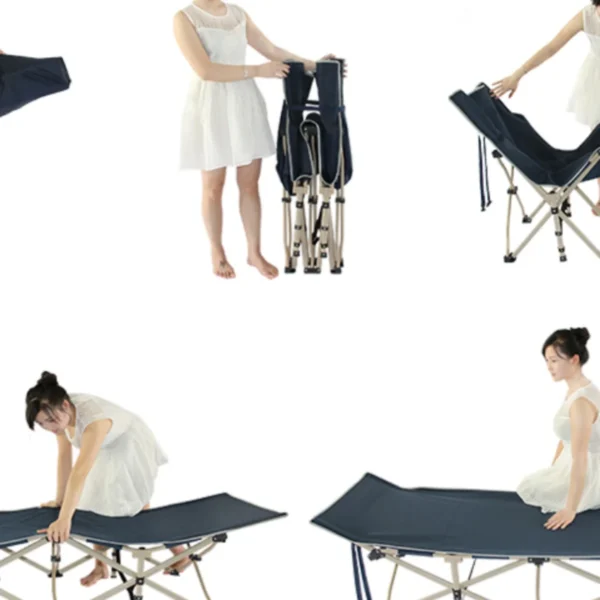
Portable Folding Bed for Office Naps & Outdoor Adventures Rated 5.00 out of 5$171.81 – $308.60Price range: $171.81 through $308.60
-
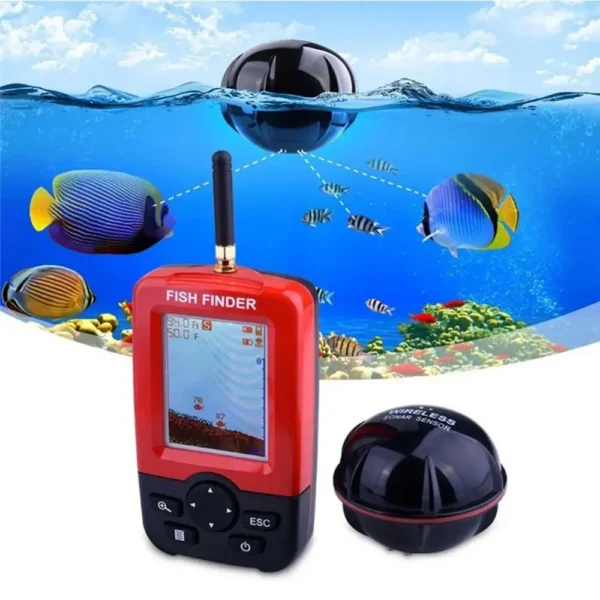
Smart Wireless Fish Finder: Elevate Your Fishing Experience! Rated 5.00 out of 5
$121.26Original price was: $121.26.$84.51Current price is: $84.51.



Product Gallery
-
 Ultimate 2-3 Person Inflatable Kayak for Fishing Fun Rated 5.00 out of 5$1,092.43 – $1,105.95Price range: $1,092.43 through $1,105.95
 -
VEVOR 550 lb Heavy-Duty Folding Wagon & Bench for Adventurers
$155.14 – $252.20Price range: $155.14 through $252.20
-
BISINNA One-Touch Titanium Tent for 3-4 Campers, Adventure Ready Rated 4.36 out of 5
$311.78Original price was: $311.78.$217.30Current price is: $217.30.






 Camping Gear
 Camping Chair
 Camping Table
 Camping Bed
 Sleeping Gear
 Storage Bags
 BBQ Portable
 Sleeping Bags
 Camping Tents
 Gazebos
 Outdoor Cooler
 Cookware
 Power
Power Camping Light
 Flashlight
 Portable Solar
 Power Banks
 Fish Finders
 Fishing Bags
 Fishing Jerseys
 Fishing Reels
 Fishing Chairs
 Fishing Bait Boat
 Fishing Floats
 Hard Baits
 Hiking Vests
 Outdoor Bags
 Water Filters
 Paracord
 Walkie Talkie
 Paddleboards
 Boats
Boats Sea Scooter
 Accessories
 Electric Bike
 Electric Scooter
Recent Comments