


Never Get Rained Out Again: Your Ultimate Guide to Waterproof Camping Shelters

Ever been camping when the heavens open up and transform your idyllic getaway into a soggy nightmare? Yeah, me too. It’s not fun. But the great outdoors doesn’t have to become the great “indoors because of rain”. Your camping shelter is your first line of defense. This guide will cover everything you need to know about waterproof camping shelters, from understanding waterproofing ratings to choosing the right shelter for your needs. Let’s get you prepped so you can enjoy the tranquility of nature without the dread of getting soaked.
Understanding Waterproof Ratings: What Do Those Numbers Really Mean?
So, what exactly is a waterproof rating? Essentially, it’s a measure of how much water a fabric can withstand before it starts to leak. The rating is given in millimeters (mm), indicating the height of a column of water the fabric can hold for one minute without penetration. Generally, a rating of 1500mm is considered the minimum for waterproofness, but higher is always better, especially if you’re expecting serious downpours.
Think of it this way: A 1500mm rating means the fabric can hold a column of water 1500mm (about 5 feet) tall before water seeps through. A 3000mm rating? Double that resistance. And anything above 5000mm is typically considered suitable for heavy rain and even some snow. But let’s not just fixate on numbers; the type of material and construction matters just as much, which we’ll get to shortly.
Types of Waterproof Camping Shelters: From Tents to Tarps
The world of camping shelters is vast and varied. Here’s a breakdown of the most common types, each with its own set of pros and cons:
- Tents: Classic and reliable, tents offer full enclosure for maximum protection. From lightweight backpacking tents to spacious family-sized models, there’s a tent for every camper.
- Tarps: Simple, versatile, and budget-friendly, tarps can be rigged in various configurations to provide shelter from rain and sun. They require some knot-tying skills but offer great flexibility.
- Camping Hammocks with Rainfly: Ideal for hammock campers, rainflies are waterproof covers that stretch over the hammock, keeping you dry and off the ground. They’re great for minimizing your footprint, too!
- Pop-Up Shelters: Quick and easy to set up, pop-up shelters are perfect for events or car camping. While not always the most robust in heavy weather, they provide excellent protection from light rain and sun.
Each style caters to different needs, so understanding what you need your shelter to do is crucial for making the right choice. You wouldn’t lug a family-sized tent on a solo backpacking trip, and you probably wouldn’t rely on a basic tarp if you’re camping in a notoriously rainy area.
Key Features That Make a Camping Shelter Truly Waterproof
Waterproof ratings are a good metric, but they’re not the whole story. Several other features contribute to a shelter’s ability to keep you dry:
- Seam Sealing: This is where the magic happens (or doesn’t). Seams are the weakest points in any shelter, as they’re essentially tiny holes where water can seep through. Seam sealing involves applying a waterproof tape or sealant to these seams to prevent leaks. Always check if a shelter has factory-sealed seams. If not, you might need to seal them yourself with seam sealer – a simple but essential task.
- Water-Repellent Coatings (DWR): Many tents and tarps have a durable water repellent (DWR) coating applied to the outer fabric. This coating causes water to bead up and roll off the surface, rather than soaking into the fabric. Over time, DWR coatings can wear off, so you may need to reapply them periodically.
- Bathtub Floors: This design extends the waterproof floor material a few inches up the sides of the tent, creating a “bathtub” effect that prevents water from entering from the ground. It’s a fantastic feature for dealing with puddles and wet ground.
- Ventilation: Seems counterintuitive, right? But proper ventilation is crucial for reducing condensation inside the shelter. Condensation occurs when warm, moist air (like from your breath) comes into contact with the cold fabric of the tent. This can lead to that unpleasant feeling of being “rained on from the inside.” Vents allow moisture to escape, keeping you drier and more comfortable.
You know what? A shelter could have an incredible waterproof rating, but if its seams aren’t sealed or the ventilation is poor, you’re still going to have a bad time. So, keep these features in mind!
Material Matters: Choosing the Right Fabric for Your Shelter
The type of fabric used in your shelter plays a huge role in its waterproofness, durability, and weight. Here are some common materials:
- Polyester: A popular choice for tent bodies and rainflies, polyester is lightweight, affordable, and resists stretching and UV damage. It’s generally treated with a waterproof coating.
- Nylon: Stronger and more abrasion-resistant than polyester, nylon is often used in higher-end tents and tarps. However, nylon can stretch when wet, so it’s often coated with silicone or polyurethane to enhance its waterproofness and stability.
- Polyethylene (PE): Typically used for tent floors, PE is a durable and waterproof material that can withstand abrasion and punctures. It’s often found in more budget-friendly tents.
- Canvas: A classic material for camping shelters, canvas is incredibly durable and naturally water-resistant when properly treated. Canvas tents are heavier and more expensive but offer excellent insulation and longevity.
Picking the right material is about balancing weight, durability, and budget. For backpacking, you’ll want a lightweight nylon or polyester shelter. For car camping, where weight isn’t as much of a concern, a canvas tent could be a luxurious and long-lasting option.
Setting Up Your Shelter for Maximum Waterproof Performance
Even the most waterproof shelter can fail if it’s not set up properly. Here are a few setup tips to keep in mind:
- Choose Your Campsite Wisely: Avoid low-lying areas where water can accumulate. Look for a flat, slightly elevated spot. Clear the area of any sharp objects that could puncture the shelter floor. Here’s the thing: prevention is better than cure.
- Use a Footprint: A footprint (also known as a groundsheet) is a piece of waterproof material that goes under your tent to protect the floor from abrasion and punctures. It also adds an extra layer of waterproof protection.
- Stake It Down Properly: Make sure to stake out your shelter tightly, paying particular attention to guylines (the ropes that extend from the tent to the stakes). Tight guylines help the tent shed water and wind more effectively.
- Adjust Tension as Needed: As temperatures change, the fabric of your shelter can expand or contract, affecting its tension. Check the guylines and adjust them as needed to maintain proper tautness.
Honestly, I’ve seen people skip these steps and regret it later. A little extra effort during setup can make a huge difference in how well your shelter performs in the rain.
Maintaining Your Waterproof Shelter: Tips for Longevity
A good camping shelter is an investment, and with proper care, it can last for years. Here are some maintenance tips to extend the life of your shelter:
- Clean It Regularly: After each camping trip, clean your shelter with a mild soap and water solution. Remove any dirt, mud, or debris.
- Dry It Thoroughly: Never store your shelter when it’s wet. Moisture can lead to mold and mildew, which can damage the fabric and coatings. Hang your shelter up to dry completely before packing it away.
- Reapply DWR Coating: As mentioned earlier, DWR coatings can wear off over time. Reapply a DWR spray as needed to maintain water repellency.
- Store It Properly: Store your shelter in a cool, dry place. Avoid storing it in direct sunlight or in a damp basement or garage.
- Inspect for Damage: Before each camping trip, inspect your shelter for any signs of damage, such as tears, holes, or worn seams. Repair any damage promptly.
Treat your shelter well, and it will treat you well—keeping you dry and comfortable season after season. Think of it like your trusty steed, always ready for the next adventure, as long as you take care of it!
When Waterproof Isn’t Enough: Dealing with Extreme Weather
Even the most waterproof shelter has its limits. In extreme weather conditions, such as torrential rain, high winds, or heavy snow, you may need to take additional precautions:
- Choose a Protected Campsite: Seek out a campsite that offers natural protection from the elements, such as trees or rock formations.
- Reinforce Your Shelter: Use extra guylines and stakes to reinforce your shelter against wind. You can also use rocks or logs to weigh down the corners of the tent.
- Dig a Drainage Ditch: Dig a shallow ditch around your tent to divert rainwater away from the shelter.
- Stay Informed: Monitor weather forecasts and be prepared to evacuate if necessary.
Remember, your safety is paramount. If conditions become too dangerous, don’t hesitate to seek shelter elsewhere or cut your trip short.
Waterproof vs. Water-Resistant: Know the Difference
Let me explain the the difference. It’s vital to be aware, is that not all shelters marketed as resistant to water are actually waterproof. The level of protection each offers is quite different!
- Water-Resistant: Fabrics with a water-resistant finish can resist water penetration to some extent, usually via a DWR coating. That being said, they are not designed to withstand extended exposure to heavy rain. Over time, water will eventually seep through. These are fine for light drizzles or morning dew.
- Waterproof: Waterproof fabrics, on the other hand, are impenetrable to water. Because of unique membrane or coating, even when exposed to prolonged heavy rain, they remain completely dry.
Understand that when selecting a shelter for your trip, particularly if you anticipate moist conditions, deciding on waterproof is crucial.
DIY Waterproofing: Enhancing Your Shelter’s Defenses
So you have a reliable camping shelter, but you would like even more protection or need to restore its waterproof qualities? Here are multiple DIY techniques that you can use to boost the weather resistance to nature for years:
- Seam Sealing: Apply a seam sealer to the needle holes on the seams of your tent. Ensure that you target the areas where leakage can occur.
- DWR Reapplication: DWR coatings wear out in the course of time. Get a DWR retreatment spray and use it evenly on the outside of the shelter in line the manufacturer’s recommendations.
- Silicone or PU Coating: Apply a silicone and polyurethane coating by yourself, for more enhanced water protection. This is a good option especially for the floor to increase the water resistance.
By performing these DIY measures, you are likely to make the protection level better, as well as increase the lifespan of the camping shelter.
Accessorizing for Waterproof Success: Essential Add-ons
Choosing the right accessories can significantly enhance the water resistance of your campground setup. Here is what you should get:
- Ground Tarp: Put a ground tarp underneath the tent to keep it dry and clean by adding an extra barrier between the bottom of the tent and the wet ground.
- Rain Fly Extension: Get a rain fly that protects beyond your tent to cover more square footage and make a dry area for things.
- Guy Lines and Tensioners: Get stronger guy lines for securing your tent to overcome rain and wind, and add the tensioners to easily adjust its tension.
Every piece of equipment is important for your complete safety and ease while on the road.
Real-World Testing: My Personal Experiences (and Mishaps!)
Alright, let’s get real. I’ve been camping for years. And honestly, I’ve learned more from my mistakes than from any online article. One time, I went camping in the Pacific Northwest (surprise, surprise, it rained) with a “water-resistant” tent. Let’s just say I woke up in a puddle. That’s when I learned the hard way about the difference between water-resistant and waterproof. Since then, I always check the waterproof rating, seam sealing, and DWR coating before heading out.
Also, I once forgot to stake out my tent properly. A gust of wind turned it into a kite, and my gear got soaked. Lesson learned: always stake it down! These experiences (and others I’m too embarrassed to share) have taught me the importance of careful planning, proper gear, and a healthy dose of common sense.
So, there you have it—your ultimate guide to waterproof camping shelters. Remember, staying dry is crucial for staying comfortable and safe in the outdoors. By understanding waterproof ratings, choosing the right shelter, setting it up properly, and maintaining it with care, you can enjoy your camping trips without the fear of getting rained out. Now get out there and explore—rain or shine!
Resources for Finding the Best Waterproof Camping Shelters
Finding that perfect waterproof haven can feel overwhelming with all the options. Here are a few trusted resources to help you score the best gear…
- REI (Recreational Equipment, Inc.): A go-to for outdoor gear, REI provides a comprehensive selection of camping shelters, complete with detailed reviews and expert advice. Plus, their return policy is pretty great if things don’t work out. Check out REI here!
- Amazon: This online marketplace hosts a wide variety of camping shelters from different brands and price points, ensuring you locate something fitting your budget and needs. Just comb through those reviews carefully.
- BackpackingLight.com: Provides rigorous gear analysis and community discussions that can help find shelters which balance weight and weather performance. Find backpacking gear here!
Check multiple sources, so you can make a well-informed choice. Getting wet on a trip is no fun, so you want to make sure to make the best purchasing option possible!
Frequently Asked Questions About Waterproof Camping Shelters
DISCLAIMER
Readers are advised that participation in camping activities involves inherent risks, including but not limited to weather-related hazards and equipment failure. This guide provides general information, and users should exercise personal judgment, seek expert advice, and take necessary precautions to ensure safety. The author and publisher disclaim any liability for injuries, damages, or losses incurred while camping, based on the information provided herein.
Always follow Leave No Trace principles to minimize your impact on the environment. Pack out everything you pack in, stay on established trails, and respect wildlife.
Check local regulations regarding camping, permits, and fire restrictions before heading out. Be aware of potential hazards such as wildfires, flash floods, and wildlife encounters.
Tell someone your plans and expected return time. Carry a map, compass, and GPS device, and know how to use them. Bring a first-aid kit and know how to administer basic first aid.
Categories
- Navigation & Safety (68)
- Shelter & Sleep (72)
Top rated products
-
 Ultimate AONIJIE Soft Flask 1000 ml/2000 ml with Water Filter Rated 5.00 out of 5
$38.70Original price was: $38.70.$26.97Current price is: $26.97. -
Portable Folding Bed for Office Naps & Outdoor Adventures Rated 5.00 out of 5$168.06 – $305.16Price range: $168.06 through $305.16
-
Revolutionize Your Fishing with Lucky Smart Wi-Fi Fish Finder Rated 5.00 out of 5
$197.75Original price was: $197.75.$137.82Current price is: $137.82.

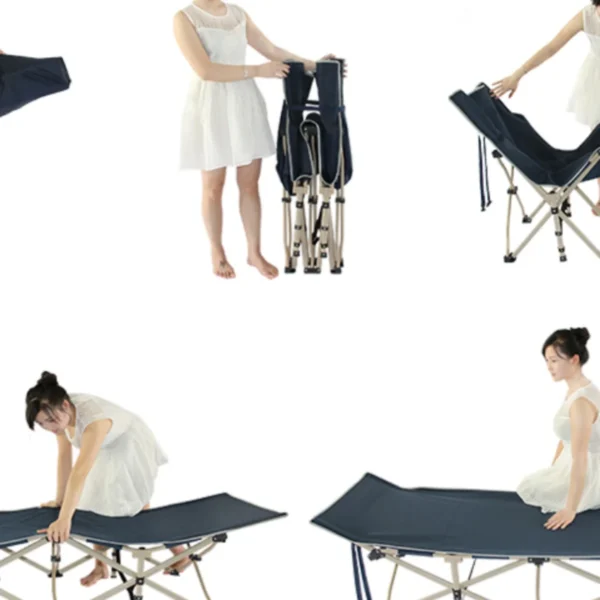
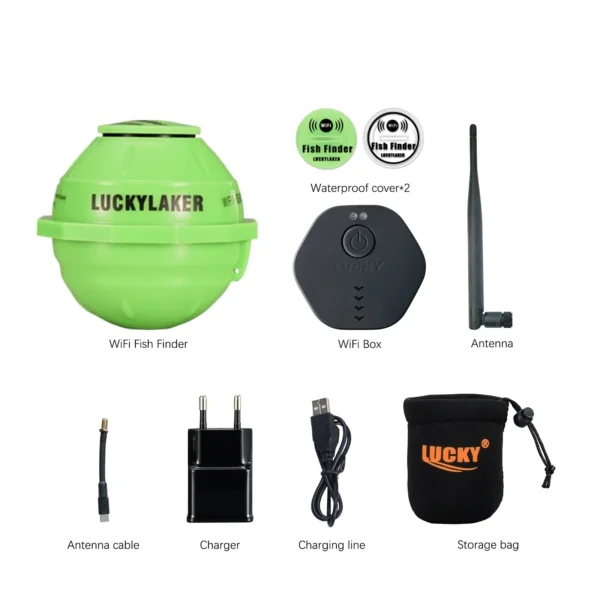


Product Gallery
-
 Ultimate 2-3 Person Inflatable Kayak for Fishing Fun Rated 5.00 out of 5$1,092.43 – $1,105.95Price range: $1,092.43 through $1,105.95
 -
VEVOR 550 lb Heavy-Duty Folding Wagon & Bench for Adventurers
$155.14 – $252.20Price range: $155.14 through $252.20
-
BISINNA One-Touch Titanium Tent for 3-4 Campers, Adventure Ready Rated 4.36 out of 5
$311.78Original price was: $311.78.$217.30Current price is: $217.30.













 Camping Gear
 Camping Chair
 Camping Table
 Camping Bed
 Sleeping Gear
 Storage Bags
 BBQ Portable
 Sleeping Bags
 Camping Tents
 Gazebos
 Outdoor Cooler
 Cookware
 Power
Power Camping Light
 Flashlight
 Portable Solar
 Power Banks
 Fish Finders
 Fishing Bags
 Fishing Jerseys
 Fishing Reels
 Fishing Chairs
 Fishing Bait Boat
 Fishing Floats
 Hard Baits
 Hiking Vests
 Outdoor Bags
 Water Filters
 Paracord
 Walkie Talkie
 Paddleboards
 Boats
Boats Sea Scooter
 Accessories
 Electric Bike
 Electric Scooter
Recent Comments