

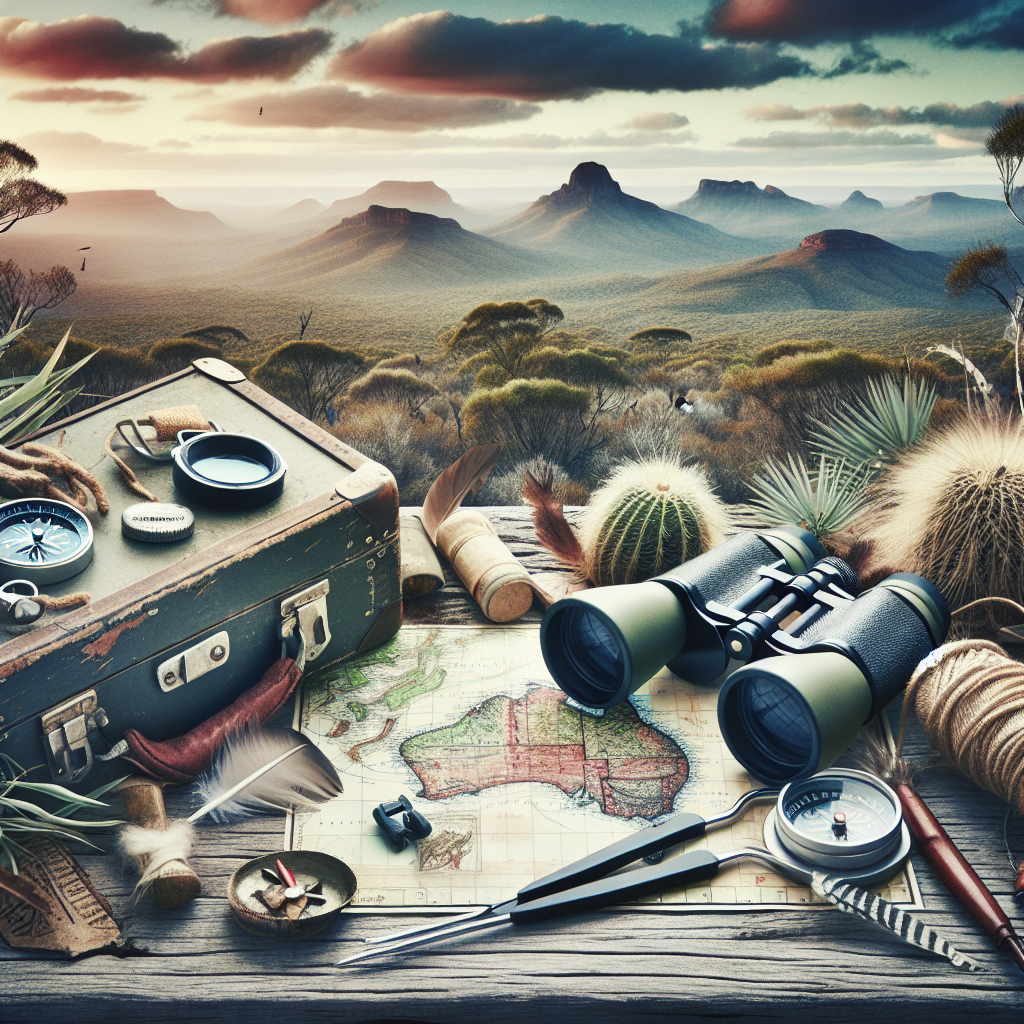

Ever felt that little knot of anxiety tighten in your stomach as the sun dips low, and the familiar trail seems… less familiar? Yeah, me too. Backcountry navigation isn’t just about getting from A to B; it’s about confidence, resilience, and, let’s be honest, sometimes about not becoming a headline. So, whether you’re a seasoned trekker or a weekend warrior, let’s get you prepped to navigate the wild like a pro. Ready? Let’s roll.
Why Knowing How to Navigate is Seriously Non-Negotiable
Think of backcountry navigation as more than just a skill; it’s your safety net. It’s the difference between a thrilling adventure and a survival situation. You know what they say: hope for the best, plan for the worst. That saying applies here more than ever.
The Holy Trinity: Map, Compass, and GPS – Friends, Not Enemies
Okay, let’s break down the A-team of wilderness wayfinding. Think of your map and compass as the bread and butter, the reliable foundation, while your GPS is the fancy gadget that adds a little extra flavor. Let’s understand how each of these friends acts alone and together.
Decoding the Parchment: Mastering Map Reading Like Indiana Jones
Maps. They aren’t just foldable pieces of paper; they’re treasure maps to adventure. Okay, maybe not “treasure” in the gold doubloons sense, but definitely treasure in the “unforgettable experiences” sense. Let’s crack the code:
- Topographic Maps: These show elevation changes with contour lines. Close lines mean steep terrain; spaced-out ones mean gentler slopes. Imagine slicing a mountain into layers; that’s basically what contour lines represent.
- Legend: This is your Rosetta Stone. It tells you what all those symbols mean—trails, campsites, water sources, and more. Don’t skip this step.
- Scale: Understand the scale, and you understand the landscape. A scale of 1:24,000 means one inch on the map equals 24,000 inches (or 2,000 feet) in the real world.
Spinning the Needle: Compass Skills That Will Make You Feel Like a Real Explorer
The compass is your trusty, non-electronic guide. No batteries required. Here’s how to make it sing:
- Declination: This is the angle difference between true north and magnetic north. You’ll need to adjust for declination based on your location to get accurate bearings. Some compasses let you adjust the declination right on the compass. Trust me; learn how to do it.
- Taking a Bearing: Point the direction-of-travel arrow on your compass at your destination. Rotate the bezel until the orienting arrow lines up with the magnetic needle. Your bearing is the degree reading at the index line.
- Following a Bearing: Keep the orienting arrow aligned with the magnetic needle as you walk, and follow the direction-of-travel arrow. Simple, right?
I’ll let you in on a little secret: practice those bearings, then practice them again, so they become muscle memory.
The Digital Pathfinder: Making GPS Work For You, Not Against You
GPS devices are incredible, but they’re not foolproof. Batteries die, signals drop, and sometimes, technology just glitches. Think of your GPS as a helpful friend, not a babysitter. Here’s how to use it smartly:
- Waypoints: Mark key locations (campsites, trail junctions, water sources) ahead of time. This way, even if you lose the trail, you can navigate back to a known point.
- Tracks: Record your path as you hike. This creates a digital breadcrumb trail that you can follow back if needed.
- Battery Life: Carry extra batteries or a portable charger. And know how to conserve power by dimming the screen or turning off unnecessary features.
Okay, here’s a little something most people don’t focus on… don’t become overly reliant on any device. Master the map and compass first. Your GPS should only be there as a backup.
Lost-Proofing Your Trip: Planning Like a Pro
Planning isn’t just about choosing a pretty spot; it’s about setting yourself up for success, safety, and minimal “I wish I had…” moments. In fact, I would go as far to say that the best time to plan for getting un-lost, is before you get lost.
Know Before You Go: How to Research Your Route Like an Expert
This isn’t just about skimming a trail description; it’s about really understanding the terrain, potential hazards, and available resources. Think of it as your pre-flight checklist.
- Trail Conditions: Check recent trip reports, ranger updates, and weather forecasts. Is there snow on high passes? Are there recent bear sightings? Knowledge is power.
- Water Sources: Identify reliable water sources along your route. But don’t assume they’ll be flowing. Always carry enough water to get you to the next source, just in case.
- Emergency Exits: Identify potential bailout points along your route. Are there roads or other trails that you could use to shorten your trip if needed?
Gear Up, Buttercup: Essentials That Can Save Your Bacon
Your gear is your lifeline. Don’t skimp, and don’t assume. “Oh, I’ll only be gone for a few hours.” Famous last words. These are your must-haves:
- Navigation Tools: Map, compass, GPS (with extra batteries), and a whistle.
- Sun Protection: Sunglasses, sunscreen, and a hat. The sun is brutal at altitude, even on cloudy days.
- Insulation: Extra layers of clothing, including a waterproof jacket and pants. Weather can change in an instant.
- Illumination: Headlamp or flashlight with extra batteries.
- First-aid Supplies: A well-stocked kit and knowledge of how to use it.
- Fire: Waterproof matches, lighter, and fire starter.
- Repair Kit and Tools: Knife, duct tape, cordage, and tools to repair essential gear.
- Nutrition: Extra food. High-energy snacks that won’t spoil.
- Hydration: Water bottles or a hydration reservoir, plus a water filter or purification tablets.
- Emergency Shelter: A lightweight bivy sack or emergency blanket.
Tell Someone Where You’re Going, Seriously
This is non-negotiable. Leave a detailed trip plan with a trusted contact. Include your route, expected return time, and emergency contact information. And tell them when to call for help if you don’t check in.
It’s also a good idea to consider investing in a satellite communication device; there are many on the market, or a personal locator beacon.
Uh Oh, I’m Lost: Survival Skills to Get You Back on Track
Okay, deep breaths. Getting lost happens. It’s how you respond that matters. Here’s your mental checklist:
Stop, Drop, and Assess: The Golden Rule of Not Panicking
The first thing to do when you realize you’re lost is to STOP. Stop moving, stop talking, stop everything. Take a few deep breaths and try to calm down. Panic is your enemy. Once you’re calm, assess the situation:
- Location: Where were you the last time you knew where you were? Can you backtrack?
- Resources: What supplies do you have? How much food and water? Extra layers?
- Weather: What is the current weather, and what is the forecast?
- Time: How much daylight do you have left?
Signal for Help: Make Some Noise (and Light!)
If you’re truly lost and in distress, it’s time to call for help. Here’s how:
- Whistle: Three blasts is the universal signal for distress. Repeat every few minutes.
- Fire: Build a smoky fire. Smoke is visible from a long distance.
- Mirror: Use a mirror or shiny object to reflect sunlight.
- SOS: Create a large SOS signal on the ground using rocks, branches, or clothing.
Shelter From the Storm: Building a Safe Haven
If you have to spend the night in the woods, shelter is critical. It doesn’t have to be fancy, but it needs to protect you from the elements. Here are some quick options:
- Natural Shelters: Look for rock overhangs, dense trees, or fallen logs that can provide some protection.
- Debris Hut: Lean branches against a sturdy tree or rock, then pile them with leaves, pine needles, and other debris.
- Emergency Bivy: If you have a bivy sack or emergency blanket, use it.
Water is Life: Finding and Purifying Your H2O
You can survive for weeks without food, but only a few days without water. Finding and purifying water is essential. Again, not all water is equal. Moving water is better, but any water is better than no water. Be sure to sterilize the water, no matter how good it looks.
- Sources: Look for streams, springs, and snowmelt. Collect rainwater if possible.
- Purification: Boil water for at least one minute to kill bacteria and viruses. Use a water filter or purification tablets as a backup.
Let me explain something that should be very obvious: rationing your water is critical if sources are scarce. Sip slowly and avoid strenuous activity that will make you sweat.
Staying Safe in Bear Country (and Other Critter Concerns)
Okay, let’s talk about our furry (and not-so-furry) neighbors. Encounters with wildlife can range from amusing to terrifying. Prevention is key to a peaceful coexistence.
Bear Necessities: Food Storage Like a Boss
Bears are attracted to food, plain and simple. Storing your food properly is crucial to protecting yourself and the bears. You don’t want to teach them that campsites are a buffet.
- Bear Canisters: These are airtight containers that bears can’t open. They’re required in many areas.
- Bear Hangs: Hang your food in a bag suspended between two trees, at least 12 feet off the ground and 6 feet from the trunk.
- Camp Cleanliness: Never leave food scraps or wrappers in your campsite. Pack out everything you pack in.
Making Noise and Carrying Bear Spray: Your Best Defense
When hiking in bear country, make noise. Talk, sing, or wear a bell. You want to avoid surprising a bear. And carry bear spray. Know how to use it, and keep it readily accessible. It’s more effective than a firearm in most situations.
Other Critter Concerns: From Mosquitoes to Mountain Lions
Bears aren’t the only animals you need to worry about. Mosquitoes can transmit diseases. Ticks can carry Lyme disease. Mountain lions are rare, but they’re out there. Be aware of the risks in your area and take appropriate precautions. Insect repellent, long clothing, and vigilance are your friends.
Camp Security: Keeping Your Site Safe and Sound
Your campsite is your home away from home. Keep it secure to protect yourself and your belongings. Consider the weather, the animals, and other people who may be around. If you’re in a place where people may visit your camp when you’re gone, think about how to protect against theft, as well.
- Choose a Safe Location: Avoid camping under dead trees or near steep slopes that could be prone to rockfall.
- Clear the Area: Remove any dry leaves or debris that could catch fire.
- Set Up a Perimeter: Use rocks, branches, or cordage to create a boundary around your campsite.
- Store Food Properly: As mentioned earlier, this is crucial to preventing bear encounters.
- Secure Your Gear: Keep your valuables hidden and your tent zipped up.
Leave No Trace: Protecting the Wilderness for Future Generations
We’re all stewards of the land. It’s our responsibility to protect the wilderness for future generations. Leave No Trace principles are a set of guidelines that minimize our impact on the environment. Here are the basics:
- Plan ahead and prepare.
- Travel and camp on durable surfaces.
- Dispose of waste properly.
- Leave what you find.
- Minimize campfire impacts.
- Respect wildlife.
- Be considerate of other visitors.
Final Thoughts: Wander Wisely, My Friends
Backcountry navigation and safety aren’t just skills; they’re a mindset. It’s about respecting the power of nature, preparing for the unexpected, and making smart decisions. So, go forth, explore, and adventure. But do so wisely, with knowledge, awareness, and a healthy dose of caution. Your life may depend on it.
Now that wasn’t so bad, was it? I hope I’ve given you the confidence to go out there and explore. It’s a big, beautiful world; pack your bag and see what you can find!
For more information on wilderness navigation, check out these resources:
FAQ Section
DISCLAIMER
Please note that this article is for informational purposes only. Backcountry navigation and survival involve inherent risks, and it is essential to receive proper training and guidance before venturing into the wilderness. Always consult with experienced professionals and local authorities for specific advice and conditions in your area. Be prepared and be safe!
Categories
- Navigation & Safety (68)
- Shelter & Sleep (72)
Top rated products
-
 Ultimate AONIJIE Soft Flask 1000 ml/2000 ml with Water Filter Rated 5.00 out of 5
$38.70Original price was: $38.70.$26.97Current price is: $26.97. -
Portable Folding Bed for Office Naps & Outdoor Adventures Rated 5.00 out of 5$168.06 – $305.16Price range: $168.06 through $305.16
-
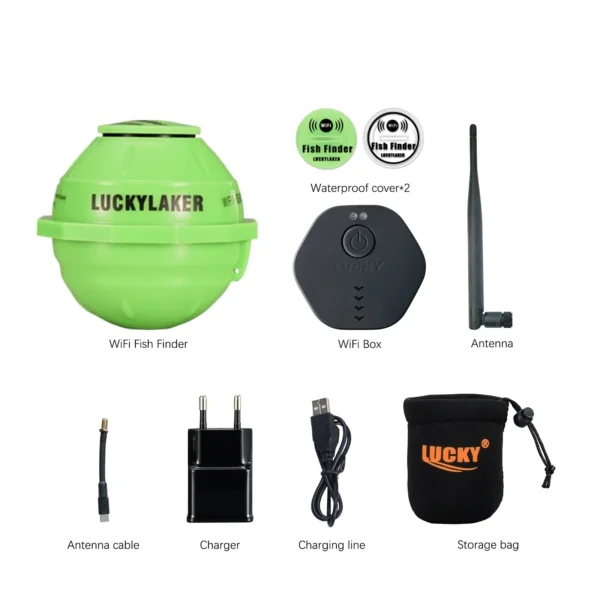
Revolutionize Your Fishing with Lucky Smart Wi-Fi Fish Finder Rated 5.00 out of 5
$197.75Original price was: $197.75.$137.82Current price is: $137.82.




Product Gallery
-
 Ultimate 2-3 Person Inflatable Kayak for Fishing Fun Rated 5.00 out of 5$1,092.43 – $1,105.95Price range: $1,092.43 through $1,105.95
 -
VEVOR 550 lb Heavy-Duty Folding Wagon & Bench for Adventurers
$155.14 – $252.20Price range: $155.14 through $252.20
-
BISINNA One-Touch Titanium Tent for 3-4 Campers, Adventure Ready Rated 4.36 out of 5
$311.78Original price was: $311.78.$217.30Current price is: $217.30.










 Camping Gear
 Camping Chair
 Camping Table
 Camping Bed
 Sleeping Gear
 Storage Bags
 BBQ Portable
 Sleeping Bags
 Camping Tents
 Gazebos
 Outdoor Cooler
 Cookware
 Power
Power Camping Light
 Flashlight
 Portable Solar
 Power Banks
 Fish Finders
 Fishing Bags
 Fishing Jerseys
 Fishing Reels
 Fishing Chairs
 Fishing Bait Boat
 Fishing Floats
 Hard Baits
 Hiking Vests
 Outdoor Bags
 Water Filters
 Paracord
 Walkie Talkie
 Paddleboards
 Boats
Boats Sea Scooter
 Accessories
 Electric Bike
 Electric Scooter
Recent Comments