

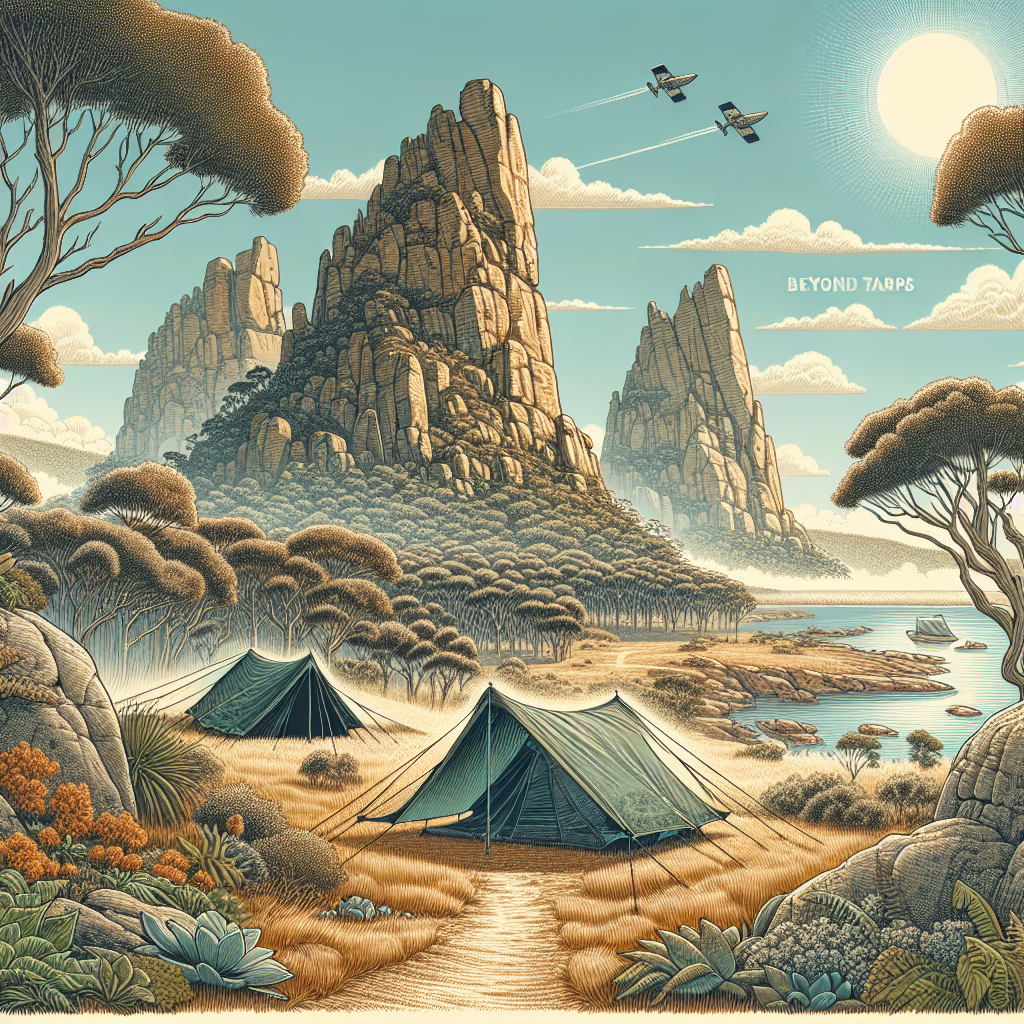
Beyond Tarps: The Ultimate Guide to Advanced Waterproof Camping Shelters

Let’s face it, a simple tarp can only get you so far. Sure, it’s lightweight and cheap, but when that unexpected downpour hits, you’ll be wishing you had something a bit more… robust. This guide is your ticket to stepping up your camping shelter game. We’re talking about advanced waterproof shelters designed not just to keep you dry, but to enhance your entire outdoor experience.
Why Upgrade from a Basic Tarp?
Alright, you might be thinking, “Hey, what’s wrong with my trusty tarp?” Nothing, really—if you’re only expecting a light sprinkle. But ask yourself: Have you ever woken up in a puddle even with a tarp? Or struggled to pitch it just right when the wind is howling? Upgrading to a more advanced shelter offers advantages that go way beyond simply staying dry. Think comfort, ease of setup, and, honestly, a little bit of peace of mind.
Understanding Waterproof Ratings and Materials
Waterproof ratings are important you know! Understanding waterproof ratings and materials is key to choosing the right advanced shelter for you since not all fabrics are created equal. It’s not just about the fabric; it’s also about how the seams are sealed and the overall construction. It’s all about finding the right balance between weather protection, breathability, and durability.
Decoding Waterproof Ratings (Hydrostatic Head)
You’ve probably seen terms like “2000mm” or “5000mm” thrown around when talking about waterproof gear. That number (measured in millimeters) refers to the hydrostatic head, which is basically a measure of how much water pressure the fabric can withstand before it starts leaking.
Now, what does that mean for you? Well, a rating of 1500mm is generally considered waterproof, suitable for light rain and showers. But for serious protection, especially in heavy or prolonged rain, you’ll want something with a higher rating, like 3000mm or more. Tents designed for four-season use often have ratings of 5000mm or higher.
REI’s Expert Advice on Rainwear offers more insights into waterproof ratings.
Common Waterproof Materials: A Closer Look
The material used in a waterproof shelter plays a big role in its performance. Here are a few common options:
- Polyester: A popular option due to its affordability and decent water resistance. Polyester fabrics are also lightweight and resist stretching or sagging when wet.
- Nylon: Stronger and more abrasion-resistant than polyester, making it a great choice for shelters that will see a lot of use. Nylon is often coated with polyurethane (PU) or silicone to enhance its waterproofness.
- Ripstop Nylon: A variation of nylon with a reinforced weave, which makes it highly resistant to tearing. Even if a small tear does occur, it won’t spread easily.
- Canvas: A classic material known for its durability and excellent water resistance when properly treated. Canvas shelters are often heavier, making them better suited for car camping or basecamps.
- Cuben Fiber (Dyneema Composite Fabric): An ultralight, incredibly strong, and waterproof material used in high-end shelters. Cuben fiber is expensive, but it offers an unmatched strength-to-weight ratio.
The Importance of Seam Sealing
Even the most waterproof fabric will leak if the seams aren’t properly sealed. During manufacturing, needle holes are created when sewing the fabric together. Seam sealing involves applying a waterproof tape or sealant to cover these holes, preventing water from seeping through.
There are two main types of seam sealing: taped seams and coated seams. Taped seams are more durable and offer better long-term protection. Coated seams are a cheaper option but may wear off over time.
Types of Advanced Waterproof Shelters
So, you’re ready to move beyond the basic tarp. Great! But what are your options? Let’s walk through some popular types of advanced waterproof shelters, each with its own set of pros and cons.
Tents: The Classic Choice, Elevated
When you think of camping shelters, tents probably jump to mind first. But modern tents are a far cry from those leaky, bulky canvas monstrosities of yesteryear. They come in all shapes and sizes, from ultralight backpacking tents to spacious family-sized models.
- Dome Tents: A popular choice for their freestanding design and ease of setup. Dome tents offer good stability in windy conditions.
- Tunnel Tents: Provide excellent space and headroom, making them comfortable for longer trips. Tunnel tents require staking out for stability.
- Geodesic Tents: Designed for extreme weather conditions. Geodesic tents have a complex pole structure that provides exceptional strength and stability.
- Pop-Up Tents: As the name suggests, these tents pop up instantly, making them incredibly easy to set up. However, they can be bulky to transport and may not be as durable as other options.
Tarps with Enclosures: Best of Both Worlds?
Want the simplicity of a tarp but the protection of a tent? Tarps with enclosures might be just what you’re looking for. These shelters combine a basic tarp with mesh walls or zippered doors to keep bugs and rain out.
Hammock Shelters: Sleep Above It All
If you’re camping in an area with plenty of trees, a hammock shelter can be a comfortable and unique option. Hammock shelters typically include a waterproof tarp suspended above the hammock, as well as bug netting to keep those pesky insects at bay.
Bivy Sacks: Minimalist Protection
For ultralight backpackers and solo adventurers, bivy sacks offer a minimalist approach to shelter. A bivy sack is essentially a waterproof sleeping bag cover that provides basic protection from the elements. Bivy sacks are lightweight and compact, but they can feel claustrophobic and offer limited space.
Specialized Shelters: Geodomes, Yurts, and More
Looking for something truly unique? Consider a specialized shelter like a geodome or yurt. These shelters offer ample space and a glamping-style experience. They’re typically more expensive and require more setup time, but they can be worth it for extended stays or group camping.
Key Features to Look for in an Advanced Shelter
Okay, so what exactly should you be looking for when choosing an advanced waterproof camping shelter? Let’s break down those must-have features that will really make a difference in your camping experience.
Waterproofness and Breathability
We’ve already talked about waterproof ratings, but breathability is just as important. A shelter that’s completely waterproof but doesn’t breathe will trap moisture inside, leading to condensation and a damp, uncomfortable night. Look for shelters with good ventilation or breathable fabrics like those with a Durable Water Repellent (DWR) finish.
Durability and Materials
Consider materials, construction quality, and seam sealing when choosing a camping shelter.
Ease of Setup
Let’s be real – nobody wants to spend hours wrestling with tent poles after a long day of hiking. Look for shelters with intuitive designs, color-coded poles, and easy-to-follow instructions. Freestanding tents can be set up almost anywhere for added convenience.
Size and Weight
The ideal size and weight of your shelter will depend on your specific needs. If you’re backpacking solo, every ounce counts, so you’ll want to prioritize lightweight options. For family camping, space and comfort are likely more important than weight.
Here’s a quick rundown:
- Backpacking: Aim for a shelter that weighs less than 3 pounds per person.
- Car Camping: Weight is less of a concern, so you can prioritize comfort and space.
- Group Camping: Look for shelters with multiple rooms or large communal areas.
Ventilation and Condensation Management
Condensation can be a major problem in waterproof shelters, especially in humid conditions. Good ventilation is key to reducing condensation. Look for shelters with mesh windows, vents, and doors that can be opened to increase airflow. Some shelters also have features like a rainfly that vents separately from the main body.
Additional Features: Storage, Vestibules, and More
Beyond the basics, consider any extra features that might enhance your camping experience. Internal storage pockets can help you keep your gear organized. Vestibules provide a sheltered space for storing muddy boots and backpacks. Some shelters even have features like integrated LED lighting or gear lofts.
Choosing the Right Shelter for Your Needs
Alright, we’ve covered a lot of ground. But how do you actually choose the right advanced waterproof camping shelter for your needs? Let’s break it down based on different camping styles and scenarios.
Backpacking: Light and Fast
Backpackers need gear that’s light and packable, simple as that. Every ounce counts when you’re carrying everything on your back.
Car Camping: Comfort is King
Car camping is a whole different ballgame. You’ve got the luxury of space and weight isn’t as much of a concern, so you can prioritize comfort and convenience.
Group Camping: Space for Everyone
Camping with a group of friends or family? Space is key. Look for shelters that can comfortably accommodate everyone, or consider bringing multiple smaller shelters.
Winter Camping: Battling the Elements
Winter camping demands a different level of gear. You need a shelter that can withstand extreme cold, snow, and wind. Four-season tents are designed for these conditions, with robust pole structures, waterproof fabrics, and snow skirts to prevent snow from entering the tent.
Tips for Maintaining Your Waterproof Shelter
You’ve invested in a quality waterproof shelter – now it’s time to take care of it! Proper maintenance will not only extend the life of your shelter but also ensure it performs optimally when you need it most.
Cleaning and Storage
Always clean your shelter after each use. Remove any dirt, mud, or debris with a soft brush and some lukewarm water. Avoid using harsh soaps or detergents, which can damage the waterproof coating. Make sure your shelter is completely dry before storing it to prevent mildew and mold growth. Store it loosely in a cool, dry place, away from direct sunlight.
Waterproofing Maintenance
Over time, the waterproof coating on your shelter may wear off, especially in areas that see a lot of friction. You can restore the waterproofness by applying a Durable Water Repellent (DWR) spray or a seam sealant. Follow the manufacturer’s instructions carefully when applying these products.
Repairs and Patching
Even the most durable shelters can get damaged from time to time. Small tears and holes can be easily repaired with a tent repair kit. For larger tears, you may need to take your shelter to a professional repair shop. Always repair any damage promptly to prevent it from getting worse.
Advanced Techniques for Staying Dry in Extreme Conditions
Sometimes, just having a good shelter isn’t enough. In truly extreme conditions, you may need to employ some advanced techniques to stay dry and comfortable.
Site Selection and Preparation
Choosing the right campsite can make a huge difference in your comfort and safety. Avoid low-lying areas where water can accumulate. Look for a flat, level spot that’s sheltered from the wind. Clear away any rocks, sticks, or other debris that could damage your shelter.
Pitching in the Rain
Setting up a shelter in the rain can be challenging, but it’s important to do it quickly and efficiently to minimize exposure to the elements. Have all your gear organized and ready to go before you start. Consider using a footprint or groundsheet to protect the bottom of your shelter from mud and water.
Creating a Dry Living Space
Once your shelter is set up, take steps to create a dry and comfortable living space. Use a groundsheet inside your shelter to protect your sleeping bag and gear from moisture. Hang a clothesline to dry wet clothes. Use a portable stove to heat water and cook food (always with proper ventilation, of course).
Beyond Waterproof: Comfort and Livability
Staying dry is essential, but it’s not the only factor to consider. Comfort and livability can make a huge difference in your overall camping experience. Let’s explore some aspects of how you can make your tent or shelter feel more like a home away from home.
Organization and Storage Solutions
A cluttered tent is an unhappy tent. Keeping your gear organized can make a huge difference in your comfort and peace of mind. Use internal storage pockets, gear lofts, and hanging organizers to keep your belongings off the floor and within easy reach.
Sleeping Comfort: Pads, Bags, and More
A good night’s sleep is crucial for enjoying your time outdoors. Invest in a quality sleeping pad and sleeping bag that are appropriate for the temperature conditions. Consider using a pillow or headrest for added comfort.
Lighting and Ambiance
Good lighting can transform your tent from a dark, cramped space into a cozy haven. Use a combination of headlamps, lanterns, and string lights to create a warm and inviting atmosphere.
The Future of Waterproof Camping Shelters
Camping technology is constantly evolving and developing. It’s exciting to think about what the future holds for staying dry and comfy out in the wilderness.
Sustainable Materials and Practices
As environmental awareness grows, so does the demand for sustainable camping gear. expect to see more camping shelters made from recycled materials. Eco-friendly water repellents that do not harm delicate ecosystems are also becoming more popular.
Smart Shelters: Integrating Technology
Who says you can’t have technology while camping. Imagine shelters with integrated solar panels, temperature-regulating systems, and even built-in Wi-Fi hotspots (for those who can’t completely disconnect).
Conclusion: Embrace the Elements, Comfortably
Upgrading from that basic tarp to an advanced waterproof camping shelter is about more than just staying dry. It’s about enhancing your entire outdoor experience. By understanding waterproof ratings and materials, choosing the right shelter for your needs, and maintaining your gear properly, you can embrace the elements with confidence and comfort. So go ahead, plan that adventure, and sleep soundly knowing you’re protected from whatever nature throws your way. After all, shouldn’t your shelter be enhancing the camping experience, not hindering it.
FAQ: Your Burning Questions Answered
DISCLAIMER
Readers are advised that camping and outdoor activities involve inherent risks. This guide is intended for informational purposes only and should not be considered a substitute for professional training or guidance. Always check weather conditions, terrain, and local regulations before embarking on any camping trip. Ensure you have the appropriate gear, skills, and knowledge for the planned activities. Test all gear before your trip to ensure it is functional and reliable. Be aware of potential hazards such as wildlife, weather changes, and difficult terrain. Always inform someone of your plans and expected return time. The author and publisher are not responsible for any injuries, damages, or losses incurred as a result of following the information provided in this guide. Stay safe, stay informed, and enjoy your outdoor adventures responsibly.
Categories
- Navigation & Safety (68)
- Shelter & Sleep (72)
Top rated products
-
 Portable 10 W Solar Charger - Power Up Anywhere, Anytime Rated 5.00 out of 5
$37.39Original price was: $37.39.$26.06Current price is: $26.06. -
Tifgalop ES7 Pro 3000 W E-Bike: Speed Meets Adventure! Rated 5.00 out of 5$944.90 – $2,105.78Price range: $944.90 through $2,105.78
-
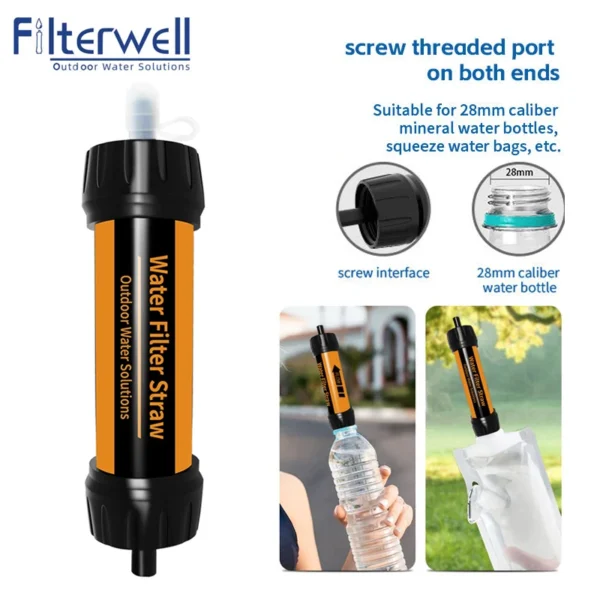
Ultimate Outdoor Water Filter Straw for Safe Hydration Adventures Rated 5.00 out of 5$17.21 – $18.21Price range: $17.21 through $18.21




Product Gallery
-
 VEVOR 550 lb Heavy-Duty Folding Wagon & Bench for Adventurers
$154.92 – $251.84Price range: $154.92 through $251.84
VEVOR 550 lb Heavy-Duty Folding Wagon & Bench for Adventurers
$154.92 – $251.84Price range: $154.92 through $251.84
-
BISINNA One-Touch Titanium Tent for 3-4 Campers, Adventure Ready Rated 4.36 out of 5
$310.92Original price was: $310.92.$216.70Current price is: $216.70. -
Airy Mesh Solo Hiking Tent - Lightweight & Mosquito-Proof Rated 4.71 out of 5
$89.10Original price was: $89.10.$62.10Current price is: $62.10.













 Camping Gear
 Camping Chair
 Camping Table
 Sleeping Bags
 Camping Bed
 Sleeping Gear
 Storage Bags
 BBQ Portable
 Camping Tents
 Gazebos
 Outdoor Cooler
 Cookware
 Power
Power Camping Light
 Flashlight
 Portable Solar
 Power Banks
 Fish Finders
 Fishing Bags
 Fishing Jerseys
 Fishing Reels
 Fishing Chairs
 Fishing Bait Boat
 Fishing Floats
 Hard Baits
 Hiking Vests
 Outdoor Bags
 Water Filters
 Paracord
 Walkie Talkie
 Paddleboards
 Boats
Boats Sea Scooter
 Accessories
 Electric Bike
 Electric Scooter
Recent Comments