

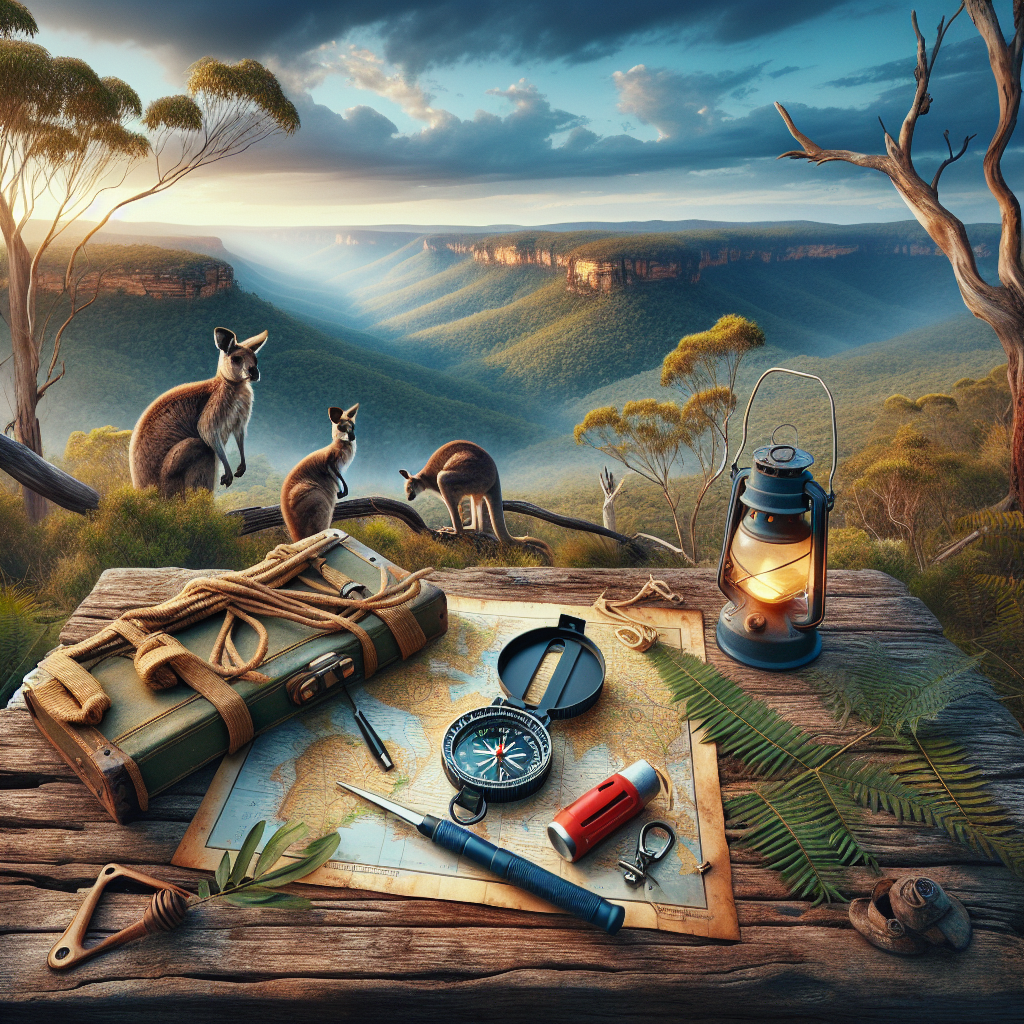
Unlocking the Wilderness: A Beginner’s Guide to Camping Navigation

So, you’re itching to trade your couch for a campsite? Excellent choice! But before you pack your marshmallows and head for the hills, let’s talk about something crucial: navigation. Getting lost isn’t just inconvenient; it can be downright dangerous. Don’t worry, though. This guide is designed to turn you from a navigation newbie into a confident backcountry explorer. We’ll cover everything from map and compass basics to GPS gadgets and what to do when things go sideways. Ready to leave the beaten path – safely?
Why Bother Learning Navigation Skills? Isn’t There an App for That?
Sure, there’s an app for pretty much everything these days. And yes, your smartphone’s GPS can seem like a magical portal to anywhere you want to go. But here’s the thing: technology fails. Batteries die. Signals get lost. Trees block satellite reception. You know what? Relying solely on tech in the wilderness is like betting your campsite on a coin flip – a bad idea.
Knowing how to read a map, use a compass, and understand the terrain is invaluable. These skills don’t require batteries, and they will work no matter how many trees are blocking your view. It’s about self-reliance, folks. It’s about having the confidence to know where you are and where you’re going – even when your phone is a brick. Plus, there’s a certain satisfaction that comes with mastering these skills. It connects you to the landscape in a way that staring at a screen never could.
The Dynamic Duo: Maps and Compasses
Let’s start with the classics: the map and compass. Think of them as peanut butter and jelly – great on their own, but unstoppable together!
Understanding Topographic Maps: More Than Just Pretty Colors
A topographic map (topo map, for short) isn’t just a picture of the land. It’s a detailed representation of the terrain’s shape and features, including elevation changes, vegetation, water sources, and even man-made structures. Learning to read one is like learning a secret language of the land.
- Contour Lines: These squiggly lines are the key to understanding elevation. Each line connects points of equal elevation. The closer the lines are together, the steeper the slope. Wide spacing? Gentle slope. Closed loop? You’ve got yourself a hill or a mountain.
- Colors and Symbols: Blue usually means water (lakes, rivers, streams). Green indicates vegetation (forests, meadows). Brown represents contour lines and other terrain features. Black usually marks man-made features (roads, buildings, trails). Also, symbols will show campgrounds, ranger stations, and other important locations. Each map should include a legend that explains all the symbols. Be sure to check it.
- Scale: This tells you the relationship between distances on the map and distances on the ground. A scale of 1:24,000, for instance, means that one inch on the map equals 24,000 inches (or 2,000 feet) in the real world. Understanding scale is key for estimating distances and planning your route.
Your Trusty Companion: Mastering the Compass
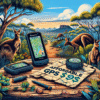
The compass is your go-to tool for determining direction, and it’s been around for centuries for a reason. While there are fancy digital compasses out there, a simple baseplate compass is all you need to get started.
- The Parts of a Compass: The baseplate is the clear plastic part that you lay on the map. The magnetic needle points to magnetic north. The rotating bezel (or compass housing) has degree markings (0-360). The orienting arrow helps you align the compass with the map.
- Taking a Bearing: This involves pointing the compass at a distant object, then rotating the bezel until the orienting arrow aligns with the north end of the magnetic needle. Read the degree marking at the index line – that’s your bearing.
- Following a Bearing: Once you have a bearing, hold the compass level, rotate your body until the north end of the magnetic needle aligns with the orienting arrow, and walk in the direction the compass is pointing. It sounds simple, but it takes practice!
Putting It All Together: Map and Compass Navigation in Action
This is where the magic happens. Here’s the basic process:
- Orient the Map: Align the map with your surroundings. Use the compass to find magnetic north, then rotate the map until north on the map points in the same direction as north on the compass. You can also use landmarks to orient your map.
- Locate Yourself: Identify two or more landmarks on the map and in real life. Use a compass bearing to determine your direction from each landmark. Where the lines intersect on the map is your approximate location. This is called triangulation.
- Plan Your Route: Determine your destination on the map. Use a ruler or straightedge to draw a line from your current location to your destination. This is your desired path.
- Take a Bearing: Place the edge of the compass baseplate along your desired path on the map. Rotate the compass housing until north on the compass aligns with north on the map. Read the bearing at the index line.
- Follow Your Bearing: Keep the compass level, align the magnetic needle with the orienting arrow, and start walking. But before you wander off, create waypoints using landmarks on the map and terrain features, like stream crossings or prominent hills that match corresponding points in reality. Periodically check your position to be sure you’re on track.
Remember, practice makes perfect! Start in a familiar area and gradually work your way up to more challenging terrain. Plus, a refresher never hurts, so consider taking a navigation course at your local outdoors store.
GPS Devices: The 21st-Century Navigator
Okay, okay, I know I just preached about the importance of old-school skills. But that doesn’t mean GPS devices don’t have their place. They’re incredibly useful tools, especially for covering long distances or navigating in poor visibility.
Choosing the Right GPS for Your Needs
There’s a GPS device for everyone, from basic handheld units to advanced models with all the bells and whistles. Here’s what to consider:
- Battery Life: Crucial for long trips. Look for devices with long battery life or the ability to use external power sources.
- Screen Size and Clarity: Can you easily read the screen in bright sunlight? Is it easy to navigate the menus?
- Map Compatibility: Does the device support the maps you need? Can you upload your own maps?
- Water Resistance: Essential for any outdoor device.
- Features: Do you need features like barometric altimeters, electronic compasses, or wireless connectivity?
Understanding GPS Basics: Waypoints, Routes, and Tracks
GPS devices use satellites to determine your position on Earth. Here are some key concepts to understand:
- Waypoints: Specific locations that you mark and store in the GPS. These could be your campsite, a water source, or a scenic overlook.
- Routes: A series of waypoints that you plan to follow. The GPS will guide you from one waypoint to the next.
- Tracks: A record of your actual path. You can use tracks to retrace your steps or to share your adventures with others.
Using GPS Safely and Responsibly
GPS devices are powerful tools, but they’re not foolproof. Here are some tips for using them safely:
- Always carry a map and compass as a backup. I can’t stress this enough!
- Learn how to use your GPS before you hit the trail. Don’t wait until you’re lost to start fumbling with the menus.
- Check the GPS’s satellite reception before you start hiking. If the signal is weak, wait until it improves.
- Conserve battery life. Turn off unnecessary features and carry extra batteries or a portable charger.
- Be aware of the limitations of GPS technology. Signals can be blocked by trees, canyons, and other terrain features.
Navigating Without Gadgets: Essential Wilderness Skills
Let’s talk about some alternative ways to navigate. Because sometimes you need to rely on your wits and what nature provides.
Natural Navigation: Reading the Landscape
Humans have been navigating using natural cues for millennia. Learning to read the landscape can be not only useful but also deeply rewarding.
- Sun and Stars: In the Northern Hemisphere, the sun rises in the east and sets in the west. At noon, it’s approximately in the south. At night, the North Star (Polaris) can guide you north.
- Vegetation: Moss tends to grow more abundantly on the north side of trees in the Northern Hemisphere. Tree branches are often shorter and less dense on the north side as well.
- Wind Patterns: Prevailing winds can influence the shape of trees and the distribution of snow.
- Terrain Features: Ridges, valleys, and streams often follow predictable patterns. Observing these patterns can help you orient yourself.
Trail Markers and Cairns: Following the Clues
Many trails are marked with blazes, cairns, or other indicators. Here’s what you need to know:
- Blazes: These are painted marks on trees. They often indicate the direction of the trail.
- Cairns: These are stacks of rocks that mark the trail, especially in above-treeline and other rocky environments.
- Other Markers: Some trails may be marked with flags, ribbons, or signs. Pay attention to the color and shape of the markers.
Be careful to only follow established, designated trails. Don’t create your own cairns or blazes, as this can confuse other hikers.
What to Do When Things Go Wrong: Emergency Navigation and Survival
Okay, let’s talk about the part no one wants to think about: getting lost. It happens. Even to experienced navigators. The key is to stay calm and follow a plan.
The S.T.O.P. Method: Your First Line of Defense
If you realize you’re lost, the first thing to do is S.T.O.P.:
- Stop: Don’t panic and flail around. Take a deep breath and assess the situation.
- Think: When was the last time you knew your location? What landmarks do you recognize? What resources do you have?
- Observe: Take a 360-degree look around. Can you spot any familiar landmarks or trails?
- Plan: Based on your observations, develop a plan of action. Should you retrace your steps? Should you stay put and wait for help?
Signaling for Help: Making Yourself Visible and Audible
If you decide to stay put and wait for help, it’s crucial to make yourself visible and audible. Here’s how:
- Build a Signal Fire: A large, smoky fire is an effective way to attract attention. Add green vegetation to create more smoke.
- Use a Whistle: Three blasts of a whistle is an internationally recognized distress signal.
- Use a Mirror: Reflect sunlight towards aircraft or other potential rescuers.
- Create Ground Signals: Arrange rocks or branches in large, conspicuous shapes (like an “X” or an “SOS”).
Basic Survival Skills: Staying Alive Until Help Arrives
While waiting for help, it’s important to take care of your basic needs. Here are some essential survival skills:
- Shelter: Protect yourself from the elements. Build a lean-to or find a natural shelter.
- Water: Find a source of clean water. If necessary, purify water by boiling it or using a water filter.
- Food: Conserve your energy and ration your food supplies. Learn to identify edible plants and insects.
- First Aid: Treat any injuries or illnesses. Prevent infection by keeping wounds clean.
Take a wilderness first aid course before you go camping. It’s an investment in your safety and well-being.
Camp Security: Protecting Yourself and Your Belongings
Camping safety isn’t just about navigation skills, it also means camp security. Protecting yourself and your belongings is an important part of being responsible in the outdoors.
Choosing a Safe Campsite: Location, Location, Location
The location of your campsite can have a major impact on your safety and security. Here are some things to consider:
- Avoid hazards: Don’t camp under dead trees, on steep slopes, or near bodies of water that could flood.
- Choose a flat, dry spot: This will make for a more comfortable and safer camping experience.
- Consider the weather: If rain is expected, choose a site that is well-drained and sheltered from the wind.
- Be aware of wildlife: Don’t camp near animal trails or feeding areas.
- Follow campground rules: Camp in designated campsites whenever possible.
Bear Safety: Keeping Wildlife at Bay
If you’re camping in bear country, it’s essential to take precautions to avoid attracting bears to your campsite. Here’s how:
- Store food properly: Use bear-resistant containers or hang food from a tree, following specific guidelines.
- Cook away from your tent: Choose a cooking area at least 200 feet away from your sleeping area.
- Keep a clean campsite: Pack out all trash and food scraps.
- Make noise: When hiking, make noise to alert bears to your presence.
- Carry bear spray: Know how to use bear spray and keep it readily accessible.
Basic Camp Security: Deterring Theft and Vandalism
Theft and vandalism aren’t common occurrences in campgrounds, but they can happen. Here’s how to minimize the risk:
- Keep valuables out of sight: Don’t leave expensive gear unattended.
- Lock your vehicle: Secure your car and any valuables inside.
- Be aware of your surroundings: Pay attention to who is coming and going in your campsite.
- Report suspicious activity: Alert campground staff or law enforcement if you see anything that seems out of place.
The Ethical Navigator: Leave No Trace Principles
Navigating the wilderness responsibly means minimizing your impact on the environment. Follow the Leave No Trace principles. These are very important.
- Plan Ahead and Prepare: Know the regulations and potential hazards of the area you’re visiting.
- Travel and Camp on Durable Surfaces: Stick to established trails and campsites.
- Dispose of Waste Properly: Pack out everything you pack in. Properly dispose of human waste.
- Leave What You Find: Don’t remove rocks, plants, or artifacts.
- Minimize Campfire Impacts: Use established fire rings or stoves. Keep fires small and contained.
- Respect Wildlife: Observe wildlife from a distance. Don’t feed animals.
- Be Considerate of Other Visitors: Minimize noise and respect the privacy of others.
By following these principles, you can ensure that the wilderness remains pristine for future generations to enjoy. This helps everyone, You know?
Resources for Further Learning
Want to deepen your knowledge and skills? Here are some resources to check out:
-
Mountaineers Books: Known for their comprehensive guides on navigation, mountaineering, and outdoor skills.
Mountaineers Books -
REI Classes and Workshops: REI (Recreational Equipment, Inc.) offers a range of classes and workshops on navigation, including map and compass skills, GPS usage, and wilderness survival.
REI Expert Advice -
National Outdoor Leadership School (NOLS): NOLS provides wilderness education and leadership training, including courses focused on navigation and backcountry travel.
NOLS
Conclusion: Embrace the Adventure, Respect the Wilderness
Camping navigation is more than just a set of skills; it’s a mindset. It’s about being prepared, being aware, and being responsible. It’s about embracing the challenge of the wilderness while respecting its power and fragility. So, go forth, explore, and discover the joys of navigating the natural world – safely and confidently!
FAQ Section
What’s the most important thing to remember about camping navigation?
Always have a backup plan! Never rely solely on technology. Carry a map, compass, and the knowledge to use them.
How can I practice my map and compass skills?
Start in a familiar area, like a local park or nature reserve. Use a map to plan a route and then use your compass to follow it. Gradually increase the difficulty as you gain confidence.
What kind of GPS device should I buy?
It depends on your needs and budget. Consider battery life, screen size, map compatibility, and water resistance. Read reviews and compare different models before making a decision.
What should I do if I get lost?
Stop, think, observe, and plan. Don’t panic. Stay calm and assess the situation. Try to retrace your steps or find a landmark you recognize.
What are the Leave No Trace principles?
Plan ahead and prepare, travel and camp on durable surfaces, dispose of waste properly, leave what you find, minimize campfire impacts, respect wildlife, and be considerate of other visitors.
Is it safe to camp alone?
Camping alone can be a rewarding experience, but it’s important to take extra precautions. Tell someone where you’re going and when you expect to be back. Carry a satellite communicator or personal locator beacon (PLB) in case of emergency.
How do I protect my food from bears while camping?
Store food in certified bear-resistant containers or hang it at least 10 feet off the ground and 4 feet away from the trunk of a tree. Never keep food in your tent.
DISCLAIMER
Camping and backcountry navigation involve inherent risks. This guide is intended for informational purposes only and should not be considered a substitute for professional training or experienced guidance. Always exercise caution, make informed decisions based on your skills and the prevailing conditions, and be prepared for unexpected challenges. The author and publisher are not responsible for any injuries, losses, or damages that may occur while camping or navigating in the backcountry.
Categories
- Navigation & Safety (68)
- Shelter & Sleep (72)
Top rated products
-
 Portable 10 W Solar Charger - Power Up Anywhere, Anytime Rated 5.00 out of 5
$37.39Original price was: $37.39.$26.06Current price is: $26.06. -
Tifgalop ES7 Pro 3000 W E-Bike: Speed Meets Adventure! Rated 5.00 out of 5$944.90 – $2,105.78Price range: $944.90 through $2,105.78
-
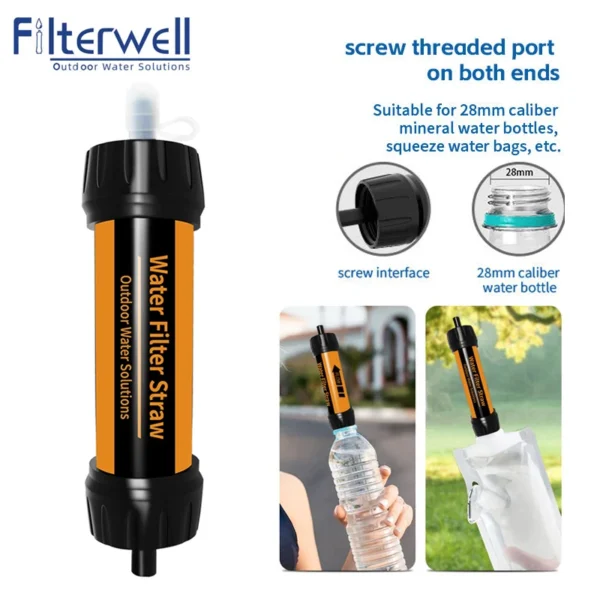
Ultimate Outdoor Water Filter Straw for Safe Hydration Adventures Rated 5.00 out of 5$17.21 – $18.21Price range: $17.21 through $18.21




Product Gallery
-
 VEVOR 550 lb Heavy-Duty Folding Wagon & Bench for Adventurers
$154.92 – $251.84Price range: $154.92 through $251.84
VEVOR 550 lb Heavy-Duty Folding Wagon & Bench for Adventurers
$154.92 – $251.84Price range: $154.92 through $251.84
-
BISINNA One-Touch Titanium Tent for 3-4 Campers, Adventure Ready Rated 4.36 out of 5
$310.92Original price was: $310.92.$216.70Current price is: $216.70. -
Airy Mesh Solo Hiking Tent - Lightweight & Mosquito-Proof Rated 4.71 out of 5
$89.10Original price was: $89.10.$62.10Current price is: $62.10.






 Camping Gear
 Camping Chair
 Camping Table
 Sleeping Bags
 Camping Bed
 Sleeping Gear
 Storage Bags
 BBQ Portable
 Camping Tents
 Gazebos
 Outdoor Cooler
 Cookware
 Power
Power Camping Light
 Flashlight
 Portable Solar
 Power Banks
 Fish Finders
 Fishing Bags
 Fishing Jerseys
 Fishing Reels
 Fishing Chairs
 Fishing Bait Boat
 Fishing Floats
 Hard Baits
 Hiking Vests
 Outdoor Bags
 Water Filters
 Paracord
 Walkie Talkie
 Paddleboards
 Boats
Boats Sea Scooter
 Accessories
 Electric Bike
 Electric Scooter
Recent Comments