

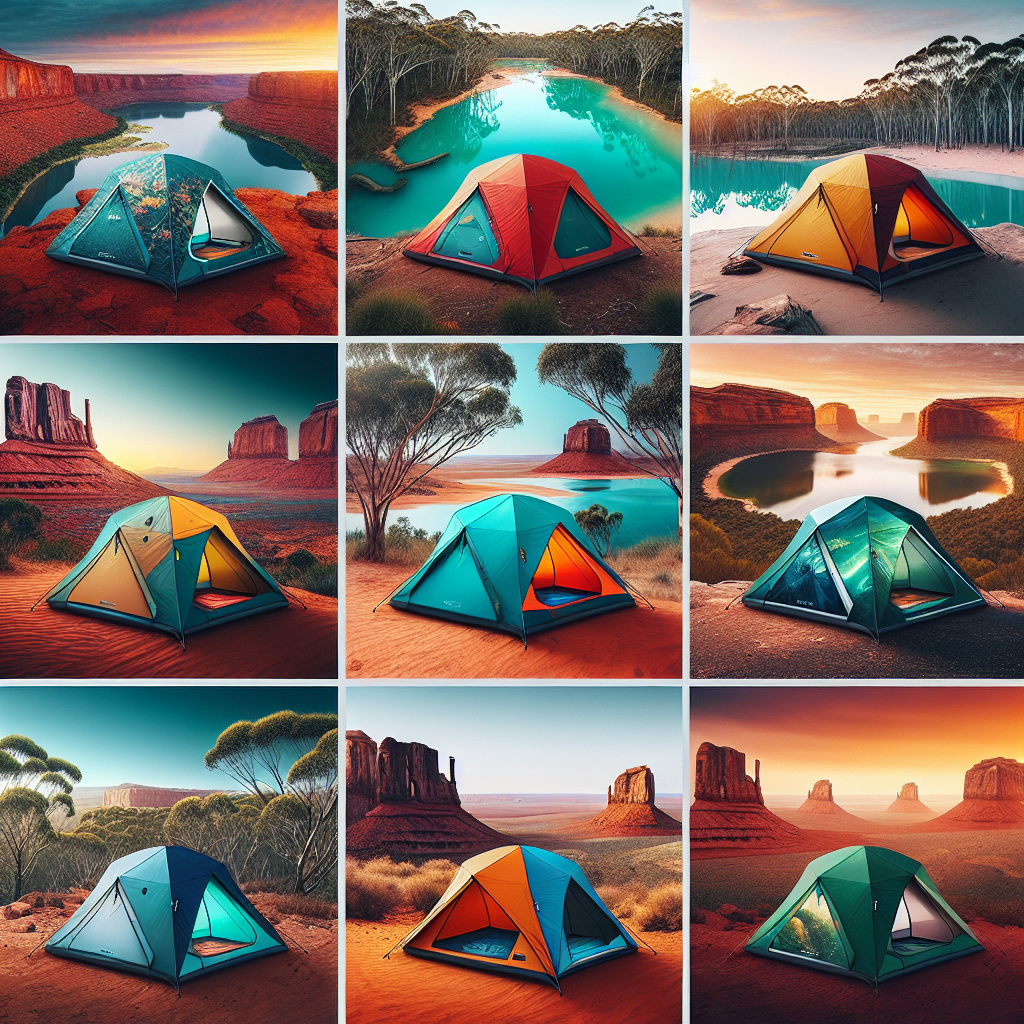

<h1>Solo Backpacking Tents: Top 10 Picks for Lightweight Travel</h1>
<p>So, you're hitting the trail solo? Awesome! There's something truly special about venturing into the wilderness on your own. But, let's be real, choosing the right gear can make or break your experience. And when it comes to solo backpacking, your tent is arguably the most crucial piece of equipment. It's your shelter, your sanctuary, your home away from home. That's why finding a lightweight, reliable, and comfortable solo tent is paramount.</p>
<p>In this guide, we're going to cover the top 10 solo backpacking tents currently making waves in the outdoor community. We'll delve into what makes them stand out, their pros and cons, and ultimately, help you decide which one is the perfect fit for <em>your</em> adventure. Ready to get started?</p>
<h2>Why Choose a Solo Backpacking Tent?</h2>
<p>Why go solo <em>and</em> use a specialized tent? Good question. A dedicated solo tent is designed with one person in mind. That means less weight, smaller pack size, and often, easier setup. Which, frankly, is precisely what you'll appreciate after a long day of hiking. But it's more than just weight; it's about efficiency. Think space optimized for one, straightforward design, and features tailored for the solo adventurer.</p>
<p>Consider this: you're out on the trail, the sun's dipping below the horizon, and you're tired. Do you want to wrestle with a complicated, heavy tent designed for multiple people? Or do you want to quickly pitch a lightweight shelter and get some much-needed rest? I think the answer is pretty obvious.</p>
<p>Now, let's talk about what makes a great solo tent.</p>
<h2>Key Features to Look For in a Solo Tent</h2>
<p>Alright, before we jump into the specific tent models, let's iron out what we should be looking for. What are the traits that really set a solo tent apart?</p>
<ul>

    <li><strong>Weight:</strong> This is mission-critical. Every ounce counts when you're carrying everything on your back. Aim for a tent under 3 pounds, ideally even lighter if you're a minimalist.</li>

    <li><strong>Pack Size:</strong> A bulky tent takes up valuable space in your pack. Look for a model that compresses down small and easily fits into your backpack.</li>

    <li><strong>Weather Resistance:</strong> Your tent needs to protect you from the elements. Check the waterproof rating (measured in millimeters) and look for features like a bathtub floor and taped seams.</li>

    <li><strong>Ease of Setup:</strong> After a long day of hiking, you want a tent that's quick and easy to pitch, even in the dark or in inclement weather.</li>

    <li><strong>Ventilation:</strong> Condensation can be a real problem in a tent, especially in humid conditions. Look for features like mesh panels and vents to promote airflow.</li>

    <li><strong>Durability:</strong> Your tent should be able to withstand the rigors of the trail. Look for quality materials like ripstop nylon and sturdy poles.</li>

    <li><strong>Space & Comfort:</strong> While it's a solo tent, you still want enough room to sit up, stretch out, and store your gear without feeling cramped.</li>

</ul>
<p>Of course, personal preference plays a role too. Some people prioritize maximum space, while others are willing to sacrifice comfort for a lighter load. It all depends on your individual needs and priorities. You know, like deciding if you really <em>need</em> that camp chair. (Hint: probably not.)</p>
<h2>Top 10 Solo Backpacking Tents: Our Picks</h2>
<p>Okay, you've been patient, and now's the moment. Let's get to the fun part: the tents!</p>
<h3>1. Zpacks Duplex Flex</h3>
<p>The Zpacks Duplex Flex is a favorite among serious thru-hikers and ultralight enthusiasts. And for good reason. It's insanely light, packs down incredibly small, and offers a surprising amount of space. This is a trekking pole tent, so there frame weight is non-existent.</p>
<ul>

    <li><strong>Weight:</strong> ~16.4 oz (depending on options)</li>

    <li><strong>Material:</strong> Dyneema Composite Fabric (DCF)</li>

    <li><strong>Pros:</strong> Extremely lightweight, spacious, excellent ventilation, durable.</li>

    <li><strong>Cons:</strong> Expensive, requires trekking poles for setup, can be challenging to pitch in windy conditions.</li>

</ul>
<p>What really sets the Duplex Flex apart is its use of Dyneema Composite Fabric (DCF). This stuff is incredibly strong and waterproof, yet weighs next to nothing. If you are serious about carrying the lightest load possible, Zpacks should be on your list.</p>
<h3>2. Big Agnes Copper Spur HV UL1</h3>
<p>A super popular tent for a broad spectrum of backpackers due to its balance of weight, usability, and durability.</p>
<ul>

    <li><strong>Weight:</strong> ~2 lbs 2 oz</li>

    <li><strong>Material:</strong> Silicone treated rip-stop nylon</li>

    <li><strong>Pros:</strong> Freestanding, relatively lightweight, easy to set up, good headroom.</li>

    <li><strong>Cons:</strong> Can be a bit cramped for taller individuals, price might be prohibitive for some.</li>

</ul>
<p>The Copper Spur HV UL1 is a true freestanding tent, meaning it can stand on its own without the need for stakes (although staking it out is still recommended for stability). The high volume design is fantastic. This equates to much more livable space than other tents in the category. Plus, Big Agnes is a brand known for quality and reliability.</p>
<h3>3. MSR Hubba Hubba NX</h3>
<p>Don't let the name fool you. This is a two-person tent, and there's a solo (one-person) version available, the MSR Hubba NX.</p>
<ul>

    <li><strong>Weight:</strong> ~2 lbs 7 oz</li>

    <li><strong>Material:</strong> 20D ripstop nylon 1200mm Durashield™ polyurethane & DWR</li>

    <li><strong>Pros:</strong> Freestanding, durable, easy to set up, good weather protection.</li>

    <li><strong>Cons:</strong> Heavier than some other options, smaller interior space.</li>

</ul>
<p>The MSR Hubba NX is a solid all-around performer. It's a bit heavier than some of the other tents on this list. It makes up for it with its durability and ease of use. It's also a great choice for beginners. It simply does everything that your need it to and keeps you dry!</p>
<h3>4. Nemo Hornet Elite OSMO 1P</h3>
<p>Nemo is a brand synonymous with innovation, and the Hornet Elite OSMO 1P is no exception. This tent pushes the boundaries of lightweight design while still providing a comfortable and functional shelter. The tent material is a blend of nylon and polyester threads. This creates a stronger material with a higher tear strength.</p>
<ul>

    <li><strong>Weight:</strong> ~1 lb 11 oz</li>

    <li><strong>Material:</strong> Nylon/Polyester blend</li>

    <li><strong>Pros:</strong> Ultralight, packs small, asymmetrical design maximizes space.</li>

    <li><strong>Cons:</strong> Not fully freestanding, requires careful staking, delicate fabrics.</li>

</ul>
<p>The Hornet Elite OSMO 1P is ideal for experienced backpackers who are willing to trade some durability for a lighter load. It's all about balancing those compromises!</p>
<h3>5. Sea to Summit Telos TR1</h3>
<p>Sea to Summit has made a splash in the tent market with the Telos TR1, offering a unique blend of space, ventilation, and durability. The tent poles are designed with a unique tension ridge, which dramatically increases the interior space.</p>
<ul>

    <li><strong>Weight:</strong> ~2 lbs 3 oz</li>

    <li><strong>Material:</strong> Nylon ripstop</li>

    <li><strong>Pros:</strong> Spacious interior, excellent ventilation, freestanding option.</li>

    <li><strong>Cons:</strong> Pricier than some competitors, can be overkill for minimalist trips.</li>

</ul>
<p>If you're looking for a tent that feels more like a comfortable room than a cramped shelter, the Sea to Summit Telos TR1 is worth considering. It's also got some clever design features like the "Lightbar," which allows you to hang your headlamp from the tent ceiling.</p>
<h3>6. Durston X-Mid 1P</h3>
<p>The Durston X-Mid 1P has been getting a lot of buzz in the backpacking community for its innovative design and unbeatable value. It is another Trekking pole tent. This also saves on weight when packing.</p>
<ul>

    <li><strong>Weight:</strong> ~28 oz</li>

    <li><strong>Material:</strong> 20D Silpoly</li>

    <li><strong>Pros:</strong> Affordable, spacious, excellent weather protection, easy to pitch.</li>

    <li><strong>Cons:</strong> Requires trekking poles for setup, may not be as durable as some higher-end options.</li>

</ul>
<p>What makes the X-Mid 1P so appealing is its combination of a generous interior space, solid weather resistance and affordable price point. It's a great choice for budget-conscious backpackers who don't want to compromise on performance. Let me explain: it's cheap but good!</p>
<h3>7. Six Moon Designs Lunar Solo</h3>
<p>Six Moon Designs is another brand that specializes in lightweight shelters. The Lunar Solo is one of their most popular models, offering a spacious and comfortable shelter at a reasonable price.</p>
<ul>

    <li><strong>Weight:</strong> ~26 oz</li>

    <li><strong>Material:</strong> 20D Silicone Coated Polyester</li>

    <li><strong>Pros:</strong> Lightweight, spacious, affordable, good ventilation.</li>

    <li><strong>Cons:</strong> Requires trekking poles for setup, can be condensation prone in humid conditions.</li>

</ul>
<p>It's designed with a single-wall construction, which helps to reduce weight, but can also lead to condensation buildup. However, the Lunar Solo is known for its excellent airflow, which helps to mitigate this issue. It's definitely a tent you need to look at to see if it meets your needs.</p>
<h3>8. Tarptent Notch Li</h3>
<p>Tarptent is a company that has been making high-quality, lightweight shelters for years, and the Notch Li is one of their most popular models. It's a hybrid double-wall tent, which means it offers the benefits of both single-wall and double-wall construction.</p>
<ul>

    <li><strong>Weight:</strong> ~17.9 oz</li>

    <li><strong>Material:</strong> Dyneema Composite Fabric (DCF)</li>

    <li><strong>Pros:</strong> Extremely lightweight, spacious, excellent ventilation, durable.</li>

    <li><strong>Cons:</strong> Expensive, requires trekking poles for setup, can be challenging to pitch in windy conditions.</li>

</ul>
<p>The Notch Li is a great choice for backpackers who want a lightweight tent that offers good weather protection and ventilation. It's relatively easy to set up and provides a comfortable living space for one person. That DCF is just unbeatable for ultralight loads!</p>
<h3>9. Gossamer Gear The One</h3>
<p>Gossamer Gear is well known in the ultralight backpacking world. It features an open floor design, which may not be suitable for areas with lots of bugs or inclement weather.</p>
<ul>

    <li><strong>Weight:</strong> ~17.7 oz</li>

    <li><strong>Material:</strong> Custom 7D Sil/PU Coated Ripstop Nylon</li>

    <li><strong>Pros:</strong> Extremely lightweight, spacious, affordable.</li>

    <li><strong>Cons:</strong> Open floor design, can be challenging to pitch in windy conditions.</li>

</ul>
<p>The One is another trekking pole tent and is spacious compared to others on the list because of it's peak height of 49". A great choice if you're in a dryer environment.</p>
<h3>10. REI Co-op Quarter Dome SL 1</h3>
<p>The REI Co-op Quarter Dome SL 1 is a solid choice and a familiar sight on trails across the country.</p>
<ul>

    <li><strong>Weight:</strong> ~2 lbs 5 oz</li>

    <li><strong>Material:</strong> 20D ripstop nylon</li>

    <li><strong>Pros:</strong> Freestanding, durable, easy to set up, good value.</li>

    <li><strong>Cons:</strong> Heavier than some other options, smaller interior space.</li>

</ul>
<p>The Quarter Dome SL 1 isn't the lightest or the most spacious tent on this list, but it's a reliable and well-made option that's backed by REI's excellent customer service. If you're unsure about which tent to choose, the Quarter Dome SL 1 is a safe bet. Also, because it's usually in stock at your local REI, you can go see it in person prior to buying, which can be a huge help.</p>
<h2>Choosing the Right Tent: Key Considerations</h2>
<p>Okay, now that you've seen our top picks, let's zoom out and talk about how to choose the right tent for <em>you</em>. Because, let's face it, there's no one-size-fits-all solution.</p>
<ul>

    <li><strong>Your Budget:</strong> Tents can range in price from relatively affordable to eye-wateringly expensive. Determine how much you're willing to spend before you start shopping.</li>

    <li><strong>Your Typical Trip Length:</strong> If you only go on occasional weekend trips, you might not need the most lightweight or durable tent. But if you're planning a multi-week thru-hike, investing in a high-quality shelter is a must.</li>

    <li><strong>Your Typical Climate:</strong> Are you primarily hiking in dry, arid conditions, or wet, mountainous terrain? Choose a tent that's appropriate for the weather you're likely to encounter.</li>

    <li><strong>Your Personal Preferences:</strong> Do you value space and comfort over weight savings? Do you prefer a freestanding tent or are you okay with using trekking poles for setup?</li>

</ul>
<p>Consider these factors carefully, and don't be afraid to read reviews and ask for recommendations from other backpackers. You know what they say: two heads are better than one! (Unless you're solo backpacking, in which case, maybe just read lots of reviews.)</p>
Caring for Your Solo Backpacking Tent
You’ve invested in a top-notch solo tent, so, yeah, you want to keep it in prime condition for as long as humanly possible. Here’s a no-nonsense rundown on how to keep your tent ticking.
Cleaning: After each trip, give your tent a good shake to remove any dirt, leaves, or debris. If it’s particularly dirty, wipe it down with a damp cloth and mild soap. Avoid harsh chemicals or detergents, as these can damage the fabric and waterproof coating.
Drying: Always make sure your tent is completely dry before storing it. Moisture can lead to mildew and other problems. Hang it up in a well-ventilated area or set it up in your backyard on a sunny day.
Storage: Store your tent loosely in a cool, dry place. Avoid compressing it too tightly, as this can damage the fabric and seams. Hang it up if you have the space, or store it in a large storage bag.
Repairs: Inspect your tent regularly for any signs of wear and tear, such as tears, holes, or damaged zippers. Repair any damage as soon as possible to prevent it from getting worse. Patch kits are your friend here!
Waterproofing: Over time, the waterproof coating on your tent can degrade. To restore its water resistance, you can apply a waterproofing treatment. Follow the manufacturer’s instructions carefully.
With proper care and maintenance, your solo backpacking tent can provide years of reliable service, keeping you safe and comfortable on your wilderness adventures. Honestly, a little TLC goes a long way!
<h2>Final Thoughts: Embrace the Solo Adventure</h2>
<p>Choosing the right solo backpacking tent might seem daunting with so many options available, but you should at least feel little more informed. Remember to consider your individual needs, preferences, and budget. A top-of-the-line tent won't be worth much if it doesn't suit your particular style of backpacking. But you knew that, didn't you?</p>
<p>Regardless of which tent you choose, the most important thing is to get out there and experience the joy and freedom of solo backpacking. Embrace the challenge, revel in the solitude, and connect with nature on a deeper level. The wilderness awaits!</p>
<p>Happy trails, and happy camping!</p>
<p><em>External Resources:</em></p>

<ul>

    <li><a href="https://www.rei.com/learn/expert-advice/backpacking-checklist.html" target="_blank" rel="noopener nofollow">REI Expert Advice: Backpacking Checklist</a></li>

    <li><a href="https://www.nps.gov/articles/leave-no-trace-seven-principles.htm" target="_blank" rel="noopener nofollow">National Park Service: Leave No Trace Principles</a></li>

</ul>
<h2>Frequently Asked Questions (FAQ)</h2>
<div class="faq-question">

    <strong>What is the ideal weight for a solo backpacking tent?</strong>

</div>

<div class="faq-answer">

    Ideally, a solo backpacking tent should weigh under 3 pounds. Ultralight options can weigh as little as 1 pound, but durability might be compromised.

</div>
<div class="faq-question">

    <strong>What does "freestanding" mean in the context of tents?</strong>

</div>

<div class="faq-answer">

    A freestanding tent can stand on its own without being staked to the ground. This makes it easier to set up on hard or uneven surfaces.

</div>
<div class="faq-question">

    <strong>What is a good waterproof rating for a backpacking tent?</strong>

</div>

<div class="faq-answer">

    Look for a tent with a waterproof rating of at least 1200mm for the rainfly and 3000mm for the floor. Higher ratings offer better protection in heavy rain.

</div>
<div class="faq-question">

    <strong>How important is ventilation in a solo tent?</strong>

</div>

<div class="faq-answer">

    Ventilation is crucial to prevent condensation buildup inside the tent. Look for features like mesh panels, vents, and a double-wall construction.

</div>
<div class="faq-question">

    <strong>Can I use a two-person tent for solo backpacking?</strong>

</div>

<div class="faq-answer">

    Yes, but it will be heavier and bulkier than a dedicated solo tent. If you prioritize space and comfort over weight savings, a two-person tent can be a viable option.

</div>
<div class="faq-question">

     <strong>Are trekking pole tents stable?</strong>

</div>

<div class="faq-answer">

    Yes, but they need to be pitched taut to provide stability. Choose one that is equipped with guylines to make it more structurally sound. Another added benefit is that since you have your poles you can use them to fix rips or reinforce weakenesses along the way

</div>
<div class="faq-question">

    <strong>How do I clean and store my backpacking tent?</strong>

</div>

<div class="faq-answer">

    Clean your tent with a damp cloth and mild soap, then let it dry completely before storing it loosely in a cool, dry place. Avoid storing it compressed for long periods.

</div>
<script>

/* Script to make the FAQ section functionable */

    document.addEventListener('DOMContentLoaded', function() {

        const questions = document.querySelectorAll('.faq-question');
questions.forEach(question => {

            question.addEventListener('click', function() {

                const answer = this.nextElementSibling;

                if (answer.style.display === 'block') {

                    answer.style.display = 'none';

                } else {

                    answer.style.display = 'block';

                }

            });

        });

    });

</script>
DISCLAIMER
Disclaimer: Backpacking and camping involve inherent risks. Always prioritize safety, be aware of weather conditions, and follow Leave No Trace principles. The recommendations in this article are based on general knowledge and personal experiences. The manufacturer is the best source for the most up-to-date information.
Categories
- Navigation & Safety (68)
- Shelter & Sleep (72)
Top rated products
-
 Ultimate AONIJIE Soft Flask 1000 ml/2000 ml with Water Filter Rated 5.00 out of 5
$41.58Original price was: $41.58.$28.98Current price is: $28.98. -
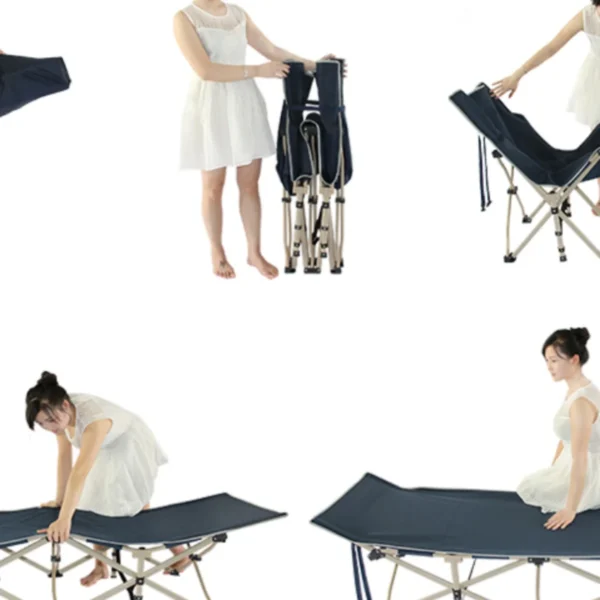
Portable Folding Bed for Office Naps & Outdoor Adventures Rated 5.00 out of 5$168.06 – $305.16Price range: $168.06 through $305.16
-
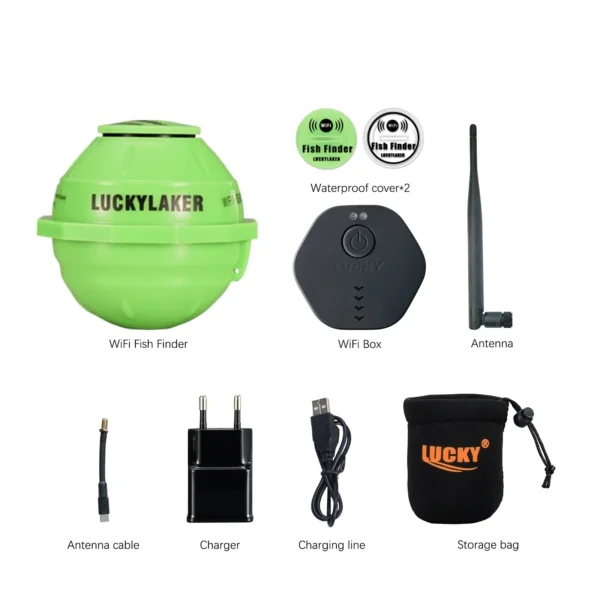
Revolutionize Your Fishing with Lucky Smart Wi-Fi Fish Finder Rated 5.00 out of 5
$197.75Original price was: $197.75.$137.82Current price is: $137.82.



Product Gallery
-
 Ultimate 2-3 Person Inflatable Kayak for Fishing Fun Rated 5.00 out of 5$1,081.72 – $1,095.09Price range: $1,081.72 through $1,095.09
 -
VEVOR 550 lb Heavy-Duty Folding Wagon & Bench for Adventurers
$155.14 – $252.20Price range: $155.14 through $252.20
-
BISINNA One-Touch Titanium Tent for 3-4 Campers, Adventure Ready Rated 4.36 out of 5
$311.78Original price was: $311.78.$217.30Current price is: $217.30.











 Camping Gear
 Camping Chair
 Camping Table
 Camping Bed
 Sleeping Gear
 Storage Bags
 BBQ Portable
 Sleeping Bags
 Camping Tents
 Gazebos
 Outdoor Cooler
 Cookware
 Power
Power Camping Light
 Flashlight
 Portable Solar
 Power Banks
 Fish Finders
 Fishing Bags
 Fishing Jerseys
 Fishing Reels
 Fishing Chairs
 Fishing Bait Boat
 Fishing Floats
 Hard Baits
 Hiking Vests
 Outdoor Bags
 Water Filters
 Paracord
 Walkie Talkie
 Paddleboards
 Boats
Boats Sea Scooter
 Accessories
 Electric Bike
 Electric Scooter
Recent Comments