



Solo backpacking trips are all about freedom, right? Just you, the trail, and the stars. But let’s be real, that feeling of independence can quickly vanish if you are wrestling with a tent that weighs as much as your backpack. That’s why finding the right ultra-light tent is crucial. It’s not just about saving weight; it’s about maximizing enjoyment. Think about it – less weight means more energy, which means you can go further, see more, and honestly, have a better time.
What Makes a Tent “Ultra-Light” Anyway?
So, what exactly qualifies a tent as “ultra-light?” Generally speaking, we’re talking about tents that weigh under 3 pounds (1.36 kilograms). But it’s not just about the weight on the scale. Construction materials, design features, and even the number of stakes included can significantly influence how manageable—and livable—a tent feels out on the trail. Now, the question that comes up often: are there compromises to be made to get this kind of weight reduction? Yes, absolutely. You might see thinner fabrics, simpler designs, and a reduction in overall space, but trust me, the trade-off is often worth it.
Why Solo Backpacking Tents Differ
Solo tents are, as you might expect, designed for a single occupant. What sets them apart from larger tents, though, is their focus on minimizing weight and pack size. You typically see a more streamlined approach to design – think single-pole construction, tapered footprints, and an emphasis on efficient use of materials. Unlike tents meant for couples or groups, solo tents aren’t usually designed for lounging around or hosting game night (unless you are a really impressive solo player). They’re built for sleeping, sheltering from the elements, and getting you back on the trail as quickly as possible.
Top 10 Ultra-Light Backpacking Tents for Your Consideration
Alright, let’s get into the good stuff! Here’s a curated list of some top contenders in the ultra-light solo backpacking tent category. I’ve included a mix of price points, features, and design philosophies to give you a well-rounded perspective.
1. Zpacks Duplex Flex
Zpacks is a name synonymous with ultra-light. The Duplex Flex is a tent, yeah, but it’s more of a shelter designed for maximum weight savings using Dyneema Composite Fabric (DCF). This stuff is incredibly strong and waterproof. As a trekking pole tent, it saves weight and reduces packed size.
Key Features:
- Weight: ~19.8 ounces (562 grams)
- Material: Dyneema Composite Fabric
- Type: Trekking pole tent
- Pros: Incredibly lightweight, spacious for one, excellent weather protection
- Cons: High price point, requires familiarity with trekking pole setup
2. Big Agnes Copper Spur HV UL1
Big Agnes has really struck a chord with the Copper Spur HV UL1. It’s a freestanding tent that manages to balance weight, space, and durability exceptionally well. It’s a favorite among backpackers who want a bit more room without sacrificing pack weight.
 <p><b>Key Features:</b></p>

 <ul>

    <li><b>Weight:</b> ~2 pounds 2 ounces (964 grams)</li>

    <li><b>Material:</b> Silicone-treated nylon ripstop</li>

    <li><b>Type:</b> Freestanding</li>

    <li><b>Pros:</b> Good balance of weight and space, durable construction, easy setup</li>

    <li><b>Cons:</b> A bit heavier than some DCF options</li>

 </ul>
3. Six Moon Designs Lunar Solo
The Lunar Solo by Six Moon Designs might just be the sweet spot for budget-conscious backpackers looking for a roomy shelter. It sacrifices some weight savings compared to the high-end DCF offerings, but it delivers a lot of bang for your buck with its generous interior space. The single-wall construction keeps the weight down while the large mesh door offers great ventilation. And at around $300 retail, its hard to go wrong!
 <p><b>Key Features:</b></p>

 <ul>

    <li><b>Weight:</b> ~26 ounces (737 grams)</li>

    <li><b>Material:</b> 20D silicone coated nylon</li>

    <li><b>Type:</b> Trekking pole tent</li>

    <li><b>Pros:</b> Affordable, spacious, good ventilation</li>

    <li><b>Cons:</b> Single-wall construction can lead to condensation in humid conditions</li>

 </ul>
4. Nemo Hornet Elite OSMO 1P
Nemo makes some pretty cool gear, and their Hornet Elite OSMO 1P tent is a solid choice for those who are all about saving weight. It’s a semi-freestanding tent, meaning it requires a stake or two to pitch properly, but it’s still relatively easy to set up. Speaking of saving weight, the Hornet Elite is almost too fragile for some. It really comes down to where you are going and the types of terrain this tent will make contact with.
 <p><b>Key Features:</b></p>

 <ul>

    <li><b>Weight:</b> ~1 pound 8 ounces (680 grams)</li>

    <li><b>Material:</b> Nylon ripstop/No-See-Um mesh</li>

    <li><b>Type:</b> Semi-freestanding</li>

    <li><b>Pros:</b> Very lightweight, decent weather protection, easy setup</li>

    <li><b>Cons:</b> Can feel a bit cramped, requires careful site selection due to lightweight materials</li>

 </ul>
5. Gossamer Gear The One
Gossamer Gear focuses on minimalism, and The One tent embodies that philosophy perfectly. It’s a single-wall, trekking pole supported tent that’s ideal for experienced minimalists. The One has a solid reputation for being well-designed and thought out.
 <p><b>Key Features:</b></p>

 <ul>

    <li><b>Weight:</b> ~17.7 ounces (502 grams)</li>

    <li><b>Material:</b> SilNylon</li>

    <li><b>Type:</b> Trekking pole tent</li>

    <li><b>Pros:</b> Super light, compact, good ventilation</li>

    <li><b>Cons:</b> Limited headroom, single-wall design requires management of condensation</li>

 </ul>
6. Durston Gear X-Mid 1P
Dan Durston really shook things up with the X-Mid 1P which is known for its innovative design. It offers a surprisingly spacious interior with dual doors and vestibules, making it feel less claustrophobic than some other solo tents. The unique geometry also helps it shed wind and rain effectively.
 <p><b>Key Features:</b></p>

 <ul>

    <li><b>Weight:</b> ~28.2 ounces (800 grams)</li>

    <li><b>Material:</b> 20D Silpoly</li>

    <li><b>Type:</b> Trekking pole tent</li>

    <li><b>Pros:</b> Spacious interior, dual doors, excellent stability</li>

    <li><b>Cons:</b> Requires trekking poles for setup</li>

 </ul>
7. Sea to Summit Telos TR1
Sea to Summit brings its design expertise to the Telos TR1 tent, which features a unique Tension Ridge architecture. This feature maximizes interior space and improves ventilation, making it a standout option for comfort. The Telos is certainly one of the most luxurious feeling backpacking tents with its high ceilings and crossbar.
 <p><b>Key Features:</b></p>

 <ul>

    <li><b>Weight:</b> ~2 pounds 4.5 ounces (1035 grams)</li>

    <li><b>Material:</b> Nylon ripstop/polyester mesh</li>

    <li><b>Type:</b> Semi-freestanding</li>

    <li><b>Pros:</b> Spacious interior, excellent ventilation, versatile setup options</li>

    <li><b>Cons:</b> Heavier than some ultra-light options</li>

 </ul>
8. Tarptent Notch Li
Tarptent has a reputation for building bombroof shelters, and the Notch Li is no exception. This double-wall tent provides solid protection from the elements while still keeping the weight impressively low. The Notch Li is basically a do-it-all shelter for any kind of backpacking trip.
 <p><b>Key Features:</b></p>

 <ul>

    <li><b>Weight:</b> ~16.9 ounces (480 grams)</li>

    <li><b>Material:</b> Dyneema Composite Fabric</li>

    <li><b>Type:</b> Trekking pole tent</li>

    <li><b>Pros:</b> Lightweight, excellent weather protection, double-wall construction</li>

    <li><b>Cons:</b> Can be challenging to set up perfectly</li>

 </ul>
9. MSR Hubba Hubba NX Solo
We have here a tent with a familiar name: the MSR Hubba Hubba NX Solo. It is a classic that offers a balance of weight, durability, and ease of use. It’s a great entry-level option for backpackers who are new to ultra-light gear.
 <p><b>Key Features:</b></p>

 <ul>

    <li><b>Weight:</b> ~2 pounds 3 ounces (990 grams)</li>

    <li><b>Material:</b> Silicone-coated nylon ripstop</li>

    <li><b>Type:</b> Freestanding</li>

    <li><b>Pros:</b> Easy setup, durable, good balance of weight and space</li>

    <li><b>Cons:</b> A bit heavier than more specialized ultra-light tents</li>

 </ul>
10. Yama Mountain Gear Cirriform DW 1P
Last, but certainly not least, the Yama Mountain Gear Cirriform DW 1P. This tent stands out with its unique design and high-quality craftsmanship. It combines the benefits of a single-wall and double-wall tent. The Cirriform is a great option for those who want excellent ventilation and weather protection. This tent is bombproof!
 <p><b>Key Features:</b></p>

 <ul>

    <li><b>Weight:</b> ~24 ounces (680 grams)</li>

    <li><b>Material:</b> Silpoly</li>

    <li><b>Type:</b> Trekking pole tent</li>

    <li><b>Pros:</b> Excellent ventilation, weather protection, unique design</li>

    <li><b>Cons:</b> Requires trekking poles and some practice to set up</li>

 </ul>
Choosing the Right Tent: What to Consider
Okay, so you’ve seen some great tents, but how do you actually pick the *right* one for *you*? There are a few key factors to keep in mind. Weight, obviously, is a big one, but it shouldn’t be the *only* factor. It’s about finding the right balance. For example, are you heading to a place that is wet? Will the weather be windy? Or are you going somewhere warm and dry?
Weather Conditions
Where you plan to camp dictates the kind of protection you’ll need. For wet climates, you absolutely need a tent with excellent waterproofing and a bathtub floor (where the floor extends up the sides a bit to prevent water from seeping in). For windy conditions, look for a tent with a low profile and durable construction. If you’re camping in hot, dry areas, ventilation is key to prevent condensation buildup.
Tent Type
There are three main types of ultra-light tents: freestanding, semi-freestanding, and trekking pole tents. Freestanding tents are easy to set up and can be moved around easily. Semi-freestanding tents require a few stakes. Trekking pole tents require trekking poles for setup, saving some weight but requiring you to carry poles.
Material Matters
The material of your tent affects its weight, durability, and waterproofing. Dyneema Composite Fabric (DCF) is the lightest and strongest material, but it’s also the most expensive. Silicone-treated nylon ripstop is a good balance of weight, durability, and price. Polyester is more resistant to UV degradation than nylon, making it a good choice for extended trips in sunny environments.
There are also other factors to consider: budget, packability, ease of setup, single vs double wall construction, and floor space that you require. You really need to consider what you need, what you are doing, and where you are going to make a purchase.
So, what are you waiting for? Go pick out a tent and start planning your trip!
FAQ Section
Alright, let’s tackle some of those burning questions you probably have.
Tents made from Dyneema Composite Fabric (DCF) are generally the lightest. Depending on the design, some can dip below 1 pound.
Look for tents specifically designed for one person. Consider the floor area and peak height to ensure you have enough room to sit up and move around comfortably.
It depends on your needs. Freestanding tents are easier to set up, but trekking pole tents are lighter since they eliminate the need for tent poles.
Ventilation is crucial to minimize condensation. Look for tents with mesh panels and vents, especially if you’re camping in humid conditions.
Dyneema Composite Fabric (DCF) is the lightest and most waterproof. Silicone-treated nylon ripstop offers a good balance of weight and durability, but you can’t go wrong with Silpoly!
Always clean and dry your tent before storing it. Avoid prolonged exposure to the sun, and use a footprint to protect the floor from abrasion.
Yes, but keep in mind it will be heavier and bulkier than a 1-person tent. If you value extra space and don’t mind the added weight, it can be a comfortable option.
DISCLAIMER
This article provides general information about ultra-light backpacking tents. Backpacking and camping involve inherent risks, including but not limited to weather hazards, wildlife encounters, and physical exertion. Always practice Leave No Trace principles, and prioritize safety and preparedness on your outdoor adventures. Consult with experienced backpackers, park rangers, and medical professionals for personalized advice and safety guidance.
Categories
- Navigation & Safety (68)
- Shelter & Sleep (72)
Top rated products
-
 Ultimate AONIJIE Soft Flask 1000 ml/2000 ml with Water Filter Rated 5.00 out of 5
$41.58Original price was: $41.58.$28.98Current price is: $28.98. -
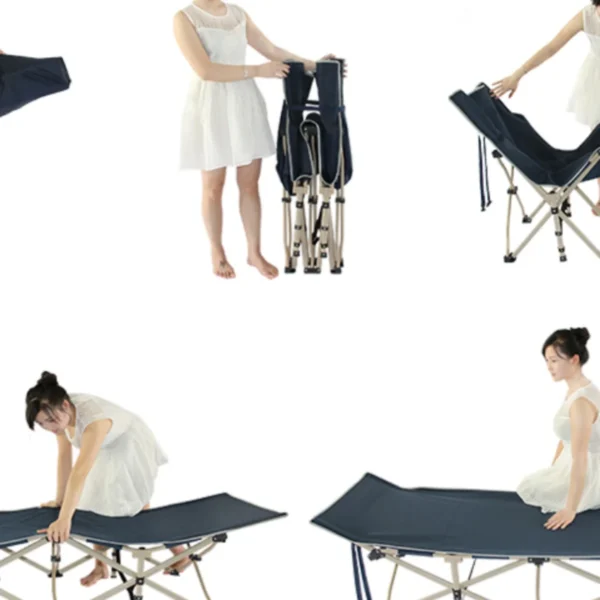
Portable Folding Bed for Office Naps & Outdoor Adventures Rated 5.00 out of 5$168.06 – $305.16Price range: $168.06 through $305.16
-
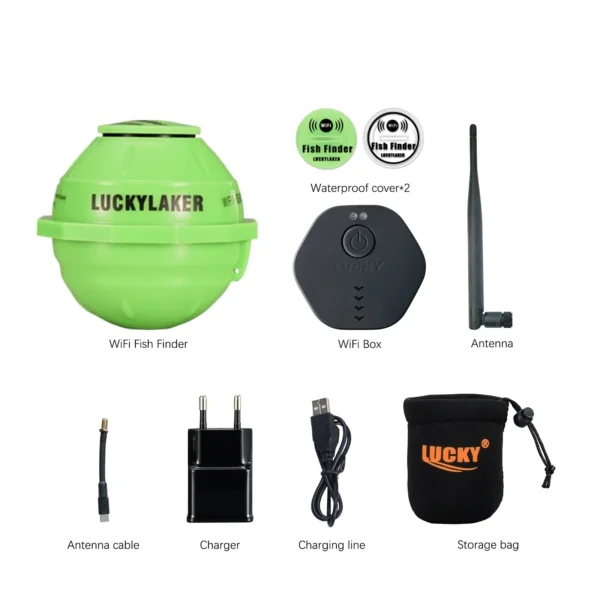
Revolutionize Your Fishing with Lucky Smart Wi-Fi Fish Finder Rated 5.00 out of 5
$197.75Original price was: $197.75.$137.82Current price is: $137.82.



Product Gallery
-
 Ultimate 2-3 Person Inflatable Kayak for Fishing Fun Rated 5.00 out of 5$1,081.72 – $1,095.09Price range: $1,081.72 through $1,095.09
 -
VEVOR 550 lb Heavy-Duty Folding Wagon & Bench for Adventurers
$155.14 – $252.20Price range: $155.14 through $252.20
-
BISINNA One-Touch Titanium Tent for 3-4 Campers, Adventure Ready Rated 4.36 out of 5
$311.78Original price was: $311.78.$217.30Current price is: $217.30.











 Camping Gear
 Camping Chair
 Camping Table
 Camping Bed
 Sleeping Gear
 Storage Bags
 BBQ Portable
 Sleeping Bags
 Camping Tents
 Gazebos
 Outdoor Cooler
 Cookware
 Power
Power Camping Light
 Flashlight
 Portable Solar
 Power Banks
 Fish Finders
 Fishing Bags
 Fishing Jerseys
 Fishing Reels
 Fishing Chairs
 Fishing Bait Boat
 Fishing Floats
 Hard Baits
 Hiking Vests
 Outdoor Bags
 Water Filters
 Paracord
 Walkie Talkie
 Paddleboards
 Boats
Boats Sea Scooter
 Accessories
 Electric Bike
 Electric Scooter
Recent Comments