

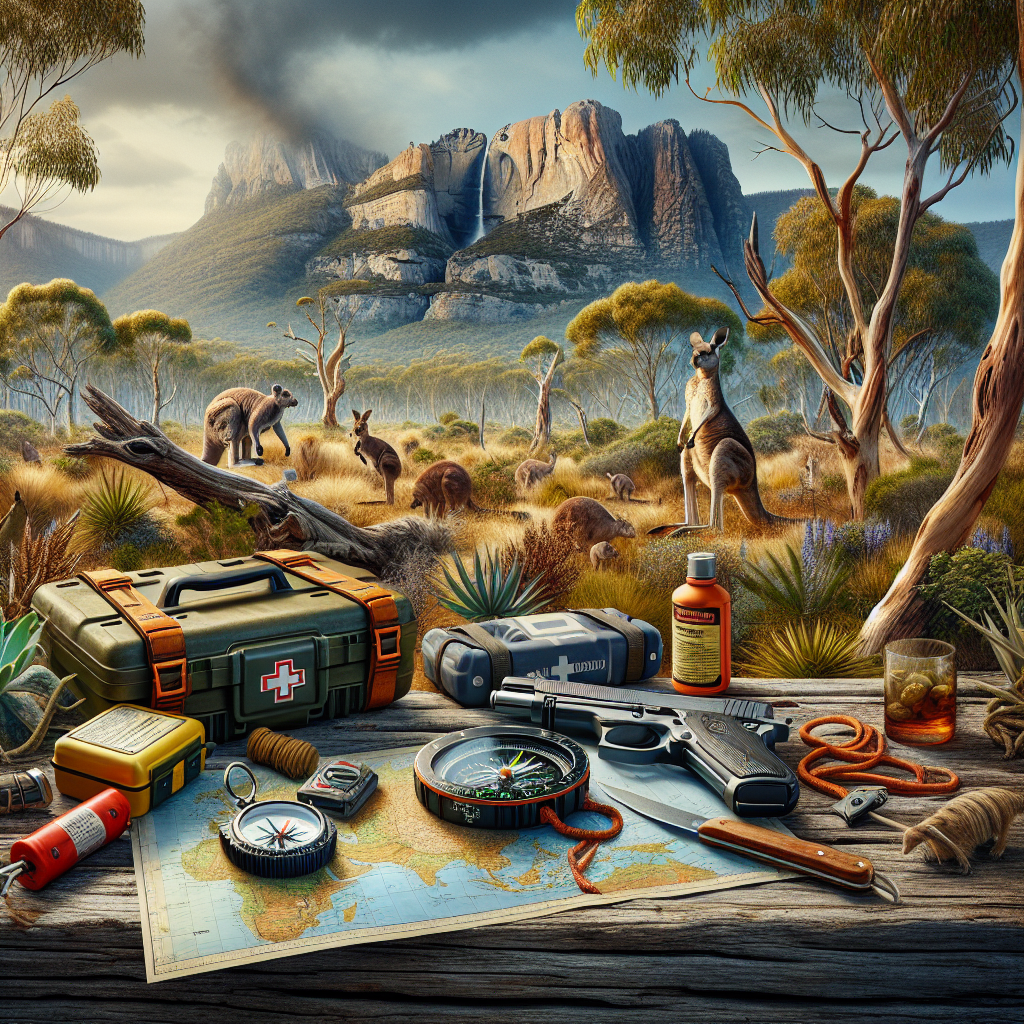

Camping: it’s more than pitching a tent and roasting marshmallows. It’s about connecting with nature, challenging yourself, and creating lasting memories. But here’s the reality: a successful camping trip hinges on practical skills. No matter how fancy your gear is, if you don’t know how to navigate, build a fire in the rain, or treat a blister, you’re setting yourself up for a potentially miserable – or even dangerous – experience. So, let’s get practical. Shall we?
Navigation Skills: Finding Your Way Without Getting Lost
Getting lost is a camper’s worst nightmare, right? But it doesn’t have to be. Navigation isn’t just about using a GPS device; it’s a holistic skillset that includes map reading, compass work, and even understanding natural cues. Think of it as building layers of redundancy – because electronics can fail, batteries can die, and frankly, sometimes you just want to unplug.
The Art of Map Reading
Maps are more than just colorful pieces of paper; they’re representations of the landscape, waiting to be decoded. Ever tried unfolding a map in a windstorm? It’s an Olympic sport in itself! But seriously, understanding topographical maps is crucial. Contours lines, elevation changes, symbols representing trails, water sources, and landmarks – each element tells a story. And you need to know how to read that story.
- Understanding Topographical Maps: Contour lines show elevation. The closer the lines, the steeper the terrain. Get familiar with common symbols used to represent different features.
- Orienting Your Map: This means aligning your map with the actual landscape. Use a compass to find north on your map and match it to the north in your surroundings.
- Relating the Map to Your Surroundings: Identify landmarks on your map (peaks, rivers, lakes) and then find those same landmarks in the real world. This is how you confirm your location and direction.
Compass Mastery: More Than Just Pointing North
A compass is a simple, yet incredibly powerful tool. But you’d be surprised how many people carry one without truly knowing how to use it! It’s not just about knowing which way is north; it’s about taking bearings, compensating for declination, and navigating accurately across varied terrain.
- Understanding Declination: Magnetic north isn’t the same as true north. Declination is the difference between the two, and it varies depending on your location. You have to adjust your compass readings to compensate for declination to get accurate bearings. This is more important than many realize!
- Taking a Bearing: A bearing is the direction from your current location to a destination. Use your compass to take a bearing to your destination from your map.
- Following a Bearing: Once you have a bearing, follow it! Keep the compass needle aligned with the north mark, and walk in that direction. Easy to say, harder to do when you hit thick brush or steep inclines.
GPS Devices: A Helping Hand, Not a Crutch
GPS devices are fantastic. They show you exactly where you are. What’s not to love? But solely relying on them is risky. Batteries die, signals get lost, and devices break. Treat your GPS as a helpful tool, but not the only tool. Learn how to download maps for offline use, and always carry a map and compass as backup. Plus, knowing how to navigate the old-fashioned way is seriously rewarding.
- Pre-Planning with Digital Maps: Before you go, download detailed maps of your route onto your GPS device. This allows you to navigate even without a cell signal.
- Using Waypoints: Mark important locations like campsites, water sources, and trail junctions as waypoints on your GPS.
- Conserving Battery Life: GPS devices can drain batteries quickly. Carry extra batteries, use power-saving modes, and turn off the device when you don’t need it. Consider a solar charger for longer trips.
Fire Starting Skills: Warmth, Light, and Cooking
Building a fire is a fundamental camping skill. It provides warmth, light, a way to cook food, and can even boost morale. But let’s be honest, starting a fire in wet conditions can be frustrating. It’s one of those skills that separates the weekend warriors from the experienced outdoorsmen. So, how do you master the art of fire starting?
Gathering and Preparing Tinder, Kindling, and Fuel Wood
The secret to a successful fire lies in collecting the right materials. Tinder, kindling, and fuel wood each play a specific role. Tinder is easy to ignite (think dry leaves, bird nests, cotton balls soaked in petroleum jelly). Kindling is small, dry twigs that catch fire easily from the tinder. And fuel wood is larger pieces of wood that sustain the fire.
- Identifying Tinder: Look for dry, easily combustible materials like birch bark, pine needles, dry grass, and cottonwood fluff. Pro-tip: carry some emergency tinder like cotton balls soaked in petroleum jelly in a waterproof bag.
- Collecting Kindling: Gather small, dry twigs, gradually increasing in size. The key is to find wood that snaps easily and doesn’t bend.
- Sourcing Fuel Wood: Collect larger pieces of dry wood. Dead branches still attached to trees are often drier than wood lying on the ground. Remember to be respectful of the environment and only gather dead and downed wood.
Mastering Different Fire-Starting Methods
Matches are reliable, but what if they get wet? A lighter is convenient, but what if it runs out of fuel? Knowing multiple fire-starting methods gives you options. Ferro rods, magnifying glasses, and even friction-based methods (like a bow drill) can save the day.
- Matches and Lighters: Keep matches in a waterproof container. Lighters are convenient, but carry a backup.
- Ferro Rods: A ferro rod creates sparks when struck with a metal striker. They work even when wet, making them a reliable option. Practice using a ferro rod before your trip!
- Magnifying Glass: On a sunny day, a magnifying glass can focus sunlight to ignite tinder.
Building Different Fire Structures for Different Purposes
The type of fire structure you build affects how it burns. A teepee fire is good for quick, hot flames (ideal for boiling water). A log cabin fire burns longer and provides more consistent heat (great for cooking). A lean-to fire reflects heat and is useful for warmth.
- Teepee Fire: Arrange tinder in a small mound and then build a cone of kindling around it, leaving an opening for airflow. As the kindling catches fire, gradually add larger pieces of fuel wood.
- Log Cabin Fire: Create a square or rectangle of fuel wood, with the logs stacked on top of each other. Place tinder and kindling in the center of the structure. This type of fire burns slowly and provides consistent heat.
- Lean-To Fire: Place a large piece of fuel wood on the ground at an angle. Place tinder and kindling underneath the angled wood, and then lean smaller pieces of wood against it. This creates a fire that reflects heat.
Let me explain something. Mastering fire-starting takes practice. Don’t wait until you’re in a survival situation to learn. Practice in your backyard! Experiment with different tinder, kindling, and fire structures. The more you practice, the more confident you’ll be.
Shelter Building Skills: Protection from the Elements
Shelter is critical for survival. It protects you from the elements (rain, wind, sun, cold) and helps prevent hypothermia and heatstroke. You don’t always need a fancy tent. Knowing how to build a basic shelter using natural materials can be a lifesaver. Honestly, it’s a rewarding skill too.
Identifying Suitable Locations for Shelters
Location is everything. Avoid building shelters in low-lying areas that are prone to flooding. Stay away from areas with dead trees that could fall. Choose a spot that’s sheltered from the wind, but also has access to sunlight (if you need to dry out). Think like a scout!
- Avoiding Hazards: Look out for potential hazards like falling trees, rockslides, and unstable ground.
- Finding Natural Protection: Use natural features like rock overhangs, dense vegetation, and fallen logs to your advantage.
- Considering Water Sources: Build your shelter near a water source, but not so close that you’re at risk of flooding.
Constructing Basic Emergency Shelters
A lean-to shelter is one of the simplest and most effective emergency shelters. It provides protection from rain and wind. A debris hut offers more insulation from the cold. Knowing how to build both is a smart move.
- Lean-To Shelter: Lean a large branch against a tree or rock. Then, lean smaller branches against the main branch to create a frame. Cover the frame with leaves, pine needles, and other debris to create a waterproof barrier.
- Debris Hut: Create a frame using branches. Then, pile leaves, pine needles, and other debris around the frame to create an insulated shelter. The thicker the debris layer, the warmer the shelter will be.
Using Tarps and Other Materials for Shelter
A tarp is a versatile piece of gear that can be used to create a variety of shelters. You can pitch it as an A-frame, a lean-to, or a simple ground cover. Emergency blankets can also provide crucial warmth in survival situations. Remember space blankets? Those shiny things reflect body heat and can make a huge difference.
- A-Frame Shelter: Tie the corners of the tarp to trees or branches to create an A-frame shape.
- Lean-To Shelter: Tie one side of the tarp to a tree or branch and stake the other side to the ground to create a lean-to.
- Emergency Blankets: Wrap yourself in an emergency blanket to retain body heat.
First Aid and Emergency Skills: Preparing for the Unexpected
Accidents happen. It’s part of being outdoors. Knowing basic first aid and emergency skills can make a huge difference in the outcome. Think of it as being prepared for the unexpected plot twist in your camping adventure story. It’s better to know it and not need it, than to need it and not know it. Right?
Basic First Aid Techniques for Common Injuries
Cuts, burns, sprains, insect bites – these are common occurrences while camping. Knowing how to clean and bandage a wound, treat a burn, splint a sprain, and manage allergic reactions is essential.
- Wound Care: Clean the wound with soap and water. Apply antibiotic ointment and cover with a bandage.
- Burn Treatment: Cool the burn with cold water. Apply a sterile dressing.
- Sprain Management: Rest, ice, compression, and elevation (RICE).
- Allergic Reactions: Use an antihistamine for mild reactions. For severe reactions (anaphylaxis), use an epinephrine auto-injector (EpiPen) if available.
Recognizing and Treating Hypothermia and Heatstroke
Hypothermia (dangerously low body temperature) and heatstroke (dangerously high body temperature) are serious conditions that can be life-threatening. Knowing how to recognize the symptoms and provide appropriate treatment is crucial.
- Hypothermia: Symptoms include shivering, confusion, slurred speech, and loss of coordination. Treatment includes getting the person out of the cold, removing wet clothing, and warming them with blankets and warm drinks.
- Heatstroke: Symptoms include headache, dizziness, nausea, confusion, and hot, dry skin. Treatment includes cooling the person down with water and shade, and seeking medical attention.
Creating a Comprehensive First-Aid Kit
A well-stocked first-aid kit is a must-have for any camping trip. But simply having a kit isn’t enough; you need to know what’s in it and how to use it. The contents should be tailored to the specific risks of your trip. And, importantly, check the expiration dates on medications regularly.
- Essentials: Bandages, antiseptic wipes, pain relievers, antihistamines, blister treatment, gauze pads, medical tape, tweezers, scissors, gloves.
- Considerations: Include any personal medications, as well as items specific to your destination (e.g., insect repellent for areas with mosquitoes, sunscreen).
- Knowledge is Key: Take a wilderness first-aid course to learn how to use the items in your kit effectively.
Camp Cooking and Food Safety Skills: Fueling Your Adventure
Camp cooking doesn’t have to be limited to hot dogs and s’mores. With a little planning and some basic skills, you can enjoy delicious and nutritious meals in the great outdoors. But food safety is paramount. No one wants to spend their camping trip battling food poisoning. Honestly, a bad stomach can put a real damper on things.
Planning Nutritious and Lightweight Meals
Think about meals that are easy to prepare, require minimal cooking time, and are packed with energy. Dehydrated meals, oatmeal, nuts, dried fruit, and energy bars are good options. Plan your meals in advance and pre-pack ingredients to save time and space.
- Dehydrated Meals: Lightweight and easy to prepare – just add water.
- Oatmeal: A quick and nutritious breakfast.
- Nuts and Dried Fruit: High in calories and easy to pack.
- Energy Bars: Convenient for quick energy boosts on the trail.
Using Different Cooking Methods and Equipment
Camp stoves are convenient for cooking a variety of meals. Campfires are great for roasting food and boiling water, but require more skill and attention. Dutch ovens are versatile for baking, roasting, and stewing.
- Camp Stoves: Easy to use and provide precise heat control.
- Campfires: A traditional cooking method, but requires careful management.
- Dutch Ovens: Versatile for cooking a wide range of dishes.
Practicing Proper Food Storage and Hygiene
Food should be stored properly to prevent spoilage and keep animals away. Use airtight containers, hang food from trees (bear bagging), or use bear-resistant canisters. Wash your hands frequently with soap and water, especially before preparing food.
- Airtight Containers: Prevent food from spoiling and attracting pests.
- Bear Bagging: Hang food from a tree branch, at least 10 feet off the ground and 4 feet from the trunk.
- Bear-Resistant Canisters: A more secure way to store food in bear country.
- Hand Hygiene: Wash your hands frequently with soap and water to prevent the spread of bacteria.
Leave No Trace Principles: Protecting Our Natural Spaces
Camping comes with a responsibility: to protect the environment and minimize our impact on natural spaces. The Leave No Trace principles provide a framework for ethical outdoor recreation. It is about ensuring that those who come after us can enjoy the same pristine environments that we get to enjoy.
Planning Ahead and Preparing
Know the regulations and special concerns for the area you’ll be visiting. Pack out everything you pack in. Repackage food to minimize waste. Use durable and reusable equipment.
Traveling and Camping on Durable Surfaces
Stick to established trails and campsites. Avoid trampling vegetation. Camp at least 200 feet from water sources.
Disposing of Waste Properly
Pack out all trash, including food scraps and toilet paper. Dig a cathole 6-8 inches deep for human waste and cover it after use. Carry out solid human waste in designated areas.
Minimizing Campfire Impacts
Use a camp stove for cooking whenever possible. If you build a campfire, keep it small and contained. Burn all wood and coals to ash, and pack out the ashes.
Respecting Wildlife
Observe wildlife from a distance. Never feed animals. Store food properly to prevent attracting animals to your campsite.
Being Considerate of Other Visitors
Respect the quiet of nature. Avoid making excessive noise. Let nature’s sounds prevail.
Camping is an incredible way to experience the natural world. By mastering practical skills and following Leave No Trace principles, you can ensure your trips are safe, enjoyable, and sustainable. So get out there, explore, and adventure responsibly!
FAQ Section
What are the most important navigation skills for camping?
How can I start a fire in wet conditions?
What are the key items to include in a camping first-aid kit?
How do I protect my food from bears while camping?
What are the Leave No Trace principles, and why are they important?
What should I do if I get lost while camping?
How can I stay warm in my tent during cold weather?
DISCLAIMER
Camping and outdoor activities can be inherently dangerous. This article provides general information and advice, but it is not a substitute for professional training and experience. Always assess your own skills and abilities, research your destination thoroughly, and take appropriate precautions. The author and publisher are not responsible for any injuries, damages, or losses that may occur as a result of using the information presented in this article. Be sure to advise readers to check the weather. And always test the condition of their equipment. It is better to be absolutely sure, than very sorry.
Categories
- Navigation & Safety (68)
- Shelter & Sleep (72)
Top rated products
-
 Vibrant 500 GSM Waterproof PVC Tarp for All Weather Adventures Rated 5.00 out of 5$72.67 – $636.99Price range: $72.67 through $636.99
 -
Ultralight Camping Cookware Set - Adventure-Ready Kitchenware Rated 5.00 out of 5$59.58 – $97.18Price range: $59.58 through $97.18
-
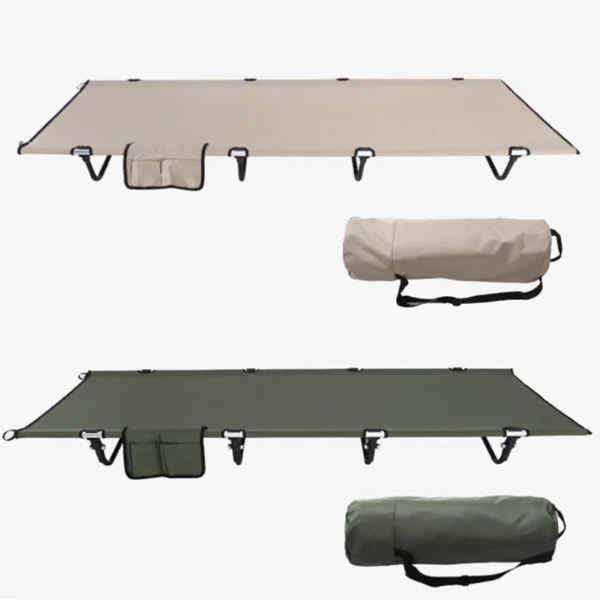
Ultralight 150 kg Camping Cot: Compact, Widened Comfort Bed Rated 5.00 out of 5
$86.18Original price was: $86.18.$60.07Current price is: $60.07.




Product Gallery
-
 VEVOR 550 lb Heavy-Duty Folding Wagon & Bench for Adventurers
$154.27 – $250.78Price range: $154.27 through $250.78
VEVOR 550 lb Heavy-Duty Folding Wagon & Bench for Adventurers
$154.27 – $250.78Price range: $154.27 through $250.78
-
BISINNA One-Touch Titanium Tent for 3-4 Campers, Adventure Ready Rated 4.36 out of 5
$310.23Original price was: $310.23.$216.22Current price is: $216.22. -
Airy Mesh Solo Hiking Tent - Lightweight & Mosquito-Proof Rated 4.71 out of 5
$88.89Original price was: $88.89.$61.95Current price is: $61.95.











 Camping Gear
 Camping Chair
 Camping Table
 Sleeping Bags
 Camping Bed
 Sleeping Gear
 Storage Bags
 BBQ Portable
 Camping Tents
 Gazebos
 Outdoor Cooler
 Cookware
 Power
Power Camping Light
 Flashlight
 Portable Solar
 Power Banks
 Fish Finders
 Fishing Bags
 Fishing Jerseys
 Fishing Reels
 Fishing Chairs
 Fishing Bait Boat
 Fishing Floats
 Hard Baits
 Hiking Vests
 Outdoor Bags
 Water Filters
 Paracord
 Walkie Talkie
 Paddleboards
 Boats
Boats Sea Scooter
 Accessories
 Electric Bike
 Electric Scooter
Recent Comments