



Picking the right tent? Sounds easy, right? But honestly, it’s like choosing a home away from home when you’re out in the wild. It’s got to be just right – the perfect fit, the right features, and tough enough to stand up to whatever Mother Nature throws at it. This isn’t just about having a place to sleep; it’s about having a basecamp for your adventures. Trust me, I’ve had my share of soggy nights in leaky tents, and that’s an experience I wouldn’t wish on anyone. So, let’s get this right. Let’s find you the tent that’ll be your trusty shelter for years to come.
Understanding Tent Types: Finding Your Perfect Match
Okay, first things first: tents aren’t a one-size-fits-all kind of deal. There’s a whole ecosystem (pun intended!) of different types, each designed for specific needs. It’s kinda like how you wouldn’t wear flip-flops on a mountaineering expedition, right? So, let’s break down the big players.
Backpacking Tents: Light and Nimble
These are your go-to if you’re hitting the trail and need to carry everything on your back. Backpacking tents are all about minimizing weight and packed size. Think lightweight fabrics, minimalist designs, and enough space for just the essentials. You know, just enough room to crash after a long day of hiking.
- Pros: Lightweight, compact, easy to carry.
- Cons: Can be cramped, less durable than other types.
- Best For: Solo hikers, couples, anyone counting ounces.
Camping Tents: Comfort is King
Camping tents are the SUVs of the tent world – roomy, comfortable, and built for car camping. Weight isn’t as big of a concern here, so you can enjoy more features like standing room, multiple rooms, and maybe even a gear loft. Seriously, some of these things are practically glamping palaces.
- Pros: Spacious, comfortable, often feature-rich.
- Cons: Heavy, bulky to transport.
- Best For: Families, groups, car campers who value comfort.
Pop-Up Tents: Instant Shelter
Have you ever seen those tents that just spring open? Those are pop-up tents, perfect for festivals, short trips, or anyone who hates wrestling with tent poles. They’re super convenient, but keep in mind they’re not built for serious weather.
- Pros: Easy setup, affordable.
- Cons: Less durable, limited weather protection, can be tricky to fold back up.
- Best For: Casual campers, festivals, fair-weather outings.
4-Season Tents: Built for Anything
These are your heavy-duty, bombproof shelters designed to withstand the harshest conditions. Think strong poles, reinforced fabrics, and a design that sheds snow and wind like a champ. If you’re planning on camping in winter or at high altitudes, this is the tent you want.
- Pros: Extremely durable, excellent weather protection.
- Cons: Heavy, expensive.
- Best For: Mountaineering, winter camping, extreme weather conditions.
Size and Capacity: How Many Campers?
Next up, size matters! Tents are usually labeled by the number of people they can supposedly fit. Here’s a little secret: it’s always a good idea to size up. Seriously, a “2-person” tent can feel cramped with two adults and gear. Trust me, you want a little breathing room. Think of it like this: would you rather have a cozy studio apartment or a spacious one-bedroom? When in doubt, go bigger!
- Solo: A 2-person tent offers plenty of room for one person and gear.
- Couples: A 3-person tent provides extra space for comfort.
- Families: Look for 4-person or larger tents, consider multiple rooms for privacy.
And hey, don’t forget to think about your gear! Do you bring a lot of stuff? Backpacks, cooking equipment, maybe even a furry friend? Factor that into your size calculations. You don’t want to be tripping over everything all night.
Material Matters: What Your Tent is Made Of
Okay, let’s get a little technical. The materials your tent is made of play a huge role in its durability, weather resistance, and weight. It’s like the foundation of a house – you want it to be solid.
Tent Fabrics: The Outer Shell
Most tent bodies are made of nylon or polyester. Nylon is lighter and stronger for its weight, but polyester is more resistant to UV damage (which can degrade fabrics over time). You’ll also see terms like “ripstop,” which means the fabric is woven in a way that prevents tears from spreading. This is a good thing!
Tent Floors: Staying Dry
Tent floors need to be waterproof, period. Look for floors made of thicker nylon or polyester with a waterproof coating. A “bathtub floor” design, where the floor fabric extends up the sides of the tent a few inches, is a great feature for keeping water out during heavy rain.
You know what? Those cheap tarps they sell at the hardware store? Don’t use them inside your tent. They might seem like a good idea but they can actually trap water between the tarp and your tent floor, making things worse. Instead, get a properly sized footprint designed for your tent. A footprint will protect the bottom of your tent from abrasion, punctures, and moisture.
Tent Poles: The Backbone
Tent poles are usually made of aluminum or fiberglass. Aluminum poles are stronger and lighter but more expensive. Fiberglass poles are more affordable but can be more prone to breaking. Look for reputable pole brands like DAC (they make some seriously strong poles) for the best performance.
Weather Resistance: Staying Dry and Comfortable
I can’t stress this enough: weather resistance is KEY. Nobody wants to wake up in a puddle, right?
Waterproof Ratings: Understanding the Numbers
Tents are often rated by their “hydrostatic head,” which is a measure of how much water pressure the fabric can withstand before leaking. A rating of 1500mm is generally considered waterproof, but higher is better, especially if you’re expecting heavy rain. The way I think of is: if I am expecting a light drizzle, I will be fine with anything above 1500mm, but if there is a strong chance of rain I want to be above 3000mm. For the floor, I like to stay above 5000mm
Seam Sealing: Preventing Leaks
Even with waterproof fabrics, water can still seep in through the seams where the fabric is stitched together. That’s why seam sealing is so important. Some tents come with factory-sealed seams, while others may require you to seal them yourself with a sealant.
Wind Resistance: Staying Stable
Wind can be a tent’s worst enemy. Look for tents with a low profile and a sturdy pole structure. Guy lines (those extra ropes you stake out) are essential for adding stability in windy conditions. Make sure you know how to use them properly! When pitching your tent, try to orient it so that the narrowest side faces the wind. This will reduce the surface area exposed to the wind.
Features to Consider: Making Life Easier
Now for the fun stuff! These are the extra bells and whistles that can make your camping experience more enjoyable. This is where it’s important to know what matters to you, and what doesn’t.
Ventilation: Preventing Condensation
Condensation can be a real problem inside a tent, especially in humid conditions. Look for tents with good ventilation, like mesh panels and adjustable vents. Cracking a vent open, even when it’s raining (if well covered by a vestibule), can do wonders for managing condensation, as well as having a tent with good airflow in general. Honestly, I always look for places to improve ventilation.
Vestibules: Extra Storage Space
A vestibule is an extension of the tent that provides a sheltered area for storing gear, like boots and backpacks. It’s like a mudroom for your tent. Super convenient for keeping dirt and moisture out of the sleeping area. Plus, it’s super convenient to have a vestibule in rainy weather: you can take off your wet and muddy clothing and leave it in there to dry, without getting the inside your tent all yucky.
Gear Lofts and Pockets: Staying Organized
Internal pockets and gear lofts are great for keeping your essentials organized and within easy reach. A gear loft (a mesh shelf that hangs from the ceiling) is perfect for storing lightweight items like headlamps, books, or clothing. Pockets on the walls are great for stashing smaller items like phones, keys, or snacks.
Doors and Windows: Access and Views
Think about how many doors you want and where they’re located. Multiple doors can make it easier for multiple people to get in and out without disturbing each other. Windows can provide extra light and ventilation, as well as a view of the surrounding scenery. A larger door can be important if you have mobility issues, too.
Setting Up Your Tent: Practice Makes Perfect
Okay, before you head out into the wilderness, practice setting up your tent at home! Seriously, there’s nothing worse than struggling with tent poles in the dark while the rain is pouring down. Lay everything out, read the instructions (yes, really read them!), and get familiar with the process. If you can set it up blindfolded, you’re ready to go!
- Choose a Level Spot: Clear away any rocks, sticks, or sharp objects.
- Lay Down the Footprint: This will protect the bottom of your tent.
- Attach the Poles: Follow the instructions for your specific tent model.
- Raise the Tent: Connect the poles to the tent body.
- Stake it Down: Use stakes to secure the tent to the ground, pulling it taut.
- Attach Guy Lines: For added stability, especially in windy conditions.
You know what else? Consider seam sealing again after a few years. Seam sealing is important, and it is one of those things that can degrade with use. Also, I recommend seam sealing a new tent before using it. I know factory sealed seams are a thing, but I have experienced leaks through them. So, it is better to be safe than sorry, eh?
Tent Care and Maintenance: Keeping It in Shape
Taking care of your tent will prolong its life and keep it performing its best.
- Clean It: After each trip, wipe down the tent with a damp cloth to remove dirt and debris.
- Dry It: Always make sure your tent is completely dry before storing it to prevent mold and mildew.
- Store It Properly: Store your tent in a cool, dry place, away from direct sunlight. Loosely stuff it into its stuff sack rather than folding it tightly. Avoid storing it somewhere hot, like an attic or car trunk.
- Inspect Regularly: Check for any tears, holes, or damage to the fabric, poles, or zippers. Repair them promptly.
- Zipper Care: Keep zippers clean and lubricated with a zipper lubricant to ensure smooth operation.
I once forgot to dry my tent properly after a particularly soggy camping trip and, let me tell you, opening that stuff sack a few weeks later was not a pleasant experience. The smell of mildew was… intense. Learn from my mistakes! It’s better to spend a few extra minutes on care and maintenance than to deal with a moldy tent.
Now that you’ve read everything, there is one more thing I want to talk about. Actually, if you are looking for tents made in the USA, you could check out these tent brands:
Frequently Asked Questions (FAQ)
- What size tent should I get if I’m camping solo?
A 2-person tent is ideal for solo camping. It provides ample space for you and your gear, ensuring a comfortable experience without feeling cramped.
- How do I prevent condensation inside my tent?
To minimize condensation, ensure good ventilation by opening vents and windows. Avoid touching the tent walls, and consider using a tent with breathable fabric. Wiping down the inside of the tent in the morning can also help.
- What does “hydrostatic head” mean?
Hydrostatic head is a measure of how waterproof a tent fabric is. It indicates how much water pressure the fabric can withstand before leaking. A rating of 1500mm or higher is generally considered waterproof for tents.
- Can I use a regular tarp as a tent footprint?
While you can use a regular tarp, it’s not ideal. A properly sized footprint is better because it won’t extend beyond the edges of the tent, preventing water from pooling between the tarp and the tent floor. Tarps can also trap moisture and contribute to wear of the tent floor.
- How do I clean my tent?
Clean your tent with a damp cloth and mild soap, if necessary. Avoid using harsh chemicals or detergents. Rinse thoroughly and allow the tent to air dry completely before storing it. You should also carefully wipe down the zippers and lubricate them from time to time.
- What should I do if my tent pole breaks?
Carry a tent pole repair sleeve or repair kit with you. If a pole breaks, use the repair sleeve to splint the broken section together. Duct tape can also provide temporary support. Replace the pole as soon as possible.
- How important is seam sealing?
Seam sealing is critical for ensuring your tent is waterproof. Even with waterproof fabrics, water can seep through the seams. Factory-sealed seams are good, but it’s worth checking and resealing them every few years or sealing them yourself when you first purchase the tent.
DISCLAIMER
Camping can be a fun and rewarding experience, but it’s important to be aware of the potential risks involved. Always check the weather forecast before heading out and be prepared for changing conditions. Familiarize yourself with the local flora and fauna, and take precautions to avoid encounters with wildlife. Leave no trace behind, and respect the environment. The information provided in this article is for general guidance only and should not be considered a substitute for professional advice.
Categories
- Navigation & Safety (68)
- Shelter & Sleep (72)
Top rated products
-
 Ultimate AONIJIE Soft Flask 1000 ml/2000 ml with Water Filter Rated 5.00 out of 5
$41.58Original price was: $41.58.$28.98Current price is: $28.98. -
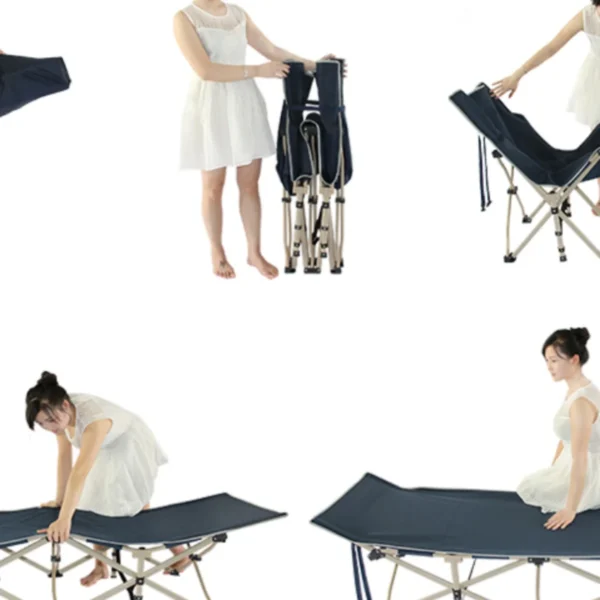
Portable Folding Bed for Office Naps & Outdoor Adventures Rated 5.00 out of 5$168.06 – $305.16Price range: $168.06 through $305.16
-
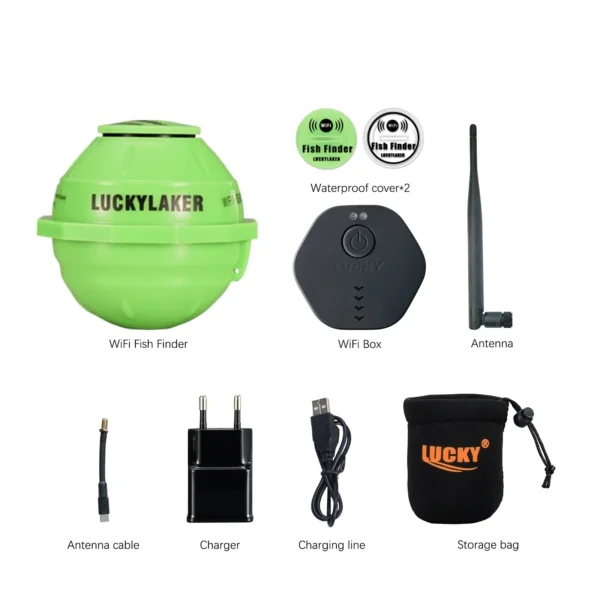
Revolutionize Your Fishing with Lucky Smart Wi-Fi Fish Finder Rated 5.00 out of 5
$197.75Original price was: $197.75.$137.82Current price is: $137.82.



Product Gallery
-
 Ultimate 2-3 Person Inflatable Kayak for Fishing Fun Rated 5.00 out of 5$1,081.72 – $1,095.09Price range: $1,081.72 through $1,095.09
 -
VEVOR 550 lb Heavy-Duty Folding Wagon & Bench for Adventurers
$155.14 – $252.20Price range: $155.14 through $252.20
-
BISINNA One-Touch Titanium Tent for 3-4 Campers, Adventure Ready Rated 4.36 out of 5
$311.78Original price was: $311.78.$217.30Current price is: $217.30.













 Camping Gear
 Camping Chair
 Camping Table
 Camping Bed
 Sleeping Gear
 Storage Bags
 BBQ Portable
 Sleeping Bags
 Camping Tents
 Gazebos
 Outdoor Cooler
 Cookware
 Power
Power Camping Light
 Flashlight
 Portable Solar
 Power Banks
 Fish Finders
 Fishing Bags
 Fishing Jerseys
 Fishing Reels
 Fishing Chairs
 Fishing Bait Boat
 Fishing Floats
 Hard Baits
 Hiking Vests
 Outdoor Bags
 Water Filters
 Paracord
 Walkie Talkie
 Paddleboards
 Boats
Boats Sea Scooter
 Accessories
 Electric Bike
 Electric Scooter
Recent Comments