

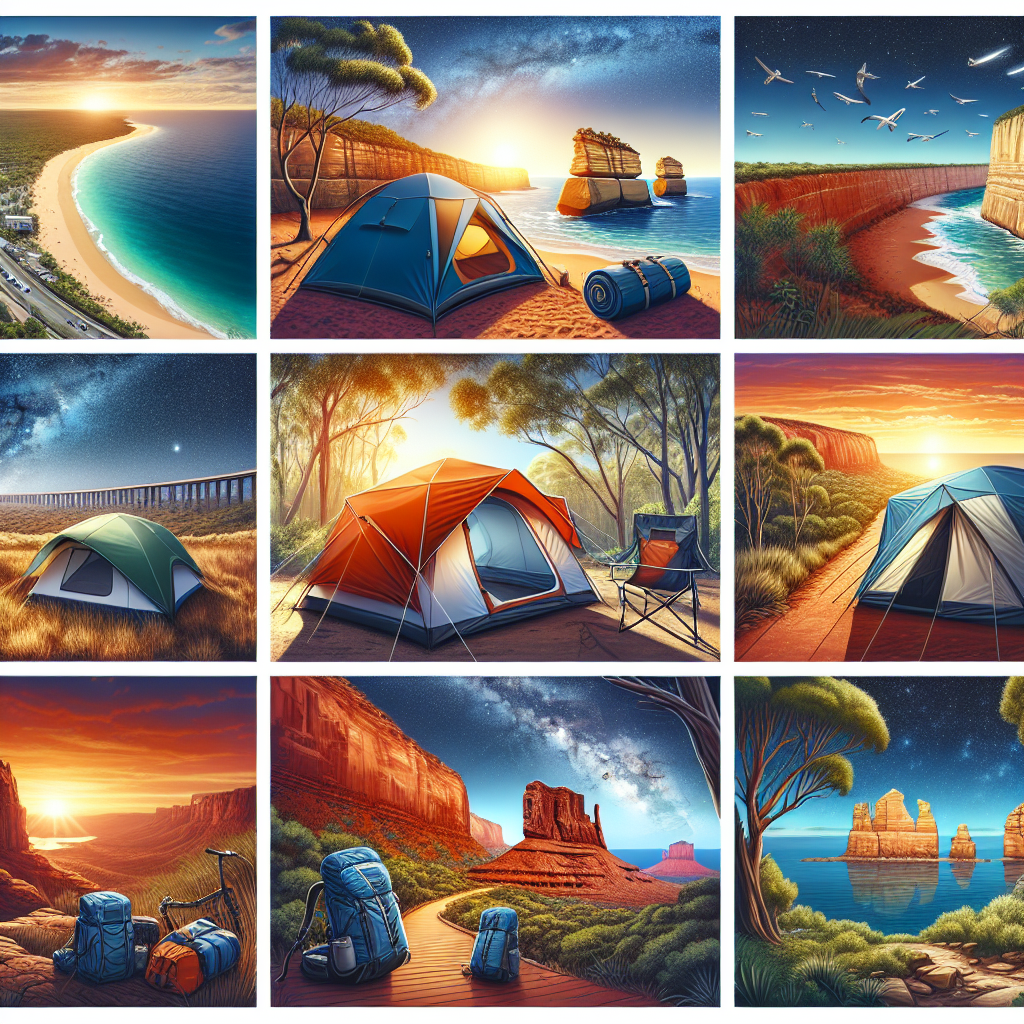
Go Solo, Go Light: The 10 Best Backpacking Tents for Solo Travelers

Embarking on a solo backpacking trip? You’re in for an adventure! But before you hit the trail, you’ve gotta nail down the essentials—and a reliable, lightweight tent is right at the top of that list. It’s your shelter, your sanctuary, your home away from home when you’re out there communing with nature. Choosing the right one can make or break experience, seriously.
Why a Solo Backpacking Tent Matters
Let’s face it, lugging around a bulky, heavy tent solo isn’t anyone’s idea of a good time. A lightweight solo backpacking tent provides shelter and protection without adding unnecessary strain to your pack. It gives you the freedom to move efficiently and enjoy the journey without feeling weighed down. Think of it as an investment in your overall happiness on the trail. Trust me, your back will thank you.
What to Look for in a Solo Backpacking Tent
Okay, so what makes a tent ideal for solo backpacking? There are a few key features to consider. You know, the things that separate a decent shelter from a downright awesome one.
- Weight: Obviously, lighter is better. Aim for a tent that weighs under 3 pounds, ideally closer to 2 pounds. Every ounce counts when you’re covering miles on foot.
- Packed Size: How small does it pack down? A compact tent takes up less valuable space in your pack, leaving room for other essentials like food and that emergency chocolate bar. Very important.
- Weather Resistance: You need a tent that can handle rain, wind, and maybe even a bit of snow, depending on where you’re headed. Look for a decent waterproof rating (at least 1200mm) and sturdy construction.
- Ease of Setup: When you’re tired after a long day of hiking, the last thing you want is to wrestle with a complicated tent setup. A simple, intuitive design is a huge plus.
- Durability: Backpacking can be tough on gear, so choose a tent made from durable materials that can withstand the rigors of the trail. Ripstop nylon is your friend.
- Livability: Just because it’s a solo tent doesn’t mean it needs to feel like a coffin. Look for decent headroom and enough space to comfortably sit up and move around. A little extra room for gear is always welcome.
The Contenders: 10 Top Solo Backpacking Tents
Alright, let’s get into the good stuff! Here are ten of the best solo backpacking tents on the market, each with its own strengths and weaknesses.
1. Big Agnes Copper Spur HV UL1
The Big Agnes Copper Spur HV UL1 is a classic for a reason. It strikes a fantastic balance between weight, space, and durability. It’s a bit pricier, but the quality shines through. Is it worth the splurge? Let’s see.
Why it’s great:
- Lightweight (around 2 lbs)
- Generous interior space for a solo tent
- Durable materials
- Excellent ventilation
2. Nemo Hornet Elite OSMO
The Nemo Hornet Elite OSMO pushes the boundaries of ultralight design. It’s crazy light, but that comes with a few tradeoffs. We’re talking serious gram-counting here, folks.
Why it’s great:
- Extremely lightweight (under 2 lbs)
- Packs down incredibly small
- Uses high-end materials
3. MSR Hubba Hubba NX
Don’t let the name fool you, MSR Hubba Hubba NX is actually a one-person tent (also comes in a two-person size). Reliable and well-built, it’s a solid choice for those who prioritize durability.
Why it’s great:
- Durable construction
- Easy to set up
- Good weather protection
4. Sea to Summit Telos TR1
The Sea to Summit Telos TR1 is a feature-packed tent that offers excellent ventilation and versatility. It’s a bit heavier than some others on this list, but the added features might be worth it for some. Want features galore? This could be your winner.
Why it’s great:
- Unique tension bar design for increased space
- Excellent ventilation
- Versatile setup options
5. Durston X-Mid 1P
The Durston X-Mid 1P is something of a cult favorite among ultralight backpackers. It uses trekking poles for setup, saving weight and space. Not something you see every day, huh?
Why it’s great:
- Very lightweight and packable
- Uses trekking poles for setup (poles not included)
- Affordable compared to other high-end tents
6. REI Co-op Quarter Dome SL1
The REI Co-op Quarter Dome SL1 offers a great balance of performance and value. It’s a solid all-around tent that won’t break the bank. Sometimes, you really can have it all.
Why it’s great:
- Good value for money
- Lightweight and packable
- Easy to set up
7. Gossamer Gear The One
The Gossamer Gear The One is another trekking pole tent that’s incredibly lightweight. It’s a minimalist shelter for those who want to go as light as possible. If minimalism is your mantra, keep reading.
Why it’s great:
- Extremely lightweight
- Uses trekking poles for setup (poles not included)
- Simple design
8. Six Moon Designs Lunar Solo
The Six Moon Designs Lunar Solo is a spacious single-wall tent that’s popular among thru-hikers. It offers a lot of room for the weight. It is something to consider!
Why it’s great:
- Spacious interior
- Lightweight
- Affordable
9. Tarptent Notch
The Tarptent Notch uses a hybrid double-wall design that provides excellent ventilation and weather protection. It’s a bit more technical than some other tents, but the performance is worth it. Looking for a balance of breathability and protection? This is it.
Why it’s great:
- Excellent ventilation
- Good weather protection
- Relatively lightweight
10. ALPS Mountaineering Lynx 1
The ALPS Mountaineering Lynx 1 is a budget-friendly option that still offers decent performance. It’s a bit heavier than the others on this list, but it’s a great choice for beginners. Let’s be real: sometimes budget matters most.
Why it’s great:
- Affordable
- Durable
- Easy to set up
Choosing the Right Tent: It’s All About You
So, how do you choose the right tent for *your* solo backpacking adventures? It all depends on your priorities and the type of trips you’re planning.
- Ultralight enthusiasts: If you’re obsessed with saving every ounce, go for the Nemo Hornet Elite OSMO or the Gossamer Gear The One.
- Budget-conscious backpackers: The REI Co-op Quarter Dome SL1 or the ALPS Mountaineering Lynx 1 are great options.
- Those who prioritize durability: The MSR Hubba Hubba NX is a solid choice.
- Folks needing space: If you like more room, consider the Big Agnes Copper Spur HV UL1, or the Six Moon Designs Lunar Solo.
Consider the climate and terrain where you’ll be camping. Are you expecting rain, wind, or snow? Do you need extra space for gear? Think about your personal preferences and what’s most important to you in a shelter.
Pitching Perfect: Tips for Setting Up Camp
Once you’ve chosen your tent, it’s time to learn how to set it up properly. Here are a few tips for a smooth and stress-free pitching experience:
- Practice at home: Before you hit the trail, practice setting up your tent in your backyard or a local park. That will save you from fumbling in the dark later on.
- Choose a good site: Look for a flat, level spot that’s protected from the wind. Avoid areas where water might pool.
- Use a footprint: A footprint (or groundsheet) will protect the bottom of your tent from abrasion and moisture. It’s a small investment that can significantly extend the life of your tent.
- Stake it down: Use all the guylines to properly secure your tent. This is especially important in windy conditions.
- Keep it clean: Shake out your tent before packing it up to remove any dirt, leaves, or debris. This will help prevent damage and keep your tent in good condition.
Taking Care of Your Tent: Longevity Matters
A good backpacking tent is an investment, so it’s important to take care of it properly. Here are a few tips for extending the life of your tent.
- Clean it regularly: After each trip, wipe down your tent with a damp cloth to remove any dirt or grime. If it’s particularly dirty, you can use a mild soap and water solution.
- Dry it thoroughly: Never store your tent when it’s wet. Always allow it to dry completely before packing it up.
- Store it loosely: Avoid tightly compressing your tent when storing it. This can damage the fabric and coatings. Store it in a large, breathable bag.
- Protect it from UV rays: Prolonged exposure to sunlight can degrade the fabric of your tent. Store it in a cool, dark place when not in use.
- Repair any damage: If you notice any tears or holes in your tent, repair them immediately with a tent repair kit. Small problems can quickly become big problems if left unattended.
Final Thoughts: Embrace the Solo Adventure
Backpacking solo can be an incredibly rewarding experience. With the right gear and a little planning, you can safely and comfortably explore the beauty of the outdoors on your own terms. So, choose your tent wisely, pack your bag, and hit the trail. Adventure awaits!
Happy trails!
FAQ: Your Burning Questions Answered
Ideally, you want a tent that weighs under 3 pounds. Ultralight enthusiasts often aim for under 2 pounds to minimize pack weight.
While not strictly necessary, a footprint protects the bottom of your tent from abrasion, moisture, and sharp objects, extending its lifespan.
Wipe it down with a damp cloth after each trip. For stubborn dirt, use a mild soap and water solution. Ensure it’s completely dry before storing.
The waterproof rating (measured in millimeters) indicates how much water pressure the fabric can withstand before leaking. A rating of 1200mm or higher is generally considered waterproof for backpacking tents.
Yes, some tents are designed to be set up using trekking poles, saving weight and space. Just make sure your poles are adjustable to the required height.
Use a tent repair kit, which typically includes adhesive patches. Clean the area around the tear, apply the patch, and smooth it out to ensure a good seal.
Single-wall tents are lighter but can suffer from condensation buildup. Double-wall tents offer better ventilation and reduce condensation, but are slightly heavier.
DISCLAIMER
Please note that as an AI, I cannot provide definitive safety advice. The information provided in this article is intended for general informational purposes only, and does not constitute professional advice. Always prioritize safety and consult with experienced professionals before undertaking any backpacking trip. Conditions can change rapidly, and your safety is your responsibility. Make sure to research and be prepared for all situations.
Categories
- Navigation & Safety (68)
- Shelter & Sleep (72)
Top rated products
-
 Ultimate AONIJIE Soft Flask 1000 ml/2000 ml with Water Filter Rated 5.00 out of 5
$41.58Original price was: $41.58.$28.98Current price is: $28.98. -
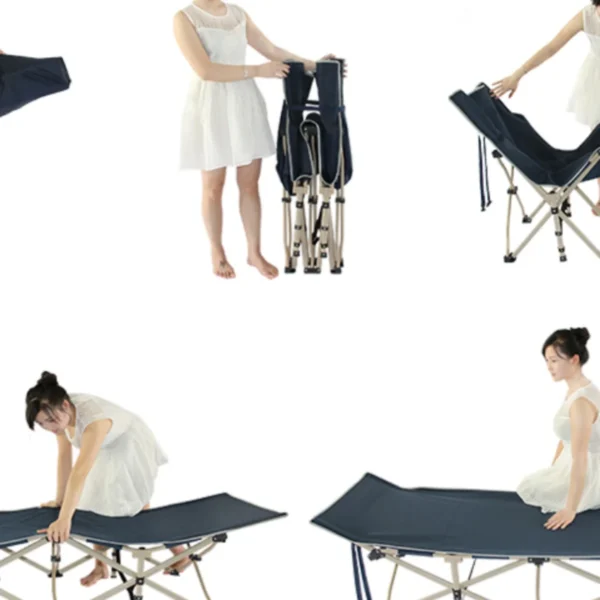
Portable Folding Bed for Office Naps & Outdoor Adventures Rated 5.00 out of 5$168.06 – $305.16Price range: $168.06 through $305.16
-
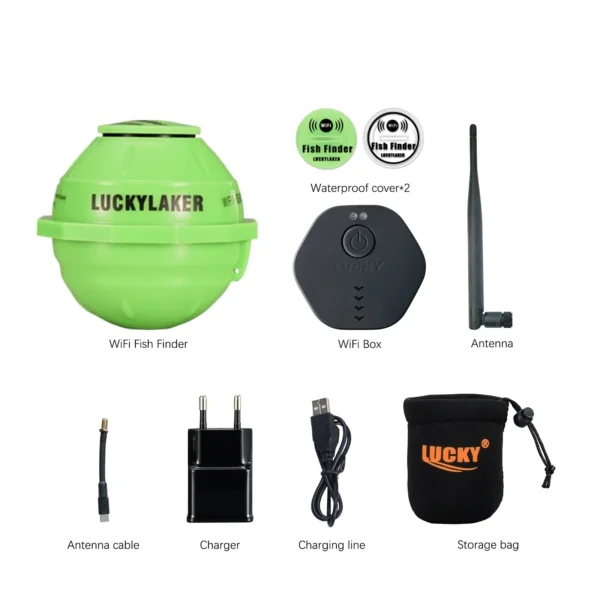
Revolutionize Your Fishing with Lucky Smart Wi-Fi Fish Finder Rated 5.00 out of 5
$197.75Original price was: $197.75.$137.82Current price is: $137.82.



Product Gallery
-
 Ultimate 2-3 Person Inflatable Kayak for Fishing Fun Rated 5.00 out of 5$1,081.72 – $1,095.09Price range: $1,081.72 through $1,095.09
 -
VEVOR 550 lb Heavy-Duty Folding Wagon & Bench for Adventurers
$155.14 – $252.20Price range: $155.14 through $252.20
-
BISINNA One-Touch Titanium Tent for 3-4 Campers, Adventure Ready Rated 4.36 out of 5
$311.78Original price was: $311.78.$217.30Current price is: $217.30.













 Camping Gear
 Camping Chair
 Camping Table
 Camping Bed
 Sleeping Gear
 Storage Bags
 BBQ Portable
 Sleeping Bags
 Camping Tents
 Gazebos
 Outdoor Cooler
 Cookware
 Power
Power Camping Light
 Flashlight
 Portable Solar
 Power Banks
 Fish Finders
 Fishing Bags
 Fishing Jerseys
 Fishing Reels
 Fishing Chairs
 Fishing Bait Boat
 Fishing Floats
 Hard Baits
 Hiking Vests
 Outdoor Bags
 Water Filters
 Paracord
 Walkie Talkie
 Paddleboards
 Boats
Boats Sea Scooter
 Accessories
 Electric Bike
 Electric Scooter
Recent Comments