

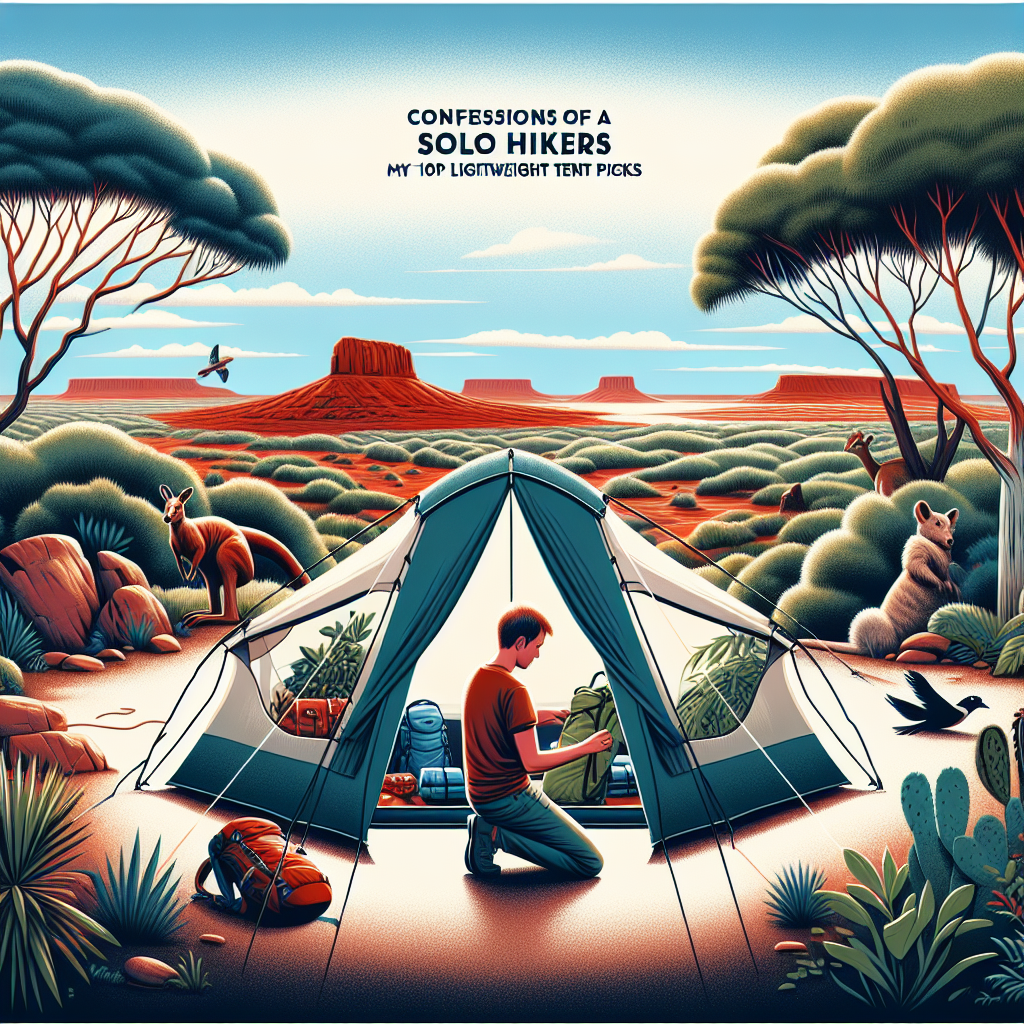

Alright, fellow adventurers! Let’s talk tents. Specifically, lightweight tents. As a seasoned solo hiker – someone who’s spent more nights under the stars than in a real bed, or so it feels sometimes – I’ve become a bit of a tent aficionado. I’ve wrestled with bulky beasts that felt like carrying a small car on my back; I’ve shivered in flimsy shelters that offered about as much protection as a mosquito net in a hurricane. So, trust me when I say a good lightweight tent is a game-changer. It’s your sanctuary, your shield, your tiny home on the trail.
Why Go Lightweight, Anyway?
Why lug around extra weight when you don’t have to?
Let’s be real, solo hiking is about freedom. It’s about pushing your limits, connecting with nature, and maybe even finding yourself (corny, but true!). Hauling a ridiculously heavy tent completely undermines that. Each extra pound adds up. It saps your energy, slows you down, and turns what should be an enjoyable trek into a miserable slog. A lightweight tent lets you move faster, go further, and enjoy the journey instead of just enduring it.
I remember one particularly brutal trip in the Adirondacks. I thought I was being smart by bringing a “budget-friendly” tent I found online. Seemed okay in the backyard, but after a solid day of climbing, that extra five pounds felt like fifty. By the time I made camp, I was so exhausted I just wanted to collapse. That’s when I made a promise to myself: never again. A few ounces saved here and there quickly turn into pounds. You know what? Your back will thank you.
What Makes a Tent “Lightweight?”
There’s no definitive number, but here are my thoughts.
Good question! There’s no hard and fast rule, but generally, a backpacking tent weighing under 3 pounds per person is considered lightweight. Ultralight tents can get even lighter, sometimes dipping below 2 pounds, but those often come with compromises in durability or features. Think of it this way: if you can comfortably hold the tent in one hand without your arm immediately screaming in protest, you’re probably in the lightweight territory.
Material matters, too. You’re often looking at silnylon or Dyneema Composite Fabric (DCF) for the tent body and rainfly. Poles are typically aluminum or carbon fiber – carbon fiber being the lighter (and pricier!) option. And don’t forget the stakes! Those little guys can add up weight quickly, so look for lightweight aluminum or titanium options. See? It is kinda like building a racecar: every little bit matters
My Top 10 Lightweight Tent Picks (In No particular Order, Honestly!)
Here are the tents I’d recommend to you.
Okay, here it is – the list I’ve been hinting at! Now, before you get too excited, understand that this isn’t some scientifically ranked, objective list. This is based on my experiences: the peaks I’ve scaled, the storms I’ve weathered, and the bugs I’ve battled. Your mileage may vary, depending on your preferences, budget, and typical hiking conditions. Think of it as a guide, not gospel.
-
Big Agnes Copper Spur HV UL1
A classic for a reason! This tent is a superstar. Known for its excellent balance of weight, space, and durability. It’s roomy enough for one person and some gear, and the two doors/vestibules are super convenient. It won’t break the bank while promising an excellent experience. Big Agnes really has a hit on their hands. It’s my go-to for most trips. I’ve used this tent in everything from scorching desert heat to chilly mountain nights, and it’s always performed admirably.
-
REI Co-op Quarter Dome SL 1
A solid budget-friendly option. REI tents are generally well-designed and reliable, and the Quarter Dome SL 1 is no exception. It’s lighter than many other tents in its price range and offers decent space for one person. If you’re just starting out or are on a tighter budget, this is an excellent choice. It’s also pretty easy to set up, which is a big plus after a long day on the trail. What more can you want?
-
MSR Hubba Hubba NX (2-Person – Yes, I sometimes like extra room!)
Okay, this one’s technically a two-person tent, but hear me out! Sometimes, especially on longer trips, I appreciate a bit of extra space to spread out. The Hubba Hubba NX is still relatively lightweight for a two-person tent, and the added room is a luxury. It’s like having a tiny apartment in the woods! Great for couples too, of course.
-
NEMO Hornet Elite 1P
If you’re obsessed with saving every ounce, this is your tent. The Hornet Elite 1P is incredibly light, thanks to its minimalist design and high-end materials. Be aware that it’s a bit more fragile than some of the other options on this list. You’ll need to be extra careful with it. But if weight is your top priority, you can’t beat it. This tent feels like it is barely there!
-
Zpacks Duplex Flex (DCF – Dyneema Composite Fabric)
Now we’re getting into serious ultralight territory. DCF is incredibly strong and waterproof, and the Duplex Flex makes the most of it. It’s a trekking pole tent, meaning you use your trekking poles for setup, saving even more weight. It is pretty expensive but worth it. This tent is a favorite among long-distance hikers for good reason. The views from inside are also great.
-
Gossamer Gear The One
Another trekking pole tent that prioritizes weight savings. The One is simple, functional, and incredibly lightweight. It’s a single-wall tent, which means it can be a bit more prone to condensation. So this may be the right pick for drier climates. But if you’re looking to shed every possible ounce, it’s worth considering. It all comes down to weight savings, huh?
-
Six Moon Designs Lunar Solo
A popular option for budget-conscious ultralighters. The Lunar Solo offers a lot of space and protection for its weight and price. It’s also a trekking pole tent, which helps save weight. But as with any single-wall tent, condensation can be an issue in humid conditions. It’s a good balance of affordability and performance. The tent is surprisingly spacious for not much weight
-
Tarptent Notch Li
Another Dyneema option, offering excellent weather protection and ventilation. The Notch Li is a bit more complex to set up than some other tents, but the added stability and weather resistance are worth it. It’s also surprisingly roomy for a one-person tent. This tent has a unique design that really works! Trust me on this one folks.
-
Durston Gear X-Mid 1P
A great tent at an incredible value. The designer, Dan Durston, has made a name for himself by providing great products at reasonable prices. The X-Mid is fairly roomy and is very storm worthy. You will not be disappointed if you make this purchase.
-
3Ful Gear Lanshan 1 Pro
A very lightweight option at a budget friendly price. This tent is very popular with the ultralight crowd. Be ready for more of a minimal experience though. You will be hard pressed to find products that beat the value provided here.
Things to Consider Before You Buy
It’s not all about the weight, you know?
So, you’ve got my top picks. But before you rush off to buy the lightest, shiniest tent you can find, let’s pump the brakes for a second. Several factors should influence your choice, beyond just the weight on the spec sheet.
- Intended Use: Are you mainly hiking in warm, dry climates, or are you expecting rain, wind, and snow? A super-light, minimalist tent might be fine for fair weather, but you’ll want something more robust for harsher conditions.
- Durability: Lighter materials often mean less durability. Are you willing to sacrifice some longevity for weight savings? If you’re a frequent hiker who’s tough on gear, you might want to choose a slightly heavier, more durable tent.
- Space: How much room do you really need? Do you just need a place to sleep, or do you want enough space to sit up, change clothes, and store your gear inside the tent? One-person tents can feel pretty cramped, especially if you’re tall or claustrophobic.
- Ease of Setup: After a long day of hiking, the last thing you want is to struggle with a complicated tent setup. Consider how easy the tent is to pitch, especially in less-than-ideal conditions (like wind or rain). Many things can be frustrating but tent setup after a 20-mile day has to be near the top.
- Budget: Lightweight tents can range from relatively affordable to eye-wateringly expensive. Set a budget before you start shopping and stick to it. There are great options at every price point; you just need to do your research.
Tent Care: Make Your Tent Last
Treat your tent right, and it will treat you right.
Okay, so you’ve chosen your perfect lightweight tent. Congratulations! Now, listen up, because this is important: tent care. A tent is an investment, and with proper care, it can last for years. Neglect it, and you’ll be replacing it sooner than you think.
First, always use a groundsheet or footprint under your tent. This protects the floor from abrasion and punctures. Second, keep your tent clean. Wipe it down after each trip to remove dirt and grime. If it’s really dirty, you can wash it with mild soap and water. Make sure it’s completely dry before storing it.
Third, store your tent loosely in a large bag. Don’t stuff it into its tiny stuff sack – this can damage the fabric and coatings over time. Fourth, avoid storing your tent in direct sunlight or in a hot car. UV exposure can degrade the fabric and shorten its lifespan. And finally, repair any damage as soon as possible. A small tear can quickly become a big problem if left unattended. Honestly, the more you take care of your gear, the more you can hike.
Final Thoughts: The Joy of Solo Hiking (and a Good Tent!)
More than just gear, it’s about the experience, right?
So, there you have it: my confessions, my recommendations, and some hard-earned wisdom about lightweight tents. But remember, the tent is just a tool. It’s a means to an end. The real magic of solo hiking isn’t about having the lightest gear or the most Instagram-worthy setup. It’s about the experience: the solitude, the challenge, the connection with nature, and the sense of accomplishment.
A good tent, however, can enhance that experience. It can provide comfort, security, and protection, allowing you to fully immerse yourself in the wilderness. So choose wisely, take care of your gear, and get out there and explore! And remember, leave no trace. Pack it in, pack it out, and leave the wilderness as you found it – or even better.
Happy trails, friends!
FAQ
DISCLAIMER
Disclaimer:
Hiking and camping can be dangerous activities. Always research your route, check the weather forecast, and be prepared for unexpected conditions. The gear recommendations in this article are based on my personal experiences and preferences, and may not be suitable for everyone. It is your responsibility to choose the right gear for your needs and to use it safely. I am not responsible for any accidents or injuries that may occur while hiking or camping.
Categories
- Navigation & Safety (68)
- Shelter & Sleep (72)
Top rated products
-
 Ultimate AONIJIE Soft Flask 1000 ml/2000 ml with Water Filter Rated 5.00 out of 5
$41.58Original price was: $41.58.$28.98Current price is: $28.98. -
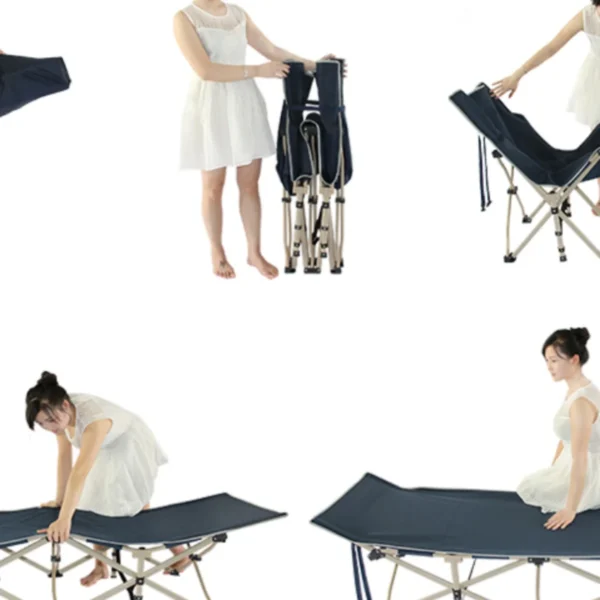
Portable Folding Bed for Office Naps & Outdoor Adventures Rated 5.00 out of 5$168.06 – $305.16Price range: $168.06 through $305.16
-
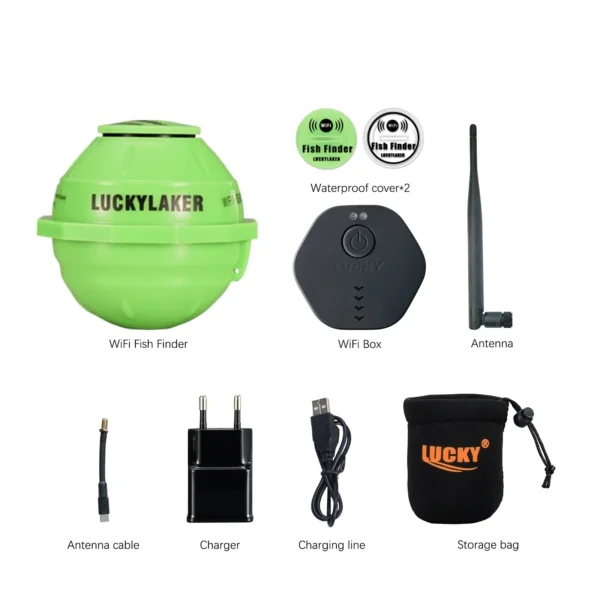
Revolutionize Your Fishing with Lucky Smart Wi-Fi Fish Finder Rated 5.00 out of 5
$197.75Original price was: $197.75.$137.82Current price is: $137.82.



Product Gallery
-
 Ultimate 2-3 Person Inflatable Kayak for Fishing Fun Rated 5.00 out of 5$1,081.72 – $1,095.09Price range: $1,081.72 through $1,095.09
 -
VEVOR 550 lb Heavy-Duty Folding Wagon & Bench for Adventurers
$155.14 – $252.20Price range: $155.14 through $252.20
-
BISINNA One-Touch Titanium Tent for 3-4 Campers, Adventure Ready Rated 4.36 out of 5
$311.78Original price was: $311.78.$217.30Current price is: $217.30.













 Camping Gear
 Camping Chair
 Camping Table
 Camping Bed
 Sleeping Gear
 Storage Bags
 BBQ Portable
 Sleeping Bags
 Camping Tents
 Gazebos
 Outdoor Cooler
 Cookware
 Power
Power Camping Light
 Flashlight
 Portable Solar
 Power Banks
 Fish Finders
 Fishing Bags
 Fishing Jerseys
 Fishing Reels
 Fishing Chairs
 Fishing Bait Boat
 Fishing Floats
 Hard Baits
 Hiking Vests
 Outdoor Bags
 Water Filters
 Paracord
 Walkie Talkie
 Paddleboards
 Boats
Boats Sea Scooter
 Accessories
 Electric Bike
 Electric Scooter
Recent Comments