

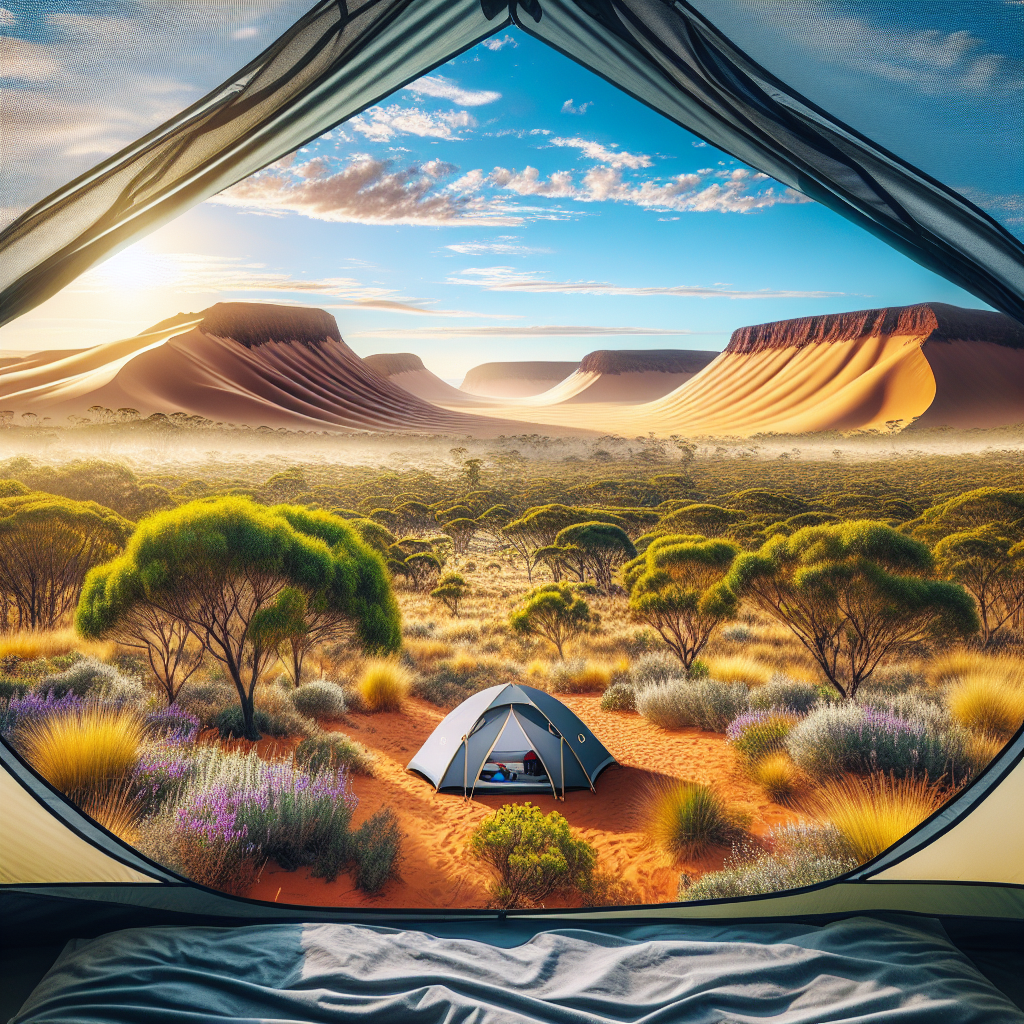
Your Perfect Solo Shelter: The 10 Best Lightweight Backpacking Tents

Venturing into the wilderness alone is an experience like no other. It’s you, the trail, and the raw beauty of nature. But let’s be real, having the right gear can make or break that experience. And when it comes to solo backpacking, your tent is arguably the most crucial piece of equipment. It’s your sanctuary, your haven, your home away from home. So, how do you choose the right one? Don’t worry, we’ve got you covered, so let’s jump in and explore some great solo shelters.
Why a Lightweight Backpacking Tent Matters for Solo Adventures
Think about it: you’re carrying everything on your back. Every ounce counts, right? A heavy tent can quickly turn a dream trip into a grueling slog. A lightweight tent lets you move faster, go further, and honestly, enjoy the experience way more! Plus, saving weight means you can maybe pack that extra treat, like a good book or a fancy camp coffee setup. Just saying!
What to Look for in a Solo Backpacking Tent
Okay, so lightness is key, but it’s not the only thing. Here’s what else to consider:
- Weight: Obviously, right? But aim for something under 3 pounds, ideally closer to 2.
- Pack Size: How small does it compress? You want it to fit easily in your pack without taking up all the space.
- Weather Resistance: Can it handle wind, rain, and maybe even a bit of snow? Seams, floor materials, and overall design are vital here.
- Ease of Setup: After a long day on the trail, the last thing you want is a complicated tent setup. Simplicity is your friend.
- Durability: Is it made of sturdy stuff that can withstand a few snags and scrapes? Backpacking gear takes a beating!
- Ventilation: Condensation can be a real pain. Good ventilation helps keep you dry and comfortable.
- Price: Let’s be honest, budget matters. There are great options at different price points.
You know what? Let’s face an often forgotten element: headroom. Especially on longer trips, being able to sit up and stretch can really boost morale. Think about how much time you realistically spend in the tent, not just sleeping.
The Top 10 Lightweight Backpacking Tents for Solo Hikers
Alright, let’s get to the good stuff! Here are ten tents that consistently get high marks from solo backpackers, each with its own strengths and weaknesses. I have spent years in the backcountry and let me tell you a sub-par tent can ruin a trip.
1. Big Agnes Copper Spur HV UL1
The Copper Spur is a classic for a reason. It’s incredibly livable for a one-person tent, with plenty of headroom and storage space. Big Agnes really nailed the balance of weight, space, and durability with this one. Plus, the updated materials are super strong.
2. MSR Hubba Hubba NX
Don’t let the name fool you—the Hubba Hubba NX is a one-person tent (though there’s a two-person version, too!). Known for its excellent weather protection and easy setup, It’s super dependable. It can become your trusty companion on any adventure, handling tough conditions with ease.
3. Nemo Hornet Elite OSMO
If you’re an extreme gram counter, this is your tent. Seriously, it’s incredibly light, almost impossibly so. Nemo’s focus on minimal weight is evident, but despite its lightness, there are no compromises on its essential protection against the elements. The Hornet Elite is like carrying next to nothing!
4. Zpacks Duplex Flex
For the serious ultralight backpacker, Zpacks is a brand to know. The Duplex Flex is a trekking pole tent, meaning you use your trekking poles for setup, saving even more weight. This really is what I like to call a minimalist’s dream.
5. Six Moon Designs Lunar Solo
Another trekking pole tent, the Lunar Solo, offers a ton of space at a very reasonable weight. It’s particularly popular among taller hikers who need extra length. The design maximizes space while keeping the weight low, which works great for me since I am over 6 feet tall.
6. Durston X-Mid 1P
The Durston X-Mid 1P has caught the attention of the backpacking community in recent years thanks to its innovative design and incredible value. It’s thoughtfully engineered to maximize space while keeping weight to a minimum, making it an ideal choice for solo adventurers looking for performance without breaking the bank.
7. Tarptent Notch Li
Tarptent has a reputation for quality and innovation, and the Notch Li is a prime example. This hybrid double-wall tent boasts impressive ventilation and stability in a lightweight package. Its unique design makes it resilient in various weather conditions, ensuring a comfortable and safe shelter on the trail.
8. Gossamer Gear The One
As the name suggests, Gossamer Gear’s The One focuses on simplicity and weight savings. This single-wall tent uses a trekking pole structure to create a roomy interior for one person. It’s engineered to offer substantial protection while remaining incredibly light, which is perfect for long-distance hikes where every ounce matters.
9. REI Co-op Quarter Dome SL 1
A reliable choice from a trusted brand, the REI Co-op Quarter Dome SL 1 is a freestanding tent that’s easy to set up and offers good value. Its balanced design provides ample space and durability without excessive weight, making it great for both novice and experienced backpackers.
10. Sea to Summit Telos TR1
The Sea to Summit Telos TR1 stands out with its Tension Ridge architecture, which creates exceptional interior space and ventilation. This tent is designed for comfort and performance, making it suitable for various backpacking environments, from humid forests to exposed alpine settings.
Beyond the Tent: Essential Solo Camping Gear
Okay, your tent is sorted, but let’s not forget the other essentials! A good sleeping bag is vital. The temperature rating is super important here – consider the coldest temperatures you expect to encounter. Don’t skimp on this. Also, a quality sleeping pad, a trusty headlamp, and a reliable water filter or purifier are non-negotiable. You’ll also want to think about cooking gear, navigation tools (map and compass, even if you have a GPS), and a well-stocked first-aid kit. Speaking of water, always check weather conditions and rainfall expectations before you go out so that you can safely gauge whether there will be enough water sources available on your trip.
Tips for Setting Up Camp Solo
Setting up camp alone requires a bit of planning and forethought. Arrive early! Give yourself plenty of time to find a good spot and get everything set up before dark. Try to find a level spot that’s sheltered from the wind. Practice setting up your tent at home first so you’re not fumbling around in the dark. Critically, always inform someone of your itinerary and expected return date. If something goes wrong, they’ll know where to start looking.
Staying Safe on Your Solo Backpacking Trip
Safety is paramount when you’re out in the wilderness alone. Carry a satellite communication device like a Garmin inReach or SPOT device. These allow you to send messages and call for help in areas without cell service. Be aware of wildlife and take appropriate precautions, such as storing food properly. Learn basic first-aid skills and carry a comprehensive first-aid kit. Remember, you’re your own responsibility out there! I even recommend taking a wilderness survival course so you know exactly what to do to ensure your safety.
The Mental Game: Embracing Solitude
Solo backpacking can be incredibly rewarding, but it also requires a certain mental fortitude. Embrace the solitude! Use the time to reflect, connect with nature, and disconnect from the stresses of everyday life. But also be prepared for moments of loneliness or self-doubt. It’s totally normal. A good book, a journal, or even just practicing mindfulness can help you stay grounded. Plus, you can always turn on your favorite podcast! I actually make sure to have a downloaded audiobook ready in case I start feeling isolated.
Leave No Trace: Respecting the Wilderness
This one’s crucial. We all have a responsibility to protect the natural environment. Pack out everything you pack in. Minimize campfire impacts. Stay on designated trails. Respect wildlife. Leave the area better than you found it. Future generations will thank you. Speaking of minimizing campfire impacts, a lot of places are enacting fire bans in dry months due to extreme fire risk, so be sure to check local regulations just before your trip.
Finding Your Perfect Solo Shelter
Choosing the right tent is a personal decision. What works for one person might not work for another. Consider your budget, your priorities, and the types of trips you typically take. Read reviews, watch videos, and if possible, try out a few different tents before you make your final decision. The goal is to find a tent that you trust, that you’re comfortable in, and that will help you make the most of your solo backpacking adventures. I know that I have tried 5 different tents before I found the perfect one for me!
FAQ: Your Burning Questions Answered
Okay there you have it! You are a well-equipped and knowledgeable solo backpacker! Happy Trails.
DISCLAIMER
Always check the specific regulations and guidelines for the areas you plan to visit. Wilderness conditions can change rapidly, so it’s essential to be prepared for unexpected weather and other challenges. This information is for general guidance only and should not be considered a substitute for professional advice or training.
Affiliate Disclosure: Some of the links in this article may be affiliate links, meaning I may receive a small commission (at no extra cost to you) if you click through and make a purchase. This helps support the website so I can continue to provide valuable content. Thank you for your support!
National Park Service Backpacking Information
REI Backpacking Tips
Categories
- Navigation & Safety (68)
- Shelter & Sleep (72)
Top rated products
-
 Ultimate AONIJIE Soft Flask 1000 ml/2000 ml with Water Filter Rated 5.00 out of 5
$41.58Original price was: $41.58.$28.98Current price is: $28.98. -
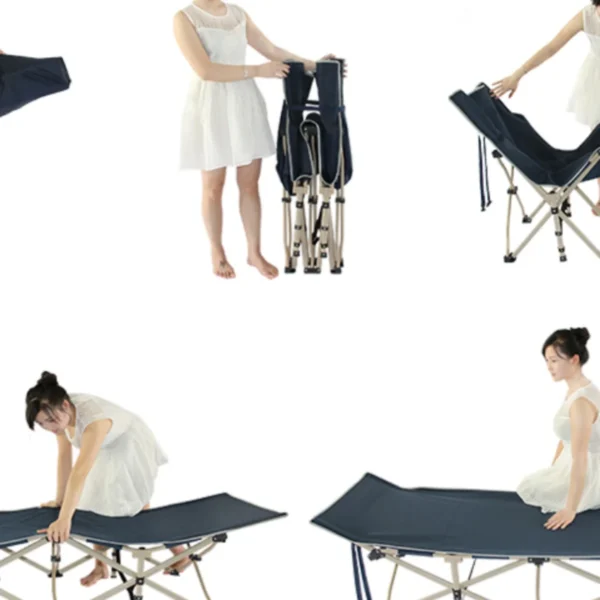
Portable Folding Bed for Office Naps & Outdoor Adventures Rated 5.00 out of 5$168.06 – $305.16Price range: $168.06 through $305.16
-
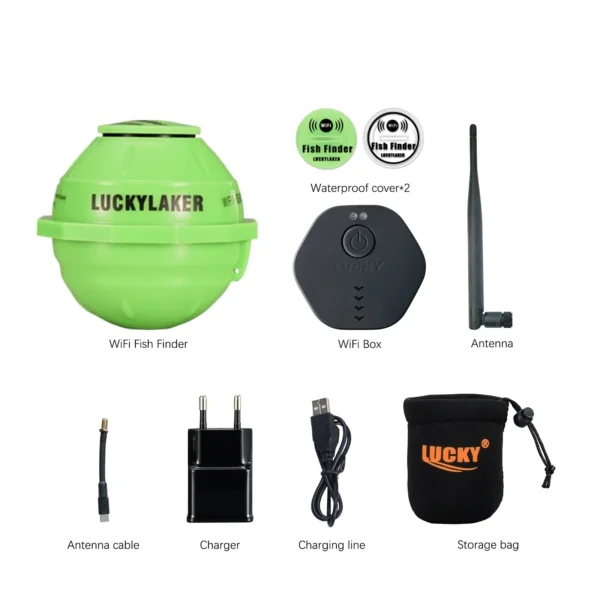
Revolutionize Your Fishing with Lucky Smart Wi-Fi Fish Finder Rated 5.00 out of 5
$197.75Original price was: $197.75.$137.82Current price is: $137.82.



Product Gallery
-
 Ultimate 2-3 Person Inflatable Kayak for Fishing Fun Rated 5.00 out of 5$1,081.72 – $1,095.09Price range: $1,081.72 through $1,095.09
 -
VEVOR 550 lb Heavy-Duty Folding Wagon & Bench for Adventurers
$155.14 – $252.20Price range: $155.14 through $252.20
-
BISINNA One-Touch Titanium Tent for 3-4 Campers, Adventure Ready Rated 4.36 out of 5
$311.78Original price was: $311.78.$217.30Current price is: $217.30.










 Camping Gear
 Camping Chair
 Camping Table
 Camping Bed
 Sleeping Gear
 Storage Bags
 BBQ Portable
 Sleeping Bags
 Camping Tents
 Gazebos
 Outdoor Cooler
 Cookware
 Power
Power Camping Light
 Flashlight
 Portable Solar
 Power Banks
 Fish Finders
 Fishing Bags
 Fishing Jerseys
 Fishing Reels
 Fishing Chairs
 Fishing Bait Boat
 Fishing Floats
 Hard Baits
 Hiking Vests
 Outdoor Bags
 Water Filters
 Paracord
 Walkie Talkie
 Paddleboards
 Boats
Boats Sea Scooter
 Accessories
 Electric Bike
 Electric Scooter
Recent Comments