


Choosing the right tent can make or break your camping experience. It’s more than just a shelter; it’s your home away from home in the great outdoors. That’s why picking the perfect tent is a crucial part of planning any camping trip. Think of it this way: you wouldn’t build a house on a shaky foundation, right? Same goes for your tent. Knowing what to look for—from size and season to features and materials—will keep you comfy, dry, and safe, no matter the conditions.
Why Your Tent Matters: More Than Just Shelter
Let’s be real: your tent is more than just a piece of fabric and some poles. It’s your shield against the elements, your haven after a long day of hiking, and sometimes, your only personal space in the wilderness. A good tent ensures a good night’s sleep, keeps your gear dry, and provides protection from bugs and critters. Trust me, waking up soaked in a leaky tent is a surefire way to ruin any camping trip. So, yeah, your tent really matters.
Understanding Tent Types: From Backpacking to Glamping
Tents come in all shapes and sizes, and each type is designed for specific needs. Let’s take a look at some of the most common types:
- Backpacking Tents: Lightweight and compact, designed for hikers who need to carry their gear.
- Family Tents: Spacious and often feature multiple rooms, perfect for families or groups.
- Dome Tents: Easy to set up and offer good stability, ideal for general camping.
- Cabin Tents: Feature vertical walls for more headroom, providing a more comfortable living space.
- Pop-Up Tents: Super quick to set up, great for festivals or casual camping.
- Geodesic Tents: Designed for extreme weather conditions, offering maximum stability and durability.
Choosing the right type depends on the kind of camping you plan to do. A solo backpacking trip calls for a lightweight tent, while a family camping trip might need a spacious cabin tent. Simple, right?
Size and Capacity: How Much Space Do You Really Need?
Tent capacity refers to how many people the tent is designed to accommodate. But, here’s a little secret: it’s always a good idea to size up. A “2-person” tent is usually pretty snug for two adults, especially if you have gear. If you like having some extra elbow room (and who doesn’t?), consider getting a tent that’s one size larger than what you think you need. For example, if two people are camping, purchasing a 3-person tent is a great plan.
Think about how much gear you’ll be storing in the tent. Backpacks, sleeping bags, and other equipment can take up a lot of space. Also, consider the layout of the tent. Some tents have vestibules (covered entrances) where you can store gear, which frees up space inside the tent. Vestibules are awesome; trust me on this.
Seasonality: Choosing the Right Tent for the Weather
Tents are typically classified as 3-season, 4-season, or 5-season, depending on the conditions they’re designed to handle.
- 3-Season Tents: These are the most common type, designed for spring, summer, and fall camping. They offer good ventilation and protection from rain and wind, but they’re not built for heavy snow or extreme cold.
- 4-Season Tents: These tents are sturdier and offer better protection from wind and snow, making them suitable for winter camping or high-altitude adventures. They usually have less ventilation than 3-season tents, so they can get stuffy in warm weather.
- 5-Season Tents: Designed for extreme conditions, these tents are built to withstand heavy snow, strong winds, and freezing temperatures. They’re often used by mountaineers and explorers in harsh environments.
Think about the climate and time of year when you’ll be camping. A 3-season tent is fine for most summer camping trips, but if you’re planning a winter excursion, you’ll need a 4-season tent or better. It’s all about matching the tent to the environment.
Material Matters: What Your Tent is Made Of
The materials used in your tent can affect its weight, durability, and weather resistance. Here are some common materials:
- Tent Fabric:
- Polyester: A common tent fabric that’s durable, water-resistant, and affordable.
- Nylon: Another popular choice, known for its strength and lightweight properties. Often coated with silicone or polyurethane for water resistance.
- Canvas: A heavier, more durable option that’s highly water-resistant and breathable. Commonly used in larger, more luxurious tents.
- Tent Poles:
- Aluminum: Lightweight and strong, a popular choice for backpacking tents.
- Fiberglass: More affordable but less durable than aluminum. Often used in family tents.
- Steel: Heavy and strong, typically used in larger tents where weight isn’t a major concern.
- Tent Floor:
- Polyethylene (PE): A waterproof and durable material commonly used for tent floors.
- Polyurethane (PU): Another waterproof option that’s more lightweight than PE.
Pay attention to the denier (D) and thread count of the fabric—higher numbers generally indicate greater durability. Also, look for coatings like polyurethane (PU) or silicone (Si) for added water resistance. Understanding these materials helps you make an informed decision.
Waterproofing: Staying Dry in Wet Conditions
Waterproofing is a crucial feature, especially if you camp in areas with unpredictable weather. Look for tents with a high waterproof rating, measured in millimeters (mm). A rating of 1500mm or higher is generally considered waterproof, but for heavy rain or extended exposure, you’ll want a rating of 3000mm or higher.
Seams are another important factor. Look for tents with taped or sealed seams to prevent water from seeping in. The floor of the tent should also be waterproof and ideally have a bathtub-style design, where the floor material extends up the sides of the tent to create a waterproof barrier.
Ventilation: Preventing Condensation Buildup
Ventilation is often overlooked, but it’s essential for preventing condensation inside the tent. Condensation occurs when warm, moist air inside the tent comes into contact with the cooler tent walls, leading to dampness and discomfort. Not fun, right?
Look for tents with mesh panels, vents, and doors that can be opened to increase airflow. Some tents also have rainfly vents, which allow air to circulate even when the rainfly is on. Good ventilation keeps the air inside the tent fresh and reduces the buildup of moisture.
Ease of Setup: Getting Your Tent Up Quickly
Setting up a tent can be a pain, especially after a long day of hiking. Look for tents with simple, intuitive designs and clear instructions. Color-coded poles and clips can make the process easier. Practice setting up the tent at home before your trip so you know what to expect. Trust me, it’s better to figure out the setup in your backyard than in the dark at a campsite.
Also, consider the number of poles and the complexity of the pole structure. Tents with fewer poles and simpler designs are generally easier to set up. Pop-up tents are the easiest of all, but they may not be suitable for all types of camping or weather conditions.
Weight and Packability: Important for Backpackers
If you’re backpacking, weight and packability are critical considerations. Every ounce counts when you’re carrying your gear on your back. Look for lightweight tents made from materials like nylon or aluminum. Check the packed size of the tent to make sure it will fit comfortably in your backpack. Ultralight backpacking tents can weigh as little as two pounds, but they can be more expensive and less durable than heavier tents.
Consider splitting the tent components between two people. One person can carry the tent body and rainfly, while the other carries the poles and stakes. This can help distribute the weight and make your load more manageable. Teamwork makes the dream work!
Durability: How Long Will Your Tent Last?
A durable tent can withstand the rigors of camping and last for many years. Look for tents made from high-quality materials with reinforced stress points. Check the denier and thread count of the fabric, and consider the quality of the zippers and other hardware. A well-made tent is an investment that will pay off in the long run. I’ve got a tent that’s been with me for over a decade, and it’s still going strong.
Proper care and maintenance can also extend the life of your tent. Always clean and dry your tent thoroughly before storing it, and avoid storing it in direct sunlight or in a damp environment. Repair any damage promptly to prevent it from getting worse.
Features to Consider: Extras That Make a Difference
Tents come with a variety of features that can enhance your camping experience. Here are a few to consider:
- Vestibules: Covered entrances for storing gear and shoes.
- Gear Lofts: Mesh pockets or shelves inside the tent for organizing small items.
- Electrical Cord Access: A port for running an electrical cord into the tent.
- Lantern Hooks: A hook at the top of the tent for hanging a lantern.
- Windows: Allow natural light and ventilation.
- Doormats: Help keep the inside of the tent clean.
Think about which features are most important to you. If you like to stay organized, gear lofts might be a must-have. If you want to be able to charge your devices, an electrical cord access port could be useful. Choose the features that will make your camping experience more comfortable and convenient.
Budget: How Much Should You Spend on a Tent?
Tents range in price from under $100 to over $1000, depending on the size, quality, and features. Set a budget before you start shopping and stick to it. You don’t have to spend a fortune to get a good tent, but it’s worth investing in a quality tent that will last. A more expensive tent now is better than having to buy several cheap tents over the years, right?
Consider buying a tent during the off-season, when prices are often lower. Also, check for sales and discounts at outdoor retailers. Do your research and read reviews to find the best tent for your needs and budget.
Top Tent Brands: Trusted Names in the Industry
Several brands have a reputation for producing high-quality tents. Here are a few of the top names in the industry:
- REI Co-op ( https://www.rei.com/ )
- Big Agnes
- MSR (Mountain Safety Research)
- NEMO Equipment
- Coleman
- North Face
- Kelty
These brands offer a wide range of tents for different types of camping and budgets. Do some research to see which brand and model is a good fit for you.
Caring for Your Tent: Making It Last Longer
Proper care and maintenance can significantly extend the life of your tent. Here are a few tips:
- Clean your tent after each trip: Remove dirt, mud, and debris with a soft brush and water.
- Dry your tent thoroughly before storing it: Moisture can lead to mold and mildew.
- Store your tent in a cool, dry place: Avoid storing it in direct sunlight or in a damp environment.
- Repair any damage promptly: Small tears can quickly become larger problems.
- Use a footprint or ground tarp: This will protect the floor of your tent from abrasion and punctures.
- Avoid using harsh chemicals or detergents: These can damage the waterproof coating.
By following these tips, you can keep your tent in good condition and enjoy it for many years to come.
Setting Up Camp: Choosing the Right Campsite
Choosing the right campsite is just as important as choosing the right tent. Look for a flat, level spot that’s free of rocks, roots, and other debris. Avoid camping under trees with dead branches that could fall. Check the weather forecast and be prepared for wind, rain, or other conditions.
Set up your tent on a footprint or ground tarp to protect the floor from abrasion and punctures. Stake the tent securely, and make sure the rainfly is properly attached. Position the tent so that the door faces away from the prevailing wind. With a little planning, you can create a comfortable and safe campsite.
Beyond the Tent: Essential Camping Gear
Of course, your tent is just one piece of the camping puzzle. Here are a few other essential items you’ll need for a successful camping trip:
- Sleeping Bag
- Sleeping Pad
- Camp Stove
- Cooking Utensils
- Food and Water
- Headlamp or Flashlight
- First-Aid Kit
- Navigation Tools (Map and Compass)
- Appropriate Clothing and Footwear
Having the right gear can make all the difference in your comfort and safety. Don’t skimp on the essentials. And always remember to pack out everything you pack in. Leave No Trace!
Embrace the Adventure: Making Memories Outdoors
Camping is more than just sleeping in a tent; it’s about connecting with nature, challenging yourself, and making memories that will last a lifetime. Whether you’re hiking in the mountains, fishing in a lake, or simply sitting around a campfire with friends, the outdoors has something to offer everyone.
So, get out there, explore, and embrace the adventure. With the right tent and a little preparation, you can create unforgettable experiences in the great outdoors. Happy camping!
Resources for Finding Campsites
Here are a few resources to get you started in finding your next campsite, be it a campground or dispersed camping location:
- < a href="https://www.recreation.gov/" target="_blank" rel="nofollow">Recreation.gov: A great resource for booking campsites on federal lands.
- FreeCampsites.net: a crowdsourced website for finding dispersed camping (free camping) locations on public lands.
Frequently Asked Questions
DISCLAIMER
Please note that camping involves inherent risks, and it is essential to take necessary precautions to ensure your safety and the safety of others. The information provided in this guide is for general informational purposes only and should not be considered professional advice. Always check the weather forecast, follow safety guidelines, and be aware of your surroundings. The author and publisher are not responsible for any accidents, injuries, or damages that may occur during your camping trip. It is your responsibility to be prepared, informed, and cautious while enjoying the outdoors.
Categories
- Navigation & Safety (68)
- Shelter & Sleep (72)
Top rated products
-
 Ultimate AONIJIE Soft Flask 1000 ml/2000 ml with Water Filter Rated 5.00 out of 5
$41.58Original price was: $41.58.$28.98Current price is: $28.98. -
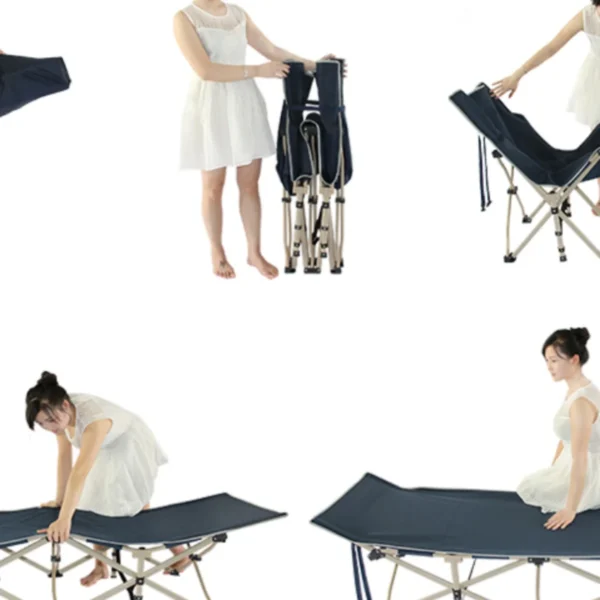
Portable Folding Bed for Office Naps & Outdoor Adventures Rated 5.00 out of 5$168.06 – $305.16Price range: $168.06 through $305.16
-
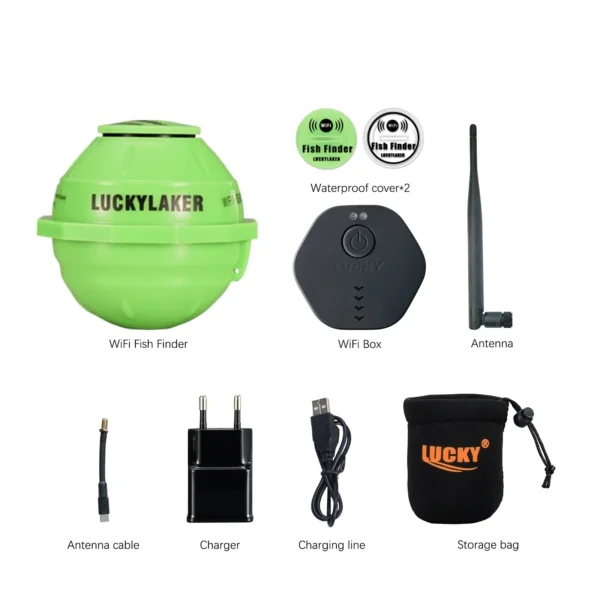
Revolutionize Your Fishing with Lucky Smart Wi-Fi Fish Finder Rated 5.00 out of 5
$197.75Original price was: $197.75.$137.82Current price is: $137.82.



Product Gallery
-
 Ultimate 2-3 Person Inflatable Kayak for Fishing Fun Rated 5.00 out of 5$1,081.72 – $1,095.09Price range: $1,081.72 through $1,095.09
 -
VEVOR 550 lb Heavy-Duty Folding Wagon & Bench for Adventurers
$155.14 – $252.20Price range: $155.14 through $252.20
-
BISINNA One-Touch Titanium Tent for 3-4 Campers, Adventure Ready Rated 4.36 out of 5
$311.78Original price was: $311.78.$217.30Current price is: $217.30.








 Camping Gear
 Camping Chair
 Camping Table
 Camping Bed
 Sleeping Gear
 Storage Bags
 BBQ Portable
 Sleeping Bags
 Camping Tents
 Gazebos
 Outdoor Cooler
 Cookware
 Power
Power Camping Light
 Flashlight
 Portable Solar
 Power Banks
 Fish Finders
 Fishing Bags
 Fishing Jerseys
 Fishing Reels
 Fishing Chairs
 Fishing Bait Boat
 Fishing Floats
 Hard Baits
 Hiking Vests
 Outdoor Bags
 Water Filters
 Paracord
 Walkie Talkie
 Paddleboards
 Boats
Boats Sea Scooter
 Accessories
 Electric Bike
 Electric Scooter
Recent Comments