

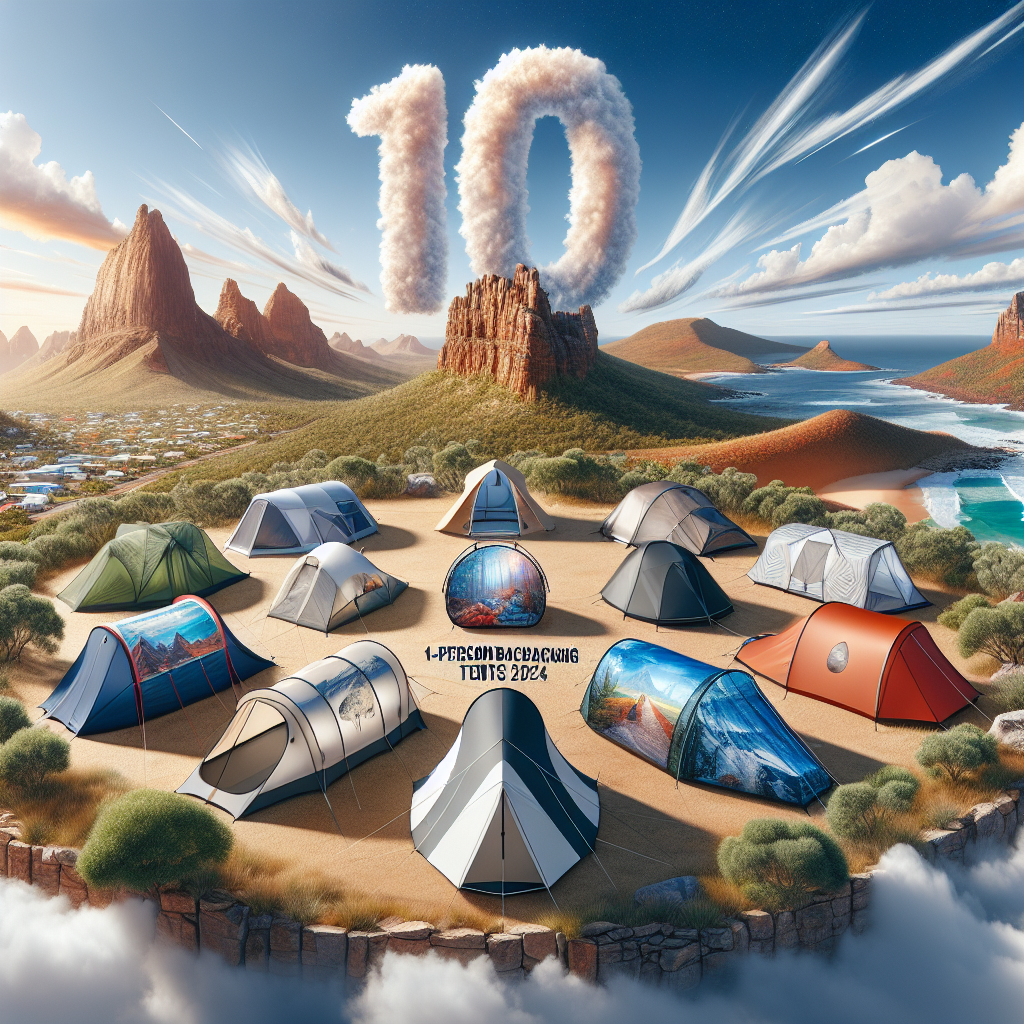

So, you’re thinking about hitting the trail solo, huh? That’s awesome! There’s nothing quite like the freedom of backpacking alone, setting your own pace, and soaking in the wilderness on your own terms. But before you go anywhere, you need the right gear, and at the top of that list is a great, lightweight, one-person tent. Because let’s face it, lugging a bulky tent when you’re solo defeats the whole purpose. After all, are you packing light or just kidding yourself?
Finding the perfect tent can be overwhelming. There are so many options. Don’t worry. We’ve done the research for you! We’ve scoured the market, tested a whole bunch of tents, and compiled a list of the top 10 lightweight one-person backpacking tents for 2024. These tents balance weight, durability, packability, and weather protection, so you can enjoy your solo adventures without being weighed down.
Why Choose a 1-Person Backpacking Tent?
Okay, pretty obvious perhaps, but let’s cover the basics. Why even bother with a solo tent? Well, the benefits are numerous. Namely, weight savings. Seriously, every ounce counts when you’re carrying everything on your back. One-person tents are designed to be as light as possible, minimizing strain and maximizing your enjoyment on the trail. Plus, they pack down smaller than larger tents, freeing up valuable space in your pack for other essentials, like that extra chocolate bar (priorities, people!).
Beyond weight and packability, 1-person tents offer a certain level of cozy solitude. Honestly, sometimes you just want to escape and have a quiet space to yourself out in nature. A solo tent gives you that personal sanctuary. It’s your own little weatherproof bubble where you can read, relax, and recharge after a long day of hiking. Think of it as a mobile, miniature fortress of solitude.
What to Look for in a Lightweight Backpacking Tent
So, what makes a *good* lightweight tent? It’s not just about being the lightest, you know. There’s a whole bunch of other stuff to think about too. It’s a balancing act!
- Weight: Obviously, this is crucial. Look for tents that weigh under 3 pounds, or even better, under 2 pounds if you’re a real ounce-counter.
- Pack Size: How small does it pack down? You want something that won’t take up too much space in your backpack.
- Weather Protection: Can it handle wind, rain, and maybe even a bit of snow? Check the waterproof rating of the fly and the floor.
- Durability: Is it made from sturdy materials that can withstand the rigors of backpacking? Look for high-denier fabrics and strong poles.
- Ventilation: Does it breathe well to prevent condensation buildup inside the tent? Good ventilation is essential for a comfortable night’s sleep.
- Ease of Setup: How easy is it to pitch? Ideally, you want something you can set up quickly and easily, especially in bad weather or after a long day on the trail.
- Livability: Does it have enough space for you to sit up and move around comfortably? Does it have any useful features like storage pockets or a gear loft?
Top 10 Lightweight 1-Person Backpacking Tents for 2024: The List!
Alright, let’s get to the good stuff! Here are our top picks for the best lightweight one-person backpacking tents of 2024, in no particular order.
1. Big Agnes Copper Spur HV UL1
The Big Agnes Copper Spur HV UL1 is a classic for a reason. It’s lightweight, durable, and incredibly livable for a one-person tent. The high-volume design offers plenty of headroom, and the two doors and vestibules provide ample storage space. Seriously, it feels like a palace compared to some other solo tents. Not quite Buckingham Palace, but you get the point. The Copper Spur is a bit pricier, but it’s an investment in quality and comfort.
2. Nemo Hornet Elite OSMO 1P
The Nemo Hornet Elite OSMO 1P is all about shaving ounces. It’s one of the lightest freestanding tents on the market, using super-lightweight fabrics and a minimalist design. It’s not the most spacious tent, but if you’re looking to go as light as possible without sacrificing weather protection, the Hornet Elite is a great choice. Just be aware that the delicate fabrics require a bit of extra care.
3. Durston Gear X-Mid 1 Solid
Okay, now here’s a tent that shakes things up a bit. The Durston Gear X-Mid 1 Solid is a unique pyramid-shaped tent that uses trekking poles for support. This design makes it incredibly lightweight and strong, plus it offers excellent ventilation. If you already use trekking poles, this tent can save you even more weight. It’s a bit different than your average tent, but trust us, it’s worth checking out.
4. Zpacks Duplex Flex
Zpacks is known for its ultra-lightweight Dyneema Composite Fabric (DCF) tents, and the Duplex Flex (used in solo mode) is no exception. This tent is incredibly light and strong, and it packs down to almost nothing. The DCF fabric is waterproof and doesn’t stretch when wet, so it stays taut even in heavy rain. The Duplex Flex requires trekking poles for setup, so again, it’s ideal if you already carry them. Be warned: DCF tents can be expensive, but if you’re serious about saving weight, it’s worth considering. You definitely pay for what you get, though!
5. Gossamer Gear The One
Gossamer Gear The One is another trekking pole-supported tent that’s designed for minimalists. It’s incredibly lightweight and packs down small, making it perfect for long-distance hiking. The One is made from silnylon, which is waterproof and durable. It’s a simple, no-frills tent that gets the job done without weighing you down. Sometimes, simple is best, right?
6. Six Moon Designs Lunar Solo
The Six Moon Designs Lunar Solo is a popular choice among thru-hikers. It’s a single-wall tent that uses trekking poles for support, making it lightweight and easy to set up. The Lunar Solo offers plenty of space for one person and gear, and it has excellent ventilation. The single-wall design does mean that condensation can be an issue in certain conditions, so be sure to pitch it in a well-ventilated spot! Alternatively, you could go with one of their double-wall options for slightly less space internally; it all depends on your comfort levels, really.
7. Tarptent ProTrail Li
Tarptent ProTrail Li is another ultralight option made from Dyneema Composite Fabric (DCF). It’s a hybrid single/double-wall design which reduces condensation compared to a single-wall tent; however, it does not provide the full benefits of a fully separated double-wall tent. The ProTrail Li is best suited for experienced backpackers who are comfortable with a minimalist shelter.
8. MSR Hubba Hubba NX Solo Tent
The MSR Hubba Hubba NX Solo Tent is known for its reliability and ease of setup. It’s a freestanding tent, meaning it doesn’t require stakes to stand up (although you’ll still want to stake it out for stability in windy conditions). The Hubba NX Solo offers good ventilation and plenty of space for one person. The sturdy construction makes it a good choice for those who want a durable tent that can handle a variety of conditions.
9. Sea to Summit Alto TR1
The Sea to Summit Alto TR1 is a well-designed tent with impressive ventilation and headroom. It features a unique Tension Ridge architecture that creates more interior space. The Alto TR1 is relatively lightweight and packs down small, making it a good option for backpacking. It’s on the higher end of the price spectrum, but the quality and features are well worth the investment.
10. REI Co-op Quarter Dome SL1 Tent
The REI Co-op Quarter Dome SL1 Tent is a solid all-around choice for lightweight backpacking. It’s a freestanding tent that’s easy to set up, and it offers a good balance of weight, space, and price. The Quarter Dome SL1 has decent ventilation and a bathtub floor to keep you dry in wet conditions. It’s a reliable and affordable option for beginner to intermediate backpackers.
Caring for Your Lightweight Tent: Keep it Camping!
Okay, so you’ve got your shiny new tent. Now what? To keep it in top condition for years to come, you need to take care of it. Here are a few tips for tent maintenance:
- Always use a footprint or ground cloth: This will protect the bottom of your tent from abrasion and punctures. Seriously, don’t skip this step!
- Clean your tent regularly: Wipe down the inside and outside with a damp cloth to remove dirt and debris.
- Dry your tent thoroughly before storing it: This will prevent mold and mildew growth. Nobody wants a moldy tent, trust me. Air dry it as much as possible.
- Store your tent loosely in a cool, dry place: Avoid stuffing it tightly into its stuff sack for long periods.
- Repair any damage immediately: Patch up holes and tears as soon as you notice them to prevent further damage.
Final Thoughts: Go Forth and Explore Alone!
Choosing the right lightweight one-person backpacking tent is a crucial step in preparing for your solo adventures. Consider the factors we’ve discussed, weigh your priorities, and choose a tent that fits your needs and budget. With the right tent, you’ll be able to enjoy the freedom and solitude of backpacking without being weighed down. So get out there, explore, and make some memories!
Honestly, there’s nothing like the feeling of waking up in your tent in the middle of the wilderness, surrounded by nature. It’s an experience that will stay with you forever. So, choose your tent wisely, pack your gear, and get ready for an unforgettable solo backpacking trip!
Oh, and one last thing: don’t forget to leave no trace. Pack out everything you pack in, and respect the environment. Happy trails!
External Resources:
REI Backpacking Checklist
Leave No Trace Principles
FAQ Section
DISCLAIMER
Please note that backpacking and camping involve inherent risks. Weather conditions, terrain, and wildlife encounters can be unpredictable and hazardous. Always prioritize safety. Be sure to research your destination, check the weather forecast, and pack appropriate gear. Consider consulting with experienced backpackers or guides for valuable advice before embarking on your trip.
The information provided in this article is intended for informational purposes only and should not be considered professional advice. Gear recommendations are based on research and testing, but it’s essential to assess your own needs and preferences before making a purchase. Always inspect your gear thoroughly before each trip and replace any worn or damaged items. By engaging in backpacking activities, you acknowledge and accept the associated risks. Readers assume full responsibility for safety while camping and backpacking.
Categories
- Navigation & Safety (68)
- Shelter & Sleep (72)
Top rated products
-
 Ultimate AONIJIE Soft Flask 1000 ml/2000 ml with Water Filter Rated 5.00 out of 5
$41.58Original price was: $41.58.$28.98Current price is: $28.98. -
Portable Folding Bed for Office Naps & Outdoor Adventures Rated 5.00 out of 5$168.06 – $305.16Price range: $168.06 through $305.16
-
Revolutionize Your Fishing with Lucky Smart Wi-Fi Fish Finder Rated 5.00 out of 5
$197.75Original price was: $197.75.$137.82Current price is: $137.82.



Product Gallery
-
 Ultimate 2-3 Person Inflatable Kayak for Fishing Fun Rated 5.00 out of 5$1,081.72 – $1,095.09Price range: $1,081.72 through $1,095.09
 -
VEVOR 550 lb Heavy-Duty Folding Wagon & Bench for Adventurers
$155.14 – $252.20Price range: $155.14 through $252.20
-
BISINNA One-Touch Titanium Tent for 3-4 Campers, Adventure Ready Rated 4.36 out of 5
$311.78Original price was: $311.78.$217.30Current price is: $217.30.













 Camping Gear
 Camping Chair
 Camping Table
 Camping Bed
 Sleeping Gear
 Storage Bags
 BBQ Portable
 Sleeping Bags
 Camping Tents
 Gazebos
 Outdoor Cooler
 Cookware
 Power
Power Camping Light
 Flashlight
 Portable Solar
 Power Banks
 Fish Finders
 Fishing Bags
 Fishing Jerseys
 Fishing Reels
 Fishing Chairs
 Fishing Bait Boat
 Fishing Floats
 Hard Baits
 Hiking Vests
 Outdoor Bags
 Water Filters
 Paracord
 Walkie Talkie
 Paddleboards
 Boats
Boats Sea Scooter
 Accessories
 Electric Bike
 Electric Scooter
Recent Comments