

The tone of your article: Is it informative, humorous, or adventurous?

Ever felt like camping is just… camping? Like, you pitch a tent, roast some marshmallows, tell a few stories, and call it a night? Well, hold on to your hats, folks, because there’s a whole universe of different camping styles out there! Whether you’re a seasoned adventurer or just dipping your toes into the great outdoors, understanding these styles can totally change how you experience nature. And, honestly, it makes planning a heck of a lot easier.
Why Does Your Camping Style Even Matter?
Okay, let’s get real for a sec. Why should you even care about different camping styles? Isn’t it all just sleeping outside? Well, not really. Your camping style dictates everything – from the gear you pack to the activities you choose and even the locations you explore. Pick the right style (or a blend that suits you), and you’re setting yourself up for an unforgettable experience. Choose poorly, and you might end up cold, miserable, and questioning your life choices. Trust me, I’ve been there.
The goal is making memories, not creating survival stories (unless that’s your thing, I guess…).
The Big Kahunas: Main Camping Styles to Know
Alright, let’s break down the major players in the camping game. These are the broad categories, and you’ll often find yourself mixing and matching elements from a few different ones to create your perfect outdoor brew.
Car Camping: The Gateway Drug
Car camping: the bread and butter of the camping world. You drive your car right up to your campsite, unload all your gear, and voilà! Instant basecamp. It’s perfect for families, beginners, or anyone who likes a little extra comfort. Think cooler full of goodies, comfy chairs, and maybe even an inflatable mattress. You know, the works.
The beauty of car camping lies in its accessibility. No need to lug heavy packs miles into the wilderness. You can bring that cast-iron skillet you love, an extra blanket for those chilly nights, and even a portable speaker for some tunes. It’s glamping’s slightly less glamorous cousin, but equally enjoyable. Honestly, sometimes I just want to be close to my car. You know?
Backpacking: Embracing the Minimalist Life
Now, let’s swing to the other end of the spectrum: Backpacking. This is where you carry everything you need on your back and hike to a more remote campsite. It’s challenging, rewarding, and requires a whole different level of planning and gear selection. Think lightweight tents, dehydrated meals, and a serious commitment to minimalism.
Let me explain something: Backpacking is more than just carrying stuff. It’s about disconnecting from the everyday hustle and reconnecting with nature on a deeply personal level. You’re relying on your skills, your strength, and your wits to navigate the wilderness. It’s not always easy, but the payoff – the solitude, the stunning views, the sense of accomplishment – is well worth it. And you sleep like a rock!
RV Camping: Home is Where You Park It
RV Camping: Talk about bringing the comforts of home with you! Rent a recreational vehicle, full of amenities, hook it up at a campsite, and enjoy the great outdoors with all the conveniences of a modern apartment. We’re talking beds, kitchens, bathrooms – the whole shebang. It’s perfect for long road trips, families with young kids, or anyone who prefers a little luxury in their camping experience.
Here’s the thing. RV camping opens up a world of possibilities. You can explore national parks, visit remote campgrounds, and even boondock (camp without hookups) in the middle of nowhere. It gives you the freedom to travel and see new places without sacrificing comfort. Just remember to factor in gas costs and campground fees – they can add up quickly.
Glamping: Glamour Meets Camping
Glamping is where camping meets… well, glamour. Think luxurious tents, yurts, cabins, or treehouses equipped with comfy beds, stylish furniture, and maybe even a private bathroom. It’s perfect for those who want to experience nature without sacrificing comfort and style. You know, for folks who like Instagrammable experiences.
Glamping is all about the experience. It’s not just about sleeping in a fancy tent; it’s about enjoying gourmet meals cooked by a private chef, relaxing in a hot tub under the stars, and indulging in spa treatments surrounded by nature. It’s a splurge, no doubt, but it’s a fantastic way to celebrate a special occasion or simply treat yourself to a luxurious getaway. Just remember to book in advance, as glamping spots tend to fill up quickly.
Niche Styles for the Adventurous Soul
Ready to go beyond the basics? These niche camping styles cater to specific interests and offer unique experiences. They might require specialized gear and skills, but they’re guaranteed to take your outdoor adventures to the next level.
Winter Camping: Conquering the Cold
Okay, I have to be honest: I am not sure I am ready for Winter camping. But for those who laugh in the face of sub-zero temperatures, this one’s for you. Winter camping involves braving the snow and ice for a truly unique experience. It requires specialized gear like a four-season tent, a cold-weather sleeping bag, and snowshoes or skis. But the reward? Uncrowded landscapes, stunning snow-covered vistas, and a profound sense of accomplishment.
Let me explain: Winter camping is not for the faint of heart. It requires meticulous planning, serious survival skills, and a healthy dose of mental fortitude. You need to know how to build a snow shelter, how to navigate in whiteout conditions, and how to prevent hypothermia and frostbite. But if you’re up for the challenge, it can be an incredibly rewarding experience. Just make sure to tell someone where you’re going and when you expect to be back.
Primitive Camping: Back to the Basics
Primitive camping, also known as dispersed camping, means camping in designated areas without amenities like restrooms, running water, or picnic tables. It’s all about self-sufficiency and connecting with nature on a raw, unfiltered level.
Here’s the thing: Primitive camping requires a deep understanding of Leave No Trace principles and wilderness survival skills. You need to know how to purify water, build a fire safely, and dispose of waste properly. It’s not always easy, but it’s a great way to challenge yourself and appreciate the simplicity of nature. Plus, you’re likely to have the place all to yourself.
Bike Camping (or Bikepacking): Two Wheels and a Tent
Combine the freedom of cycling with the joy of camping, and you get bike camping! Load your gear onto your bicycle and pedal to your campsite. It’s a fantastic way to explore new areas, get some exercise, and enjoy the outdoors at a slower pace.
Bike camping requires some specialized gear, like panniers or frame bags to carry your equipment. You also need to be comfortable cycling long distances with a loaded bike. But the rewards are immense. You can access remote campsites that are inaccessible by car, explore scenic backroads, and feel the wind in your hair as you pedal through the countryside. Honestly, what’s not to love?
Finding Your Perfect Camping Vibe
So, how do you figure out which camping style is right for you? Well, that’s the million-dollar question, isn’t it? It all comes down to your personality, your experience level, your budget, and your goals.
Consider Your Comfort Zone
Are you the kind of person who needs a comfortable bed and a hot shower every day? Or are you happy to rough it and sleep on the ground? Be honest with yourself about your comfort level, and choose a style that aligns with your preferences. If you need to ease in; start with car camping and build up to backpacking gradually.
Think About Your Goals
What do you want to get out of your camping experience? Are you looking for relaxation and escape? Or are you seeking adventure and challenge? Choose a style that helps you achieve your goals. If you want to unwind and recharge, car camping or glamping might be a good fit. If you want to push yourself physically and mentally, backpacking or winter camping might be more appealing.
Don’t Be Afraid to Mix and Match
The best part about camping is that there are no hard and fast rules. Feel free to mix and match elements from different styles to create your perfect outdoor experience. You could car camp during the week and then do a little backpacking on the weekend. Or you could combine RV camping with some primitive camping by boondocking in remote areas. The possibilities are endless!
Essential Gear for Every Camper
No matter which camping style you choose, there are some essential pieces of gear that every camper should have. These are the basics that will keep you safe, comfortable, and prepared for anything the wilderness throws your way. Here’s a quick rundown:
- Tent: Choose a tent that’s appropriate for the season and the number of people in your group.
- Sleeping Bag: Select a sleeping bag with a temperature rating that’s suitable for the climate you’ll be camping in.
- Sleeping Pad: A sleeping pad will provide insulation and cushioning, making your night much more comfortable.
- Camp Stove: A camp stove is essential for cooking meals in the outdoors.
- First-Aid Kit: Pack a comprehensive first-aid kit with all the essentials for treating minor injuries and illnesses. You can find an excellent one here. REI Expert Advice
- Water Filter or Purification Tablets: Access to clean drinking water is crucial for any camping trip.
- Headlamp or Flashlight: Don’t get caught in the dark without a reliable light source.
- Navigation Tools: A map and compass or GPS device are essential for navigating in the wilderness.
Leave No Trace: Camping Responsibly
One of the most important aspects of camping is practicing Leave No Trace principles. This means minimizing your impact on the environment and leaving the campsite in the same (or better) condition than you found it. Here are some key guidelines:
- Plan Ahead and Prepare: Know the regulations and potential hazards of the area you’ll be camping in.
- Travel and Camp on Durable Surfaces: Stick to established trails and campsites to avoid damaging vegetation.
- Dispose of Waste Properly: Pack out everything you pack in, and properly dispose of human waste.
- Leave What You Find: Don’t remove rocks, plants, or other natural objects from the campsite.
- Minimize Campfire Impacts: Use a camp stove for cooking whenever possible, and keep campfires small and contained.
- Respect Wildlife: Observe wildlife from a distance, and never feed animals.
- Be Considerate of Other Visitors: Respect the peace and quiet of the outdoors, and be mindful of other campers. You can learn more about Leave No Trace principles here Leave No Trace Center for Outdoor Ethics
Remember, we’re all stewards of the land. By practicing these principles, we can ensure that future generations can enjoy the beauty and wonder of the outdoors.
Time to Plan Your Getaway
So, there you have it – a whirlwind tour of different camping styles. Whether you’re drawn to the convenience of car camping, the challenge of backpacking, or the luxury of glamping, there’s a style out there that’s perfect for you. So grab your gear, gather your friends or family, and head out into the wilderness. Adventure awaits!
Now, go on and explore! And remember, the best camping trip is the one where you make memories, laugh a lot, and come back feeling refreshed and rejuvenated. Happy camping, folks!
Oh, and before you go, here’s a little something to think about: what if your camping style could reveal a hidden truth about your inner self? Food for thought, right?
Frequently Asked Questions
  <div class="faq-question">

      <b>What is the most popular type of camping?</b>

  </div>

  <div class="faq-answer">

      <p>Car camping tends to be the most popular, mainly because it's accessible and doesn't require a lot of specialized gear. It's a great entry point for beginners.</p>

  </div>
<div class="faq-question">

      <b>Is dispersed camping the same as primitive camping?</b>

  </div>

  <div class="faq-answer">

      <p>Yes, dispersed camping and primitive camping are generally used interchangeably to describe camping in undeveloped areas without amenities.</p>

  </div>
<div class="faq-question">

      <b>What essential items do I need to bring for camping?</b>

  </div>

  <div class="faq-answer">

      <p>At a minimum, you'll need a tent, sleeping bag, sleeping pad, camp stove, first-aid kit, water filter, headlamp, and navigation tools (map and compass or GPS).</p>

  </div>
<div class="faq-question">

     <b>How do I choose the right sleeping bag for camping?</b>

  </div>

  <div class="faq-answer">

      <p>Consider the temperature rating of the bag. Choose one that's lower than the coldest temperature you expect to encounter. Also, think about whether you need a down or synthetic fill based on the climate. </p>

  </div>
<div class="faq-question">

      <b>What are the advantages of RV Camping?</b>

  </div>

  <div class="faq-answer">

      <p>The biggest advantage is convenience. It is nice to have a place with running water, a bed and a bathroom. This is good if you have kids or are just not fond of roughing it.</p>

  </div>
<div class="faq-question">

      <b>How can I avoid attracting animals to my campsite?</b>

  </div>

  <div class="faq-answer">

      <p>Always store food in airtight containers, preferably hung from a tree or in a bear-resistant canister when necessary. Cooking far from your campsite and cleaning up immediately after meals works, too. Do not leave food in your tent. </p>

  </div>
<div class="faq-question">

      <b>What do I do if there is bad weather during my trip?</b>

  </div>

  <div class="faq-answer">

      <p>Monitor weather forecasts before and during your trip, set up your tent in a protected area, and pack rain gear and layers of clothing to prepare yourself against any weather condition.</p>

  </div>
DISCLAIMER
Camping can be dangerous. Make sure you are properly prepared for your trip, and consult with experienced campers before going on your first trip. Wildlife can be dangerous. Be aware of your surroundings at all times and follow all safety guidelines. Always inform someone of your plans and expected return date. Weather conditions can change rapidly in the outdoors. Stay informed, and be prepared to adjust your plans accordingly.
Categories
- Navigation & Safety (68)
- Shelter & Sleep (72)
Top rated products
-
 Ultimate AONIJIE Soft Flask 1000 ml/2000 ml with Water Filter Rated 5.00 out of 5
$41.58Original price was: $41.58.$28.98Current price is: $28.98. -
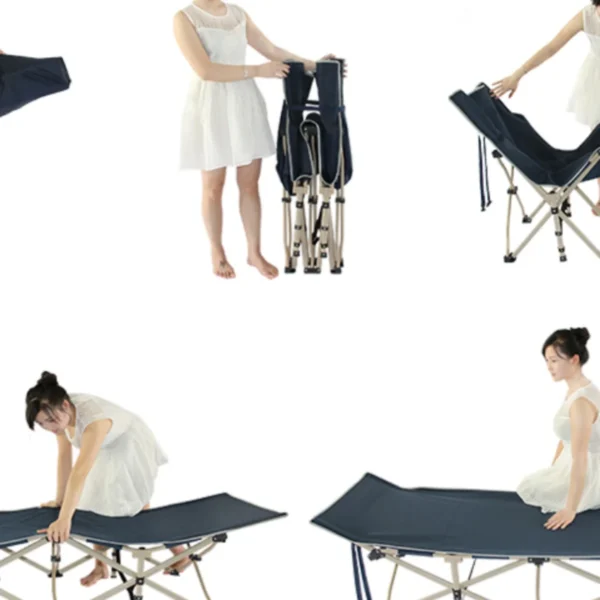
Portable Folding Bed for Office Naps & Outdoor Adventures Rated 5.00 out of 5$168.06 – $305.16Price range: $168.06 through $305.16
-
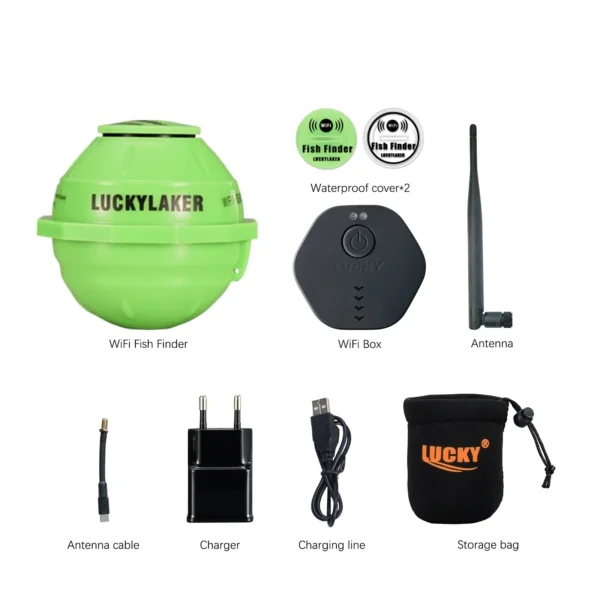
Revolutionize Your Fishing with Lucky Smart Wi-Fi Fish Finder Rated 5.00 out of 5
$197.75Original price was: $197.75.$137.82Current price is: $137.82.



Product Gallery
-
 Ultimate 2-3 Person Inflatable Kayak for Fishing Fun Rated 5.00 out of 5$1,081.72 – $1,095.09Price range: $1,081.72 through $1,095.09
 -
VEVOR 550 lb Heavy-Duty Folding Wagon & Bench for Adventurers
$155.14 – $252.20Price range: $155.14 through $252.20
-
BISINNA One-Touch Titanium Tent for 3-4 Campers, Adventure Ready Rated 4.36 out of 5
$311.78Original price was: $311.78.$217.30Current price is: $217.30.






 Camping Gear
 Camping Chair
 Camping Table
 Camping Bed
 Sleeping Gear
 Storage Bags
 BBQ Portable
 Sleeping Bags
 Camping Tents
 Gazebos
 Outdoor Cooler
 Cookware
 Power
Power Camping Light
 Flashlight
 Portable Solar
 Power Banks
 Fish Finders
 Fishing Bags
 Fishing Jerseys
 Fishing Reels
 Fishing Chairs
 Fishing Bait Boat
 Fishing Floats
 Hard Baits
 Hiking Vests
 Outdoor Bags
 Water Filters
 Paracord
 Walkie Talkie
 Paddleboards
 Boats
Boats Sea Scooter
 Accessories
 Electric Bike
 Electric Scooter
Recent Comments