<h1>How to Choose the Right Family Camping Tent For Your Needs</h1>
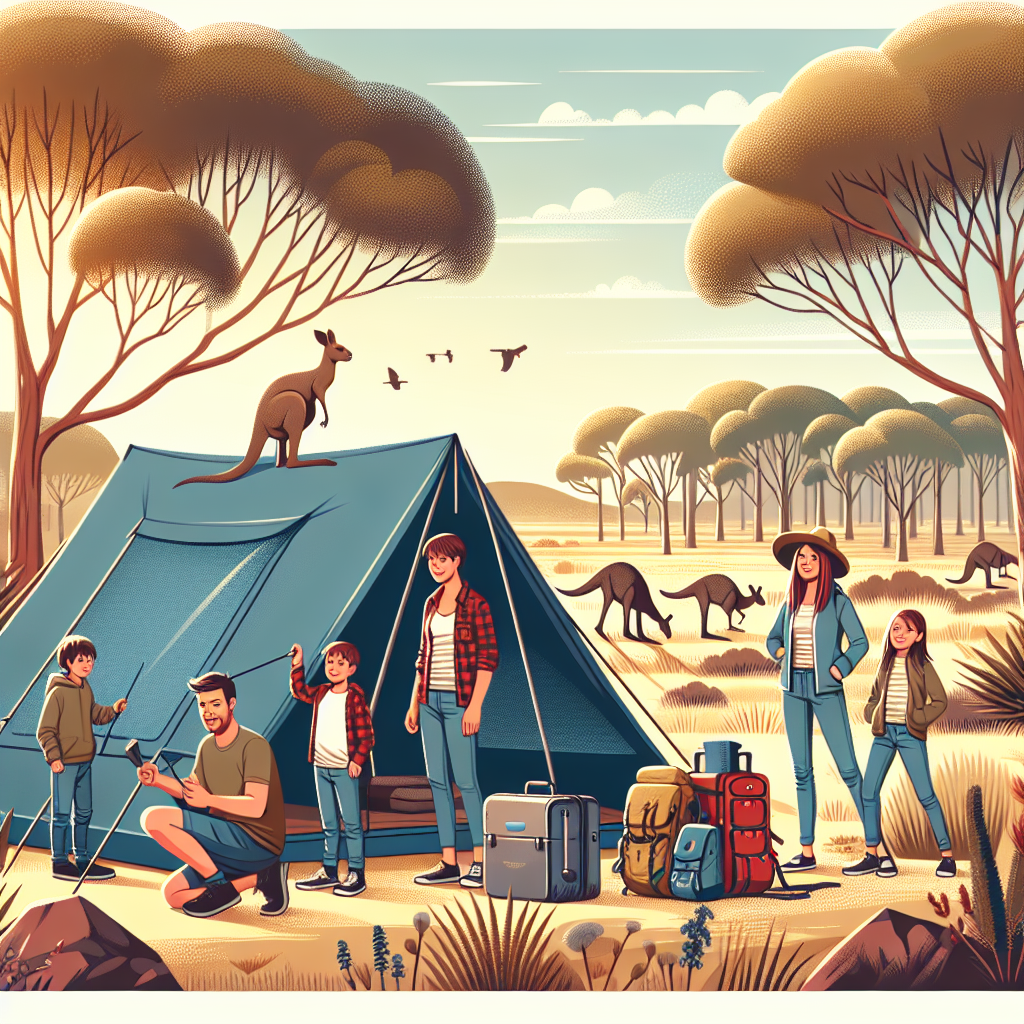
<p>Planning a family camping trip? Awesome! Few things beat bonding in the great outdoors, campfire stories, and sleeping under the stars. But before you pack your marshmallows and head out, let's talk about one essential item that can make or break your adventure: the family camping tent. Choosing the right one can seem overwhelming, but don't worry—I'm here to guide you through it. We'll cover everything from size and shape to features and fabrics, ensuring you find the perfect temporary home for your crew.</p>
<h2>Why the Right Tent Matters: More Than Just Shelter</h2>
<p>

 Let me explain why picking the right tent is more than just about having a place to sleep. It's about comfort, safety, and creating lasting memories. A cramped tent can lead to grumpy campers, while a poorly constructed one might leave you battling leaks in the middle of the night. The right tent, however, becomes a cozy haven where your family can relax, play games, and recharge for the next day's adventures.

</p>
<h2>Sizing It Up: How Much Space Do You Really Need?</h2>
<p>Okay, let's talk space. Tent sizes are often listed by the number of people they *can* theoretically fit, but honestly, those numbers are often optimistic. Think sardines in a can! A good rule of thumb is to add two extra "berths" to the number of people you'll have in the tent. So, for a family of four, look for a six-person tent. This allows room for sleeping bags, gear, and a little bit of personal space – essential for maintaining sanity on longer trips.</p>
<p>

You know what? Thinking about space is crucial. Sure, we could all squeeze into a small tent, but who wants to be tripping over each other all night? Consider it an investment in family harmony!

</p>
<h2>Types of Family Camping Tents: From Domes to Cabins</h2>
<p>Tents come in all shapes and sizes, each with its own set of pros and cons. Let’s break down some of the most popular types:</p>
<h3>Dome Tents: The Classic Choice</h3>
<p>Dome tents are a classic for a reason: they're generally easy to set up, relatively lightweight, and offer good stability. The curved shape helps them shed wind and rain effectively. However, the sloping walls can reduce usable space, especially near the edges.</p>
<h3>Cabin Tents: Roomy and Rectangular</h3>
<p>Cabin tents, on the other hand, feature near-vertical walls, maximizing headroom and creating a more spacious feel. They're great for families who like to spread out and move around comfortably inside the tent. The downside? They can be bulkier and less aerodynamic than dome tents, making them less suitable for windy conditions.  Think of them as the mini-vans of the tent world - loads of space but not exactly built for speed or extreme weather.</p>
<h3>Tunnel Tents: Long and Livable</h3>
<p>Tunnel tents are characterized by their arched, elongated shape. They often provide a generous amount of living space and are popular in Europe. These tents require careful staking for stability, and may not be ideal for very exposed campsites.</p>
<h3>Geodesic and Semi-Geodesic Tents: Weather Warriors</h3>
<p>Geodesic tents feature a network of poles that intersect to create a self-supporting structure. This design makes them incredibly strong and stable in high winds and heavy snow. Semi-geodesic tents offer a similar level of stability but with fewer poles, making them somewhat lighter and easier to set up. These are your go-to options for serious weather conditions - like camping in Scotland, or scaling a mountain!</p>
<h3>Pop-Up Tents: Instant Gratification</h3>
<p>Pop-up tents are all about convenience. They literally "pop" into shape in seconds, making them perfect for festivals or quick weekend getaways. The downside is that they're often less durable and offer less weather protection than other types of tents. Packing them away can also be a bit of a puzzle!</p>
<p>

 So, there you have it – a quick rundown of tent types. Each excels in different areas. It's all about figuring out what you value most in your camping experience.

</p>
<h2>Material Matters: What Your Tent Is Made Of</h2>
<p>The fabric of your tent plays a huge role in its performance. Let's look at the common materials used:</p>
<h3>Polyester: The Budget-Friendly Option</h3>
<p>Polyester is a synthetic fabric known for its durability, water resistance, and resistance to UV damage. It's a popular choice for family camping tents because it's relatively affordable and easy to care for. However, it's not as breathable as other materials, which can lead to condensation inside the tent. It's like the workhorse of tent materials; reliable and gets the job done.</p>
<h3>Nylon: Lightweight and Strong</h3>
<p>Nylon is another synthetic fabric that's even lighter and stronger than polyester. It also offers better abrasion resistance. However, nylon tends to stretch when wet, which can cause the tent to sag. It's often coated with silicone or polyurethane to enhance its water resistance. Nylon is your lightweight champion, ideal if you're counting grams on a backpacking and camping adventure.</p>
<h3>Canvas: The Classic Choice</h3>
<p>Canvas tents are made from cotton or a cotton-polyester blend. They're known for their breathability, durability, and resistance to UV damage. Canvas tents also tend to be quieter in the wind and offer better insulation than synthetic tents. The downside is that they're much heavier and more expensive than polyester or nylon tents and require more care to prevent mildew. They are the "old-school cool" option – durable and comfortable, but heavy and pricier.</p>
<p>

 Honestly, understanding these materials can save you from a soggy camping trip. Don't skimp on this – it's worth it, trust me!

</p>
<h2>Waterproof Wonders: Keeping the Rain Out</h2>
<p>Waterproofing is essential for any camping tent. Look for tents with a waterproof rating, measured in millimeters (mm). Here's a general guide:</p>
<ul>

    <li><strong>800mm - 1500mm:</strong> Suitable for light rain and occasional showers.</li>

    <li><strong>1500mm - 3000mm:</strong> Good for moderate rain and general camping conditions.</li>

    <li><strong>3000mm+:</strong> Designed for heavy rain and extended exposure to wet conditions.</li>

</ul>
<p>Also, pay attention to the seams. Look for tents with taped or sealed seams, which prevent water from seeping through the stitching. A bathtub floor (where the floor material extends up the sides of the tent) is another great feature that helps keep water out.</p>
<p>

  Waterproof ratings might sound like technical jargon, but it's simple: the higher the number, the drier you'll stay. Don't risk waking up in a puddle!

</p>
<h2>Ventilation is Key: Preventing Condensation</h2>
<p>Condensation can be a major issue in tents, especially in humid conditions. Look for tents with good ventilation, such as mesh windows, roof vents, and adjustable vents. These features allow air to circulate, reducing condensation and keeping you comfortable. Some tents even have a double-wall construction, which separates the inner tent from the outer rainfly, further reducing condensation. No one wants to feel like they're sleeping in a plastic bag!</p>
<h2>Easy Setup: Because Nobody Likes a Tent Frustration</h2>
<p>Setting up a tent shouldn't require an engineering degree. Look for tents with simple, intuitive designs and clear instructions. Color-coded poles and clips can be a lifesaver. Practice setting up the tent in your backyard before your trip to avoid any surprises at the campsite. Trust me, your family will thank you!</p>
<h2>Features to Consider: Making Camping More Comfortable</h2>
<p>Here are some extra features that can enhance your family camping experience:</p>
<ul>

    <li><strong>Vestibules:</strong> Covered areas outside the tent entrance, ideal for storing muddy boots and gear.</li>

    <li><strong>Gear Lofts and Pockets:</strong> Provide extra storage space for small items like phones, keys, and headlamps.</li>

    <li><strong>Electrical Cord Access Ports:</strong> Allow you to run an extension cord into the tent for lights or charging devices (when available at the campsite).</li>

    <li><strong>Room Dividers:</strong> Create separate "rooms" within the tent for added privacy.</li>

    <li><strong>Large Doors and Windows:</strong> Make it easier to get in and out and offer better views of the surrounding scenery.</li>

</ul>
<p>

You know what? It’s the little things that make a big difference. These features aren't essential, but they sure can make camping a lot more enjoyable!

</p>
<h2>Durability and Reliability: Built to Last</h2>
<p>A good family camping tent should be built to withstand the rigors of outdoor use. Look for tents with sturdy poles, reinforced seams, and durable zippers. Read online reviews to get an idea of how well a particular tent holds up over time. Investing in a high-quality tent will save you money in the long run by avoiding the need for frequent replacements.</p>
<h2>Weight and Packability: How Easy Is It to Transport?</h2>
<p>Weight and packability are important considerations, especially if you'll be carrying the tent for any distance. Look for tents that are lightweight and compact when packed. Compression sacks can help reduce the packed size of the tent. If you're car camping, weight is less of a concern, but packability is still important for efficient storage.</p>
<h2>Price vs. Quality: Finding the Sweet Spot</h2>
<p>Family camping tents range in price from relatively affordable to quite expensive. It's important to find a balance between price and quality. While it's tempting to go for the cheapest option, remember that you often get what you pay for. A higher-priced tent may offer better durability, weather protection, and features, making it a worthwhile investment.</p>
<p>Consider your budget and how often you plan to go camping. If you're a frequent camper, it's worth investing in a higher-quality tent that will last for years. If you only go camping occasionally, a more affordable option may suffice.</p>
<p>

Let me explain: don't just jump at the cheapest tent you find. Think of it as an investment in future camping adventures. Spending a little more now can save you headaches later.

</p>
<h2>Caring for Your Tent: Making It Last</h2>
<p>Proper care is essential for extending the life of your tent. Here are some tips:</p>
<ul>

    <li><strong>Always clean and dry your tent thoroughly before storing it.</strong> This prevents mildew and damage to the fabric.</li>

    <li><strong>Store your tent in a dry, cool place.</strong> Avoid storing it in direct sunlight or in a damp basement.</li>

    <li><strong>Use a footprint or ground tarp under your tent.</strong> This protects the floor from abrasion and punctures.</li>

    <li><strong>Repair any tears or damage promptly.</strong> Small tears can quickly become larger problems if left unattended.</li>

    <li><strong>Use tent seam sealer to reinforce the seams, especially in high-wear areas.</strong></li>

</ul>
<p>

Honestly, taking care of your tent is like maintaining any other piece of valuable gear. A little effort goes a long way!

</p>
<h2>So, Which Tent Is Right for You? A Quick Recap</h2>
<p>Choosing the right family camping tent involves considering several factors, including size, type, material, waterproofing, ventilation, ease of setup, features, durability, weight, and price. By carefully evaluating your needs and preferences, you can find the perfect tent for your family's camping adventures.</p>
<p>Happy camping!</p>
<!-- FAQ Section -->

<h2>Frequently Asked Questions</h2>
<div class="faq-item">

    <div class="faq-question"><strong>What size tent do I really need for my family?</strong></div>

    <div class="faq-answer">As a general rule, it's best to choose a tent that is rated for at least two more people than will actually be sleeping in it. So, if you are a family of four, consider a six-person tent to allow room for gear and comfortable sleeping arrangements.</div>

</div>
<div class="faq-item">

    <div class="faq-question"><strong>What's the difference between polyester and nylon tent fabrics?</strong></div>

    <div class="faq-answer">Polyester is more affordable and resistant to UV damage but less breathable. Nylon is lighter and stronger but can stretch when wet. Both are good options depending on your priorities.</div>

</div>
<div class="faq-item">

    <div class="faq-question"><strong>How important is the waterproof rating of a tent?</strong></div>

    <div class="faq-answer">The waterproof rating is extremely important, especially if you anticipate camping in wet conditions. A rating of 1500mm-3000mm is suitable for moderate rain, while 3000mm+ is recommended for heavy rain.</div>

</div>
<div class="faq-item">

    <div class="faq-question"><strong>What can I do to prevent condensation inside my tent?</strong></div>

    <div class="faq-answer">Ensure your tent has good ventilation by opening windows and vents. Double-wall tents are also effective at reducing condensation. Avoid touching the tent walls to prevent moisture transfer.</div>

</div>
<div class="faq-item">

    <div class="faq-question"><strong>How can I make my tent last longer?</strong></div>

    <div class="faq-answer">Always clean and dry your tent thoroughly before storing it, store it in a cool, dry place, use a footprint or ground tarp, and repair any tears or damage promptly.</div>

</div>
<div class="faq-item">

    <div class="faq-question"><strong>Are pop-up tents a good option for family camping?</strong></div>

    <div class="faq-answer">Pop-up tents are convenient for quick setups, but they are often less durable and offer less weather protection compared to other tent types, making them less ideal for extended family camping trips.</div>

</div>
<div class="faq-item">

    <div class="faq-question"><strong>What are the benefits of having a tent with a vestibule?</strong></div>

    <div class="faq-answer">A vestibule is a covered area outside the tent entrance that provides extra storage space for muddy boots, gear, and other items, helping to keep the inside of your tent clean and organized.</div>

</div>
#### Disclaimer
<p><em>Disclaimer:</em> This article provides general advice on choosing a family camping tent based on our experience and research. Camping involves inherent risks, and conditions can vary widely. Always prioritize safety and be prepared for unexpected weather. Check local regulations and guidelines before camping. We are not responsible for any injury, loss, or damage resulting from the use of information provided in this article. Consult with experienced outdoor professionals for specific advice tailored to your needs and location.</p>
<p>

 Remember, this guide is just a starting point. The best tent for YOU will depend on your specific needs, budget, and camping style. Do your research, read reviews, and don't be afraid to ask questions. Happy camping! <a href="https://www.rei.com/learn/expert-advice/family-camping-checklist.html" target="_blank" rel="nofollow">REI's Family Camping Checklist</a> is a great external source for further preparation.

</p>

<p>

For additional camping tips, check out this informative resource from the National Park Service: <a href="https://www.nps.gov/subjects/camping/safety.htm" target="_blank" rel="nofollow">NPS Camping Safety Tips</a>.

</p>
<script>

    // JavaScript to handle FAQ accordion functionality

    document.addEventListener('DOMContentLoaded', function() {

        const faqItems = document.querySelectorAll('.faq-item');
faqItems.forEach(item => {

            const question = item.querySelector('.faq-question');

            question.addEventListener('click', () => {

                item.classList.toggle('active');

            });

        });

    });

</script>



 Ultimate AONIJIE Soft Flask 1000 ml/2000 ml with Water Filter Rated 5.00 out of 5
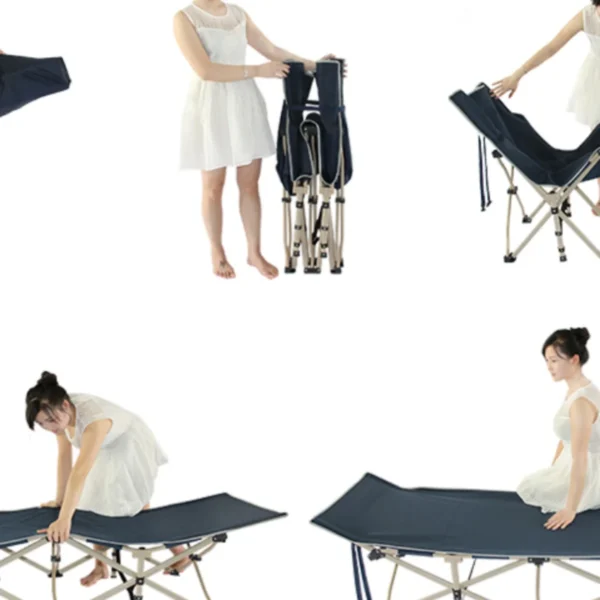
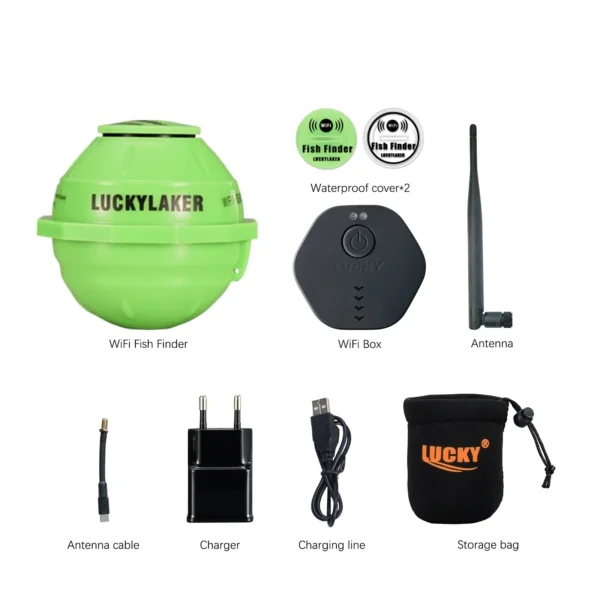


 Ultimate 2-3 Person Inflatable Kayak for Fishing Fun Rated 5.00 out of 5$1,092.43 – $1,105.95Price range: $1,092.43 through $1,105.95












 Camping Gear
 Camping Chair
 Camping Table
 Camping Bed
 Sleeping Gear
 Storage Bags
 BBQ Portable
 Sleeping Bags
 Camping Tents
 Gazebos
 Outdoor Cooler
 Cookware
 Power
Power Camping Light
 Flashlight
 Portable Solar
 Power Banks
 Fish Finders
 Fishing Bags
 Fishing Jerseys
 Fishing Reels
 Fishing Chairs
 Fishing Bait Boat
 Fishing Floats
 Hard Baits
 Hiking Vests
 Outdoor Bags
 Water Filters
 Paracord
 Walkie Talkie
 Paddleboards
 Boats
Boats Sea Scooter
 Accessories
 Electric Bike
 Electric Scooter
Recent Comments