

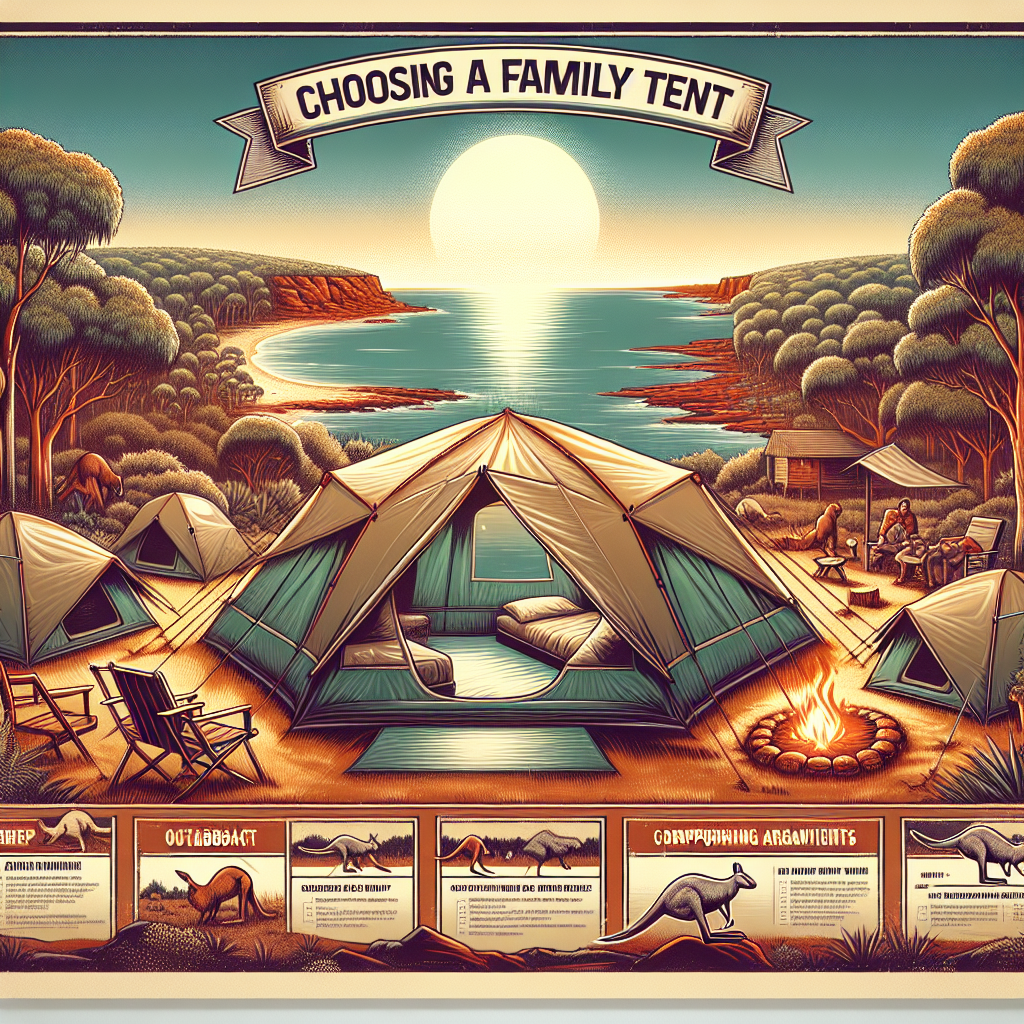

Planning a family camping trip? Awesome! Getting everyone together in the great outdoors can be an incredible experience. But let’s be real, the success of your trip often hinges on one crucial piece of gear: your tent. Not just any tent, mind you, but the right tent for your family. It’s not about just slapping up any old shelter; it’s about making a home away from home where everyone can sleep comfortably, store their stuff, and maybe even play a game of cards if the weather turns sour. Choosing the perfect family tent might seem daunting, but don’t worry, we’re here to guide you through it. Consider this your roadmap to happy campers.
Why the Right Tent Matters for Family Camping
So, why is tent selection such a big deal? Well, picture this: You’re miles from civilization, the sun’s setting, and the kids are starting to get cranky. Suddenly, a downpour starts, and you realize your tent is leaking like a sieve. Not exactly the recipe for a relaxing vacation, is it? A good family tent provides more than just shelter; it delivers comfort, security, and a central hub for all your camping activities. Think of it as your mobile base camp, protecting you from the elements and offering a sanctuary after a long day of hiking and exploring.
Understanding Family Tent Sizes and Capacities
Okay, let’s talk numbers. Tents are typically labeled with a “person capacity,” like a 4-person tent or an 8-person tent. Now, here’s the thing: these numbers can be a little… optimistic. Manufacturers often assume people will be sleeping shoulder-to-shoulder, with minimal gear inside. For a family, it’s usually best to size up. A good rule of thumb? If you have four people in your family, consider a 6-person or even an 8-person tent. Extra space is your friend – trust me! This gives everyone room to stretch out, plus space for storing backpacks, sleeping bags, and all the other paraphernalia that comes with family camping. Cramped quarters lead to cranky campers, and nobody wants that!
Key Features to Consider in a Family Tent
Beyond size, tons of features make or break a family tent. What should you be looking for? Let’s get into the nitty-gritty:
Tent Types: Finding Your Perfect Style
There are several main types of family tents, each offering its own pros and cons. Let’s break down the common ones:
Dome Tents: The Classic Choice
Dome tents are probably what you picture when you think of a tent. They’re generally easy to set up, relatively lightweight, and offer good stability. Their curved walls, however, can limit headroom around the edges. For smaller families or shorter trips, a dome tent can be a solid choice. Think of it as the reliable sedan of the tent world – dependable, functional, but maybe not the most luxurious option out there.
Cabin Tents: Stand Up and Stretch
Cabin tents, on the other hand, are designed with vertical walls, providing much more headroom throughout the tent. This makes them feel more spacious and comfortable, especially for taller folks. Some cabin tents even have room dividers, allowing you to create separate “rooms” for added privacy. The downside? They can be heavier and bulkier than dome tents, and may not be as stable in strong winds. But if comfort and space are your top priorities, a cabin tent might be just the ticket.
Tunnel Tents: Spacious and Weather-Resistant
Tunnel tents are shaped like, well, a tunnel! They offer excellent space and often boast great weather resistance, thanks to their aerodynamic shape. They typically require more stakes to set up properly and can be a bit trickier to pitch than dome tents. But if you’re camping in an area known for unpredictable weather, the extra protection might be worth the effort. They’re like the SUVs of the tent world – ready to tackle any terrain.
Want a more visual guide? Check out REI’s Guide to Family Camping Tents for detailed breakdowns and comparisons.
Inflatable Tents: The New Kids on the Block
Inflatable tents (also known as air tents) are a relative newcomer to the camping scene. Forget fiddling with poles – you simply pump them up with air! This makes setup incredibly quick and easy, even for one person. They also tend to be very sturdy and weather-resistant. The downsides? They can be expensive, and you’ll need to bring a pump. Are they worth the investment? It depends on how much you value convenience and ease of setup. Honestly, they’re pretty cool.
Weather Resistance: Staying Dry and Comfortable
Let’s face it, even the best-laid camping plans can be derailed by bad weather. When choosing a family tent, pay close attention to its weather resistance:
Waterproof Ratings: Deciphering the Numbers
Tent fabrics are often rated by their “hydrostatic head,” which is a measure of how much water pressure the fabric can withstand before leaking. A rating of 1500mm is generally considered waterproof, but higher numbers indicate better protection. Also, make sure the tent has a bathtub floor (where the floor material extends up the sides a few inches) to prevent water from seeping in through the seams. It’s all about those details!
Wind Resistance: Staying Stable in a Storm
Look for tents with sturdy poles and a low profile, as these will generally perform better in windy conditions. Guy lines (ropes that attach to the tent and are staked to the ground) are also crucial for adding stability. When setting up your tent, be sure to stake it down properly and use all the guy lines, even if the weather seems calm. A sudden gust of wind can quickly turn a relaxing camping trip into a frantic battle to save your tent!
You know what’s really important? Good stakes. Seriously!
Ventilation: Preventing Condensation
Condensation can be a major problem in tents, especially when a bunch of people are sleeping inside. Look for tents with good ventilation, such as vents in the roof or windows that can be opened and closed. Mesh panels are also a great way to improve airflow while keeping bugs out. Proper ventilation helps prevent that clammy, uncomfortable feeling and can even reduce the risk of mold and mildew.
Ease of Setup: Getting Your Camp Ready Quickly
Unless you enjoy spending hours wrestling with tent poles, ease of setup is a key consideration for family camping. Look for tents with simple, intuitive designs and clear instructions. Practice setting up the tent at home before your trip, so you’re not fumbling around in the dark at the campsite. Color-coded poles and clips can also make the process much easier. And remember, inflatable tents offer the ultimate in hassle-free setup.
Durability: Choosing a Tent That Lasts
A good family tent is an investment, so you want to choose one that will last for years to come. Look for tents made from durable materials, such as ripstop nylon or polyester. Check the quality of the zippers, seams, and other hardware. Reinforced stress points can also help prevent wear and tear. And remember to properly care for your tent – clean it after each use, store it in a dry place, and repair any damage promptly.
Storage and Organization: Keeping Things Tidy
Family camping often involves a lot of gear, so storage and organization are crucial. Look for tents with pockets, gear lofts, and other storage features to help keep things tidy. A tent with a large vestibule (an enclosed porch area) can also be useful for storing muddy boots and other items you don’t want inside the tent. The more organized your tent, the more enjoyable your camping experience will be. You heard it here first!
Top Family Tent Brands and Models
With so many tents on the market, it can be tough to know where to start. Here are a few of the top brands and models to consider:
- REI Co-op: Known for high-quality, durable tents with innovative designs. The REI Co-op Base Camp is a popular choice for families.
- Coleman: A classic camping brand offering a wide range of affordable and reliable tents. The Coleman Sundome is a great option for budget-minded campers.
- Marmot: Popular premium Gear: marmot Limestone is a long lasting tent for any camping
- Big Agnes: Known for lightweight, high-performance tents designed for backpacking and camping. The Big Agnes Big House series is a popular choice for families who want a balance of space and portability.
- Vango: A UK-based brand specializing in innovative, high-quality tents. Vango AirBeam tents are known for their quick and easy inflatable setup.
Remember to read reviews and compare features before making your final decision. What works well for one family might not be the best fit for another, so do your research and choose wisely.
Tips for Setting Up Your Family Tent
Setting up a family tent can be a team effort, but with a few tips and tricks, you can make the process go smoothly:
- Choose the Right Campsite: Look for a flat, level spot that’s free of rocks, roots, and other debris. Avoid pitching your tent under trees, as they can drop branches or sap.
- Lay Down a Ground Cloth: A ground cloth (also known as a footprint) protects the bottom of your tent from abrasion and moisture.
- Read the Instructions: Seems obvious, but seriously, read the instructions! Familiarize yourself with the setup process before you even arrive at the campsite.
- Work as a Team: Assign tasks to each family member to make the setup process faster and more efficient.
- Stake it Down Properly: Use all the stakes and guy lines to secure your tent to the ground. This is especially important in windy conditions.
- Take Your Time: Don’t rush the setup process. A little extra time spent setting up your tent properly can save you a lot of headaches later on.
Maintaining and Caring for Your Family Tent
To keep your family tent in good condition for years to come, follow these maintenance and care tips:
- Clean it After Each Use: Remove any dirt, debris, or moisture from the tent before storing it. Use a mild soap and water solution to clean stubborn stains.
- Dry it Thoroughly: Never store a wet tent! Allow it to air dry completely before packing it away.
- Store it Properly: Store your tent in a cool, dry place away from direct sunlight. Loosely roll or fold the tent instead of tightly compressing it.
- Inspect Regularly: Check your tent for any damage, such as tears, holes, or broken zippers. Repair any damage promptly to prevent it from getting worse.
- Use a Tent Repair Kit: Carry a tent repair kit with you on camping trips to fix minor damage on the spot.
Making Your Family Tent More Comfortable
A few extra touches can transform your family tent from a simple shelter into a cozy home away from home:
- Use Comfortable Sleeping Pads: Invest in high-quality sleeping pads for everyone in the family. This will make a huge difference in your comfort level.
- Bring Warm Sleeping Bags: Choose sleeping bags that are rated for the temperatures you expect to encounter on your camping trip.
- Add a Tent Carpet or Rug: A tent carpet or rug can make the floor of your tent feel warmer and more comfortable.
- Use String Lights: String lights can create a warm and inviting atmosphere inside your tent.
- Bring Games and Activities: Pack some games, books, and other activities to keep everyone entertained on rainy days or during downtime.
For more camping tips, check out the National Park Service’s Camping Guide.
FAQ: Your Family Tent Questions Answered
Got questions about family tents? We’ve got answers! Here are some commonly asked questions to help you make the right choice.
As a general rule, opt for a tent that has a person capacity rating higher than the number of people in your family. This ensures everyone has enough space to sleep comfortably and store their gear.
3-season tents are designed for spring, summer, and fall camping, while 4-season tents are built to withstand harsh winter conditions, including heavy snow and strong winds.
The waterproof rating (hydrostatic head) indicates how much water pressure the fabric can withstand before leaking. Aim for a rating of at least 1500mm for reliable waterproofness.
A vestibule is an enclosed porch area that provides extra storage space for muddy boots, backpacks, and other gear, keeping the inside of your tent cleaner and more organized.
To minimize condensation, choose a tent with good ventilation, such as vents in the roof or windows that can be opened. Also, avoid storing wet gear inside the tent.
Clean your tent with a mild soap and water solution after each use, and allow it to air dry completely before storing it in a cool, dry place away from direct sunlight. Avoid tightly compressing the tent when storing it.
Inflatable tents offer quick and easy setup, making them a convenient choice for families. However, they can be more expensive than traditional pole tents.
DISCLAIMER
Please note that camping involves inherent risks. It’s crucial to thoroughly research your destination, understand weather conditions, and be prepared for potential hazards. Ensure you have appropriate gear, know basic first aid, and always inform someone of your travel plans before embarking on any outdoor adventure. Never consume wild plants or fungi unless you are 100% certain of their identity and edibility. Stay informed about local regulations and guidelines. This article provides general information and should not be considered a substitute for professional advice or training.