

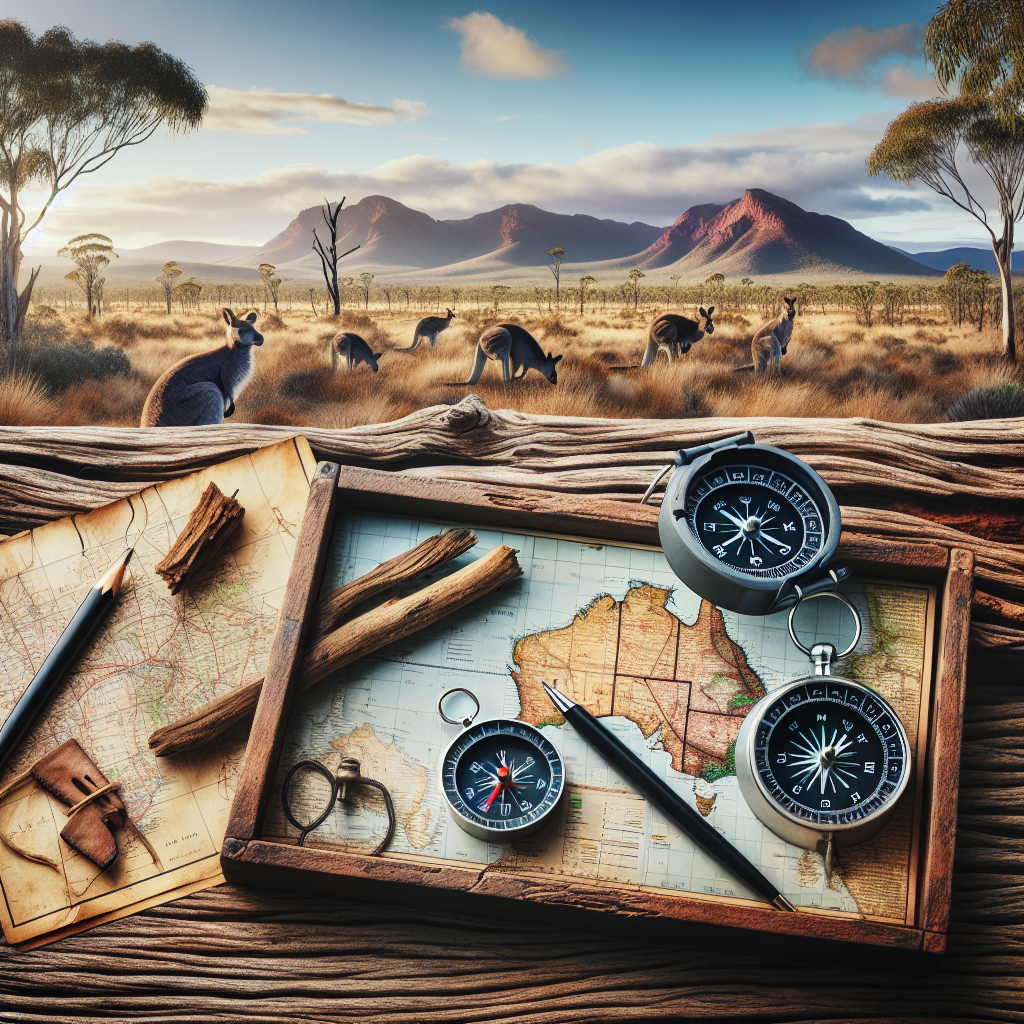
Titles Targeting Specific Aspects (e.g., reading a map, using a compass):

Heading out into the wilderness can be one of life’s most rewarding experiences. Imagine yourself surrounded by nothing but untouched nature, the scent of pine needles in the air, the crackling of a campfire under a starlit sky. Sounds amazing, right? But before you pack your bags and set off, there’s something crucial we need to nail down: staying safe and knowing exactly where you are.
This isn’t just about preventing a wrong turn; it’s about ensuring you return home safe, sound, and with stories that impress, not scare. Forget the “lost in the woods” trope—we want “master of the wilderness!” Whether you’re a seasoned trekker or a newbie camper, this guide will equip you with the essential navigation skills and safety knowledge to not just survive, but thrive, on your adventures.
Understanding the Basics: Maps, Compasses, and GPS
Okay, so let’s kick things off with the holy trinity of navigation: maps, compasses, and GPS. Now, I know what you might be thinking: “GPS is all I need!” And while GPS devices are fantastic tools, they’re not foolproof. Batteries die, signals get lost in dense forests, and sometimes, technology just decides to be uncooperative. That’s why knowing how to use a map and compass is essential, no matter how tech-savvy you are. These are skills that Mother Nature can’t disable with an EMP blast, you know?
Reading a Topographic Map: Unlocking the Earth’s Secrets
A topographic map isn’t just a pretty picture; it’s a detailed representation of the Earth’s surface. It shows you more than just roads and trails—it reveals elevation changes using contour lines. These lines connect points of equal elevation, giving you a visual sense of the terrain. Understand these, and you’re practically reading the landscape like a book.
Here’s the deal: Close contour lines mean steep slopes, while widely spaced lines indicate gentle terrain. Learn to identify these patterns, and you can anticipate what’s ahead, plan your route efficiently, and even spot potential hazards like cliffs or ravines before you stumble upon them.
Map legends are your best friend. They explain the symbols used on the map, from trail markers to water sources to forest types. Never underestimate the power of a good legend! It’s kinda like having the decoder ring to the wilderness. Trust me, taking the time to understand it can save you a lot of headaches (and potentially more) later.
Plus, familiarizing yourself with common map scales (like 1:24,000) will help you estimate distances accurately. Ever wonder how cartographers create these maps? It’s a fascinating blend of aerial photography, surveying, and, these days, laser scanning! So, when you’re poring over a map, remember, you’re holding a piece of art as well as a vital piece of navigational equipment.
Mastering the Compass: Your True North Navigator
Next up, the compass. This simple yet ingenious device has guided explorers for centuries, and it’s still indispensable today. At its heart, a compass is just a magnetized needle that aligns with the Earth’s magnetic field, pointing towards magnetic north, which isn’t exactly true north, but we’ll get to that in a sec.
The key to using a compass effectively is understanding its parts: the baseplate, the magnetic needle, the rotating bezel (or azimuth ring), and the direction-of-travel arrow. It might sound daunting at first, but with a little practice, you’ll be a pro in no time.
Here’s where declination comes into play. Declination is the angle difference between magnetic north (where your compass points) and true north (the actual North Pole). This difference varies depending on your location and is marked on most topographic maps. You’ll need to adjust your compass for declination to get accurate bearings. Think of it as calibrating your compass to reality, because honestly, who wants to end up miles off course?
Taking a bearing involves pointing the direction-of-travel arrow on your compass towards your destination, rotating the bezel until the orienting arrow aligns with the magnetic needle, and then following that direction while using the compass to regularly check if it is still inline with your target. It’s a bit like setting a course on a ship—steady as she goes!
Practice using your compass in familiar areas before heading into the backcountry. Get comfortable with taking bearings, following them, and adjusting for declination. Remember, practice makes perfect… or at least keeps you from wandering in circles!
GPS Devices: Tech’s Gift to the Outdoors (With Caveats)
Now, let’s talk GPS. Global Positioning System devices are incredible. They use a network of satellites to pinpoint your location on Earth, providing accurate coordinates, elevation data, and even real-time tracking. Many modern GPS units also come with preloaded maps, compasses, and other useful features.
But, and this is a big “but,” GPS devices are not infallible. They rely on batteries, which can die unexpectedly, especially in cold weather. They need a clear view of the sky to receive satellite signals, which can be blocked by dense forests or deep canyons. And, of course, they can malfunction or break down altogether.
Here’s the thing: Treat your GPS as a tool, not a crutch. Always carry a map and compass as a backup, and know how to use them. Use your GPS to confirm your location and plan your route, but don’t rely on it solely. It’s a bit like having a superpower, but still knowing how to throw a punch, just in case. Plus, learning to navigate without it enhances your connection to the land, and, let’s be honest, it’s incredibly satisfying.
And, before you head out, make sure your GPS is fully charged, loaded with the correct maps for your area, and that you know how to operate it in adverse conditions. Some GPS devices are more rugged and weather-resistant than others, so choose one that’s appropriate for your intended use. Because no one wants their fancy gadget to conk out at a critical moment.
Advanced Navigation Techniques: Taking It to the Next Level
So, you’ve got the basics down. Awesome! Now let’s crank it up a notch. Advanced navigation isn’t just about knowing where you are; it’s about understanding the landscape, anticipating challenges, and adapting to changing conditions. It’s about becoming a true navigator, in tune with the natural world.
Orienteering: The Art of Race and Route-Finding
Orienteering is a sport that combines navigation with physical endurance. Participants use a map and compass to navigate through unfamiliar terrain, locating a series of control points as quickly as possible. While it’s a competitive sport, the skills learned in orienteering are invaluable for any backcountry traveler. Imagine it as a high-stakes scavenger hunt, where the prize is… survival? Okay, maybe that’s a bit dramatic, but you get the idea.
By participating in orienteering events or practicing orienteering techniques, you’ll sharpen your map reading skills, improve your compass proficiency, and develop a keen sense of terrain association. You’ll learn to quickly identify landmarks, estimate distances, and adapt your route on the fly. Plus, it’s a great workout! Kind of like exercising your brain and your body at the same time.
Even if you’re not interested in competitive orienteering, you can incorporate orienteering exercises into your hiking or camping trips. Set up a series of checkpoints along a trail, and use your map and compass to find them. This is a fun and engaging way to practice your skills and make your outdoor adventures more challenging and rewarding.
Using an Altimeter: Adding a Vertical Dimension
An altimeter is a device that measures altitude (elevation above sea level). Altimeters can be incredibly useful for navigation, especially in mountainous terrain where elevation changes can be dramatic.
By comparing your altimeter reading to the elevation contours on your topographic map, you can pinpoint your location with greater accuracy. This is particularly helpful in areas with few distinct landmarks. It’s like giving your map a third dimension, allowing you to “see” the landscape in a whole new way.
Keep in mind that altimeters can be affected by changes in atmospheric pressure. As weather systems move through an area, the air pressure can fluctuate, causing your altimeter to give inaccurate readings. To compensate for this, you’ll need to calibrate your altimeter regularly using a known elevation point, like a benchmark or a peak marked on the map.
Some GPS devices also have built-in altimeters. However, these devices typically rely on satellite data to determine altitude, which can be less accurate than a dedicated barometric altimeter. For serious backcountry navigation, a standalone altimeter is a worthwhile investment.
Using an altimeter feels a bit like cheating, because you suddenly have a new superpower. It’ll quickly become a part of your adventuring arsenal!
Night Navigation: When the Stars Are Your Guide
Navigating at night presents unique challenges. Visibility is reduced, landmarks can be difficult to identify, and disorientation is a real risk. But with the right techniques and preparation, you can navigate safely and confidently under the stars.
One of the most important things you can do is to familiarize yourself with the night sky. Learn to identify constellations and use them as reference points. The North Star (Polaris) is particularly useful, as it always points towards true north in the Northern Hemisphere. You can find it by following the “pointer stars” in the Big Dipper. It’s kind of empowering to know how to find your way by starlight isn’t it?
When navigating at night, use a headlamp with a red filter. Red light preserves your night vision better than white light, allowing you to see more in the dark. Also bring extra batteries, because Murphy’s Law.
Plan your route carefully, and stick to established trails whenever possible. Use your compass to take bearings to prominent landmarks, and follow them closely. Take frequent breaks to reorient yourself and check your progress. And always make sure you know where you came from!
Night navigation can be an incredibly rewarding experience. The wilderness takes on a different character in the dark, and the silence and solitude can be truly magical. But it’s also essential to approach it with caution and respect. After all, nobody wants to take an unexpected tumble in the dark.
Stay Safe Out There: Essential Safety Protocols
We’ve covered navigation so far, but let’s not neglect safety. It’s just as important—maybe even more so. Knowing how to avoid hazards, respond to emergencies, and ensure your well-being is paramount for any successful camping trip. Think of safety protocols as your wilderness armor, protecting you from the unexpected.
Weather Awareness: Mother Nature’s Mood Swings
Weather in the backcountry can change rapidly and dramatically. What starts as a sunny morning can quickly turn into a raging thunderstorm or a blinding snowstorm. That’s why it’s crucial to check the forecast before you go and to monitor conditions closely while you’re out there.
Pay attention to changes in temperature, wind speed and direction, cloud cover, and precipitation. Be aware of signs of impending storms, such as darkening skies, distant thunder, and a sudden drop in temperature. If you see these signs, seek shelter immediately. It’s always better to be safe than sorry. Nobody looks cool getting struck by lightning.
Also, be prepared for a variety of weather conditions. Pack layers of clothing that you can add or remove as needed. Bring rain gear, even if the forecast calls for sunshine. And don’t forget sunscreen, sunglasses, and a hat, even on cloudy days. The sun is always there, trust me.
There’s a saying: “There’s no such thing as bad weather, only bad clothing.” So, dress appropriately, stay informed, and be prepared to adapt to whatever Mother Nature throws your way.
Wildlife Encounters: Respecting the Wild’s Inhabitants
One of the best parts of camping is the chance to see wildlife in its natural habitat. But it’s important to remember that these animals are wild, and they can be unpredictable. Knowing how to avoid encounters and respond safely is essential for protecting both yourself and the animals.
Store food properly to avoid attracting animals to your campsite. Use bear canisters or hang your food from a tree at least 10 feet off the ground and 4 feet from the trunk. Never feed wild animals, as this can make them dependent on humans and aggressive towards them.
When hiking, make noise to alert animals to your presence. Carry bear spray in bear country, and know how to use it. If you encounter a bear, remain calm, speak in a normal voice, and slowly back away. Avoid direct eye contact, and never run. Running makes you look like prey. Same goes for other large animals, really.
Be particularly cautious during mating season or when animals have young. These are times when they are most likely to be aggressive. Keep a safe distance, and avoid approaching them. Remember, we’re visitors in their home. Let’s respect their space and their rules.
And, yes, even squirrels and chipmunks… don’t feed them!!
First Aid Essentials: Being Your Own Doctor in the Wilderness
No matter how careful you are, accidents can happen in the backcountry. A twisted ankle, a bug bite, a cut from a sharp rock—these things are all part of the experience. Knowing how to treat common injuries and illnesses is crucial for ensuring a safe and comfortable trip.
Carry a well-stocked first-aid kit that includes bandages, antiseptic wipes, pain relievers, antihistamines, blister treatment, and any personal medications you may need. Make sure you know how to use everything in the kit. No good carrying it if you have no clue what to do with it!
Learn basic first-aid skills, such as how to stop bleeding, treat burns, splint fractures, and administer CPR. Consider taking a wilderness first-aid course to gain more in-depth knowledge and hands-on experience.
Prevention is always the best medicine, so take steps to avoid injuries in the first place. Wear sturdy hiking boots to protect your ankles, use trekking poles for stability on steep terrain, and stay hydrated to prevent heat exhaustion. Look after yourself like you are the only doctor around.
And, of course, know your limitations. Don’t attempt to treat serious injuries or illnesses yourself. If necessary, call for help using a satellite phone or a personal locator beacon (PLB).
Emergency Communication: When Things Go South
Even with the best planning and preparation, things can sometimes go wrong. Someone gets injured, you get lost, or a sudden storm traps you in the backcountry. That’s why it’s essential to have a way to communicate with the outside world in case of an emergency.
Cell phones can be useful in some areas, but they often don’t have coverage in remote locations. A satellite phone provides more reliable communication, as it uses satellites to connect to the phone network. However, satellite phones can be expensive to purchase and operate.
A personal locator beacon (PLB) is a small, handheld device that transmits a distress signal to a satellite network when activated. This signal is then relayed to search and rescue authorities, who can pinpoint your location and send help. PLBs are relatively inexpensive and easy to use but only transmit a distress signal and cannot be used for two-way communication.
Before you head out, inform someone of your itinerary, including your planned route, expected return date, and emergency contact information. Check in with them regularly, and let them know if your plans change. It’s a simple step that can make a huge difference in case of an emergency.
Leave No Trace: Protecting Our Wild Spaces
Navigating and staying safe is one thing, but being a responsible camper means protecting the environment you’re exploring. “Leave No Trace” is a set of principles designed to minimize our impact on the natural world, ensuring that future generations can enjoy these wild places as much as we do.
Pack It In, Pack It Out: Your Garbage, Your Responsibility
This one is pretty straightforward: Whatever you bring into the backcountry, you take out with you. This includes food wrappers, empty containers, and any other trash you generate. Don’t bury your garbage, as animals can dig it up and scatter it around, or it can take decades to decompose. Pack it all out in trash bags and dispose of it properly when you return to civilization. It’s not hard, and it makes a huge difference.
Minimize Campfire Impacts: Fire Safety and Ethics
Campfires can be a wonderful part of the camping experience, but they can also have a significant impact on the environment. Build fires only in established fire rings or pits. Keep your fires small and contained, and never leave a fire unattended. When you’re done, make sure the fire is completely extinguished. Douse it with water, stir the ashes, and douse it again until it’s cold to the touch.
Avoid burning trash in your campfire. It creates toxic fumes and leaves behind unsightly residue. And never cut down live trees for firewood. Use only dead and downed wood, and gather it responsibly. It’s just good etiquette, right?
Respect Wildlife: Observe, Don’t Disturb
As we discussed earlier, it’s important to respect wildlife and avoid disturbing their natural habitat. Observe animals from a distance, and never approach them. Don’t feed wild animals or leave food out for them. Keep your campsite clean and free of food scraps. And keep your pets under control at all times.
Avoid making loud noises or engaging in other activities that could disturb wildlife. Remember, you’re a visitor in their home. Let’s treat it with respect and consideration and enjoy the peace and quiet!
Stay on Marked Trails: Protecting Fragile Ecosystems
When hiking, stay on marked trails whenever possible. This helps to protect fragile vegetation and prevent erosion. Avoid cutting switchbacks or creating new trails. These practices can damage the landscape and disrupt wildlife habitat. If you must leave the trail, choose durable surfaces like rock or sand and avoid trampling vegetation.
Staying on the trail also helps to minimize your impact on archaeological and historical sites. These sites are often located near trails, and it’s important to avoid disturbing them. Leave artifacts where you find them, and report any significant finds to the appropriate authorities.
Proper Human Waste Disposal: Protecting Water Sources
Human waste can contaminate water sources and spread disease. That’s why it’s essential to dispose of it properly. When there are no toilet facilities available, dig a cat hole 6-8 inches deep and at least 200 feet away from water sources, trails, and campsites. Deposit your waste in the hole and cover it with soil. Pack out your toilet paper or bury it deeply in the cat hole.
Never defecate in or near water sources, as this can contaminate the water and make it unsafe for drinking. And always wash your hands thoroughly after using the bathroom.
Let’s face it, no one likes talking about this, but it’s crucial for protecting our wild spaces.
Final Thoughts: Embrace the Adventure, Respect the Wild
Camping navigation and safety is more than just a set of skills; it’s a mindset. It’s about being prepared, aware, and respectful of the natural world. It’s about embracing the adventure while acknowledging the risks. And it’s about making informed decisions that protect both yourself and the environment.
So, go out there, explore, and discover the wonders of the wilderness. But do it safely, responsibly, and with a deep appreciation for the beauty and fragility of our planet. The memories you create will be well worth it.
Happy trails, and stay safe out there! You’ve got this!
FAQ Section
Check out these resources for more information about camping navigation and safety:
DISCLAIMER
Camping and outdoor activities involve inherent risks. This article provides general information and advice, but it is not a substitute for professional training or guidance. Always assess your own skills and abilities and take appropriate precautions to ensure your safety. Weather conditions, terrain, and wildlife can be unpredictable, and it is your responsibility to be prepared for any situation. The author and publisher assume no liability for any accidents, injuries, or damages that may occur as a result of engaging in camping or outdoor activities.
Categories
- Navigation & Safety (68)
- Shelter & Sleep (72)
Top rated products
-
 Ultimate AONIJIE Soft Flask 1000 ml/2000 ml with Water Filter Rated 5.00 out of 5
$41.58Original price was: $41.58.$28.98Current price is: $28.98. -
Portable Folding Bed for Office Naps & Outdoor Adventures Rated 5.00 out of 5$168.06 – $305.16Price range: $168.06 through $305.16
-
Revolutionize Your Fishing with Lucky Smart Wi-Fi Fish Finder Rated 5.00 out of 5
$197.75Original price was: $197.75.$137.82Current price is: $137.82.


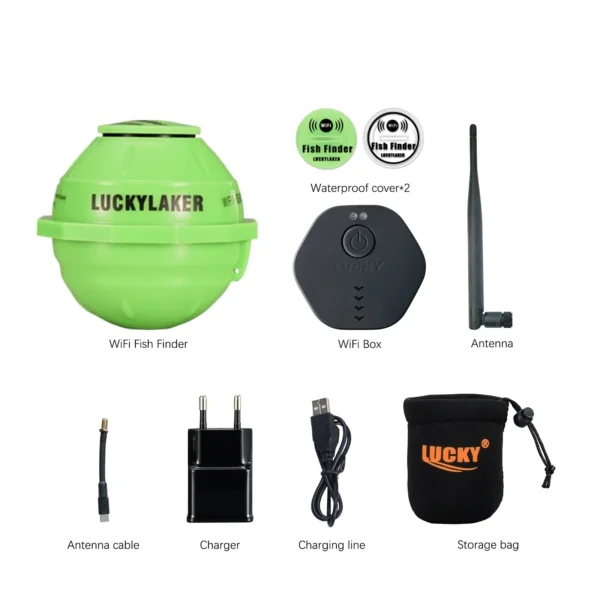


Product Gallery
-
 Ultimate 2-3 Person Inflatable Kayak for Fishing Fun Rated 5.00 out of 5$1,081.72 – $1,095.09Price range: $1,081.72 through $1,095.09
 -
VEVOR 550 lb Heavy-Duty Folding Wagon & Bench for Adventurers
$155.14 – $252.20Price range: $155.14 through $252.20
-
BISINNA One-Touch Titanium Tent for 3-4 Campers, Adventure Ready Rated 4.36 out of 5
$311.78Original price was: $311.78.$217.30Current price is: $217.30.










 Camping Gear
 Camping Chair
 Camping Table
 Camping Bed
 Sleeping Gear
 Storage Bags
 BBQ Portable
 Sleeping Bags
 Camping Tents
 Gazebos
 Outdoor Cooler
 Cookware
 Power
Power Camping Light
 Flashlight
 Portable Solar
 Power Banks
 Fish Finders
 Fishing Bags
 Fishing Jerseys
 Fishing Reels
 Fishing Chairs
 Fishing Bait Boat
 Fishing Floats
 Hard Baits
 Hiking Vests
 Outdoor Bags
 Water Filters
 Paracord
 Walkie Talkie
 Paddleboards
 Boats
Boats Sea Scooter
 Accessories
 Electric Bike
 Electric Scooter
Recent Comments