



Planning a family camping trip? Awesome! But before you start picturing roasting marshmallows and telling campfire stories, let’s talk tents. Because honestly, a miserable tent experience can put a damper on even the most stunning wilderness setting. Choosing the right family camping tent can make or break your adventure – and trust me, you want to break out the good times, not break down from frustration!
Why Your Tent is More Than Just Fabric
You see, your tent isn’t just a shelter; it’s your home away from home. It’s where you’ll sleep, change clothes, play games when it rains (and let’s face it, rain happens!), and ultimately, recharge for the next day’s adventures. Think of it as your basecamp, your sanctuary from bugs, sun, and the occasional curious critter.
Size Matters: Figuring Out Your Family Footprint
How big should your tent be? That’s the million-dollar question, isn’t it? Manufacturers tend to rate tent capacity based on how many people can *squeeze* in, shoulder-to-shoulder. Been there, done that – not recommended! A good rule of thumb is to add two people to the number in your family. So, a family of four should look for a six-person tent. This gives you room for gear, some personal space, and maybe even a little breathing room when someone’s snoring keeps you awake. Plus, you’ll appreciate the extra space if bad weather keeps you tent-bound for a day. Honestly, those extra square feet are worth their weight in gold – especially with kids.
Types of Tents for Happy Campers
Okay, so now you know your size. But did you know there’s a whole universe of tent types out there? Let’s break down some of the most common:
- Dome Tents: These are your classic, go-to tents. They’re relatively easy to set up, lightweight, and offer good stability in wind. Perfect for beginners!
- Cabin Tents: These tents have straight walls, offering more headroom and a more spacious feel. Great for families who plan to spend a lot of time in the tent. Think of it as a mobile cabin.
- Tunnel Tents: Tunnel tents are longer and provide a lot of living space. They’re generally more weather-resistant than dome tents, but can be a bit more challenging to set up.
- Pop-Up Tents: For ultimate convenience, you can’t beat a pop-up tent. They literally pop open in seconds, making them great for festivals or quick weekend trips. However, they can be less durable and offer less weather protection.
- Geodesic Tents: These are built for extreme weather conditions. The interlocking poles allow these tents to withstand heavy snow and strong winds. If you’re going on a serious excursion, definitely look into a geodesic tent.
Choosing the right type really depends on your camping style and where you plan to camp. A sprawling cabin tent might be great for a family campground, but overkill for backpacking in the mountains.
Material World: What Your Tent is Made Of
The fabric of your tent matters more than you think! It determines how well your tent protects you from the elements and how long it will last. Here’s the lowdown:
- Polyester: A common and affordable option. Polyester is lightweight, water-resistant, and resists stretching and shrinking. The higher the denier, the more durable it is.
- Nylon: Another popular choice, nylon is even lighter and stronger than polyester. However, it can be more expensive.
- Canvas: The old-school classic! Canvas is incredibly durable, breathable, and water-resistant (when properly treated). However, it’s also heavy and bulky, making it better suited for car camping.
You also want to pay attention to the tent floor. Look for a bathtub-style floor that extends up the sides of the tent a few inches – this helps prevent water from seeping in during rain. And don’t overlook the importance of a footprint, a custom-cut ground tarp that protects the bottom of your tent from abrasion and punctures. It’s a small investment that pays off big in the long run.
Weather or Not: Considering the Climate
Are you camping in the scorching desert, the humid tropics, or the chilly mountains? Your tent choice should reflect the climate you’ll be facing.
- For Hot Weather: Look for tents with plenty of mesh panels for ventilation. A light-colored tent will also reflect more sunlight and keep you cooler.
- For Cold Weather: Choose a tent with fewer mesh panels to retain heat. A rainfly that extends close to the ground will also help block drafts.
- For Rainy Weather: Waterproof is the name of the game! Look for a tent with a waterproof rainfly and sealed seams. A bathtub floor is also essential. Consider the hydrostatic head – the higher the number, the more waterproof the fabric. REI has a good article explaining this in more detail.
- For Windy Weather: Choose a tent with a sturdy frame and guy-out lines. Dome tents and tunnel tents generally perform well in wind.
Setup Simplicity: Because No One Likes a Tent Tantrum
Let’s be real: Nobody enjoys wrestling with a tent in the fading light of dusk, especially after a long drive. Look for a tent that’s easy to set up, ideally with color-coded poles and clear instructions. Practice setting it up in your backyard before your trip to avoid any surprises. Seriously, a practice run can save you from a major meltdown at the campsite. Trust me, I’ve been there!
Features That Make Life Easier (and More Fun!)
Beyond the basics, there are a few extra features that can make your camping experience even better:
- Vestibules: These are covered areas outside the tent door that provide extra storage space for muddy boots and gear.
- Gear Lofts and Pockets: These help you keep your tent organized and prevent you from tripping over everything in the middle of the night.
- Electrical Cord Access Ports: If you plan to use electricity at your campsite (for charging phones or running a fan), an access port is a must-have.
- Room Dividers: Some larger tents have room dividers that allow you to create separate sleeping areas for added privacy.
- Windows: Multiple windows with proper coverings that add natural lighting in the tent. Great for all day adventures that you spend inside the tent.
Cost Considerations: Finding the Sweet Spot
Tent prices can range from incredibly cheap to eye-wateringly expensive. While it’s tempting to go for the cheapest option, remember that you get what you pay for. A well-made tent will last for years and provide reliable protection from the elements. Think of it as an investment in your family’s outdoor adventures. Set a budget and research tents within that range, reading reviews and comparing features.
Care and Maintenance: Keeping Your Tent Happy
To keep your tent in tip-top shape, it’s important to take care of it. Always clean and dry your tent thoroughly before storing it. Store it in a cool, dry place, away from direct sunlight. Repair any tears or damage promptly to prevent them from getting worse. And never, ever pack it away wet – trust me on this one! You’ll be welcoming mold and mildew, and that’s never a fun discovery on your next camping trip.
Brands We Love (and Trust)
There are tons of tent brands out there, but some consistently deliver high-quality, reliable products. Here are a few of our favorites:
- REI Co-op
- Big Agnes
- MSR (Mountain Safety Research)
- Coleman
- North Face
- Kelty
Do some research, read reviews, and find a brand that aligns with your needs and budget. You know what? Sometimes buying from established brand ensures some after market support.
The Tent is Just the Beginning
Choosing the right tent is a big step, but remember, it’s just one piece of the puzzle! You’ll also need sleeping bags, sleeping pads, camping chairs, a stove, and all sorts of other gear to make your camping trip comfortable and enjoyable. But honestly, with a little planning and preparation, you can create memories that will last a lifetime. And maybe, just maybe, you’ll even discover a newfound appreciation for the great outdoors.
Ready to pitch the perfect tent?
So, there you have it – a comprehensive guide to choosing the perfect family camping tent. Take your time, do your research, and don’t be afraid to ask for advice from experienced campers. Happy camping!
FAQ – Your Burning Tent Questions Answered
I know, picking the right tent can feel a little overwhelming at first. Let me answer some of the most common questions I get asked:
DISCLAIMER
Please note that camping and outdoor activities involve inherent risks. Always prioritize safety and be aware of weather conditions, wildlife, and potential hazards. The information provided in this article is for general guidance only and should not be considered a substitute for professional advice or training. Always follow manufacturer’s instructions for your camping gear, and ensure you have the appropriate skills and knowledge before embarking on any outdoor adventure.
Categories
- Navigation & Safety (68)
- Shelter & Sleep (72)
Top rated products
-
 Ultimate AONIJIE Soft Flask 1000 ml/2000 ml with Water Filter Rated 5.00 out of 5
$41.58Original price was: $41.58.$28.98Current price is: $28.98. -
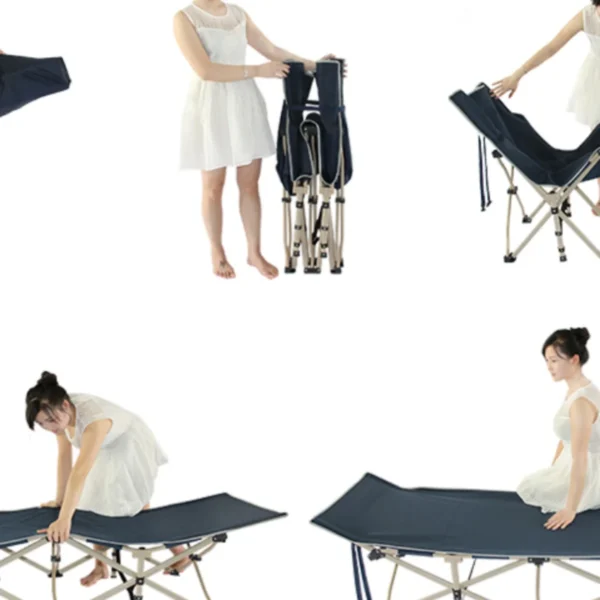
Portable Folding Bed for Office Naps & Outdoor Adventures Rated 5.00 out of 5$168.06 – $305.16Price range: $168.06 through $305.16
-
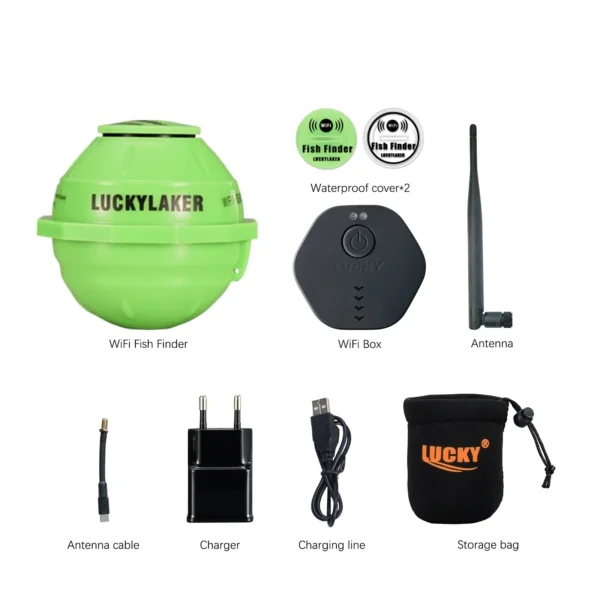
Revolutionize Your Fishing with Lucky Smart Wi-Fi Fish Finder Rated 5.00 out of 5
$197.75Original price was: $197.75.$137.82Current price is: $137.82.



Product Gallery
-
 Ultimate 2-3 Person Inflatable Kayak for Fishing Fun Rated 5.00 out of 5$1,081.72 – $1,095.09Price range: $1,081.72 through $1,095.09
 -
VEVOR 550 lb Heavy-Duty Folding Wagon & Bench for Adventurers
$155.14 – $252.20Price range: $155.14 through $252.20
-
BISINNA One-Touch Titanium Tent for 3-4 Campers, Adventure Ready Rated 4.36 out of 5
$311.78Original price was: $311.78.$217.30Current price is: $217.30.












 Camping Gear
 Camping Chair
 Camping Table
 Camping Bed
 Sleeping Gear
 Storage Bags
 BBQ Portable
 Sleeping Bags
 Camping Tents
 Gazebos
 Outdoor Cooler
 Cookware
 Power
Power Camping Light
 Flashlight
 Portable Solar
 Power Banks
 Fish Finders
 Fishing Bags
 Fishing Jerseys
 Fishing Reels
 Fishing Chairs
 Fishing Bait Boat
 Fishing Floats
 Hard Baits
 Hiking Vests
 Outdoor Bags
 Water Filters
 Paracord
 Walkie Talkie
 Paddleboards
 Boats
Boats Sea Scooter
 Accessories
 Electric Bike
 Electric Scooter
Recent Comments