

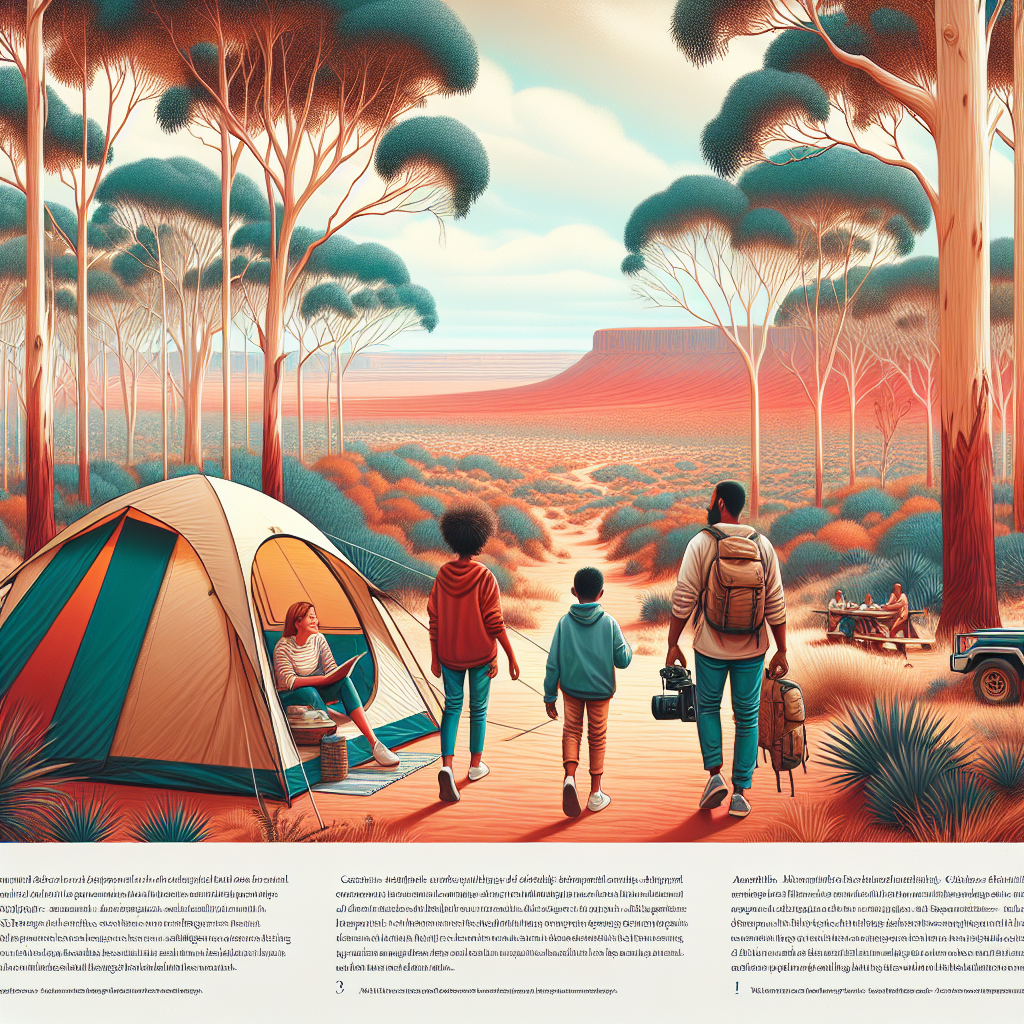
Family Camping Bliss: Select the Right Tent for Unforgettable Memories

Family camping trips? They’re not just vacations; they’re memory factories. Picture this: crackling campfire, gooey s’mores, and kids with faces illuminated by starlight. Magical, right? But let’s be honest, the key ingredient to unlock this idyllic scene is the humble tent. Choose wrong, and you might find yourself in a soggy, cramped disaster. Choose right, and you’ve built a cozy home away from home, a launchpad for adventure, and the backdrop for stories told for generations.
Why Your Tent Choice Matters: More Than Just Shelter
It’s easy to think of a tent as *just* a tent – a simple barrier against the elements. But think again. The tent is your basecamp, your dining hall on rainy evenings, maybe even your late-night storytelling den. A cramped tent can lead to crabby campers (trust me) and a miserable trip. A well-chosen one? It offers comfort, space to relax, and even a sense of security that makes the whole experience better. I mean, comfort is king (or queen!) when you’re trying to unplug and recharge.
Decoding Tent Types: From Cabins to Backpacking Shelters
Navigating the maze of tent types can feel daunting. But fear not! We’re breaking it down to the essentials. Understanding the basics helps to decide on what tent is right for you and your family.
Cabin Tents: Your Home Away From Home
Cabin tents are the SUVs of the tent world. They’re spacious, often tall enough to stand up in, and designed for comfort. Perfect for families who want room to spread out, these tents usually have near-vertical walls, maximizing usable space. They’re heavier and bulkier than other types, so car camping is a must. Ventilation is key, so look for models with plenty of windows and vents.
Dome Tents: The Versatile All-Rounder
Dome tents are a classic choice for a reason. They’re generally lightweight, easy to set up, and offer good weather resistance. Their curved walls provide decent headroom, and they’re available in sizes to suit small to medium-sized families. They’re a great option if you want a balance of portability and comfort.
Instant Tents: Pop-Up Paradise (Almost)
The name says it all. Instant tents boast super-quick setup times, making them ideal for impatient campers (we all have them in our families!). They often have pre-attached poles, so all you have to do is unfold and click them into place. While convenient, they can be bulkier when packed and may not be as sturdy as other types in strong winds.
Backpacking Tents: Lightweight Champions (For Minimalist Families)
Okay, backpacking tents aren’t usually the first choice for *family* camping unless your family is into serious backpacking adventures. These tents prioritize weight and packability, often sacrificing space and comfort. They’re designed for carrying on your back, so they’re generally smaller and lighter than other types.
Geodesic and Semi-Geodesic Tents: For the Serious Weather Warrior
These tents are built to withstand harsh conditions. Their interlocking pole structure creates a strong, stable shelter that can handle high winds and heavy snow. They’re a fantastic choice if you’re camping in exposed areas or unpredictable weather is expected. They’re also generally more expensive and complex to set up.
Size Matters: Finding the Right Fit for Your Crew
Tent size is usually described by the number of people it can accommodate. However, honesty time: those numbers are often… optimistic. A “4-person” tent might fit four people *snugly*, but with gear, you’ll want to upsize. Here’s how to think about it:
The “Plus Two” Rule: A Comfort Buffer
As a general rule, add two to the number of people you need to accommodate. So, for a family of four, look for a 6-person tent. This gives you extra space for sleeping bags, clothes, and the inevitable collection of “essential” items your kids will bring.
Consider Gear Storage: Where Will Everything Go?
Think about where you’ll store your backpacks, shoes, and other gear. Some tents have vestibules (covered entryways) that provide extra storage space. Others have interior pockets and gear lofts. If you’re bringing a lot of equipment, factor that into your size calculations.
Visualize Sleeping Arrangements: Test It Out (Kind Of)
Before you buy, measure out the tent’s dimensions on your floor at home and lay out your sleeping bags and pads. This will give you a realistic idea of how much space you’ll actually have. It’s a goofy exercise, I know, but it really helps!
Material World: Understanding Tent Fabrics and Weather Resistance
The fabric of your tent plays a huge role in its durability, weather resistance, and breathability. Let’s explore the common materials:
Polyester: The Budget-Friendly Workhorse
Polyester is a popular choice for tent fabric. It’s relatively inexpensive, lightweight, and water-resistant. It also resists stretching and shrinking, making it a good all-around option. However, it’s not as durable or waterproof as some other materials.
Nylon: Lightweight and Strong
Nylon is lighter and stronger than polyester. It’s also more water-resistant, but it can stretch when wet. To combat this, nylon tents often have a waterproof coating.
Canvas: The Traditional Choice (With a Catch)
Canvas tents are incredibly durable and offer excellent weather protection. They’re also breathable, which helps reduce condensation. However, they’re heavy, bulky, and require more maintenance than synthetic tents. They’re also more expensive.
Waterproof Ratings: Decoding the Numbers
Tent fabrics are often rated for their waterproofness using a hydrostatic head test, measured in millimeters (mm). A higher number indicates greater water resistance. Here’s a general guide:
- 1000mm: Basic water resistance, suitable for light rain.
- 1500mm – 3000mm: Good water resistance, suitable for moderate rain.
- 3000mm+: Excellent water resistance, suitable for heavy rain and wet conditions.
Features to Consider: Enhancing Your Camping Experience
Beyond the basic tent type and size, several features can significantly improve your camping experience.
Ventilation: Keeping Condensation at Bay
Condensation can be a real problem in tents, especially in humid conditions. Look for tents with ample ventilation, including windows, vents, and mesh panels. This will help keep the inside of your tent dry and comfortable.
Rainfly: Your First Line of Defense
A rainfly is a separate waterproof cover that goes over the tent. It provides an extra layer of protection against rain and wind. Make sure the rainfly extends all the way to the ground for maximum coverage.
Vestibules: Mudroom Magic
Vestibules are covered entryways that provide extra storage space for muddy boots, backpacks, and other gear. They help keep the inside of your tent clean and organized. Trust me, after a rainy hike, you’ll thank yourself for having this!
Storage Pockets and Gear Lofts: Organization is Key
Interior pockets and gear lofts help you keep your tent organized and clutter-free. Use them to store small items like headlamps, phones, and books.
Electrical Cord Access: Staying Connected (If You Want To)
Some tents have a zippered opening that allows you to run an electrical cord into the tent. This is handy if you want to use electric lights or charge devices. But honestly, sometimes it’s nice to disconnect!
Setting Up Camp: Tips for Pitching Your Tent Like a Pro
Even the best tent is useless if you can’t set it up properly. Here are a few tips to make the process smoother:
Practice at Home: Avoid Campground Meltdowns
Before your trip, set up your tent in your backyard or a park. This will give you a chance to familiarize yourself with the setup process and identify any missing parts. It’s way better to figure this out at home than in the dark at a busy campground!
Choose Your Site Wisely: Flat is Your Friend
Select a campsite that is relatively flat and free of rocks, roots, and other debris. Clear the area before you pitch your tent to prevent damage to the floor.
Use a Footprint: Protecting Your Investment
A footprint is a ground cover that goes under your tent. It protects the floor from abrasion and punctures, extending the life of your tent. You can buy a footprint specifically designed for your tent model, or use a generic tarp.
Stake It Down: Secure Your Shelter
Use all the stakes that come with your tent to secure it to the ground. This will prevent it from blowing away in the wind. Angle the stakes away from the tent and drive them firmly into the ground.
Guy Lines: Extra Stability in Windy Conditions
Guy lines are ropes that attach to the tent and are staked out away from the tent. They provide extra stability in windy conditions. Use them, especially if you’re camping in an exposed area.
Care and Maintenance: Extending the Life of Your Tent
A little TLC goes a long way in extending the life of your tent.
Clean It After Every Trip: Dirt is the Enemy
After each camping trip, clean your tent with a soft brush and mild soap and water. Remove any dirt, mud, or debris. Pay special attention to the zippers, as they can get clogged with dirt.
Dry It Thoroughly: Prevent Mildew and Mold
Before storing your tent, make sure it is completely dry. This will prevent mildew and mold from growing. Hang it up to dry in a well-ventilated area, or set it up in your backyard.
Store It Properly: Avoid Cramped Spaces
Store your tent in a cool, dry place away from direct sunlight. Avoid storing it in its stuff sack for extended periods, as this can compress the fabric and damage the waterproof coating. Instead, loosely roll or fold it.
Waterproof As Needed: Restore the Barrier
Over time, the waterproof coating on your tent can wear off. To restore it, you can apply a waterproofing spray or sealant. Follow the manufacturer’s instructions.
Safety First: Camping Smart for Peace of Mind
Camping is an amazing adventure, but it’s important to prioritize safety.
Weather Awareness: Check the Forecast
Before you head out, check the weather forecast and be prepared for any potential hazards. Pack appropriate clothing and gear for the expected conditions. Consider delaying or canceling your trip if severe weather is predicted.
Wildlife Safety: Be Aware of Your Surroundings
Be aware of the wildlife in the area where you’re camping. Store food properly to avoid attracting animals to your campsite. Never feed wild animals. Keep a safe distance from wildlife.
Fire Safety: Responsible Campfires
Follow all fire safety regulations. Build campfires in designated fire pits or rings. Clear the area around the fire of any flammable materials. Never leave a campfire unattended. Make sure the fire is completely extinguished before you leave.
- Clear a 10-foot diameter around the fire pit.
- Keep water and a shovel nearby.
- Never leave the fire unattended.
First Aid: Be Prepared for Minor Injuries
Pack a well-stocked first-aid kit and know how to use it. Be prepared to treat minor injuries like cuts, scrapes, and burns.
These external resources provides comprehensive outdoor safety education and resources:
Beyond the Tent: Essential Camping Gear for Families
Okay, you’ve got the tent covered. But what else do you need for a successful family camping trip? Here’s a quick rundown:
Sleeping Bags and Pads: Comfort is Non-Negotiable
Choose sleeping bags that are appropriate for the expected temperatures. Use sleeping pads for insulation and cushioning. Inflatable pads are more comfortable but can be punctured. Foam pads are more durable but less comfortable.
Camp Chairs and Tables: Creating a Relaxing Campsite
Camp chairs and tables provide a comfortable place to sit and eat. Folding chairs are lightweight and easy to transport. Choose a table that is large enough to accommodate your family.
Camp Stove and Cookware: Mealtime Magic
A camp stove allows you to cook meals at your campsite. Choose a stove that is easy to use and clean. Pack appropriate cookware, utensils, and dishes.
Lighting: Illuminating Your Adventures
Headlamps and lanterns are essential for navigating your campsite at night. Headlamps allow you to keep your hands free. Lanterns provide ambient light.
Water Filter or Purifier: Staying Hydrated
Access to clean drinking water is essential. Bring a water filter or purifier to remove bacteria and viruses from water sources. You can also bring bottled water, but this creates waste.
Making Memories: Activities to Enjoy as a Family
Camping is about more than just sleeping in a tent. It’s about spending time together as a family and creating lasting memories.
Hiking: Exploring the Great Outdoors
Hiking is a great way to explore the natural world. Choose trails that are appropriate for your family’s fitness level. Bring plenty of water and snacks.
Campfire Stories: Sharing Tales Under the Stars
Gather around the campfire and share stories. Tell jokes, sing songs, or read aloud from a book.
Nature Scavenger Hunts: Discovering the Small Wonders
Create a list of items to find in nature, such as a specific type of leaf, a rock, or an animal track. Send your kids on a scavenger hunt to find these items. This is a fun and educational way to engage kids with nature.
Stargazing: A Cosmic Connection
Look up at the night sky and marvel at the stars. Bring a telescope or binoculars for a closer look. Download a stargazing app to help you identify constellations.
Games and Activities: Keeping Everyone Entertained
Pack some games and activities to keep everyone entertained. Bring a deck of cards, a board game, or a frisbee for outdoor fun.
Conclusion: Embrace the Adventure
Selecting the right tent is the first step towards creating unforgettable family camping memories. By considering your family’s size, needs, and the types of adventures you plan to embark on, you can choose a tent that will provide comfort, protection, and a basecamp for exploration.
So, go ahead, embrace the adventure! Pack your bags, gather your family, and head out into the great outdoors. The memories you create will last a lifetime.
FAQ: Your Burning Camping Questions Answered
DISCLAIMER
Please be advised that camping and other outdoor activities can be dangerous. Always be aware of your surroundings and take necessary precautions to ensure your safety. The information provided in this article is for general informational purposes only and does not constitute professional advice. Always consult with qualified experts and follow safety guidelines when planning and engaging in outdoor activities.
Categories
- Navigation & Safety (68)
- Shelter & Sleep (72)
Top rated products
-
 Portable 10 W Solar Charger - Power Up Anywhere, Anytime Rated 5.00 out of 5
$37.39Original price was: $37.39.$26.06Current price is: $26.06. -
Tifgalop ES7 Pro 3000 W E-Bike: Speed Meets Adventure! Rated 5.00 out of 5$944.90 – $2,105.78Price range: $944.90 through $2,105.78
-
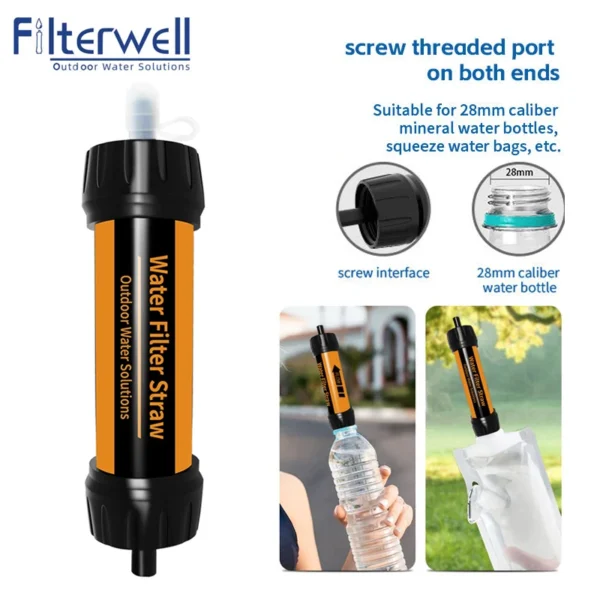
Ultimate Outdoor Water Filter Straw for Safe Hydration Adventures Rated 5.00 out of 5$17.21 – $18.21Price range: $17.21 through $18.21




Product Gallery
-
 VEVOR 550 lb Heavy-Duty Folding Wagon & Bench for Adventurers
$154.92 – $251.84Price range: $154.92 through $251.84
VEVOR 550 lb Heavy-Duty Folding Wagon & Bench for Adventurers
$154.92 – $251.84Price range: $154.92 through $251.84
-
BISINNA One-Touch Titanium Tent for 3-4 Campers, Adventure Ready Rated 4.36 out of 5
$310.92Original price was: $310.92.$216.70Current price is: $216.70. -
Airy Mesh Solo Hiking Tent - Lightweight & Mosquito-Proof Rated 4.71 out of 5
$89.10Original price was: $89.10.$62.10Current price is: $62.10.









 Camping Gear
 Camping Chair
 Camping Table
 Sleeping Bags
 Camping Bed
 Sleeping Gear
 Storage Bags
 BBQ Portable
 Camping Tents
 Gazebos
 Outdoor Cooler
 Cookware
 Power
Power Camping Light
 Flashlight
 Portable Solar
 Power Banks
 Fish Finders
 Fishing Bags
 Fishing Jerseys
 Fishing Reels
 Fishing Chairs
 Fishing Bait Boat
 Fishing Floats
 Hard Baits
 Hiking Vests
 Outdoor Bags
 Water Filters
 Paracord
 Walkie Talkie
 Paddleboards
 Boats
Boats Sea Scooter
 Accessories
 Electric Bike
 Electric Scooter
Recent Comments