

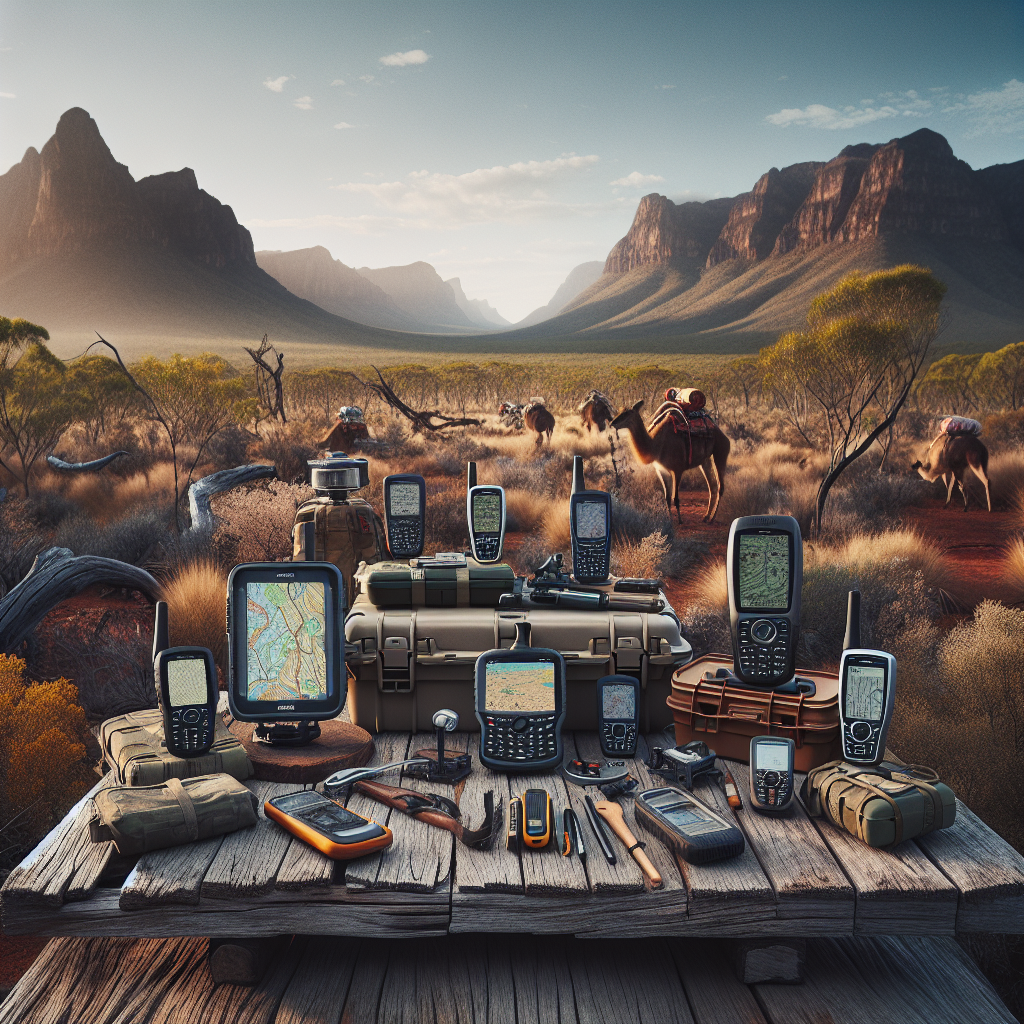

Venturing into the great outdoors is an amazing experience. There’s nothing quite like the feeling of disconnecting from the daily grind and reconnecting with nature. But let’s be real: getting lost isn’t exactly on anyone’s bucket list. That’s where having a reliable GPS device comes in super handy. It’s your digital breadcrumb trail, your guide through the wilderness, and, honestly, sometimes your lifeline. So, let’s talk about the best GPS devices for camping and how they can keep you safe on the trail.
Why a GPS Device is a Must-Have for Camping
Okay, so why can’t you just rely on your phone? Well, cell service can be spotty (if it’s even there at all!), and batteries drain faster than you can say, “Where’s the campsite?” A dedicated GPS device is built for the backcountry. They’re more durable, have better battery life, and use satellite signals, so you’re not dependent on cell towers.
Understanding GPS Technology: A Quick Primer
GPS, or Global Positioning System, uses a network of satellites orbiting Earth to pinpoint your location. Your GPS device listens for signals from these satellites and calculates your coordinates based on the time it takes for those signals to reach you. Pretty cool when you think about it!
Key Features to Look for in A Camping GPS
Not all GPS devices are created equal, and what you need really depends on your style of camping. Here’s a rundown of features to consider:
- Battery Life: This is a biggie. Look for devices that can last for several days, or even weeks, on a single charge or set of batteries.
- Durability: Camping can be rough. You’ll want a device that can handle bumps, drops, and the elements. Water resistance is a must!
- Mapping Capabilities: Preloaded maps are great, but the ability to download and customize maps is even better. Look for compatibility with different map formats.
- Ease of Use: Fumbling with complicated menus in the middle of nowhere? No thanks! Choose a device with a user-friendly interface.
- Screen Size and Resolution: Can you actually see the screen in bright sunlight? Is it easy to read at a glance?
- Navigation Features: Waypoint marking, route planning, track recording – These are all essential for safe and efficient navigation.
- SOS Functionality: Some GPS devices offer satellite communication features like SOS alerts, which can be a lifesaver in an emergency.
Top GPS Devices for Camping: Our Recommendations
Alright, let’s get to the good stuff! Here are some of my top picks, broken down by category:
Handheld GPS Devices
These are your classic, do-it-all GPS units, perfect for backpacking and hiking.
Garmin GPSMAP 66i: The Rugged Communicator
The Garmin GPSMAP 66i is a powerhouse – it’s durable, has great battery life, and offers inReach satellite communication, so you can send and receive messages even without cell service. Plus, the preloaded TopoActive maps are super detailed. It’s like having a satellite phone and a GPS all in one!
Garmin eTrex 32x: The Budget-Friendly Option
If you want reliable GPS functionality without breaking the bank, the Garmin eTrex 32x is a solid choice. Its compact, rugged, and has a surprisingly long battery life. It’s not as fancy as some of the other options, but it gets the job done.
Bushnell BackTrack Mini GPS: Simple and Compact
Perfect for those who want something super simple and easy to use. Mark up to five locations and easily find your way back. Ideal for shorter hikes, familiar trails, or basecamp navigation when a full-featured GPS is overkill.
GPS Watches: Navigation on Your Wrist
GPS watches are convenient for tracking your activity and providing navigation info at a glance.
Garmin Fenix 7: The Ultimate Adventure Watch
The Garmin Fenix 7 is packed with features, including GPS, GLONASS, and Galileo satellite support, topographic maps, and a built-in heart rate monitor. The battery life is impressive, and it’s tough enough to handle any adventure. Honestly, it’s more computer than watch.
Suunto 9 Peak Pro: Sleek and Powerful
The Suunto 9 Peak Pro isn’t just a pretty face; it’s a high-performance GPS watch with accurate tracking and long battery life. Its streamlined design and user-friendly interface make it a joy to use.
Smartphone GPS Apps: A Backup Option (with Caveats)
While not as reliable as dedicated GPS devices, smartphone apps can be a useful backup, provided you have a way to keep your phone charged. A good power bank is a must!
Gaia GPS: The Crowd Favorite
Gaia GPS is a popular app with a wide range of maps, including topographic, satellite, and road maps. You can download maps for offline use and record your tracks.
AllTrails: Discover and Navigate Trails
AllTrails is great for finding new trails and getting information about trail difficulty and conditions. You can also download maps for offline use and track your hikes.
How to Use a GPS Device Effectively
Buying a fancy GPS device is only half the battle. You need to know how to use it properly to stay safe. Here’s the lowdown:
Planning Your Route: Waypoints and Tracks
Before you hit the trail, take time to plan your route. Mark waypoints for key locations, like campsites, water sources, and trail junctions. Create a track of your intended route so you can follow it on your GPS device.
Calibrating Your GPS: Ensuring Accuracy
Most GPS devices calibrate automatically but check your settings to ensure it’s using the correct coordinate system and datum. This can affect the accuracy of your location readings.
Understanding Map Datums and Coordinate Systems
Map datums are reference points used to create maps. Make sure your GPS device is using the same datum as your maps to avoid errors. Coordinate systems (like latitude/longitude) are how your location is displayed.
Navigating in Different Terrains: Forests, Mountains, Deserts
Each terrain presents unique challenges. In dense forests, satellite signals can be blocked by trees. In mountains, elevation changes can affect accuracy. In deserts, heat can drain battery life. Be aware of these challenges and plan accordingly.
Essential Navigation Skills to Complement Your GPS
A GPS is an amazing tool, but it shouldn’t be your only means of navigation. What happens if the battery dies, or the device malfunctions? Knowing how to use a map and compass is crucial.
Map and Compass Skills: The Old-School Backup
Learn how to read a topographic map, use a compass to take bearings, and orient yourself in the field. These skills could save your life. Seriously, take a class; it’s worth it!
Orienteering: Combining Map, Compass, and GPS
Orienteering is a sport that combines map and compass skills with running. It’s a great way to improve your navigation abilities and have fun at the same time.
Understanding Terrain and Natural Navigation
Pay attention to the landscape. Learn to recognize landmarks, use the sun and stars to orient yourself, and understand how terrain features like ridges and valleys can guide you. You know what they say: Mother Nature is the ultimate GPS (if you know how to read her!).
Maintaining Your GPS Device in the Field
Taking care of your GPS device will ensure it lasts longer and performs reliably. “An ounce of prevention…” and all that!
Battery Management: Conserving Power on the Trail
Turn off unnecessary features, reduce screen brightness, and carry extra batteries or a power bank. Store batteries in a warm place to prevent them from draining in cold weather.
Protecting Your Device from the Elements
Use a waterproof case to protect your GPS device from rain and snow. Avoid exposing it to extreme temperatures. Honestly, treat it like it’s made of glass; these things aren’t always as rugged as they seem.
Troubleshooting Common GPS Issues
Learn how to troubleshoot common problems, like loss of signal or frozen screens. Familiarize yourself with your device’s reset procedure.
Staying Safe: Integrating GPS into Your Camping Safety Plan
A GPS device is just one piece of the puzzle. Here’s how to integrate it into a comprehensive safety plan:
Emergency Preparedness: What to Do if You Get Lost
Carry a whistle, a signaling mirror, and a first-aid kit. Know how to build a shelter and start a fire. And most importantly, tell someone where you’re going and when you expect to be back.
Using SOS Features: When and How to Call for Help
If your GPS device has SOS functionality, know how to use it. Only activate it in a genuine emergency. Be prepared to provide your location and details about your situation.
Leave No Trace: Respecting the Environment
Stay on marked trails, avoid damaging vegetation, and pack out all your trash. Let’s keep the wilderness wild, people!
The Future of GPS Technology in Camping
GPS technology is constantly evolving. Expect to see more advanced features, like augmented reality navigation and improved satellite connectivity. Who knows, maybe one day our GPS devices will make coffee for us, too!
Final Thoughts: Embrace Technology, Respect the Wilderness
A GPS device is an invaluable tool for staying safe and navigating the backcountry. But it’s important to remember that it’s just a tool. Develop your navigation skills, respect the environment, and always be prepared for the unexpected. Happy Camping!
FAQ: Your Burning GPS Questions Answered
DISCLAIMER
This article provides general information about GPS devices and camping safety. It is not a substitute for professional advice or training. Always use caution and common sense when navigating in the outdoors.
Outdoor activities have inherent risks. Ensure you have proper training, equipment, and experience before heading out. Always inform someone of your plans and expected return time. Check weather conditions and be prepared for unexpected changes.
The accuracy of GPS devices can be affected by various factors, including satellite availability, weather conditions, and terrain. Always double-check your location using other navigation methods, such as a map and compass.
Never rely solely on a GPS device for navigation. Battery failure, device malfunction, or loss of signal can occur. Carry backup navigation tools and know how to use them.
Categories
- Navigation & Safety (68)
- Shelter & Sleep (72)
Top rated products
-
 Ultimate AONIJIE Soft Flask 1000 ml/2000 ml with Water Filter Rated 5.00 out of 5
$38.70Original price was: $38.70.$26.97Current price is: $26.97. -
Portable Folding Bed for Office Naps & Outdoor Adventures Rated 5.00 out of 5$168.06 – $305.16Price range: $168.06 through $305.16
-
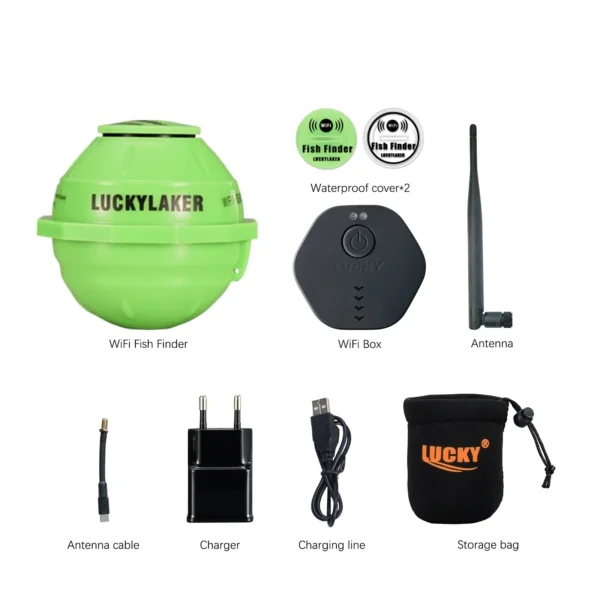
Revolutionize Your Fishing with Lucky Smart Wi-Fi Fish Finder Rated 5.00 out of 5
$197.75Original price was: $197.75.$137.82Current price is: $137.82.




Product Gallery
-
 Ultimate 2-3 Person Inflatable Kayak for Fishing Fun Rated 5.00 out of 5$1,092.43 – $1,105.95Price range: $1,092.43 through $1,105.95
 -
VEVOR 550 lb Heavy-Duty Folding Wagon & Bench for Adventurers
$155.14 – $252.20Price range: $155.14 through $252.20
-
BISINNA One-Touch Titanium Tent for 3-4 Campers, Adventure Ready Rated 4.36 out of 5
$311.78Original price was: $311.78.$217.30Current price is: $217.30.








 Camping Gear
 Camping Chair
 Camping Table
 Camping Bed
 Sleeping Gear
 Storage Bags
 BBQ Portable
 Sleeping Bags
 Camping Tents
 Gazebos
 Outdoor Cooler
 Cookware
 Power
Power Camping Light
 Flashlight
 Portable Solar
 Power Banks
 Fish Finders
 Fishing Bags
 Fishing Jerseys
 Fishing Reels
 Fishing Chairs
 Fishing Bait Boat
 Fishing Floats
 Hard Baits
 Hiking Vests
 Outdoor Bags
 Water Filters
 Paracord
 Walkie Talkie
 Paddleboards
 Boats
Boats Sea Scooter
 Accessories
 Electric Bike
 Electric Scooter
Recent Comments