

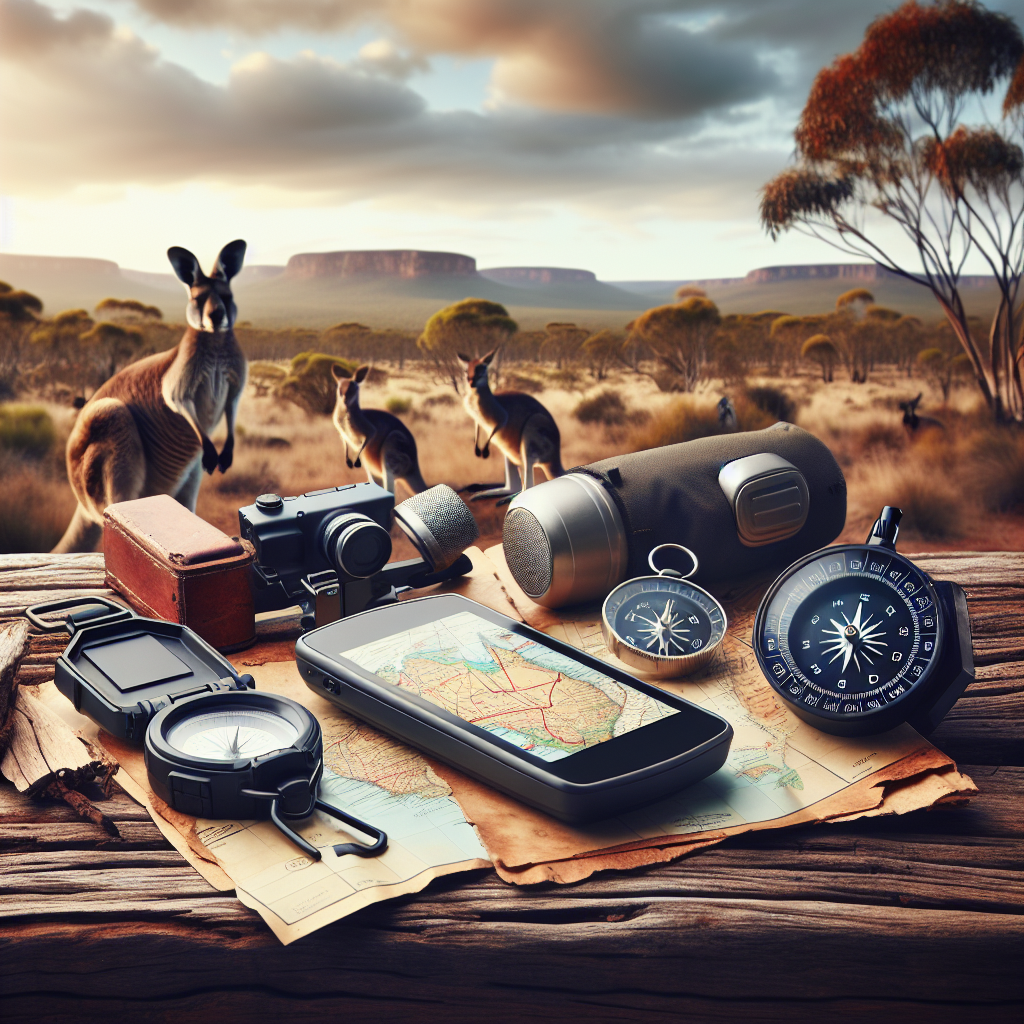
Don’t Leave Home Without It: Top GPS Devices for Safe Camping Adventures

Alright, buckle up, fellow adventurers! Planning a camping trip? Awesome! But before you load up the SUV with marshmallows and that quirky portable espresso maker, let’s talk about something crucial: getting back home safe. You know, beyond just hoping you recognize that big, oddly shaped tree near the campsite. That’s where a good GPS device comes in. Think of it as your digital breadcrumb trail… but way more reliable than actual bread.
Why a GPS Device is a Non-Negotiable for Camping
Why, you ask? Because Mother Nature doesn’t care about your excellent sense of direction. Honestly, she’s probably laughing at it. Here’s the thing: relying solely on your instincts or a tattered paper map can quickly turn a blissful getaway into a survival situation. Trust me; I’ve been there. Ever been serenaded by coyotes when you’re supposed to be roasting hot dogs? Not fun.
GPS devices offer a level of accuracy and reliability that traditional methods simply can’t match. We’re talking pinpoint location, pre-loaded maps, and even emergency SOS features. Here are a few reasons you should *absolutely* consider packing one:
- Staying on Course: GPS devices excel at keeping you on your planned route. No more “I think we passed that landmark” moments. They provide real-time feedback, preventing those pesky unintentional detours.
- Emergency Situations: Many GPS units come with SOS capabilities. In a worst-case scenario, you can signal for help with your location. This could be a lifesaver if you’re injured or lost. Some even offer two-way communication!
- Navigation in Poor Visibility: Fog, heavy rain, or dense forest can make navigating with a map and compass challenging. A GPS device cuts through the murk, providing clear directions when you need them most.
- Tracking Your Progress: Avid hiker? A GPS device tracks your distance, elevation gain, and speed. Great for bragging rights… or for knowing when to turn back before you’re completely exhausted.
- Peace of Mind: Let’s be real. Just knowing you have a reliable way to navigate can ease anxiety and make your adventure more enjoyable. More fun, less stress. Who doesn’t want that?
Understanding GPS Technology: A Quick Primer
Okay, let’s dial down the excitement for a second. What *is* GPS technology, anyway? At its core, GPS (Global Positioning System) is a network of satellites orbiting Earth. Your GPS device picks up signals from these satellites to determine your precise location. It’s like a cosmic game of “Marco Polo,” but with satellites and no pool.
Here’s a simplified breakdown:
- Satellites: The GPS system consists of a constellation of satellites constantly transmitting signals.
- Receivers: Your GPS device is a receiver that listens for these signals.
- Triangulation: By calculating the distance to several satellites, your device can pinpoint your location through a process called triangulation.
- Mapping: The device then overlays your location onto a map, allowing you to see your position in relation to your surroundings.
Now, it’s not *always* perfect. GPS accuracy can be affected by things like dense tree cover, tall buildings, or even solar flares (seriously!). But in most camping scenarios, it’s far more reliable than guessing.
Key Features to Look for in a Camping GPS Device: What Really Matters?
So, you’re ready to buy a GPS device. Great! But hold on, there’s a dizzying array of options out there. How do you choose the right one? Well, let’s be realistic. You want to find the device that fits the way you’re going to use it.
Here are some key features to consider, from my perspective, after too many close calls on the trail.
- Durability and Weather Resistance: This is HUGE. Your GPS device needs to withstand the rigors of the outdoors. Look for water resistance (IPX7 or better), shock resistance, and a rugged design. A fancy touchscreen is useless if it cracks the first time you drop it on a rock!
- Battery Life: Crucial for multi-day trips. Consider devices with long battery life or the ability to use replaceable batteries. Nobody wants their GPS to die halfway up a mountain.
- Preloaded Maps: Check if the device comes with preloaded topographic maps of the areas you’ll be camping in. Downloading maps can be a pain, especially without reliable internet access.
- Screen Size and Resolution: A clear, readable screen is essential for easy navigation. Look for a screen that’s large enough to view comfortably, even in direct sunlight.
- User Interface: How easy is the device to use? A clunky, complicated interface can be frustrating, especially when you’re stressed or tired. Ideally, find a device with intuitive menus and customizable settings.
- SOS Functionality: As I mentioned before, this can be a lifesaver. Some devices offer direct connection to emergency services via satellite. It’s worth the investment for peace of mind, especially if you’re venturing into remote areas.
- Connectivity: Some GPS devices can connect to your smartphone via Bluetooth, allowing you to receive weather updates, share your location, or download custom routes. Nice to have, but not essential.
Top GPS Devices for Camping: Our Recommendations
Alright, let’s get to the good stuff. Based on extensive research, testing, and personal experience (including that coyote serenade incident), here are some of the best GPS devices currently available for camping:
Garmin GPSMAP 66i: The Rugged Communicator
The Garmin GPSMAP 66i isn’t just a GPS; it’s a lifeline. It combines Garmin’s renowned mapping capabilities with Iridium satellite communication. Translation? You can send and receive text messages, trigger an SOS, and share your location even when you’re completely off the grid. It’s rugged, reliable, and well worth the investment for serious backcountry adventurers.
- Pros: Excellent satellite communication, preloaded topographic maps, durable design.
- Cons: Pricey, subscription required for satellite features.
Garmin eTrex 32x: The Budget-Friendly Beast
Want a reliable GPS without breaking the bank? The Garmin eTrex 32x is a solid choice. It’s compact, easy to use, and features a color display. It’s preloaded with TopoActive maps and supports GPS, GLONASS, and Galileo satellite systems for improved accuracy. Plus, it boasts impressive battery life. Not bad, eh?
- Pros: Affordable, long battery life, easy to use.
- Cons: Smaller screen, lacks advanced features.
inReach Mini 2: The Ultra-Compact Savior
If you’re counting every ounce in your backpack, the inReach Mini 2 is the answer. This tiny satellite communicator allows you to send and receive messages, track your location, and trigger an SOS. Despite its small size, it’s packed with features and offers global coverage via the Iridium satellite network. Great companion for solo travelers!
- Pros: Ultra-compact, satellite communication, long battery life.
- Cons: Small screen, requires subscription for satellite features.
Gaia GPS App: The Smartphone Solution (with Caveats)
Wait, an app? Yes, smartphones can be powerful GPS devices *if* you take the right precautions. Gaia GPS is a popular app that offers detailed topographic maps, offline navigation, and route planning. Download maps beforehand, and always carry a backup power source. Just don’t rely solely on your phone, okay? A dead battery in the wilderness is a bad scenario.
- Pros: Cost-effective (subscription based), feature-rich, familiar interface.
- Cons: Relies on smartphone battery, less durable than dedicated GPS devices, may lack satellite communication.
Choosing the right GPS device ultimately depends on your needs and budget. Consider the type of camping you do, the length of your trips, and the level of risk you’re willing to accept. I usually suggest having two options, a dedicated GPS and a backup of some kind such as a map and compass or a GPS app on your phone.
Mastering Your GPS: Essential Skills and Techniques
Buying a GPS device is only half the battle. You also need to know how to use it properly. Please don’t wait until you’re lost in the woods to start figuring things out!
Here are some essential skills to master:
- Basic Operation: Familiarize yourself with the device’s menus, buttons, and settings. Practice navigating around the interface until it becomes second nature.
- Waypoint Creation: Learn how to mark waypoints for your campsite, trailheads, and other important locations. This will allow you to easily navigate back to those spots.
- Route Planning: Plan your routes in advance using mapping software or the device itself. Download the routes to your GPS before you head out.
- Map Reading: Even with a GPS, it’s essential to understand basic map reading skills. Learn how to interpret topographic maps, identify landmarks, and use a compass.
- Troubleshooting: Know how to troubleshoot common issues, such as signal loss or battery problems. Carry extra batteries and a basic repair kit.
Think of map reading as the “analog backup” to your digital navigation. If your GPS device fails (and they *can* fail), knowing how to use a map and compass could save your bacon.
Beyond the Device: Essential Camping Navigation and Safety Tips
A GPS device is a tool, not a magic wand. It’s important to combine it with other essential camping navigation and safety practices. Let’s get into those, shall we?
Here are some tips that will help you stay safe and found on your next camping adventure:
- Tell Someone Your Plans: Always inform someone of your itinerary, including your route, campsite locations, and expected return date.
- Check the Weather: Weather conditions can change rapidly in the mountains. Check the forecast before you leave and be prepared for unexpected storms.
- Pack the Essentials: Carry a well-stocked first-aid kit, extra food and water, a headlamp, a fire starter, and a knife or multi-tool.
- Learn Basic Survival Skills: Knowing how to build a fire, find water, and construct a shelter can be crucial in a survival situation.
- Be Aware of Your Surroundings: Pay attention to landmarks, terrain features, and changes in the environment. That will help build your confidence and prevent you from losing your way.
- Leave No Trace: Pack out everything you pack in, minimize your impact on the environment, and respect wildlife.
You know what? Overconfidence is a killer in the wilderness. Always err on the side of caution and be prepared for the unexpected. As my grandfather used to say, “It’s better to have it and not need it than to need it and not have it.”
Final Thoughts: Embrace the Adventure, But Be Smart About It
Camping is an incredible way to connect with nature, challenge yourself, and create lasting memories. With the right GPS device and a healthy dose of preparation, you can explore the backcountry with confidence and peace of mind. Don’t let yourself be complacent and start with the essentials, and then consider getting some kind of GPS device. Be smart, be safe, and have an amazing adventure! Just try to avoid those late-night coyote serenades, okay?
Frequently Asked Questions
Disclaimer
The information provided in this article is for general informational purposes only. Camping and backcountry activities involve inherent risks, and you are responsible for your own safety and decisions. Always consult with experienced guides, take appropriate training, and exercise caution when navigating in the outdoors. The recommendations for GPS devices are based on personal experience and research and may not be suitable for all situations. Check the device’s specifications and features to ensure it meets your needs. The author and publisher are not liable for any injuries, losses, or damages resulting from the use of this information.
Categories
- Navigation & Safety (68)
- Shelter & Sleep (72)
Top rated products
-
 Ultimate AONIJIE Soft Flask 1000 ml/2000 ml with Water Filter Rated 5.00 out of 5
$38.70Original price was: $38.70.$26.97Current price is: $26.97. -
Portable Folding Bed for Office Naps & Outdoor Adventures Rated 5.00 out of 5$171.81 – $308.60Price range: $171.81 through $308.60
-
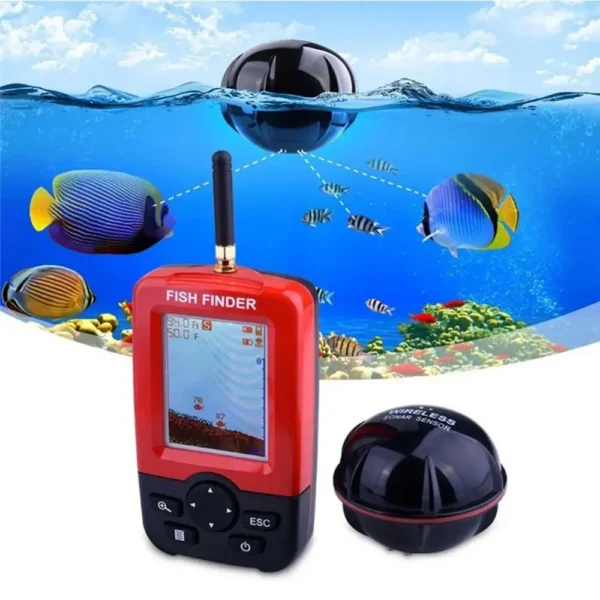
Smart Wireless Fish Finder: Elevate Your Fishing Experience! Rated 5.00 out of 5
$121.26Original price was: $121.26.$84.51Current price is: $84.51.




Product Gallery
-
 Ultimate 2-3 Person Inflatable Kayak for Fishing Fun Rated 5.00 out of 5$1,092.43 – $1,105.95Price range: $1,092.43 through $1,105.95
 -
VEVOR 550 lb Heavy-Duty Folding Wagon & Bench for Adventurers
$155.14 – $252.20Price range: $155.14 through $252.20
-
BISINNA One-Touch Titanium Tent for 3-4 Campers, Adventure Ready Rated 4.36 out of 5
$311.78Original price was: $311.78.$217.30Current price is: $217.30.








 Camping Gear
 Camping Chair
 Camping Table
 Camping Bed
 Sleeping Gear
 Storage Bags
 BBQ Portable
 Sleeping Bags
 Camping Tents
 Gazebos
 Outdoor Cooler
 Cookware
 Power
Power Camping Light
 Flashlight
 Portable Solar
 Power Banks
 Fish Finders
 Fishing Bags
 Fishing Jerseys
 Fishing Reels
 Fishing Chairs
 Fishing Bait Boat
 Fishing Floats
 Hard Baits
 Hiking Vests
 Outdoor Bags
 Water Filters
 Paracord
 Walkie Talkie
 Paddleboards
 Boats
Boats Sea Scooter
 Accessories
 Electric Bike
 Electric Scooter
Recent Comments