

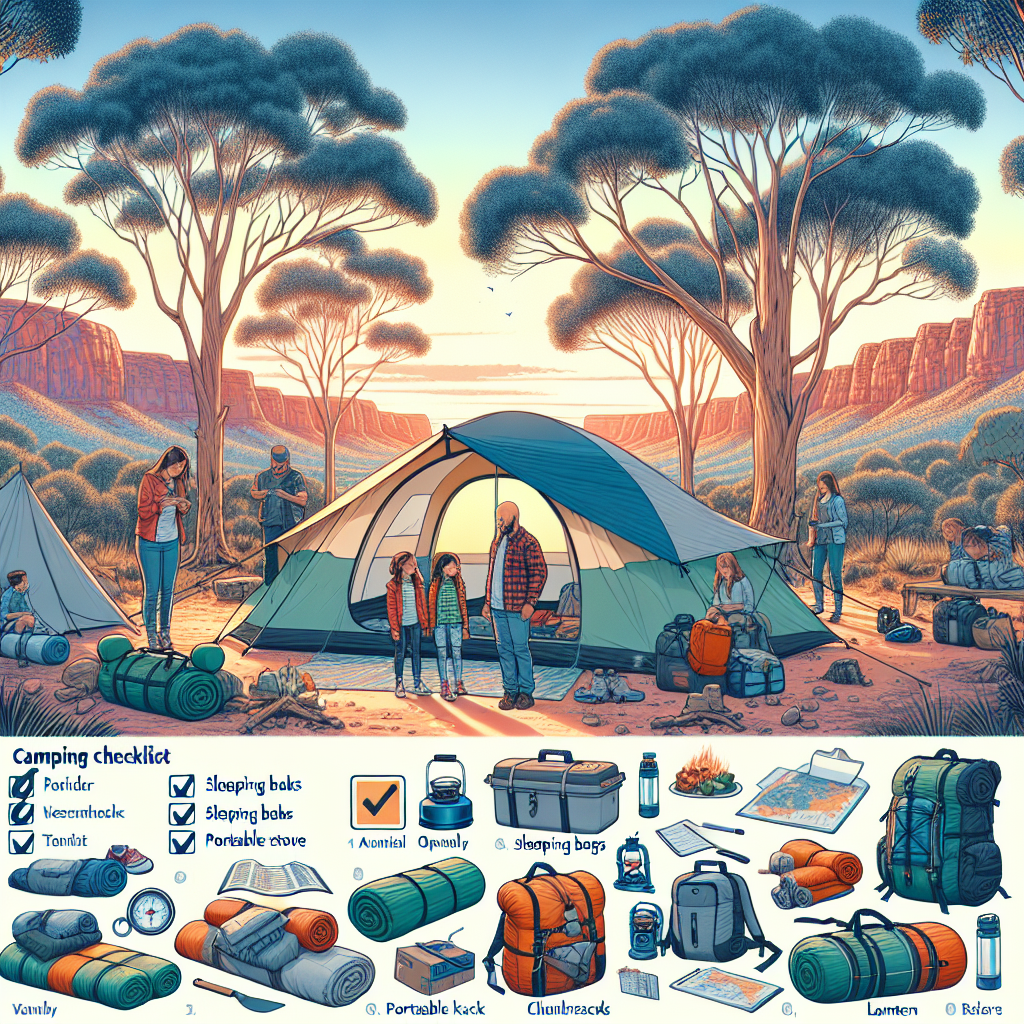

Planning a family camping trip? Awesome! Nothing beats getting out into the great outdoors with the people you love. But before you load up the car and hit the road, let’s talk tents. Choosing the right family camping tent can make or break your trip. It’s more than just shelter; it’s your home away from home, your refuge from the elements, and, let’s face it, potentially the scene of some epic family memories (or meltdowns – we’ve all been there!). This checklist will guide you through the key considerations to ensure you pick the perfect tent for your family’s needs.
Size Matters: How Much Space Do You Really Need?
First things first: size. When it comes to tents, manufacturers often overestimate how many people can comfortably fit inside. A “6-person tent” might technically sleep six adults, but trust me, you’ll be crammed in like sardines. For a family, it’s always better to go bigger. Think about it: you need space for sleeping, yes, but also for gear, for kids to play if the weather turns sour, and for simply not feeling claustrophobic.
Pro Tip: A good rule of thumb is to add 2-3 “person spaces” to the number of people in your family. So, for a family of four, aim for a 6- or 8-person tent. You’ll thank me later!
What’s the Floor Plan? Room with a View (or at Least Some Dividers)
Now, let’s talk about floor plans. Tents come in all shapes and sizes, from classic dome tents to cabin-style tents with room dividers. The right floor plan can drastically improve your camping experience, especially with kids.
Cabin tents, with their near-vertical walls, offer more headroom and a more spacious feel. Some even have dividers, creating separate “rooms” for parents and kids. Dome tents, on the other hand, are generally lighter and easier to set up. Hybrid designs, like a dome tent with a screened porch, offer a bit of both worlds. Think about how your family will use the space and choose a floor plan that makes sense for your needs. Do you want separate sleeping areas? A dedicated space for gear storage? A place to play cards on a rainy day?
Consider This: My family loves having a screened-in area where we can hang out in the evenings without getting eaten alive by mosquitos. Seriously, it’s a game-changer!
Material World: Weather Resistance and Durability
Your tent is your primary shelter against the elements, so pay close attention to the materials it’s made of. Look for tents with a waterproof rating (measured in millimeters) of at least 1500mm for the rainfly and floor. Higher is better, especially if you’re camping in areas with heavy rainfall.
Nylon and polyester are common tent materials. Nylon is lightweight and strong, but it can stretch when wet. Polyester is more resistant to UV damage and doesn’t stretch as much. The floor material is also important; look for reinforced polyethylene or a heavy-duty nylon or polyester with a high waterproof rating.
And don’t forget about the poles! Fiberglass poles are common and affordable, but they can break under stress. Aluminum poles are stronger and more durable, but they’re also more expensive. Steel poles are incredibly strong but also heavy, so they’re best suited for car camping.
Ventilation: Avoiding the Sauna Effect
Proper ventilation is crucial for preventing condensation inside your tent. Condensation happens when warm, moist air inside the tent comes into contact with the cooler tent walls, creating that dreaded dampness. Good ventilation helps to circulate air and reduce condensation, keeping you and your gear dry and comfortable.
Look for tents with mesh panels in the roof and windows. Some tents even have adjustable vents that you can open or close depending on the weather. A rainfly that doesn’t extend all the way to the ground also allows for better airflow.
Personal Anecdote: I once camped in a tent with terrible ventilation and woke up to find everything inside soaked with condensation. It was miserable! Lesson learned: ventilation is key.
Ease of Setup: Because Nobody Wants to Spend Hours Pitching a Tent
Let’s be real: nobody wants to spend hours wrestling with tent poles and instructions after a long day of travel. Ease of setup is a major consideration, especially if you’re camping with kids (or impatient adults!).
Look for tents with color-coded poles and sleeves or clips. Some tents even have pre-attached poles that make setup a breeze. Practice setting up the tent at home before your trip so you’re familiar with the process. Trust me, it’ll save you a lot of frustration in the campground.
You might ask, “What about instant tents?” Instant tents, also known as “pop-up tents,” have pre-attached poles, making setup incredibly fast. They’re a great option for families who want a quick and easy setup, but they can be bulkier and heavier to transport.
Features, Features, Features: What Else Do You Need?
Beyond the basics, there are a few other features to consider that can enhance your family camping experience:
- Gear lofts and pockets: These provide convenient storage for small items like flashlights, phones, and keys. Seriously, when you need your headlamp in the middle of the night, you’ll be so glad for that gear loft.
- Electrical cord access port: If you’re camping at a campground with electrical hookups, this allows you to run an extension cord into the tent without creating a gap in the door.
- Doormats: A small doormat placed inside the tent entrance can help to keep dirt and debris out.
- Footprints: A footprint is a ground tarp that goes under your tent to protect the floor from abrasion and punctures. It can also help to keep the tent floor clean and dry. I highly recommend one if you plan to camp often.
Think about what features are most important to your family and look for a tent that offers them.
Budget: How Much Are You Willing to Spend?
Tents range in price from a few hundred dollars to well over a thousand. Decide on your budget before you start shopping, and stick to it. You don’t need to break the bank to get a good quality family camping tent, but remember that you generally get what you pay for. Cheap tents may not be as durable or weather-resistant as more expensive models.
Don’t forget: It’s definitely worth investing in a slightly higher-end tent if you think you are planning a lot of future trips, and if you are willing to invest more in your family experience.
REI is often a great place to start your search to explore different options and price points.
Weight and Packed Size: Can You Actually Carry It?
Weight and packed size are important considerations, especially if you’re backpacking or hiking to your campsite. Even if you’re car camping, a lighter, more compact tent will be easier to transport and store. Check the tent’s packed weight and dimensions before you buy, and make sure it will fit in your car or backpack.
Note: Think about who is going to be hauling the tent to your campsite. Is it mostly going to be you, or are you going to be able to depend on the kids?
Durability and Longevity: Built to Last (Hopefully)
Investing in a durable, well-made tent will pay off in the long run. Look for tents with reinforced seams, sturdy zippers, and high-quality materials. Read customer reviews to see what other campers have to say about the tent’s durability. With proper care and maintenance, a good quality tent can last for many years of family camping adventures.
Don’t forget: After each trip, be sure to take your tent out of the bag and let it dry. This helps prevent the growth of mold and mildew, which can damage the fabric.
Practice Pitching: A Dress Rehearsal Before the Real Deal
I touched on this earlier, but it’s so important it bears repeating: Practice setting up your tent at home before your camping trip. This will allow you to familiarize yourself with the process, identify any missing parts, and ensure that you can set up the tent quickly and easily in the campground. Plus, it’s a great way to get the kids involved and build excitement for the trip!
Honestly, even if you’ve set up a tent dozens of times, it’s still a good idea to do a practice run with a new tent. Every tent is different, and you don’t want to be caught off guard in the dark with a complicated setup.
Read Reviews: What Are Other Campers Saying?
Before you make a purchase, take some time to read customer reviews. See what other campers have to say about the tent’s performance, durability, and ease of use. Pay attention to both positive and negative reviews, and look for patterns or recurring issues. Reviews can provide valuable insights that you wouldn’t get from the manufacturer’s description alone.
Amazon reviews, while not always perfect, can be a treasure trove of information. Just be sure to take them with a grain of salt and look for reviews from verified purchasers.
Warranty and Customer Support: Just in Case…
Check the tent’s warranty and the manufacturer’s customer support policies. A good warranty can protect you against defects in materials or workmanship. And responsive customer support can be a lifesaver if you have any questions or problems with the tent. It’s always good to know that you have someone to turn to if something goes wrong.
Here’s a thought: Some companies even offer extended warranties for an additional fee. While it’s not always necessary, it can be worth considering if you’re investing in a high-end tent.
Final Thoughts: Making Memories in the Great Outdoors
Choosing the right family camping tent is a big decision, but it’s also an exciting one. With a little research and planning, you can find a tent that will provide your family with years of comfortable and enjoyable camping adventures. So, grab your checklist, hit the stores (or the internet), and get ready to make some unforgettable memories in the great outdoors!
FAQ: Your Burning Questions Answered
DISCLAIMER
Please be advised that camping and outdoor activities involve inherent risks. Always prioritize safety and follow established guidelines. This article is intended for informational purposes only and does not substitute professional advice. Ensure that all camping equipment is used correctly and safely. Weather conditions can change rapidly, so always check the forecast before and during your trip. Be aware of local wildlife and take necessary precautions. By engaging in camping activities, you acknowledge and accept the risks involved.
Categories
- Navigation & Safety (68)
- Shelter & Sleep (72)
Top rated products
-
 Ultimate AONIJIE Soft Flask 1000 ml/2000 ml with Water Filter Rated 5.00 out of 5
$38.70Original price was: $38.70.$26.97Current price is: $26.97. -
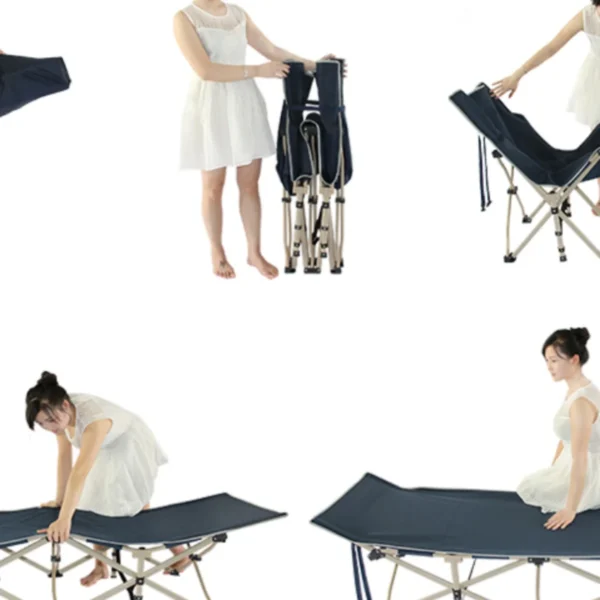
Portable Folding Bed for Office Naps & Outdoor Adventures Rated 5.00 out of 5$171.81 – $308.60Price range: $171.81 through $308.60
-
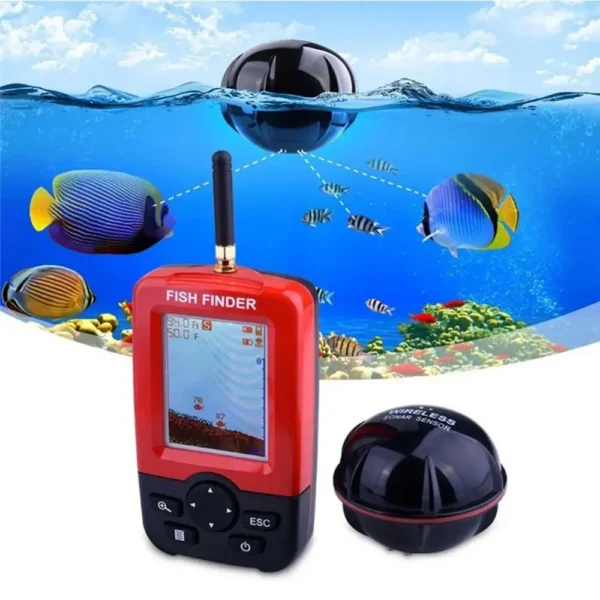
Smart Wireless Fish Finder: Elevate Your Fishing Experience! Rated 5.00 out of 5
$121.26Original price was: $121.26.$84.51Current price is: $84.51.



Product Gallery
-
 Ultimate 2-3 Person Inflatable Kayak for Fishing Fun Rated 5.00 out of 5$1,092.43 – $1,105.95Price range: $1,092.43 through $1,105.95
 -
VEVOR 550 lb Heavy-Duty Folding Wagon & Bench for Adventurers
$155.14 – $252.20Price range: $155.14 through $252.20
-
BISINNA One-Touch Titanium Tent for 3-4 Campers, Adventure Ready Rated 4.36 out of 5
$311.78Original price was: $311.78.$217.30Current price is: $217.30.













 Camping Gear
 Camping Chair
 Camping Table
 Camping Bed
 Sleeping Gear
 Storage Bags
 BBQ Portable
 Sleeping Bags
 Camping Tents
 Gazebos
 Outdoor Cooler
 Cookware
 Power
Power Camping Light
 Flashlight
 Portable Solar
 Power Banks
 Fish Finders
 Fishing Bags
 Fishing Jerseys
 Fishing Reels
 Fishing Chairs
 Fishing Bait Boat
 Fishing Floats
 Hard Baits
 Hiking Vests
 Outdoor Bags
 Water Filters
 Paracord
 Walkie Talkie
 Paddleboards
 Boats
Boats Sea Scooter
 Accessories
 Electric Bike
 Electric Scooter
Recent Comments