



So, you’re itching to ditch the city and immerse yourself in the great outdoors, huh? You’ve got that tent dusted off, the sleeping bag aired out, and maybe even a new camp stove calling your name. But a little question keeps nagging at you: “Can I really just camp anywhere?” Well, grab your compass and let’s navigate this together. The answer, as with most things in life, is a delightful “it depends.”
Understanding the Lay of the Land: Legality & Regulations
First things first, let’s talk rules. Because, you know, nobody wants a ranger knocking on their tent at 3 AM. Camping isn’t a free-for-all; there are regulations in place to protect the environment, ensure safety, and, frankly, keep things civil. Think of it like this: we all want to enjoy the outdoors, so we gotta play nice and respect the rules.
Public Lands: Your (Potentially) Open Playground
Public lands, managed by agencies like the Bureau of Land Management (BLM) and the National Forest Service (NFS), often offer the most freedom for camping. These are vast expanses of land owned by the people (that’s you and me!), and they’re generally more lenient when it comes to dispersed camping – that is, camping outside of designated campgrounds.
But here’s the catch (and there’s always a catch, isn’t there?). Even on public lands, you can’t just pitch a tent wherever your heart desires. There might be restrictions on how long you can stay in one spot (usually 14 days), where you can build a fire (hello, fire danger!), and even what kind of toilet you need to use (more on that later, don’t worry). Always, *always* check with the managing agency before you go. A quick call or a visit to their website can save you a world of trouble.
For example, the BLM often allows dispersed camping unless otherwise posted. You might find yourself setting up camp near a stunning vista or a babbling brook, far from the madding crowds of established campgrounds. The NFS, similarly, offers many opportunities for dispersed camping, often with some truly incredible scenery. Think towering pines, crystal-clear lakes, and the kind of peace you just can’t find anywhere else.
National Parks: A Different Beast Altogether
National Parks? Now, those are a whole different animal. While breathtakingly beautiful and worthy of every calendar photo, National Parks tend to be much stricter about camping. Generally, you’ll need to stick to designated campgrounds and often make reservations well in advance – especially during peak season. Getting a campsite in Yosemite in July can feel like winning the lottery.
Why the stricter rules? Well, National Parks are often more ecologically sensitive and see higher visitor traffic. They’re trying to preserve these natural wonders for generations to come, and that means managing human impact carefully. So, while spontaneity might be a little harder to come by, the payoff of experiencing these iconic landscapes is undeniably worth it.
Private Land: Permission is Key
Okay, let’s be crystal clear about this one: camping on private land without permission is a big no-no. It’s trespassing, plain and simple. Imagine someone setting up a tent in your backyard – not cool, right? If you’re eyeing a particularly tempting spot that looks like it might be privately owned, do your homework. Look up property records, contact the landowner, and get permission in writing before you even think about unpacking your sleeping bag.
Honestly, sometimes, just asking nicely can work wonders. You might be surprised at how many landowners are willing to let respectful campers use their land. But remember, with that permission comes responsibility. Leave no trace, be respectful of their property, and follow any guidelines they set. Think of it as borrowing a friend’s car – you want to return it in better condition than you found it.
Leave No Trace: Your Ethical Compass
Regardless of where you camp, the Leave No Trace principles should be your guiding light. This isn’t just about being a good person; it’s about ensuring that these wild places remain wild for everyone to enjoy. It’s about thinking of the next camper, the wildlife that calls this place home, and the overall health of the environment.
So, what does Leave No Trace actually mean? It boils down to these seven key principles:
- Plan Ahead and Prepare: Know the regulations and potential hazards of the area. Pack appropriately and be self-sufficient.
- Travel and Camp on Durable Surfaces: Stick to established trails and campsites. Avoid trampling vegetation.
- Dispose of Waste Properly: Pack out everything you pack in. That includes food scraps, wrappers, and, yes, even toilet paper.
- Leave What You Find: Admire natural objects, but leave them where they are. Don’t collect rocks, plants, or artifacts.
- Minimize Campfire Impacts: Use established fire rings when available. Keep fires small and contained. Never leave a fire unattended.
- Respect Wildlife: Observe wildlife from a distance. Never feed animals. Store food properly to prevent attracting them.
- Be Considerate of Other Visitors: Minimize noise and respect the privacy of other campers.
You know what? Let’s talk about that “dispose of waste properly” point in a little more detail. Because, honestly, it’s one that many people overlook, and it can have a significant impact on the environment. We’re talking about human waste, here. Yes, poop. It’s a topic that makes some people squeamish, but it’s essential to address if you’re going to be camping responsibly.
If you’re camping in a designated campground with toilets, great! Use them. But if you’re dispersed camping, you’ll need to dig a cathole – a small hole at least 6 inches deep and 200 feet away from any water source, trail, or campsite. Do your business, cover it up thoroughly, and pack out your toilet paper (yes, really). You can use a zip-lock bag for this – double-bagged, if you’re feeling extra cautious. Some people even carry portable toilets for longer trips. It might seem like a hassle, but it’s a small price to pay for protecting the environment and preventing the spread of disease.
Gear Up for Success: Essential Camping Equipment
Alright, now that we’ve covered the rules and ethics, let’s talk gear. Because, honestly, the right equipment can make or break your camping experience. You don’t need to spend a fortune, but investing in a few key items will significantly improve your comfort and safety.
First things first: shelter. A good tent is your home away from home, protecting you from the elements and providing a sense of security. Choose a tent that’s appropriate for the climate and conditions you expect to encounter. If you’re camping in a rainy area, make sure it’s waterproof. If you’re camping in a windy area, make sure it’s sturdy. And always, *always* practice setting it up before you head out into the wilderness. There’s nothing worse than struggling to pitch a tent in the dark while the rain is pouring down.
Next up: sleep system. A comfortable sleeping bag and pad are essential for a good night’s rest. Choose a sleeping bag that’s rated for the temperatures you expect to encounter. A sleeping pad provides insulation from the cold ground and adds extra cushioning. Trust me, your back will thank you.
And don’t forget the essentials: a reliable water filter or purification tablets, a first-aid kit, a headlamp or flashlight, a map and compass (and the knowledge to use them!), a multi-tool or knife, and plenty of food and water. It’s always better to be overprepared than underprepared. You can find great deals in stores like REI or even online at Amazon. Check them out!
You know, I remember one time I went camping with a friend who forgot his headlamp. We were miles from civilization, and the sun had already set. Let me tell you, navigating a forest in complete darkness is not a fun experience. We stumbled over roots, tripped on rocks, and generally felt like we were wandering aimlessly through a black void. It was a valuable lesson learned: never underestimate the importance of a good headlamp!
Finding Your Perfect Spot: Tips & Tricks for Dispersed Camping
Okay, so you’re ready to venture off the beaten path and find your own little slice of wilderness paradise. Dispersed camping can be an incredibly rewarding experience, but it also requires a bit more planning and preparation.
One of the most important things to consider is water. You’ll need a reliable source of water for drinking, cooking, and cleaning. If you’re camping near a stream or lake, make sure to filter or purify the water before using it. Giardia and other nasty microorganisms can ruin your trip in a hurry. If there’s no natural water source nearby, you’ll need to pack in all the water you need, which can be heavy and cumbersome.
Another crucial factor is finding a suitable campsite. Look for a spot that’s relatively flat, sheltered from the wind, and free of hazards like dead trees or overhanging branches. Avoid camping near water sources, as this can disturb wildlife and pollute the water. And, of course, make sure you’re camping on durable surfaces, like bare ground or rock, to minimize your impact on the environment.
Here’s a pro tip: use online resources like Gaia GPS or AllTrails to scout out potential campsites before you go. These apps allow you to view satellite imagery, topographic maps, and user-submitted reviews, giving you a better sense of what to expect. Check out AllTrails It’s like having a virtual scout on your team!
And don’t forget to tell someone where you’re going and when you expect to be back. This is especially important if you’re camping alone or in a remote area. That way, if something goes wrong, someone will know to look for you.
Safety First: Essential Wilderness Survival Skills
Alright, let’s get real for a minute. The wilderness can be a beautiful and awe-inspiring place, but it can also be unforgiving. Knowing basic survival skills can make the difference between a minor inconvenience and a life-threatening situation.
One of the most important skills is fire starting. Knowing how to build a fire can provide warmth, cook food, purify water, and signal for help. Practice building fires in a safe environment before you head out into the wilderness. Learn how to gather tinder, kindling, and fuel, and how to protect your fire from the wind and rain.
Navigation is another essential skill. A map and compass can help you find your way back to civilization if you get lost. Learn how to read a map, use a compass, and orient yourself in the wilderness. Consider taking a wilderness navigation course to hone your skills. Honestly, it’s empowering to know you can find your way even without a GPS.
And don’t forget about first aid. A well-stocked first-aid kit and the knowledge to use it can help you treat minor injuries and illnesses in the wilderness. Learn how to treat cuts, burns, sprains, and other common ailments. Consider taking a wilderness first-aid course to gain more advanced skills.
You know, it’s easy to think that nothing bad will ever happen to you. But the truth is, accidents can happen to anyone, even experienced campers. Being prepared and knowing how to respond in an emergency can save your life.
Embrace the Adventure: Why “Roughing It” is Good for the Soul
So, why bother with all this? Why go through the hassle of planning, packing, and potentially dealing with bugs, rain, and discomfort? Because, honestly, camping is good for the soul. It’s a chance to disconnect from the stresses of modern life and reconnect with nature and yourself.
When you’re out in the wilderness, surrounded by towering trees, babbling brooks, and the sounds of nature, something magical happens. Your worries seem to fade away, your senses become heightened, and you feel a sense of peace and connection that’s hard to find anywhere else. It’s like hitting the reset button on your life.
Camping also challenges you in unexpected ways. You have to rely on your own skills and resourcefulness to solve problems and overcome obstacles. You learn to appreciate the simple things in life, like a warm fire, a comfortable sleeping bag, and a stunning sunset. And you often discover a newfound sense of confidence and self-reliance.
You know, I’ve met so many people who were initially hesitant about camping, but after their first trip, they were hooked. They discovered a love for the outdoors that they never knew they had. And they realized that “roughing it” wasn’t so rough after all. In fact, it was kind of amazing. Plus your sleep quality improves too!
So, can you camp anywhere? Maybe not literally anywhere. But with a little planning, preparation, and respect for the environment, you can find your own perfect spot in the wilderness and experience the transformative power of nature.
Frequently Asked Questions (FAQ)
DISCLAIMER
Please note that camping regulations can vary significantly by location and are subject to change. It is your responsibility to verify the current regulations and restrictions before embarking on any camping trip. The information provided in this article is for general guidance only and should not be considered legal or professional advice. Always prioritize safety and respect the environment.
Categories
- Navigation & Safety (68)
- Shelter & Sleep (72)
Top rated products
-
 Ultimate AONIJIE Soft Flask 1000 ml/2000 ml with Water Filter Rated 5.00 out of 5
$38.70Original price was: $38.70.$26.97Current price is: $26.97. -
Portable Folding Bed for Office Naps & Outdoor Adventures Rated 5.00 out of 5$171.81 – $308.60Price range: $171.81 through $308.60
-
Smart Wireless Fish Finder: Elevate Your Fishing Experience! Rated 5.00 out of 5
$121.26Original price was: $121.26.$84.51Current price is: $84.51.


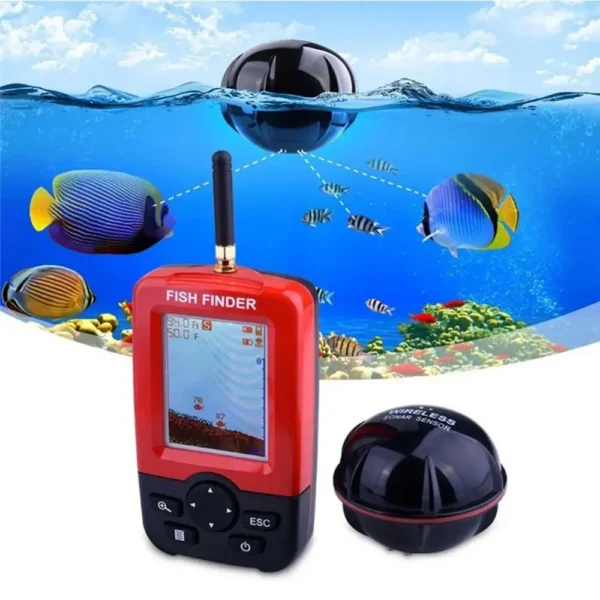


Product Gallery
-
 Ultimate 2-3 Person Inflatable Kayak for Fishing Fun Rated 5.00 out of 5$1,092.43 – $1,105.95Price range: $1,092.43 through $1,105.95
 -
VEVOR 550 lb Heavy-Duty Folding Wagon & Bench for Adventurers
$155.14 – $252.20Price range: $155.14 through $252.20
-
BISINNA One-Touch Titanium Tent for 3-4 Campers, Adventure Ready Rated 4.36 out of 5
$311.78Original price was: $311.78.$217.30Current price is: $217.30.








 Camping Gear
 Camping Chair
 Camping Table
 Camping Bed
 Sleeping Gear
 Storage Bags
 BBQ Portable
 Sleeping Bags
 Camping Tents
 Gazebos
 Outdoor Cooler
 Cookware
 Power
Power Camping Light
 Flashlight
 Portable Solar
 Power Banks
 Fish Finders
 Fishing Bags
 Fishing Jerseys
 Fishing Reels
 Fishing Chairs
 Fishing Bait Boat
 Fishing Floats
 Hard Baits
 Hiking Vests
 Outdoor Bags
 Water Filters
 Paracord
 Walkie Talkie
 Paddleboards
 Boats
Boats Sea Scooter
 Accessories
 Electric Bike
 Electric Scooter
Recent Comments