

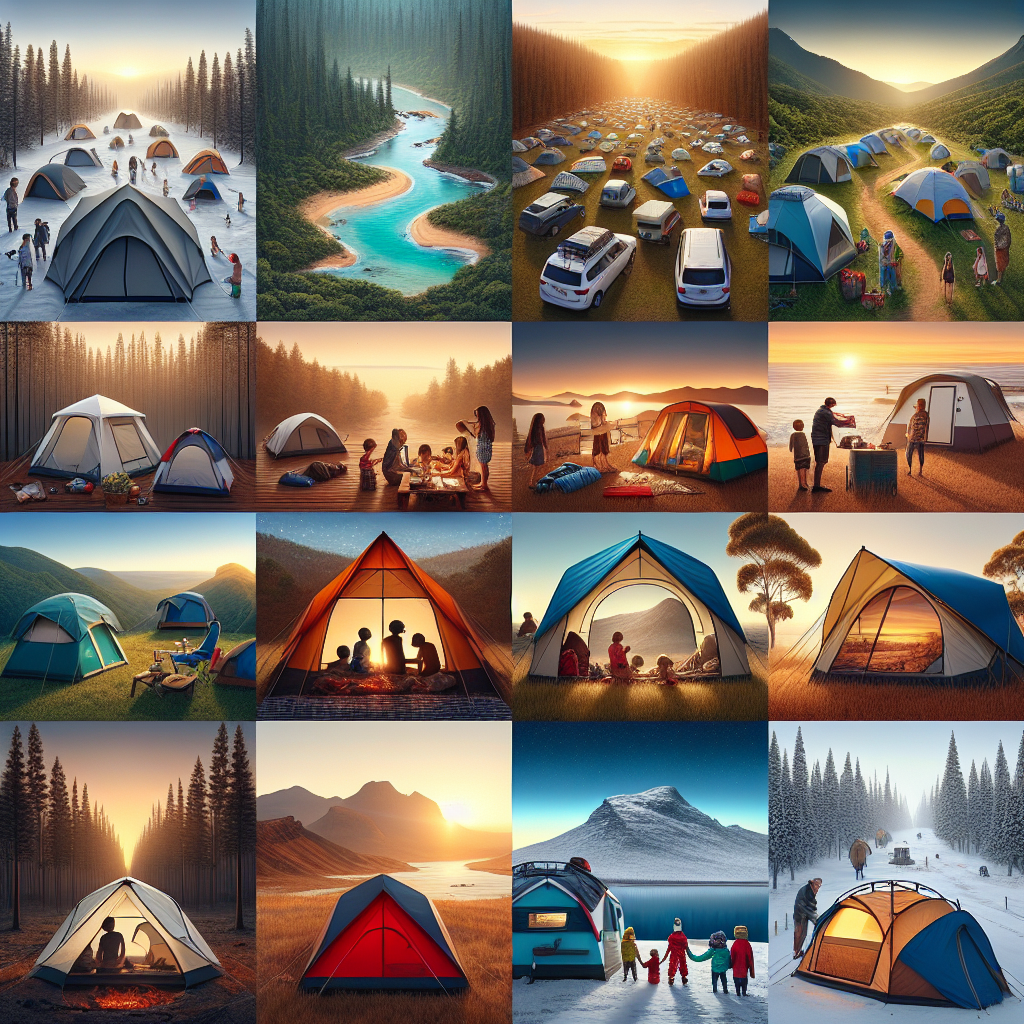

Planning a family camping trip should be exciting, right? But let’s be honest, wading through the sheer number of tents out there can quickly turn that excitement into a major headache. Dome tents, cabin tents, backpacking tents, instant tents… it’s enough to make your head spin! You’re not alone; it’s a common camper conundrum. This guide will make choosing a family tent a breeze, offering practical advice and real-world insights so you can focus on what truly matters: creating unforgettable memories with your loved ones under the stars. Honestly, isn’t that what it’s all about?
Understanding Your Family’s Camping Needs
First things first: before you even *think* about tent models, let’s get real about your family’s camping style. Will you be car camping mostly? Or are you planning some, shall we say, *ambitious* backpacking trips with the whole crew? (Bless you if you are!). Knowing this upfront makes all the difference. The rugged durability needed for a backcountry adventure differs wildly from the comfort focused build quality of a car camping palace. But there’s middle ground too. Think about how many people you need to sleep. Consider the ages of your children – toddlers need more space (and maybe their own little “zone” to avoid midnight toy explosions). Also consider what seasons you will be camping. The last thing you want is a tent that can’t handle a sudden downpour or a surprise snow flurry if you’re pushing into the shoulder seasons.
Size and Capacity: How Much Space Do You Really Need?
Tent size is a funny thing. Manufacturers often rate a tent based on *maximum* occupancy, which assumes everyone is packed in like sardines. A “4-person” tent might comfortably fit two adults and one smaller child, or maybe three smaller adults who are good friends since childhood ( or are now). For true family comfort, it’s always wise to go bigger than you think you need. Imagine trying to change clothes in a cramped tent with everyone else’s gear scattered around – not exactly the peaceful nature experience you envisioned, is it? As a simple rule, consider adding at least two extra “berths” over the number of campers. This gives you room for gear, personal space, and prevents that claustrophobic feeling when you’re stuck inside during a rainstorm. You know, the kind where everyone starts eyeing each other like potential tent-confined zombies…avoid that! So, when shopping, if you have a family of four, a 6-person or even an 8-person tent might be the sweet spot for optimal comfort.
Tent Types: Decoding the Options
Okay, now for the fun part: browsing tent types! Here’s a breakdown of the most common ones, along with their pros and cons:
- Dome Tents: These are your classic, all-around tents. They’re relatively lightweight, easy to set up, and offer good weather protection. Think of them as the reliable sedan of the tent world. Perfect for most family camping scenarios, particularly if you move between campsites frequently.
- Cabin Tents: If you prioritize space and headroom, a cabin tent is the way to go. With near-vertical walls, you can actually stand up and move around comfortably. This makes them ideal for longer stays and larger families. However, they can be heavier and more challenging to set up than dome tents. They’re like the family RV of tents – spacious and comfy, but not exactly built for speed.
- Instant/Pop-Up Tents: Need a tent that sets up in minutes? Instant tents are your friend. They come with pre-attached poles, so all you have to do is unfold and extend them. Great for quick weekend getaways or when you’re camping with impatient kids (aren’t they all?). The downside? They can be bulky to transport and may not be as durable as other types.
- Backpacking Tents: These are designed to be lightweight and compact for carrying on your back. While you *could* use them for car camping, their smaller size makes them less ideal for larger families aiming for home-like comfort; you can, but why would you?
- Geodesic and Semi-Geodesic Tents: For serious weather protection in exposed environments, geodesic tents are the gold standard. Their interwoven pole structure provides incredible strength and stability, making them ideal for mountain adventures and gusty conditions. These styles are probably too specialized for everyday family camping, but worth knowing about—especially if you are planning to visit Patagonia.
Material Matters: Durability and Weather Resistance
You know what they say: you get what you pay for. When it comes to tent materials, this couldn’t be more true. Look for tents made from durable, water-resistant fabrics like polyester or nylon, ideally with a polyurethane (PU) coating for extra protection. The higher the denier (D) number, the thicker and more robust the fabric – a higher denier rating generally means greater resistance to tearing and abrasion. Seams are the weak points of any tent, so make sure they’re sealed properly to prevent leaks; look for factory taped seams or, if you’re handy, apply a seam sealant yourself. Regarding the inner tent (if it has one), breathable fabrics like polyester or nylon help to reduce condensation buildup. The floor is especially crucial; a bathtub floor (where the floor fabric extends up the tent walls) offers maximum water protection. Don’t forget about the tent poles. Fiberglass poles may be more affordable, but aluminum poles are stronger and more durable, especially in windy conditions. Trust me; you don’t want a pole snapping in the middle of the night during a thunderstorm.
Features to Consider: Enhancing Comfort and Convenience
The devil is in the details, as they say. While the basic tent structure is important, certain features can make a *huge* difference in your camping experience.
- Ventilation: Good ventilation is key to preventing condensation and stuffiness. Look for tents with multiple vents, ideally placed high and low for optimal airflow. Mesh panels on the doors and windows also help to improve ventilation while keeping bugs out.
- Storage Pockets: These are invaluable for keeping your gear organized and off the floor. Look for tents with plenty of pockets in various sizes, both inside the tent and in the vestibule area.
- Vestibules: A vestibule is an extended area outside the tent door that provides extra storage space for muddy boots, backpacks, and other gear. It also creates a sheltered entrance, which is great for rainy days.
- Electrical Cord Access Port: If you’re camping at a site with electrical hookups, an access port allows you to run an extension cord into the tent without leaving a gap for bugs to enter. Trust me, this is a game-changer if you like to camp with a fan, heater, or other gadgets.
- Gear Lofts: Similar to storage pockets but positioned above your head, gear lofts are another great way to organize smaller items like headlamps, books, and maps.
- Color-Coded Poles and Sleeves: Simplifies and speeds up setup.
Setting Up Camp: Tips for a Smooth Experience
So, you’ve got your tent – fantastic! Now let’s talk about setting it up. Practice makes perfect, so do a dry run in your backyard before you head out to the campsite. This will help you familiarize yourself with the tent’s components and setup process and ensure that you have all the necessary parts. Choose a level campsite free of rocks, roots, and other debris. Use a ground tarp or footprint under your tent to protect the floor from abrasion and moisture. When inserting the poles, be gentle and avoid forcing them. Stake the tent securely, making sure the stakes are angled properly for maximum holding power. Finally, guy out the rainfly for optimal weather protection and ventilation. With a little practice, you’ll be a tent-pitching pro in no time!
Care and Maintenance: Extending Your Tent’s Lifespan
A good tent is an investment, so treat it with care and it will last for years. Always clean your tent after each trip, removing any dirt, leaves, or debris. If the tent is wet, allow it to dry completely before storing it to prevent mildew and mold growth. Store your tent in a cool, dry place away from direct sunlight. Avoid folding the tent along the same lines each time, as this can create weak spots in the fabric. Regularly inspect your tent for any signs of damage, such as tears, holes, or worn seams. Repair any damage promptly to prevent it from worsening. You can purchase tent repair kits at most outdoor stores.
Budgeting for a Family Tent: Finding the Sweet Spot
Tents range in price from bargain-basement cheap to eye-wateringly expensive. The old adage “you get what you pay for” rings true here, but there is a sweet spot. For occasional family camping, you don’t need the highest-end expedition tent. But skimping *too* much can result in a leaky, flimsy shelter that makes your camping trip miserable. Decide on your budget ahead of time and stick to it. Read online reviews and compare prices at different retailers, such as REI REI and Amazon Amazon. Look for sales and discounts, especially at the end of the camping season. Consider buying a used tent in good condition to save money. Ultimately, aim for a tent that offers a balance of quality, features, and price that meets your family’s needs.
Making the Final Decision: Trust Your Gut
You’ve done your research, compared the options, and narrowed down your choices. Now it’s time to trust your gut and make the final decision. Which tent feels right for your family? Which one do you envision yourselves making memories in for years to come? Sometimes, the perfect tent isn’t the one with the most features or the highest price tag. It’s the one that simply feels like home away from home. So go with your intuition and choose the tent that speaks to you.
FAQ: Your Family Tent Questions Answered
DISCLAIMER
Camping involves inherent risks. This guide offers suggestions, but you are responsible for your safety. Always check weather conditions before your trip, ensure your gear is suitable, and inform someone of your plans. Happy camping!
Categories
- Navigation & Safety (68)
- Shelter & Sleep (72)
Top rated products
-
 Ultimate AONIJIE Soft Flask 1000 ml/2000 ml with Water Filter Rated 5.00 out of 5
$38.70Original price was: $38.70.$26.97Current price is: $26.97. -
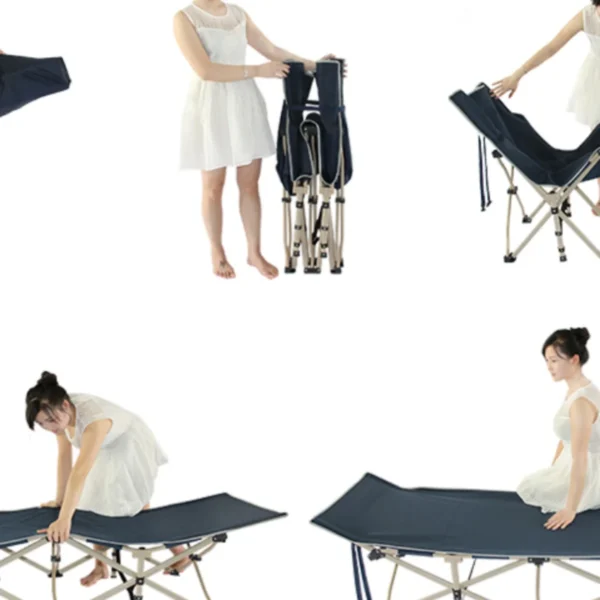
Portable Folding Bed for Office Naps & Outdoor Adventures Rated 5.00 out of 5$171.81 – $308.60Price range: $171.81 through $308.60
-
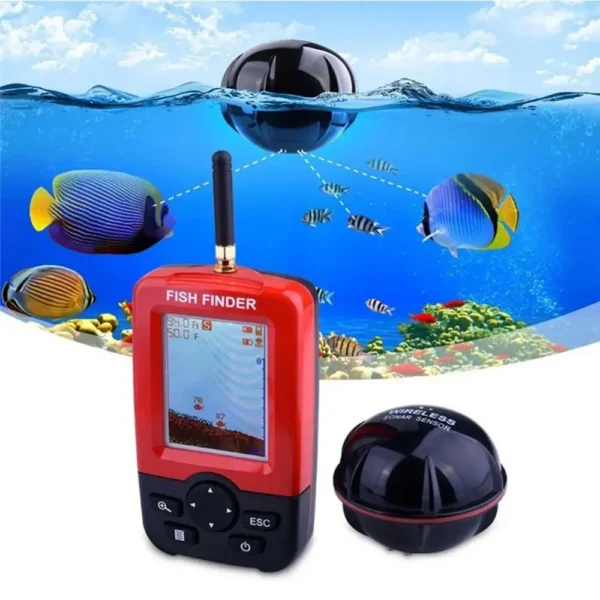
Smart Wireless Fish Finder: Elevate Your Fishing Experience! Rated 5.00 out of 5
$121.26Original price was: $121.26.$84.51Current price is: $84.51.



Product Gallery
-
 Ultimate 2-3 Person Inflatable Kayak for Fishing Fun Rated 5.00 out of 5$1,092.43 – $1,105.95Price range: $1,092.43 through $1,105.95
 -
VEVOR 550 lb Heavy-Duty Folding Wagon & Bench for Adventurers
$155.14 – $252.20Price range: $155.14 through $252.20
-
BISINNA One-Touch Titanium Tent for 3-4 Campers, Adventure Ready Rated 4.36 out of 5
$311.78Original price was: $311.78.$217.30Current price is: $217.30.













 Camping Gear
 Camping Chair
 Camping Table
 Camping Bed
 Sleeping Gear
 Storage Bags
 BBQ Portable
 Sleeping Bags
 Camping Tents
 Gazebos
 Outdoor Cooler
 Cookware
 Power
Power Camping Light
 Flashlight
 Portable Solar
 Power Banks
 Fish Finders
 Fishing Bags
 Fishing Jerseys
 Fishing Reels
 Fishing Chairs
 Fishing Bait Boat
 Fishing Floats
 Hard Baits
 Hiking Vests
 Outdoor Bags
 Water Filters
 Paracord
 Walkie Talkie
 Paddleboards
 Boats
Boats Sea Scooter
 Accessories
 Electric Bike
 Electric Scooter
Recent Comments