

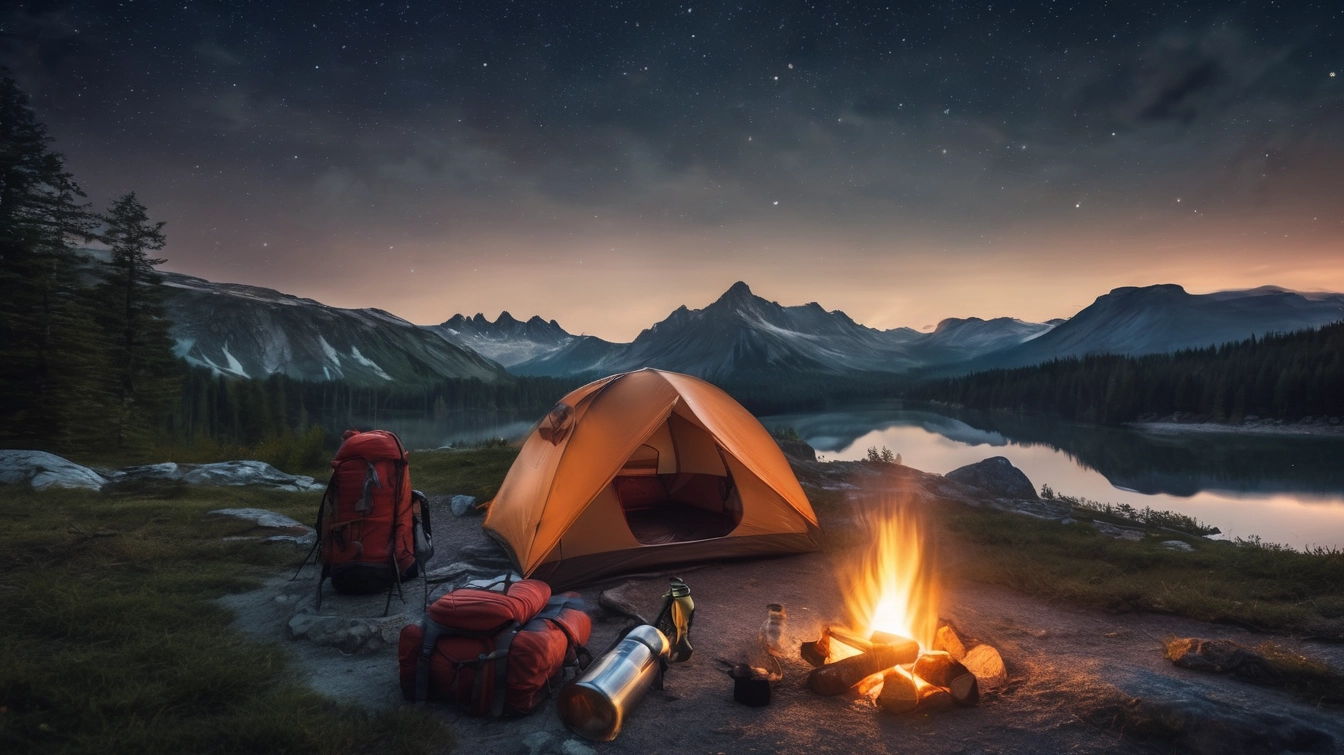

So, you’re thinking about hitting the great outdoors? Awesome! Camping can be an absolute blast, a chance to reconnect with nature, roast some marshmallows, and maybe even discover a newfound appreciation for things like, you know, *not* having to share a bathroom with squirrels. But let’s be real, camping can also be… challenging. From battling rogue tent zippers to figuring out which end of the sleeping bag goes where, there’s a learning curve.
This guide is your shortcut. We’re going to walk you through everything you need to know to transform from a camping newbie to a seasoned pro, ready to conquer any campground. We’ll cover gear, skills, safety, and even a few insider tips that’ll make you the envy of your fellow campers. Ready? Let’s get started!
Gear Up: The Essentials (and a Few Nice-to-Haves)
First things first, let’s talk gear. Now, before you run off and empty your bank account at REI, let’s break down the essentials. We’re aiming for “prepared,” not “overkill.” Think of it like this: you don’t need a gourmet kitchen to make a delicious campfire stew, but you definitely need a pot.
The Big Three: Tent, Sleeping Bag, and Sleeping Pad
These are your shelter, your warmth, and your comfort. Don’t skimp on these! A leaky tent in a downpour? A sleeping bag that leaves you shivering all night? A sleeping pad that feels like you’re sleeping directly on rocks? No thanks.
* **Tent:** Consider the size. A two-person tent is great for solo adventures or couples, but if you’re bringing your furry friend or just like to spread out, size up.. Look for a tent with a good rainfly and sturdy poles.
* **Sleeping Bag:** Temperature rating is key. Get a bag rated for the coldest temperatures you expect to encounter. Remember, it’s always easier to cool down than warm up.
* **Sleeping Pad:** Insulation from the cold ground is crucial. Inflatable pads are comfy but can be punctured. Foam pads are durable but bulky. Hybrid options offer a good balance.
Cooking Like a Camp Chef (Without the Chef Hat)
Camp food doesn’t have to be sad. With a little planning, you can eat pretty darn well in the wilderness. We’re talking beyond just hot dogs and s’mores (though, those are classics for a reason!).
* **Camp Stove:** A portable stove is a game-changer. Propane stoves are reliable and easy to use. Backpacking stoves are smaller and lighter, ideal for, well, backpacking.
* **Cookware:** A simple pot and pan set will do the trick. Look for lightweight, nesting options to save space.
* **Utensils:** Spork, anyone? Or maybe a more civilized fork, spoon, and knife set. Don’t forget a spatula for flipping those campfire pancakes!
* **Cooler:** Keep your perishables cold and happy. Invest in a good cooler with decent insulation.
Light It Up: Headlamps and Lanterns
When the sun goes down, it gets *dark* out there. A reliable light source is essential for safety and convenience.
* **Headlamp:** Headlamps are awesome because they leave your hands free. Perfect for setting up camp after dark or navigating to the outhouse in the middle of the night.
* **Lantern:** A lantern provides ambient light for your campsite. Great for cozy evenings around the campfire.
Don’t Forget These Essentials!
Seriously, forgetting any of these can ruin your trip.
- First-aid kit: Band-aids, antiseptic wipes, pain relievers, the basics!
- Sunscreen: Protect your skin, even on cloudy days.
- Bug spray: Those little buggers can be relentless.
- Water bottles or hydration reservoir: Stay hydrated!
- Multi-tool or knife: Always comes in handy.
- Toilet paper: Self-explanatory.
- Trash bags: Pack it in, pack it out!
So, that’s the gear gist. It might seem like a lot, but once you get it all together, you’ll be ready for almost anything Mother Nature throws your way. And hey, you can always add more fancy gadgets later. But for now, focus on the essentials. You know what I mean?
Skills That Pay the Bills (and Keep You Alive)
Having the right gear is only half the battle. You also need to know how to use it, and maybe learn a few other tricks in the wild to make the most out of your adventure. Let’s talk about the skills you are going to need.
Setting Up Camp Like a Boss
Your tent is your home away from home. So, let’s make sure it’s a structurally sound home.
* **Choosing the right spot:** Look for flat ground, away from trees (falling branches, anyone?), and avoid low-lying areas that could flood if it rains.
* **Setting up your tent:** Practice at home *before* you head out. Trust me, you don’t want to be wrestling with tent poles in the dark.
* **Securing your tent:** Use all the stakes and guylines that come with your tent. This will keep it from blowing away in high winds.
Fire Starting 101: From Tinder to Roaring Flame
There’s something primal and satisfying about building a campfire and knowing you can survive in the middle of nature. But it’s not as simple as just throwing a match on a pile of wood.
* **Gathering tinder, kindling, and firewood:** Tinder is small, easily combustible material like dry leaves, pine needles, or cotton balls soaked in petroleum jelly. Kindling is small twigs. Firewood is larger pieces of wood.
* **Building a fire:** There are several different fire-building methods, but the teepee method is a good place to start.
* **Safety first:** Never leave a fire unattended. Keep a bucket of water or a shovel nearby. Make sure the fire is completely extinguished before you leave.
Navigation: Finding Your Way Back to Civilization
Getting lost in the woods is not fun. You’re cold, hungry, paranoid of bears, and you look at plants with a suspicious eye. So, knowing some basic navigation skills is important.
* **Using a map and compass:** Learn how to read a topographic map and use a compass to find your way. It’s not as hard as it looks!
* **Using a GPS:** GPS devices can be helpful, but don’t rely on them entirely. Batteries die!
* **Understanding natural navigation:** The sun rises in the east and sets in the west. Moss often grows on the north side of trees. Paying attention to these clues can help you stay oriented.
Leave No Trace: Respecting Mother Nature
We want to keep our camping spots in great condition for years to come. It’s like the golden rule of camping: leave it better than you found it!
* **Pack it in, pack it out:** Take everything you bring with you, including trash.
* **Minimize campfire impacts:** Use existing fire rings whenever possible. Keep fires small and contained.
* **Respect wildlife:** Observe animals from a distance. Don’t feed them.
* **Dispose of waste properly:** Bury human waste in a cat hole (6-8 inches deep) at least 200 feet away from water sources.
Alright, with these skills under your belt, you’re starting to look like a real camping pro. You can build a fire, find your way, and leave no trace. Pretty impressive, right? But wait, there’s more!
Safety First: Avoiding Common Camping Calamities
Camping is fun, but it’s also important to be aware of the potential risks. A little preparation can go a long way in preventing accidents and ensuring a safe trip. Let’s cover the fundamentals so you return home unscatched.
Wildlife Encounters: Staying Safe in Animal Territory
We share the wilderness with all sorts of critters, from squirrels to bears. Most of them are harmless, but it’s still important to be aware of your surroundings and take precautions.
* **Bear safety:** Store food in bear-resistant containers or hang it from a tree. Make noise while hiking to avoid surprising bears. Carry bear spray and know how to use it.
* **Snake safety:** Watch where you step. Wear boots and long pants in areas where snakes are common. If you see a snake, give it plenty of space.
* **Insect safety:** Use insect repellent to protect yourself from mosquitoes, ticks, and other biting insects. Check yourself for ticks after hiking.
Weather Woes: Preparing for Mother Nature’s Mood Swings
The weather can change quickly in the mountains. Be prepared for anything, from sunshine to rain to snow.
* **Check the forecast:** Before you head out, check the weather forecast for the area you’ll be camping in.
* **Pack appropriate clothing:** Dress in layers so you can adjust to changing temperatures. Bring rain gear, even if the forecast is clear.
* **Know the signs of hypothermia and heatstroke:** Hypothermia is a dangerous drop in body temperature. Heatstroke is a dangerous rise in body temperature. Know the symptoms and how to treat them.
First Aid Fundamentals: Treating Minor Injuries and Ailments
Even with the best preparation, accidents can happen. Knowing some basic first aid can help you treat minor injuries and ailments.
* **Wound care:** Clean wounds thoroughly with soap and water. Apply antiseptic and bandages.
* **Sprains and strains:** Rest, ice, compression, and elevation (RICE).
* **Allergic reactions:** Carry an epinephrine auto-injector (EpiPen) if you have severe allergies.
By taking these safety precautions, you can minimize your risk of accidents and ensure a safe and enjoyable camping trip. Think of it as being a responsible guest in nature’s backyard. It’s worth the extra effort, honestly.
Pro Tips: Taking Your Camping Game to the Next Level
Alright, you’ve got the gear, the skills, and the safety knowledge. Now, let’s talk about those little extras that will really elevate your camping experience. These tips are things that separates you from everybody else!
Camp Cooking Hacks: Gourmet Meals in the Great Outdoors
Elevate your camping cuisine with these tips that can make you look and cook like a genius in front of your camping buddies.
* **Prep your meals in advance:** Chop vegetables, marinate meat, and pre-mix dry ingredients at home. This will save you time and effort at the campsite and prevent cross-contamination.
* **Use foil packets:** Foil packets are a convenient way to cook individual meals over the campfire. Just wrap your ingredients in foil and toss them on the coals.
* **Dutch oven cooking:** A Dutch oven is a versatile cooking tool that can be used for everything from baking bread to roasting meat.
Camp Comfort Hacks: Making Your Campsite Feel Like Home
Who says camping can’t be comfy? These little additions can make a world of difference.
* **Bring a camp chair:** Your back will thank you.
* **String up a hammock:** Perfect for relaxing and reading a book.
* **Bring a portable power bank:** Keep your devices charged.
* **Bring a small rug for outside your tent:** Keep dirt out, and feels good on the feet.
Stargazing Secrets: Exploring the Night Sky
One of the best things about camping is the opportunity to see the stars. With a telescope or not, it amazes human being, especially in the middle of the night.
* **Find a dark location:** Get away from city lights for the best viewing.
* **Use a stargazing app:** These apps can help you identify constellations, planets, and other celestial objects.
* **Bring binoculars:** Binoculars can enhance your view of the night sky.
With these pro tips, you’ll be camping like a seasoned veteran. You’ll be cooking gourmet meals, relaxing in comfort, and exploring the cosmos. You’ll be the envy of all your fellow campers, trust me.
Choosing Your Adventure: Picking the Perfect Campsite
So you have all this knowledge… now where to go? Picking the right campsite is crucial for a successful camping trip. Consider what you want to get out of the experience before you commit.
Types of Campsites
Here’s a little guide to help you decide what terrain will suit you best.
- **Developed Campgrounds:** These offer amenities like restrooms, picnic tables, fire rings, and sometimes even showers and electricity. They’re great for beginners or those who prefer a more comfortable experience.
- **Semi-Developed Campgrounds:** These are similar to developed campgrounds but may have fewer amenities.
- **Dispersed Camping:** Also known as backcountry camping, this involves camping in areas without designated campsites or amenities. It’s more challenging but offers a more secluded and adventurous experience. Make sure it’s allowed!
Factors to Consider
Pick a spot that best suits your ideal adventure:
- **Location:** Do you want to be near a lake, river, or hiking trails?
- **Accessibility:** Can you drive directly to the campsite, or will you need to hike in?
- **Crowds:** Do you prefer solitude, or do you like being around other campers?
- **Amenities:** What amenities are important to you? Restrooms? Showers? Electricity?
- **Regulations:** Are there any restrictions on campfires, pets, or generator use?
Resources for Finding Campsites
- **Recreation.gov:** This website allows you to search for and reserve campsites on federal lands. Recreation.gov
- **State Park Websites:** Most state park websites have information about their campgrounds.
- **Campground Review Websites:** Websites like Campendium and The Dyrt offer reviews and photos of campgrounds from other campers. The Dyrt
Take your time, do your research, and choose a campsite that’s right for you. With a little planning, you can find the perfect spot to relax, explore, and connect with nature. And that’s what it’s all about, right?
FAQ: Your Burning Camping Questions Answered
Still got some questions swirling around in your head? No worries! Here are some of the most frequently asked questions about camping, answered for your convenience. So, what are you waiting for, read away!
So there you have it. From gear to skills to safety, you’re now armed with the knowledge to camp like a pro. Go out there, explore the wilderness, and create some amazing memories. And most importantly, have fun!
DISCLAIMER
Please note that camping involves inherent risks. This guide is intended for informational purposes only and should not be considered a substitute for professional advice. Always exercise caution, use common sense, and be aware of your surroundings when camping. The author and publisher are not responsible for any injuries, damages, or losses that may occur as a result of using this information.
Categories
- Navigation & Safety (68)
- Shelter & Sleep (72)
Top rated products
-
 Ultimate AONIJIE Soft Flask 1000 ml/2000 ml with Water Filter Rated 5.00 out of 5
$38.70Original price was: $38.70.$26.97Current price is: $26.97. -
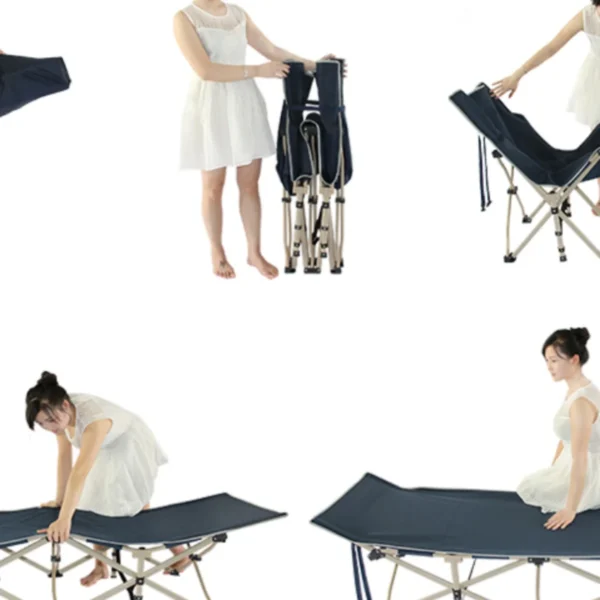
Portable Folding Bed for Office Naps & Outdoor Adventures Rated 5.00 out of 5$171.81 – $308.60Price range: $171.81 through $308.60
-
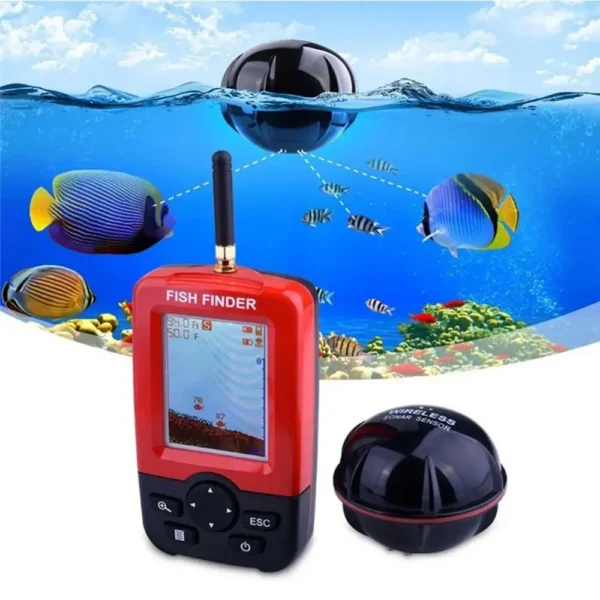
Smart Wireless Fish Finder: Elevate Your Fishing Experience! Rated 5.00 out of 5
$121.26Original price was: $121.26.$84.51Current price is: $84.51.



Product Gallery
-
 Ultimate 2-3 Person Inflatable Kayak for Fishing Fun Rated 5.00 out of 5$1,092.43 – $1,105.95Price range: $1,092.43 through $1,105.95
 -
VEVOR 550 lb Heavy-Duty Folding Wagon & Bench for Adventurers
$155.14 – $252.20Price range: $155.14 through $252.20
-
BISINNA One-Touch Titanium Tent for 3-4 Campers, Adventure Ready Rated 4.36 out of 5
$311.78Original price was: $311.78.$217.30Current price is: $217.30.






 Camping Gear
 Camping Chair
 Camping Table
 Camping Bed
 Sleeping Gear
 Storage Bags
 BBQ Portable
 Sleeping Bags
 Camping Tents
 Gazebos
 Outdoor Cooler
 Cookware
 Power
Power Camping Light
 Flashlight
 Portable Solar
 Power Banks
 Fish Finders
 Fishing Bags
 Fishing Jerseys
 Fishing Reels
 Fishing Chairs
 Fishing Bait Boat
 Fishing Floats
 Hard Baits
 Hiking Vests
 Outdoor Bags
 Water Filters
 Paracord
 Walkie Talkie
 Paddleboards
 Boats
Boats Sea Scooter
 Accessories
 Electric Bike
 Electric Scooter
Recent Comments