

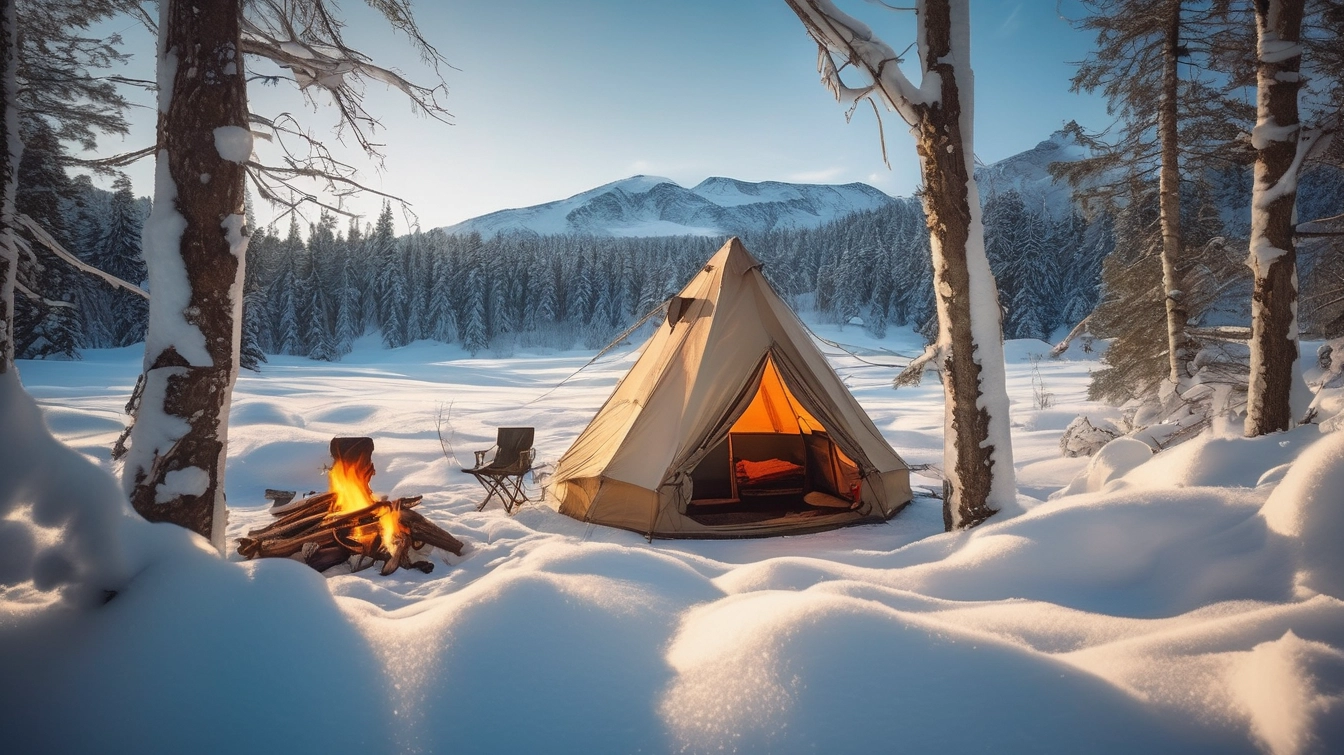

So, you’re thinking about winter camping, huh? Honestly, that’s either incredibly brave or slightly insane. Or maybe it’s both! But trust me, there’s a unique magic to the winter wilderness—a serene beauty that summer crowds just can’t touch. That being said, you gotta be prepared. Winter camping isn’t just summer camping with a snow flurry. It’s a whole different ballgame. Let’s get you ready to play!
Why Brave the Chill? The Allure of Winter Camping
First up, let’s talk about why anyone in their right mind would choose to sleep in the snow. You know what? It’s not about right mind or not, it’s what you make of it!
Peace and quiet are some of the prime reasons. Think about it: no buzzing mosquitos, no overcrowded trails, and no noisy neighbors blasting music. Just you, the crisp air, and the soft hush of a winter wonderland. It’s an experience that’s hard to beat. The solitude alone is worth the chill for many outdoor enthusiasts.
Plus, it’s a challenge! We’re not just talking about pitching a tent. We’re talking about testing your skills, your gear, and your grit. Successfully navigating a winter camping trip gives you a feeling of accomplishment that’s pretty darn rewarding.
And let’s not forget the beauty. Winter landscapes have an ethereal quality. The way snow blankets the trees, the stark contrast of the white ground against the deep blue sky, the way the light filters through the branches—it’s breathtaking. Like staring into a black metal album cover, haha.
Finally, winter camping forces you to slow down and be present. You can’t just breeze through things when you’re dealing with freezing temperatures and potentially hazardous conditions. You have to pay attention, be mindful, and appreciate the moment…all from inside your sleeping bag, haha.
Gear Up or Give Up: Essential Equipment for Winter Camping
Alright, let’s talk gear. Because honestly, your gear can make or break your trip. It’s not just about comfort; it’s about survival. So, what do you need?
**The Shelter**: A four-season tent is non-negotiable. These tents are built to withstand heavy snow and strong winds. Look for features like a full-coverage rainfly, sturdy poles, and a robust floor. Make sure it’s big enough to comfortably fit you and your gear, because, honestly, space is a luxury in winter, am I right?
**Sleep System Supreme**: Your sleeping bag is your lifeline. Invest in a high-quality down or synthetic sleeping bag rated for temperatures well below what you expect to encounter. A sleeping pad with a high R-value (insulation rating) is also crucial to prevent heat loss to the ground. Consider layering two pads for extra insulation. What’s the point of camping if you cannot get a good night’s sleep?
**Layers, Layers, Layers**: Clothing is key. The “layering system” is your best friend. Start with a moisture-wicking base layer (merino wool or synthetic), add an insulating mid-layer (fleece or down), and top it off with a waterproof and windproof outer shell. Don’t forget warm socks, gloves, and a hat! And bring extras of everything. You never know when something might get wet or damaged. And let me tell you, wet socks in winter are a recipe for misery.
**Cooking Up a Storm (Safely)**: A reliable stove is essential for melting snow for water and cooking warm meals. White gas stoves perform well in cold temperatures, but canister stoves are also an option (just keep the canister warm). Always cook in a well-ventilated area to avoid carbon monoxide poisoning. And pack plenty of fuel! You’ll need more than you think. Cooking in the cold can be a slow burn–pun intended.
**Navigation Know-How**: Don’t rely solely on your phone for navigation. Batteries drain quickly in cold weather. Bring a map, compass, and GPS device, and know how to use them. Practice your navigation skills before you go. Getting lost in the winter is not a fun game.
**Safety First**: A well-stocked first-aid kit is essential. Include items for treating hypothermia, frostbite, and other winter-related injuries. A satellite communication device (like a Garmin inReach or SPOT) can be a lifesaver in case of an emergency. And don’t forget a headlamp or flashlight with extra batteries. The sun sets early in the winter, so you’ll need plenty of light.
What about snowshoes or skis? Depends where you’re planning on pitching your tent. Consider that as well!
Mastering the Art of Winter Camping Skills
Okay, you’ve got the gear. Now, let’s talk skills. Because no amount of fancy equipment can save you if you don’t know what you’re doing.
**Pitching Like a Pro**: Practice pitching your tent in the snow before you head out. Find a sheltered spot, stomp down the snow to create a platform, and use snow stakes or deadman anchors to secure the tent. A solid pitch is crucial for staying warm and dry.
**Fire Starting Finesse**: Knowing how to start a fire in the snow is a valuable skill. Gather dry tinder and kindling, build a platform to keep the fire off the ground, and protect it from the wind. Practice your fire-starting skills in different conditions. I mean, who doesn’t love a good campfire anyway?
**Melting Snow for Survival**: Staying hydrated is critical, even in cold weather. Melt snow for drinking water, but avoid eating snow directly, as it can lower your body temperature. Use a stove or fire to melt the snow. Be patient; it takes time. I remember one particularly brutal winter, trying to get my water boiling felt like a lifetime!
**Staying Warm (and Toasty)**: Learn how to layer your clothing effectively to regulate your body temperature. Avoid sweating, as it can lead to chilling. Change into dry clothes as soon as possible if you get wet. Use hand and foot warmers for extra warmth. And don’t forget to eat plenty of high-calorie foods to fuel your body. Remember, the cold is a subtle killer.
**Poop Etiquette (Winter Edition)**: Pack out all your trash, including human waste (yes, that means poop). Use a WAG bag or a portable toilet system. Burying waste is not an option in the winter, as the ground is frozen. Let’s keep the wilderness pristine, shall we?
**Navigation Ninja**: Master your map and compass skills. Learn how to use a GPS device and interpret weather forecasts. Be aware of avalanche terrain and know how to avoid it. Getting turned around in the winter is never fun. Also, let people know where you are going. You need to make sure that someone knows you’re out there!
Safety Dance: Essential Winter Camping Safety Tips
Safety is paramount in winter camping. The wilderness can be unforgiving, so you need to be prepared for anything. I always tell people, winter camping is more cerebral than camping any other time of the year.
**Weather Wise**: Check the weather forecast before you go and be prepared for changing conditions. Winter weather can be unpredictable, and storms can roll in quickly. Postpone your trip if the forecast is unfavorable. No summit is worth risking your life.
**Avalanche Awareness**: If you’re camping in avalanche terrain, take an avalanche safety course and learn how to recognize avalanche hazards. Carry an avalanche transceiver, shovel, and probe, and know how to use them. Check the avalanche forecast before you go. The more informed you are, the safer you will be.
**Hypothermia Horror**: Hypothermia is a serious threat in cold weather. Learn how to recognize the symptoms (shivering, confusion, slurred speech) and how to treat it (warm the person gradually, give them warm drinks, and provide shelter). Prevention is key: stay warm, dry, and well-nourished. Know the signs of frostbite as well! Numbness, discoloration, etc. is probably a good sign to seek cover and warm up.
**Frostbite Frights**: Frostbite occurs when body tissue freezes. Learn how to recognize the symptoms (numbness, tingling, white or gray skin) and how to treat it (warm the affected area gradually, but do not rub it). Prevention is key: protect your extremities from the cold with warm gloves, socks, and hats.
**Carbon Monoxide Caution**: Carbon monoxide poisoning can occur when using a stove or heater in an enclosed space. Always ventilate your tent or shelter when using fuel-burning appliances. Carbon monoxide is odorless and colorless, so it’s important to be vigilant. Consider adding a CO detector in the tent as well.
**Communicate and Coordinate**: Tell someone where you’re going, when you expect to be back, and what to do if you don’t return on time. Carry a satellite communication device and know how to use it. Check in with your emergency contact regularly. And don’t forget to leave a detailed trip plan with someone you trust. It will help people know where to look should something go wrong.
Choosing Your Winter Wonderland: Location, Location, Location
Where you camp is just as important as how you camp. Location considerations can really make or break your experience. You know?
**Shelter from the Storm**: Look for a campsite that’s sheltered from the wind and potential avalanche paths. A grove of trees can provide natural wind protection. Avoid camping in valleys or gullies where cold air can collect. The less exposed, the better.
**Water Source Wisdom**: Choose a campsite near a reliable water source (like a stream or lake), but be aware of the risk of ice dams and flooding. Melting snow requires fuel, so having a readily available water source can be a big help.
**Sun’s Out (Hopefully)**: Consider the amount of sunlight your campsite will receive. A sunny campsite will be warmer and brighter than a shady one. But be aware of the potential for snow blindness and protect your eyes with sunglasses or goggles.
**Accessibility Adventures**: Think about how you’ll get to your campsite. Will you be skiing, snowshoeing, or hiking? Choose a location that’s within your physical capabilities and that’s accessible in winter conditions. And be aware of the potential for road closures or delays.
**Leave No Trace Legacy**: Practice Leave No Trace principles by minimizing your impact on the environment. Pack out all your trash, avoid disturbing vegetation, and respect wildlife. Leave your campsite cleaner than you found it. Remember, we’re just visitors in their home, let’s respect that.
**Permits and Permissions**: Check with the local authorities to determine if you need a permit or reservation to camp in your chosen location. Some areas have restrictions on winter camping. Obey all regulations and be respectful of private property.
Camp Cooking in the Cold: Warm Food, Happy Camper
Let’s talk about food, because honestly, nothing boosts morale like a hot meal on a cold day. Besides, your body needs that fuel!
**High-Calorie Heroes**: Pack high-calorie, nutrient-dense foods that will provide you with energy and warmth. Think nuts, seeds, dried fruits, chocolate, and cheese. Avoid foods that require a lot of preparation or cooking time. Remember, cold and hunger isn’t a good mix for anyone!
**One-Pot Wonders**: One-pot meals are ideal for winter camping. They’re easy to prepare and clean up, and they minimize fuel consumption. Chili, stew, and soup are all great options. For the less sophisticated, ramen can work as well.
**Hydration Hacks**: Stay hydrated by drinking plenty of warm fluids, such as hot chocolate, tea, or soup. Avoid sugary drinks, as they can dehydrate you. And don’t forget to melt snow for water. Hydration is just as important as having a full stomach!
**Thermos Treasures**: A thermos is your best friend for keeping beverages hot. Fill it with coffee, tea, or soup before you leave home. A hot drink can be a lifesaver on a cold day. You can also use these to pre-heat water before adding to meal pouches, that way it doesn’t take as long to cook in the cold.
**Keep it Frozen**: Keep your food from freezing solid by storing it in a insulated container or burying it in the snow. Frozen food is difficult to prepare and can be unappetizing. You never know what can impact your mood when camping.
**Bear Aware (Winter Edition)**: While bears are less active in the winter, they can still be a concern in some areas. Store your food in a bear-resistant canister or hang it from a tree. Keep your campsite clean and avoid leaving food scraps around. It’s better safe than sorry. Although waking a bear from hibernation could be quite the story!
The Mental Game: Staying Positive When the Temperature Drops
I know we’ve covered the technical stuff, but winter camping is also a mental game. Staying positive and motivated can be just as important as staying warm.
**Set Realistic Expectations**: Don’t expect everything to go according to plan. Be prepared for challenges and setbacks. Winter camping can be unpredictable, so it’s important to be flexible and adaptable. A “go with the flow” attitude can make all the difference.
**Celebrate Small Victories**: Acknowledge and celebrate your accomplishments, no matter how small. Did you successfully pitch your tent in the snow? Did you manage to start a fire in the wind? Did you make it through the night without freezing to death? These are all victories worth celebrating. A little pat on the back can work wonders.
**Embrace the Challenge**: Winter camping is a challenge, but it’s also an opportunity for growth. Embrace the challenge and learn from your experiences. You’ll come away stronger, more resilient, and more confident. And honestly, is there any better feeling than pushing your limits?
**Practice Gratitude**: Take time to appreciate the beauty of the winter landscape. Be grateful for the opportunity to experience the wilderness in its rawest form. Gratitude can help you stay positive and motivated, even when things get tough. Let’s get those good endorphins flowing. Happy brain = happy camper.
**Find Your Tribe**: Camp with friends or family who share your passion for winter camping. Sharing the experience with others can make it more enjoyable and rewarding. Plus, having a support system can be invaluable when things get tough. Safety in numbers, and warmth in numbers too!
**Remember Why You’re Here**: When the going gets tough, remember why you decided to go winter camping in the first place. Was it for the solitude? The challenge? The adventure? Whatever your reason, hold onto it and let it fuel you through the tough times. Keep your goals in focus!
FAQ: Your Burning Winter Camping Questions Answered
External Resources
For more information, check out these helpful resources :
DISCLAIMER
Winter camping entails inherent risks. This guide provides information, but it’s your responsibility to make informed decisions and take necessary precautions. Do not rely solely on this information, and always consult with experienced individuals or professionals before undertaking any winter camping trip. Weather conditions can change rapidly in winter. You should continuously monitor weather forecasts and be prepared to adjust your plans accordingly.
Categories
- Navigation & Safety (68)
- Shelter & Sleep (72)
Top rated products
-
 Ultimate AONIJIE Soft Flask 1000 ml/2000 ml with Water Filter Rated 5.00 out of 5
$38.70Original price was: $38.70.$26.97Current price is: $26.97. -
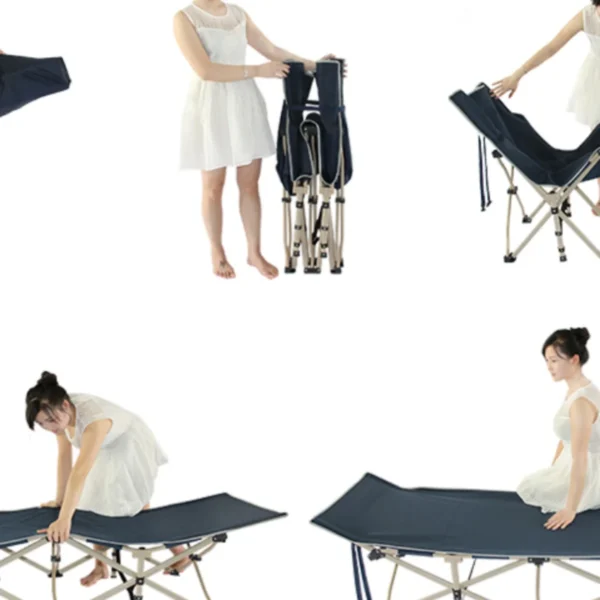
Portable Folding Bed for Office Naps & Outdoor Adventures Rated 5.00 out of 5$171.81 – $308.60Price range: $171.81 through $308.60
-
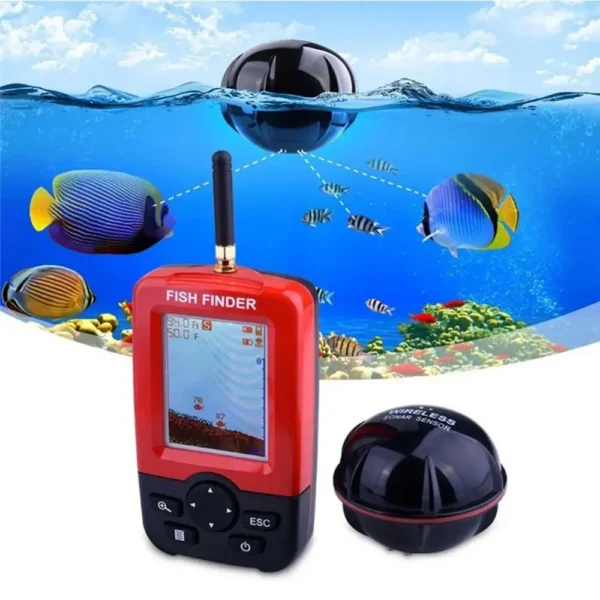
Smart Wireless Fish Finder: Elevate Your Fishing Experience! Rated 5.00 out of 5
$121.26Original price was: $121.26.$84.51Current price is: $84.51.



Product Gallery
-
 Ultimate 2-3 Person Inflatable Kayak for Fishing Fun Rated 5.00 out of 5$1,092.43 – $1,105.95Price range: $1,092.43 through $1,105.95
 -
VEVOR 550 lb Heavy-Duty Folding Wagon & Bench for Adventurers
$155.14 – $252.20Price range: $155.14 through $252.20
-
BISINNA One-Touch Titanium Tent for 3-4 Campers, Adventure Ready Rated 4.36 out of 5
$311.78Original price was: $311.78.$217.30Current price is: $217.30.











 Camping Gear
 Camping Chair
 Camping Table
 Camping Bed
 Sleeping Gear
 Storage Bags
 BBQ Portable
 Sleeping Bags
 Camping Tents
 Gazebos
 Outdoor Cooler
 Cookware
 Power
Power Camping Light
 Flashlight
 Portable Solar
 Power Banks
 Fish Finders
 Fishing Bags
 Fishing Jerseys
 Fishing Reels
 Fishing Chairs
 Fishing Bait Boat
 Fishing Floats
 Hard Baits
 Hiking Vests
 Outdoor Bags
 Water Filters
 Paracord
 Walkie Talkie
 Paddleboards
 Boats
Boats Sea Scooter
 Accessories
 Electric Bike
 Electric Scooter
Recent Comments