

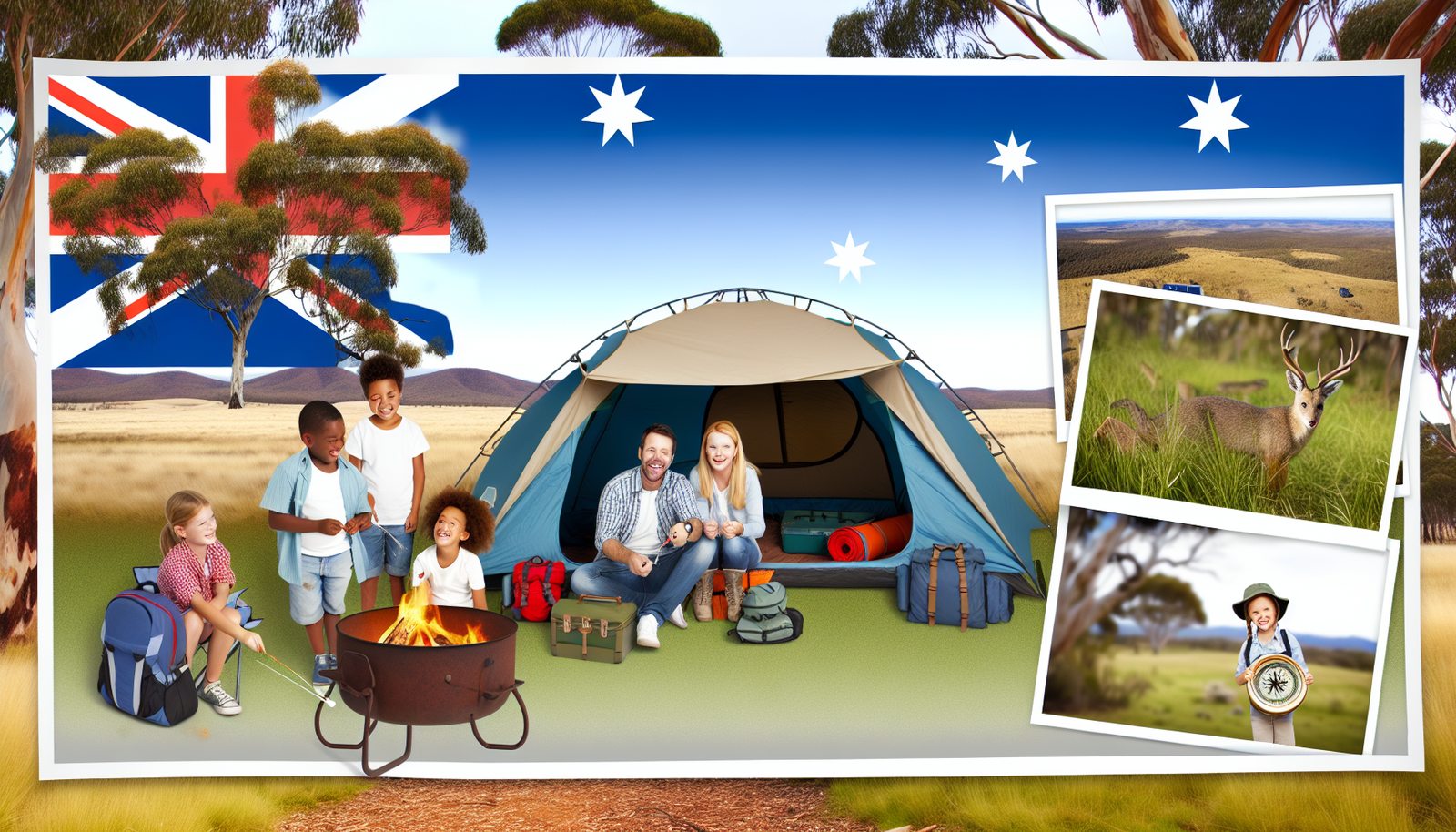

Planning a family camping trip? Awesome! But before you pack those marshmallows and sleeping bags, let’s talk tents. The right tent can make or break your adventure, turning a potentially miserable experience into a memory-filled getaway. Choosing can feel overwhelming, but it doesn’t have to be. Let’s walk through it together.
Why Your Tent Choice Matters: More Than Just Shelter
Think of your tent as your home away from home. It’s not just a place to sleep; it’s where you’ll likely spend evenings playing games, waiting out a rainstorm, or sharing stories. So, yeah, it matters quite a bit!
The comfort, space, and weather protection your tent provides will directly impact your family’s happiness. Imagine squeezing into a tiny tent with cranky kids after a long day of hiking. Not fun, right? Conversely, a spacious, well-ventilated tent can be a sanctuary.
Key Considerations Before You Buy: Let’s Get Practical
Alright, before you even start browsing, let’s nail down some essential factors. It’ll make the whole process smoother, trust me.
Family Size and Sleeping Arrangements: How Many Sleepyheads?
First off, how many people need to fit? A general rule of thumb is to always add at least one to two people to the manufacturer’s “sleep capacity.” A tent labeled as a “4-person” tent is often snug for four adults. For a family of four, you might want to look at a 6-person tent for extra wiggle room and gear storage.
Think about sleeping arrangements. Do you want one big open space, or do you prefer separate rooms? Some tents offer dividers for added privacy, which can be a lifesaver when you have teenagers (or even just adults who need some personal space!).
Camping Season and Weather Conditions: What’s the Forecast?
Where and when are you planning to camp? A flimsy summer tent won’t cut it in a blustery fall environment.
- 3-Season Tents: These are your all-arounders, perfect for spring, summer, and fall. They offer good ventilation and decent rain protection.
- 4-Season Tents: Built to withstand harsher conditions, including snow and strong winds. They’re typically heavier and less ventilated, but essential for winter camping.
- Summer Tents: Lightweight and airy, designed for warm weather and minimal rain.
Consider the typical weather patterns. Do you need excellent waterproofing? Strong wind resistance? Or just good ventilation to prevent condensation on those warm summer nights?
Camping Style: Car Camping vs. Backpacking
Are you driving to your campsite and setting up shop, or hiking miles into the wilderness? This makes a huge difference!
- Car Camping Tents: Weight isn’t a major issue, so you can prioritize space and comfort. Think larger family tents with features like room dividers and standing height.
- Backpacking Tents: Lightweight and compact are key. Every ounce counts when you’re carrying everything on your back. These tents are usually smaller and more minimalist.
Honestly, most family camping trips are car camping adventures. But even if you’re car camping, think about how far you’ll have to carry the tent from the car to the campsite. A super heavy tent can still be a pain!
Types of Family Camping Tents: A Quick Overview
Okay, with those considerations in mind, let’s look at some common tent types.
Dome Tents: The Classic Choice
Dome tents are a staple for a reason. They’re relatively easy to set up, offer good stability, and are generally affordable.
- Pros: Easy setup, good wind resistance, affordable.
- Cons: Can feel cramped, headroom limited in the corners.
They’re called “dome” tents because, surprise, they resemble a dome! The curved walls mean less usable space in the corners, but the simple design makes them a great option for beginners.
Cabin Tents: Room with a View (and Some Standing Room!)
Cabin tents have near-vertical walls, providing ample headroom and a more spacious feel.
- Pros: Excellent headroom, spacious interior.
- Cons: Can be bulky and heavy, less wind resistant than dome tents.
Walking around inside your tent instead of hunching over? Yes, please! Cabin tents are awesome for families who value comfort and want a more “homelike” camping experience.
Tunnel Tents: Spacious and Weather-Resistant
Tunnel tents use arched poles to create a long, tunnel-like structure.
- Pros: Great space-to-weight ratio, good wind resistance when properly oriented.
- Cons: Requires staking for stability, can be tricky to pitch in windy conditions.
Think of these as a hybrid between a dome and a cabin tent. They offer a good balance of space, weather protection, and portability.
Instant Tents: Pop-Up Convenience
Instant tents have pre-attached poles, making setup incredibly fast.
- Pros: Super easy and fast setup.
- Cons: Can be bulky when packed, may not be as durable as other types, often more expensive.
Seriously, these are a game-changer if you hate setting up tents. Just unfold, click the poles into place, and you’re done! The downside is that they can be quite bulky to transport.
Geodesic and Semi-Geodesic Tents: For Serious Weather
These tents use a network of poles that intersect to create a very strong and stable structure.
- Pros: Extremely strong and stable, excellent wind and snow resistance.
- Cons: Can be complex to set up, heavier and more expensive.
Used primarily for mountaineering and extreme conditions, but if you camp in areas with consistently harsh weather, they might be something to look into. Honestly, this might be overkill for most family camping trips.
Material Matters: What Your Tent is Made Of
It’s not just about the shape; what your tent is made of is also crucial.
Tent Fabrics: Polyester vs. Nylon
Most tents use either polyester or nylon fabrics.
- Polyester: More resistant to UV degradation and stretching when wet. Generally more durable long term.
- Nylon: Lighter weight and often stronger for its weight. Can stretch when wet and degrade faster from UV exposure.
Polyester is often the better choice for family camping tents because of its durability and UV resistance. Nylon is great for backpacking where weight is a critical factor.
Waterproofing: Hydrostatic Head Explained
The hydrostatic head is a measure of how waterproof a fabric is. It’s measured in millimeters (mm), indicating how tall a column of water the fabric can withstand before leaking.
- 1200mm – 1500mm: Basic rain protection, suitable for light showers.
- 2000mm – 3000mm: Good rain protection, suitable for most camping conditions.
- 3000mm+: Excellent rain protection, suitable for heavy rain and prolonged exposure.
For family camping, aim for a hydrostatic head of at least 2000mm for the tent body and 3000mm+ for the floor. The floor is especially important as it will be in contact with damp ground. Ever woken up in a puddle? Yeah, not fun.
Tent Poles: Aluminum vs. Fiberglass
Tent poles provide the structure and stability of your tent.
- Aluminum: Stronger and more durable than fiberglass, but also more expensive. They can bend without breaking, making them more reliable in windy conditions.
- Fiberglass: More affordable, but can break or splinter. Less durable overall.
If you’re planning to camp frequently or in challenging conditions, aluminum poles are worth the investment. Fiberglass poles are okay for occasional use in mild weather.
Features to Look For: The Nitty-Gritty Details
Beyond the basics, certain features can really enhance your camping experience.
Ventilation: Preventing Condensation
Condensation can be a real nuisance, especially on cooler nights. Look for tents with plenty of vents, ideally near the top of the tent, to allow warm, moist air to escape. Mesh panels in the doors and windows also help with airflow.
Rainfly: Essential Waterproofing
A rainfly is a separate waterproof cover that goes over the tent body. Make sure it extends all the way to the ground for maximum protection. Some tents have full rainflies, while others have partial rainflies that only cover the top of the tent. Spring for full coverage!
Vestibules: Gear Storage and Mudrooms
Vestibules are covered areas outside the tent entrance, perfect for storing muddy boots, backpacks, and other gear. They help keep the inside of your tent clean and organized.
Storage Pockets and Gear Lofts: Organizing Your Stuff
Internal pockets and gear lofts are great for keeping small items organized, like flashlights, phones, and books. It’s amazing how quickly a tent can become a jumbled mess without them.
Electrical Cord Access Ports: Powering Up
If you’re camping at a site with electrical hookups, an access port allows you to run an extension cord into the tent without leaving a gap in the door or window.
Setting Up Your Tent: A Step-by-Step Guide (and Some Pro Tips)
Even the best tent is useless if you can’t set it up properly. Here’s a basic guide, but always refer to your tent’s specific instructions.
- Choose a Level Spot: Clear away any rocks, sticks, or other debris. Seriously, your back will thank you.
- Lay Out the Tent Body: Spread the tent body on the ground and stake down the corners.
- Assemble the Poles: Connect the pole sections and insert them into the tent’s pole sleeves or clips.
- Raise the Tent: Lift the tent into shape by attaching the poles to the tent body.
- Attach the Rainfly: Drape the rainfly over the tent and secure it to the tent body with clips or buckles.
- Stake It Down: Stake out the rainfly and any guylines to provide stability and prevent water from pooling.
Pro Tip: Practice setting up your tent at home before your camping trip. There’s nothing worse than struggling with a new tent in the dark while the mosquitoes are feasting on you. Also, consider a footprint (a ground tarp in the shape of your tent floor) to protect your tent from abrasion and moisture.
Caring for Your Tent: Longevity Tips
A little TLC can extend the life of your tent considerably.
- Clean It: Wipe down the tent with a damp cloth after each use. Remove any dirt, mud, or debris. You can use mild soap if needed.
- Dry It Thoroughly: Never store your tent when it’s wet. Moisture can lead to mold and mildew, which can damage the fabric. Hang it up or spread it out to air dry completely.
- Store It Properly: Store your tent in a cool, dry place away from direct sunlight. Loosely pack it in its storage bag to allow the fabric to breathe.
- Inspect Regularly: Check for any tears, holes, or damage to the fabric, poles, or zippers. Repair any issues promptly to prevent them from getting worse.
Honestly, I’ve seen people treat their tents like disposable items, and it’s a shame. A good tent, well cared for, can last for years and provide countless happy camping memories.
Top Tent Brands: A Few Recommendations
There are tons of tent brands out there, but here are a few of the most reputable:
- REI Co-op: Known for quality and value, REI offers a wide range of tents for different needs and budgets.
- MSR (Mountain Safety Research): Specializes in high-performance tents for backpacking and mountaineering.
- Big Agnes: Another great brand for lightweight and innovative tent designs.
- Coleman: A classic brand known for affordable and reliable family camping tents.
- Kelty: Offers a good balance of quality and affordability.
Do some research and read reviews before making a decision. What works for one family might not work for another.
Common Mistakes to Avoid: Learning from Others
Let’s face it, we all make mistakes. But hopefully, you learn from them!
- Buying Too Small: As mentioned earlier, always size up!
- Ignoring the Weather: Check the forecast and choose a tent that’s appropriate for the conditions.
- Skipping the Rainfly: Even if it’s not raining, the rainfly provides an extra layer of protection against condensation and wind.
- Not Staking It Down: Staking your tent is crucial for stability, especially in windy conditions.
- Forgetting the Footprint: A footprint protects your tent floor from abrasion and moisture.
Honestly, preparedness can make all the difference. Take the time to plan ahead, and you’ll significantly increase your chances of a successful and enjoyable camping trip. Check out resources like the Leave No Trace principles (https://lnt.org/) before you head out to help ensure you are properly prepared.
Alternatives to Traditional Tents: Thinking Outside the Box
While tents are the most common choice, there are other camping shelter options to consider. Each offers a distinctive experience, depending on your needs.
Camping Hammocks: Sleeping Among the Trees
Camping hammocks offer a unique experience, suspending you between trees. Often lighter than tents, they’re favored by backpackers and those camping in wooded areas where there are trees.
- Pros: Lightweight, comfortable (for some), keeps you off the ground.
- Cons: Requires trees, can be cold in cooler weather, may not be suitable for all terrains.
You know what? You can actually get family-sized camping hammocks! These allow multiple campers to cuddle in the same hammock suspended above the ground. Cool, right?
Rooftop Tents: Elevated Camping
Rooftop tents mount on top of your vehicle, providing an elevated sleeping platform. They’re popular with overlanding and car camping enthusiasts.
- Pros: Off-the-ground sleeping, easy setup, built-in mattress.
- Cons: Expensive, adds weight to your vehicle, can affect fuel efficiency.
Setting this type of tent up is super easy. You just pop it open and usually that takes mere seconds. Great when you arrive at a location late at night.
Truck Bed Tents: Camping on Wheels
These tents fit in the bed of your pickup truck, creating a cozy camping space.
- Pros: Off-the-ground sleeping, relatively affordable, easy access to gear.
- Cons: Requires a pickup truck, limited space, may not be suitable for all weather conditions.
Truck bed tents can be surprisingly spacious, and some models even have standing height. It’s a great way to turn your truck into a mobile campsite!
Beyond the Tent: Essential Camping Gear
Now that you’ve picked your tent, let’s quickly run through some other essential gear.
- Sleeping Bags: Choose a sleeping bag that’s rated for the temperatures you expect to encounter.
- Sleeping Pads: Provide insulation and cushioning for a comfortable night’s sleep. Inflatable pads are great for packability.
- Camp Chairs: Essential for relaxing around the campfire.
- Camp Table: Provides a convenient surface for cooking, eating, and playing games.
- Cooking Gear: A portable stove, cookware, and utensils are essential for preparing meals.
- Lighting: Headlamps, lanterns, and flashlights are crucial for navigating the campsite at night.
- First-Aid Kit: Be prepared for minor injuries and illnesses.
Don’t forget the bug spray! Seriously, those little critters can ruin a good time.
Making Memories: Enjoying Your Family Camping Trip
The most important thing is to relax, have fun, and create lasting memories with your family.
Here are a few ideas for activities:
- Hiking: Explore the trails and enjoy the scenery.
- Campfire Stories: Share spooky stories or funny anecdotes around the campfire.
- Stargazing: Marvel at the night sky and learn about constellations.
- Nature Scavenger Hunt: Challenge your kids to find different items in nature.
- Board Games or Card Games: Perfect for rainy days or evenings in the tent.
Camping is more than just an outdoor activity; it’s an opportunity to connect with nature, disconnect from technology, and reconnect with each other. Cherish those moments!
FAQ: Your Burning Questions Answered
Alright, let’s tackle those frequently asked questions!
Disclaimer
Camping and outdoor activities carry inherent risks. Always prioritize safety, follow local guidelines, and be aware of potential hazards. The information provided in this article is for general guidance only and should not be considered a substitute for professional advice. Always check weather conditions and emergency preparedness. Ensure equipment such as tents and gear suits expected conditions.
Categories
- Navigation & Safety (68)
- Shelter & Sleep (72)
Top rated products
-
 Ultimate AONIJIE Soft Flask 1000 ml/2000 ml with Water Filter Rated 5.00 out of 5
$38.70Original price was: $38.70.$26.97Current price is: $26.97. -
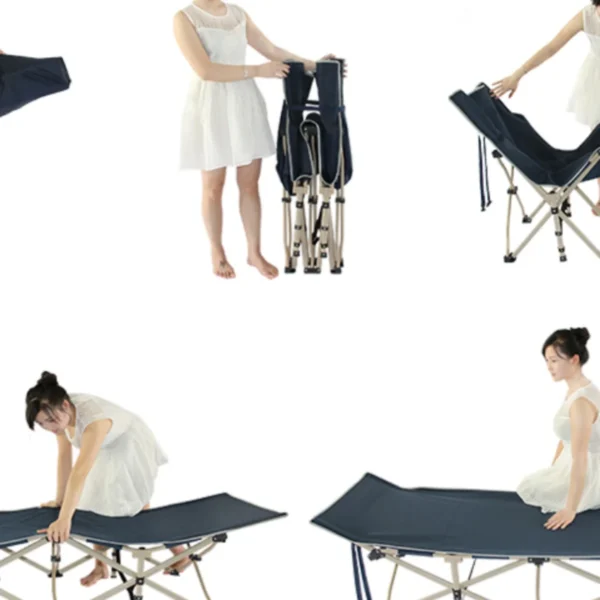
Portable Folding Bed for Office Naps & Outdoor Adventures Rated 5.00 out of 5$171.81 – $308.60Price range: $171.81 through $308.60
-
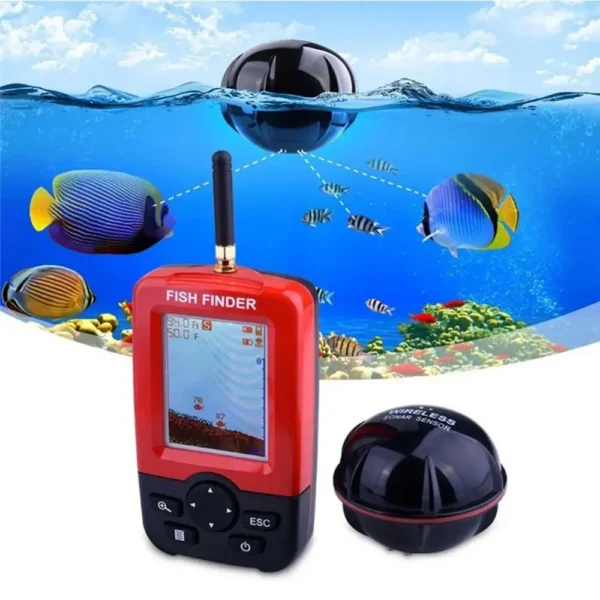
Smart Wireless Fish Finder: Elevate Your Fishing Experience! Rated 5.00 out of 5
$121.26Original price was: $121.26.$84.51Current price is: $84.51.



Product Gallery
-
 Ultimate 2-3 Person Inflatable Kayak for Fishing Fun Rated 5.00 out of 5$1,092.43 – $1,105.95Price range: $1,092.43 through $1,105.95
 -
VEVOR 550 lb Heavy-Duty Folding Wagon & Bench for Adventurers
$155.14 – $252.20Price range: $155.14 through $252.20
-
BISINNA One-Touch Titanium Tent for 3-4 Campers, Adventure Ready Rated 4.36 out of 5
$311.78Original price was: $311.78.$217.30Current price is: $217.30.













 Camping Gear
 Camping Chair
 Camping Table
 Camping Bed
 Sleeping Gear
 Storage Bags
 BBQ Portable
 Sleeping Bags
 Camping Tents
 Gazebos
 Outdoor Cooler
 Cookware
 Power
Power Camping Light
 Flashlight
 Portable Solar
 Power Banks
 Fish Finders
 Fishing Bags
 Fishing Jerseys
 Fishing Reels
 Fishing Chairs
 Fishing Bait Boat
 Fishing Floats
 Hard Baits
 Hiking Vests
 Outdoor Bags
 Water Filters
 Paracord
 Walkie Talkie
 Paddleboards
 Boats
Boats Sea Scooter
 Accessories
 Electric Bike
 Electric Scooter
Recent Comments