

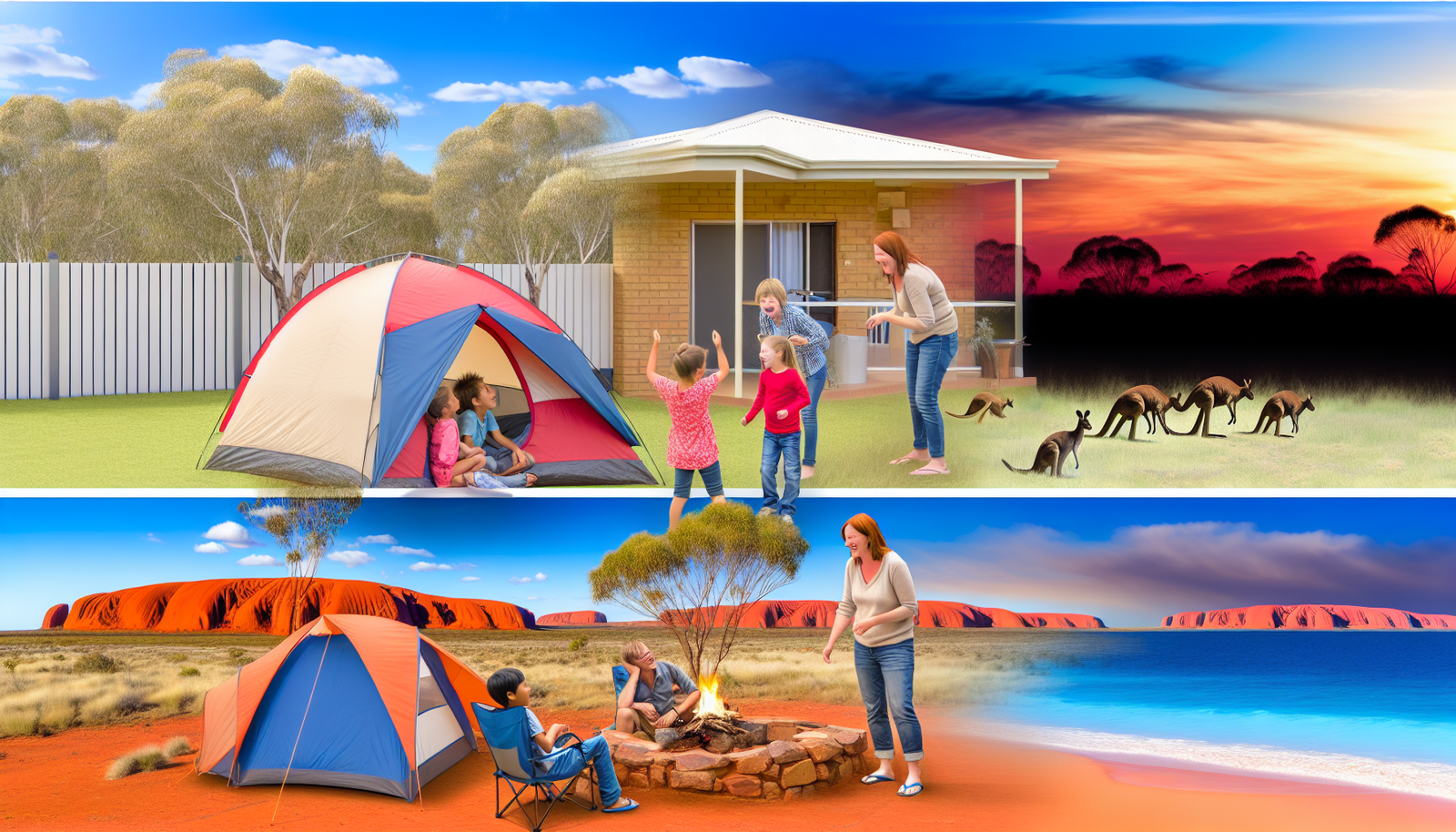
From Backyard to Backcountry: Your Family Tent Adventure Starts Here

Why Tent Camping? More Than Just “Roughing It”
Okay, let’s be real. When you think of tent camping, does a montage of tangled tent poles, leaky seams, and questionable bathroom situations flash before your eyes? Yeah, I get it. But hear me out! Tent camping – especially with family – is so much more than just “roughing it.” It’s about building memories, forging connections, and experiencing the great outdoors in a way that’s both accessible and deeply rewarding.
I remember my first family camping trip. We piled into our ancient minivan, kids buzzing with excitement, armed with a tent that had seen better days and a cooler full of lukewarm sandwiches. It wasn’t glamorous, not by a long shot. But it was real. We told stories around the campfire, gazed at stars that seemed close enough to touch, and laughed until our sides ached. Those are the moments that stick with you, right? It’s not the perfect Instagram shot, but the perfectly imperfect memories made.
Tent camping strips away the distractions of modern life. No Wi-Fi, no endless scrolling, just each other and the beauty of nature. It’s a chance to disconnect from the digital world and reconnect with what truly matters. Plus, it’s a fantastic way to introduce kids to the wonders of the natural world, fostering a love for the environment that will last a lifetime. And honestly, what’s better than a s’more roasted over an open fire?
Choosing Your Adventure: Backyard Camping vs. Backcountry Bliss
So, you’re sold on the idea of family tent camping. Awesome! Now, where do you start? Well, you’ve got options. Think of it like levels in a video game – start with Level 1 (backyard camping) and work your way up to the epic boss battle (backcountry bliss, maybe?).
Backyard Camping: Level 1 Training
Seriously, don’t underestimate the power of backyard camping! It’s the perfect way to test your gear, practice setting up your tent, and get the kids excited about the whole idea without the pressure of being miles from civilization. You know what? It’s a low-stakes environment to figure out which sleeping bags are actually warm and which ones are just glorified blankets. Plus, you have access to your own bathroom and kitchen – major bonus points!
Here are some backyard camping pointers:
- Test your tent: Set it up. Take it down. Make sure you know how it works before you’re battling mosquitoes in the dark.
- Camp cooking practice: Try out your camp stove or grill. See how long it takes to boil water or cook a simple meal.
- Nighttime simulation: Spend the whole night in the tent. See how comfortable everyone is, and identify potential issues (like that one rogue rock that keeps poking you in the back).
- Make it fun!: Tell stories, play games, and roast marshmallows! Treat it like a real camping trip, even though you’re only steps away from the house.
Backcountry Bliss: The Real Deal
Okay, you’ve mastered backyard camping. Time to head for the hills! Backcountry camping is where the real adventure begins. Picture this: stunning mountain vistas, crystal-clear lakes, and the peaceful sounds of nature all around you. It’s an experience that’s hard to beat. But – and this is a big “but” – it requires careful planning and preparation.
Backcountry camping involves hiking into remote areas, carrying all your gear on your back. It’s physically demanding, and you need to be self-sufficient. That means knowing how to navigate, purify water, build a fire, and handle emergencies. It sounds intimidating, but with the right knowledge and skills, it’s incredibly rewarding.
Here’s a taste of what backcountry camping demands:
- Navigation skills: Map reading and compass skills are essential. Consider investing in a GPS device as a backup (but don’t rely on it entirely, because batteries die!).
- Water purification: Bring a water filter or purification tablets. Never drink directly from streams or lakes.
- Food planning: Pack lightweight, high-calorie foods that are easy to prepare. Dehydrated meals are a lifesaver.
- First-aid knowledge: Carry a comprehensive first-aid kit and know how to use it. Consider taking a wilderness first-aid course.
- Leave No Trace principles: Pack out everything you pack in. Minimize your impact on the environment.
So, which adventure is right for you? Honestly, it depends on your family’s experience level, fitness, and comfort zone. Start small, build your skills, and gradually work your way up to more challenging trips. The key is to have fun and create lasting memories along the way.
The Essential Gear: Equipping Your Family for Success
Alright, let’s talk gear. Because honestly, having the right equipment can make or break your camping experience. You don’t need to drop a fortune on the latest gadgets, but investing in a few key items will make your trip much more comfortable and enjoyable.
The Tent: Your Home Away From Home
The tent is arguably the most important piece of gear. It provides shelter from the elements and a safe haven for your family. When choosing a tent, consider:
- Size: Get a tent that’s larger than you think you need. It’s always better to have extra space, especially for storing gear. A good rule of thumb is to add one person to the manufacturer’s listed capacity (e.g., a 4-person tent for a family of three).
- Weather resistance: Look for a tent with a waterproof rainfly and a sturdy floor. Seam-sealed construction is a plus.
- Ease of setup: Choose a tent that’s easy to pitch, especially if you’re camping with kids. Practice setting it up at home before your trip.
- Ventilation: Good airflow is essential to prevent condensation inside the tent. Look for a tent with mesh windows and vents.
Brand recommendations? REI and Big Agnes are always solid choices, known for their quality and durability.
Sleeping Bags and Pads: Sweet Dreams Under the Stars
A good night’s sleep is crucial for enjoying your camping trip. Investing in quality sleeping bags and pads will make a huge difference.
- Temperature rating: Choose a sleeping bag that’s rated for the temperatures you expect to encounter. Err on the side of warmth, especially for kids.
- Fill type: Down sleeping bags are lighter and more compressible than synthetic bags, but they lose their insulation when wet. Synthetic bags are more affordable and perform better in damp conditions.
- Sleeping pads: A sleeping pad provides insulation and cushioning. Inflatable pads are comfortable but can be punctured. Foam pads are more durable but less comfortable.
Don’t skimp on the sleeping pads! Your back will thank you. And you know what? Bring extra blankets. You can always use them for added warmth or as picnic blankets during the day.
Cooking Gear: From Campfire Cuisine to Gourmet Grub
Camp cooking doesn’t have to be complicated. With the right gear, you can whip up delicious meals in the great outdoors.
- Camp stove: A portable camp stove is essential for cooking meals. Choose a stove that’s easy to use and reliable.
- Cookware: Bring pots, pans, and utensils that are designed for camping. Lightweight and durable cookware is ideal.
- Cooler: A good cooler will keep your food and drinks cold. Choose a cooler with good insulation and a secure lid.
- Water filter: Access to clean water is essential. Bring a water filter or purification tablets.
Want a tip? Pre-chop veggies and pre-mix dry ingredients at home. It’ll save you time and hassle at the campsite. And don’t forget the s’mores supplies! It’s not camping without s’mores, right?
Other Essentials: Don’t Leave Home Without Them
Beyond the big three (tent, sleeping gear, and cooking gear), here are a few other essentials to consider:
- Headlamps or flashlights: Essential for navigating around the campsite after dark.
- First-aid kit: A comprehensive first-aid kit is a must-have for any camping trip.
- Bug spray: Protect yourself from mosquitoes and other insects.
- Sunscreen: Protect your skin from the sun.
- Navigation tools: Map and compass, or a GPS device.
- Pocket knife or multi-tool: Incredibly useful for a variety of tasks.
- Trash bags: Pack out everything you pack in.
Honestly, a pocket knife is like the duct tape of camping – you never know when you’ll need it. And don’t forget the toilet paper! Trust me on this one.
Safety First: Protecting Your Family in the Great Outdoors
Okay, let’s get serious for a moment. Camping is fun, but it’s also important to prioritize safety. Being prepared for potential hazards can make all the difference.
Wildlife Awareness: Respecting Our Furry (and Scaly) Friends
One of the coolest parts of camping is the opportunity to see wildlife. But remember, these animals are wild, and it’s important to respect their space.
- Store food properly: Keep food in airtight containers and store it in a bear-resistant canister or hang it from a tree.
- Never feed wildlife: Feeding animals can make them dependent on humans and lead to aggressive behavior.
- Make noise while hiking: This will alert animals to your presence and give them a chance to avoid you.
- Be aware of your surroundings: Pay attention to animal tracks, scat, and other signs of wildlife.
- Carry bear spray: If you’re camping in bear country, carry bear spray and know how to use it.
Seriously, don’t try to pet the cute little chipmunk. As tempting as it might be, it’s not worth the risk. And you know what? Teach your kids about wildlife safety before you go. The more they know, the safer they’ll be. You can find tips and more information here: NPS Bear Safety Tips.
Weather Preparedness: Be Ready for Anything Mother Nature Throws at You
The weather can change quickly in the mountains. Be prepared for anything Mother Nature throws at you.
- Check the forecast: Before you leave, check the weather forecast for the area you’ll be camping in.
- Pack layers: Dress in layers so you can adjust to changing temperatures.
- Bring rain gear: A waterproof jacket and pants are essential, even if the forecast is clear.
- Know the signs of hypothermia: Shivering, confusion, and fatigue are all signs of hypothermia. If you suspect someone has hypothermia, get them to a warm place and give them warm drinks.
- Be aware of lightning: If you see lightning, seek shelter immediately. Avoid open areas, tall trees, and bodies of water.
Layers are your friend! You can always take them off if you get too warm, but you can’t put them on if you don’t have them. And honestly, a sudden downpour can turn a fun camping trip into a miserable experience if you’re not prepared.
First-Aid Essentials: Treating Minor Injuries and Ailments
A well-stocked first-aid kit is a must-have for any camping trip. Include items to treat minor injuries and ailments, such as:
- Bandages: For cuts and scrapes.
- Antiseptic wipes: To clean wounds.
- Pain relievers: Ibuprofen or acetaminophen.
- Antihistamines: For allergic reactions.
- Insect repellent: To prevent insect bites.
- Sunscreen: To protect your skin from the sun.
- Tweezers: To remove splinters and ticks.
Consider adding a first-aid manual to your kit and familiarizing yourself with basic first-aid procedures. And you know what? It’s a good idea to take a wilderness first-aid course. You never know when those skills might come in handy.
Leave No Trace: Protecting the Environment for Future Generations
Camping is a privilege, and it’s important to do our part to protect the environment. Follow the Leave No Trace principles:
- Plan ahead and prepare: Know the regulations and special concerns for the area you’ll be visiting.
- Travel and camp on durable surfaces: Stay on designated trails and campsites.
- Dispose of waste properly: Pack out everything you pack in. Dispose of human waste in designated toilets or bury it in a cat hole.
- Leave what you find: Leave rocks, plants, and other natural objects as you find them.
- Minimize campfire impacts: Use a camp stove for cooking and build campfires only in designated fire rings.
- Respect wildlife: Observe wildlife from a distance and never feed them.
- Be considerate of other visitors: Keep noise levels down and respect other people’s privacy.
Leaving No Trace isn’t just about protecting the environment; it’s about ensuring that future generations can enjoy the same natural beauty that we do. Think of it as responsible stewardship.
Making Memories: Games, Activities, and Campfire Stories
Okay, you’ve got the gear, you’ve mastered the safety protocols, now comes the best part: making memories! Camping is a fantastic opportunity to bond with your family and create experiences that you’ll cherish for years to come.
Fun and Games: Keeping Everyone Entertained
Keep the kids (and the adults!) entertained with a variety of games and activities.
- Nature scavenger hunt: Create a list of items to find in nature, such as a specific type of leaf, rock, or insect.
- Campfire games: Play classic campfire games like “I Spy,” “20 Questions,” or “Would You Rather.”
- Card games: Bring a deck of cards and play games like “Go Fish,” “Crazy Eights,” or “Poker.”
- Board games: Pack a portable board game like “Checkers,” “Chess,” or “Uno.”
- Storytelling: Take turns telling stories around the campfire.
Don’t forget the glow sticks! Kids love them, and they’re a great way to keep track of them after dark. And you know what? A simple game of tag in the woods can be surprisingly fun. Let your inner child come out and play!
Campfire Stories: Sharing Tales Under the Stars
Campfire stories are a camping tradition. Gather around the fire and share tales, both real and imagined.
- Personal anecdotes: Share stories about your own childhood camping experiences.
- Ghost stories: Tell spooky stories that will send shivers down everyone’s spines.
- Funny stories: Share humorous stories that will make everyone laugh.
- Improvised stories: Start a story and have each person add a sentence or paragraph.
A good campfire story has a way of bringing people together. It’s a chance to connect on a deeper level and create memories that will last a lifetime. And honestly, even a poorly told story can be entertaining in its own way.
Stargazing: Discovering the Wonders of the Night Sky
One of the best parts of camping is the opportunity to see the stars. Away from city lights, the night sky comes alive with countless constellations and shimmering planets.
- Bring a star chart: Use a star chart to identify constellations and planets.
- Download a stargazing app: There are many stargazing apps that can help you identify celestial objects.
- Use binoculars: Binoculars will enhance your view of the stars.
- Find a dark spot: Get away from any artificial light sources.
- Be patient: It takes time for your eyes to adjust to the darkness.
You know what? Lying on a blanket, gazing up at the Milky Way, is one of the most awe-inspiring experiences you can have. It’s a reminder of how small we are and how vast the universe is. So turn off the flashlights, lie back, and enjoy the show!
From Tent Flap to Front Door: Wrapping Up Your Camping Trip
All good things must come to an end, and that includes your family camping adventure. But don’t let the fun stop there! With a little planning, you can end your trip on a high note and leave the campsite in better condition than you found it.
Breaking Camp: The Art of Efficient Pack-Up
Packing up can be a drag, but it doesn’t have to be. With a little organization, you can make the process relatively painless.
- Start early: Don’t wait until the last minute to start packing up.
- Make a checklist: Use a checklist to ensure you don’t forget anything.
- Clean as you go: Clean up any messes before you pack up.
- Dry out your tent: Make sure your tent is completely dry before you pack it up to prevent mildew.
- Organize your gear: Pack your gear in a way that makes it easy to unpack at home.
Honestly, the key to a smooth pack-up is to involve everyone in the process. Assign tasks to each family member and make it a team effort And you know what? Bring a small broom and dustpan to sweep out the tent Get a little extra helping hand from your camping buddies!.
Cleaning and Storing Your Gear: Ensuring Longevity
Taking care of your camping gear is essential for ensuring its longevity.
- Wash your tent: Clean your tent with a mild soap and water.
- Air out your sleeping bags: Air out your sleeping bags to prevent mildew.
- Clean your cookware: Wash your cookware with soap and water.
- Store your gear in a dry place: Store your gear in a dry, well-ventilated place.
Storing your tent properly is crucial for preventing damage. Roll it up loosely and avoid folding it along the same creases each time. This will help prevent the fabric from cracking. And you know what? Store your sleeping bags uncompressed. Hanging them in a closet or storing them in large, breathable bags will help them maintain their loft.
Reflecting on the Adventure: Cherishing the Memories
The best part of any camping trip is the memories you create. Take some time to reflect on your adventure and cherish the moments you shared with your family.
- Look at photos: Look at the photos you took during your trip and relive the memories.
- Share stories: Share stories about your trip with friends and family.
- Plan your next adventure: Start planning your next camping trip!
Honestly, the memories you make while camping will stay with you long after you return home. They’re a reminder of the beauty of nature and the importance of spending time with loved ones. So cherish those memories, and start planning your next adventure!
FAQ: Your Burning Camping Questions Answered
DISCLAIMER
As an AI Chatbot, I am not a substitute for professional advice. Consult with experts for specific advice.
Categories
- Navigation & Safety (68)
- Shelter & Sleep (72)
Top rated products
-
 Ultimate AONIJIE Soft Flask 1000 ml/2000 ml with Water Filter Rated 5.00 out of 5
$38.70Original price was: $38.70.$26.97Current price is: $26.97. -
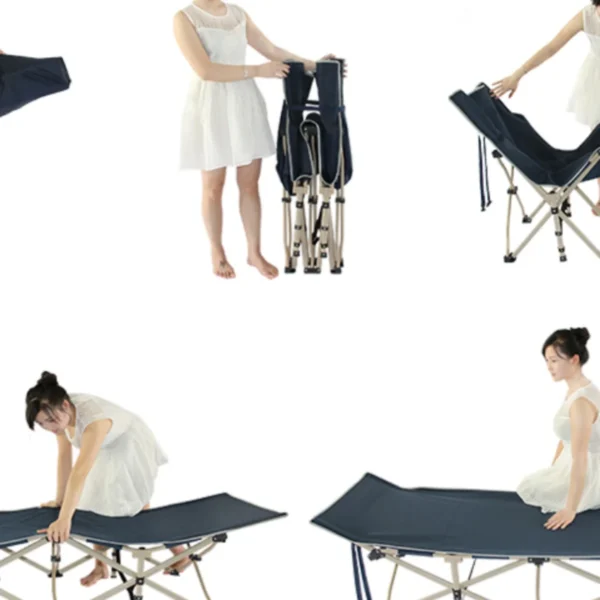
Portable Folding Bed for Office Naps & Outdoor Adventures Rated 5.00 out of 5$171.81 – $308.60Price range: $171.81 through $308.60
-
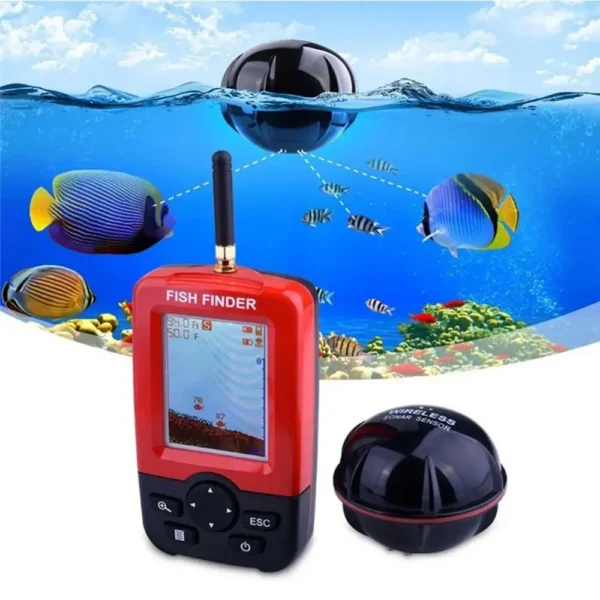
Smart Wireless Fish Finder: Elevate Your Fishing Experience! Rated 5.00 out of 5
$121.26Original price was: $121.26.$84.51Current price is: $84.51.



Product Gallery
-
 Ultimate 2-3 Person Inflatable Kayak for Fishing Fun Rated 5.00 out of 5$1,092.43 – $1,105.95Price range: $1,092.43 through $1,105.95
 -
VEVOR 550 lb Heavy-Duty Folding Wagon & Bench for Adventurers
$155.14 – $252.20Price range: $155.14 through $252.20
-
BISINNA One-Touch Titanium Tent for 3-4 Campers, Adventure Ready Rated 4.36 out of 5
$311.78Original price was: $311.78.$217.30Current price is: $217.30.






 Camping Gear
 Camping Chair
 Camping Table
 Camping Bed
 Sleeping Gear
 Storage Bags
 BBQ Portable
 Sleeping Bags
 Camping Tents
 Gazebos
 Outdoor Cooler
 Cookware
 Power
Power Camping Light
 Flashlight
 Portable Solar
 Power Banks
 Fish Finders
 Fishing Bags
 Fishing Jerseys
 Fishing Reels
 Fishing Chairs
 Fishing Bait Boat
 Fishing Floats
 Hard Baits
 Hiking Vests
 Outdoor Bags
 Water Filters
 Paracord
 Walkie Talkie
 Paddleboards
 Boats
Boats Sea Scooter
 Accessories
 Electric Bike
 Electric Scooter
Recent Comments