

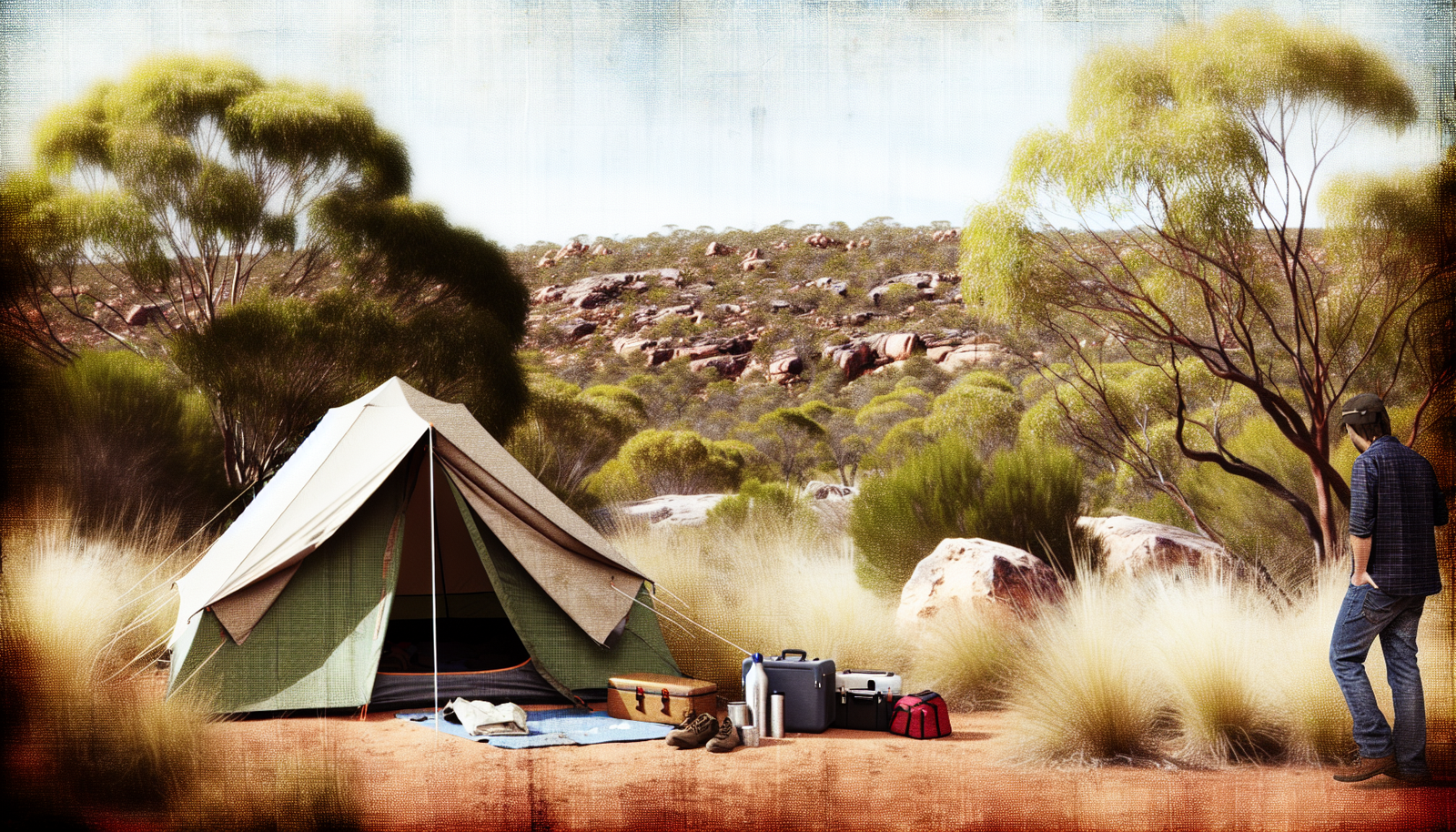

Family camping – it’s the stuff memories are made of. Roasting marshmallows, telling stories under the stars, and that glorious feeling of being unplugged. But let’s be real, a dodgy tent can turn your dream trip into a soggy, stressful nightmare faster than you can say “bear sighting!” So, how do you avoid tent-related turmoil and actually enjoy your time in the great outdoors?
Why Your Tent is the MVP of Family Camping
Okay, so maybe the MVP is actually your kids’ smiles (or your sanity!). But seriously, your tent is the cornerstone of a successful family camping trip. It’s your shelter from the elements, your safe haven, and where you’ll spend a good chunk of your time. A good tent means a comfy night’s sleep, protection from rain or sun, and enough space for everyone to spread out (and for all their… stuff).
Size Matters: Figuring Out Your Family’s Tent Needs
Let’s talk numbers. When it comes to tent size, the “person capacity” rating can be a bit… optimistic. A “four-person” tent might technically fit four adults, shoulder-to-shoulder, but is that really how you want to spend your family vacation? Probably not. As a general rule, size up. If you’re a family of four, consider a six-person tent. This gives you room for sleeping bags, clothes, toys, and maybe even a little breathing room.
But here’s the thing: think about how you camp. Do you bring a ton of gear? Do your kids like to sprawl? Do you want space for a little table and chairs inside? All of these factors will influence the size you need. And don’t forget to consider headroom! Being able to stand up straight in your tent is a game-changer, especially if you’re dealing with grumpy kids (or a grumpy adult) during a rainstorm.
Tent Types: From Backpacking to Basecamps
Tents come in all shapes and sizes, each designed for different purposes. Understanding the main types will help you narrow down your choices:
- Backpacking Tents: Lightweight and compact, designed for hikers who need to carry their tent long distances. Not ideal for family camping unless you’re planning a serious trek.
- Dome Tents: A popular and versatile option. Dome tents are relatively easy to set up and offer good stability. They’re a good middle-of-the-road choice for general camping.
- Tunnel Tents: Tunnel tents provide generous interior space and good headroom. They’re often a good choice for families who want a comfortable camping experience, but they may not be as stable in high winds as dome tents.
- Cabin Tents: With their near-vertical walls and roomy interiors, cabin tents are like a home away from home. They’re perfect for families who want plenty of space and headroom, but they can be heavier and more difficult to set up than other types.
- Pop-Up Tents: For the ultimate in convenience, pop-up tents practically set themselves up. They’re great for quick weekend getaways or festivals, but they may not be as durable or weather-resistant as other options. Be warned: folding them back up can be an adventure in itself!
Honestly, for most family camping scenarios, you’re probably looking at a dome, tunnel, or cabin tent. Backpacking tents are too small, and pop-up tents often lack the durability and weather protection you need for a longer trip.
Material World: What Your Tent is Made Of (and Why It Matters)
The materials your tent is made from will affect its weight, durability, water resistance, and breathability. Here’s a quick rundown of the most common options:
- Polyester: A popular and affordable choice. Polyester is water-resistant, durable, and resists stretching and sagging.
- Nylon: Lighter and stronger than polyester, but also more expensive. Nylon is also more susceptible to stretching when wet, which is why it’s often treated with a waterproof coating.
- Canvas: A classic material known for its durability and breathability. Canvas tents are heavy and expensive, but they can last for decades with proper care. You still have to make sure they dry to prevent mildew. These are great for long-term setups.
The floor of your tent is especially important. Look for a durable, waterproof material like polyethylene or a heavier-denier polyester or nylon. A bathtub floor (where the floor material extends up the sides of the tent a few inches) can help prevent water from seeping in.
Now, you might see terms like “denier” and “hydrostatic head” thrown around. Denier refers to the thickness of the fabric – higher denier means thicker and more durable. Hydrostatic head measures how waterproof a fabric is – the higher the number, the more water it can withstand before leaking. But don’t get too caught up in the technical details. Just remember that you generally get what you pay for – a cheaper tent will likely use cheaper materials.
Weather or Not: Considering Climate and Conditions
Think about the type of weather you’re likely to encounter on your camping trips. Are you camping in the desert, where sun protection and ventilation are key? Or are you camping in the mountains, where you need a tent that can withstand rain and wind? Some tents are specifically designed for certain conditions:
- Three-Season Tents: The most common type, designed for spring, summer, and fall camping. They offer a good balance of ventilation and weather protection.
- Four-Season Tents: Built to withstand harsh winter conditions, including snow and strong winds. They typically have heavier fabrics, more poles for stability, and less ventilation.
- Convertible Tents: These tents allow you to zip off panels or remove the rainfly for increased ventilation in warm weather. They’re a good option if you camp in a variety of climates.
Honestly, even if you mostly camp in mild weather, it’s worth investing in a tent that can handle a bit of rain. You never know when a sudden storm might roll in! And think about ventilation – condensation can be a real problem in tents, especially in humid conditions. Look for tents with mesh panels and vents to promote airflow.
Easy Peasy: Setup and Take-Down
Nobody wants to spend hours wrestling with tent poles after a long day of hiking or driving. Look for a tent that’s easy to set up, ideally with color-coded poles and clear instructions. Practice setting up the tent in your backyard before your trip so you’re not fumbling around in the dark at the campsite.
Consider these features for easy setup:
- Clip-on poles: Easier and faster than threading poles through sleeves.
- Color-coded poles and clips: Eliminates guesswork and makes setup more intuitive.
- Simple, straightforward design: The fewer poles and complicated features, the easier the tent will be to set up.
And don’t forget about take-down! A tent that’s easy to pack up is just as important as one that’s easy to set up. Look for a tent with a roomy stuff sack that’s big enough to accommodate the tent without having to fold it perfectly.
Features That Make a Difference: Doors, Windows, and Storage
Beyond the basics, there are a few features that can really enhance your family camping experience:
- Multiple doors: Allows for easy entry and exit without having to climb over each other.
- Large windows: Provide plenty of natural light and ventilation.
- Storage pockets: Keep small items organized and off the floor.
- Gear lofts: Provide extra storage space for larger items like backpacks and clothing.
- Electrical cord access port: Allows you to run an extension cord into the tent for charging devices or powering lights.
Think about how your family uses a tent. If you have young kids, multiple doors can be a lifesaver for those middle-of-the-night bathroom trips. If you like to read in your tent, large windows will provide plenty of light. And if you’re a gear-heavy family, storage pockets and gear lofts will help keep things organized.
Budgeting for Your Basecamp: How Much Should You Spend?
Tent prices can range from under $100 to over $1000, so it’s important to set a budget before you start shopping. A good quality family camping tent will likely cost between $200 and $500. While it’s tempting to go for the cheapest option, remember that you get what you pay for. A more expensive tent will generally be more durable, weather-resistant, and comfortable.
Consider these factors when setting your budget:
- How often you’ll be camping: If you only camp a few times a year, you may not need to spend as much as someone who camps every weekend.
- The type of weather you’ll be camping in: If you’re camping in harsh conditions, you’ll need a more durable and weather-resistant tent, which will likely cost more.
- The features you need: If you want a tent with lots of bells and whistles, like multiple doors, large windows, and storage pockets, you’ll need to spend more.
Keep an eye out for sales and discounts, especially at the end of the camping season. You can often find great deals on high-quality tents.
Taking Care of Your Tent: Longevity Tips
A tent is an investment, so it’s important to take care of it properly to prolong its life. Here are a few tips:
- Clean your tent after each use: Wipe down the inside and outside with a damp cloth to remove dirt and debris.
- Dry your tent completely before storing it: This will prevent mildew and mold from forming.
- Store your tent in a cool, dry place: Avoid storing it in a hot attic or damp basement.
- Use a footprint: A footprint is a piece of fabric that goes under your tent to protect the floor from abrasion and punctures.
- Repair any damage promptly: Small tears and holes can be easily repaired with tent repair tape or a sewing kit.
Ever wondered why some tents look brand new after years of use? It’s all about proper care! And honestly, a little bit of maintenance goes a long way. You’ll be amazed at how much longer your tent will last if you take the time to clean and store it properly.
Making Memories: Beyond the Tent
Choosing the right tent is just the first step in creating unforgettable family camping experiences. Remember to plan fun activities, pack plenty of snacks, and most importantly, embrace the unexpected. Camping is about disconnecting from technology and connecting with nature and each other.
And don’t be afraid to get a little dirty! Let your kids explore, build forts, and splash in puddles. These are the moments they’ll remember long after the camping trip is over.
Speaking of connecting with nature. I highly recommend checking out Leave No Trace principles before you head out for any camping trip. Leave No Trace offers guidelines on how to minimize your impact on the environment, ensuring that future generations can enjoy the same beautiful places we do. This is essential to consider for any conscious and respectful camping endeavor.
And don’t forget about the campfire! It’s the perfect place to gather around, tell stories, and roast marshmallows. Just be sure to follow all fire safety regulations and never leave a fire unattended. Want to take those s’mores to the next level? Experiment with gourmet takes on the classic treat!
Family Camping Checklist: Quick Packing Reference
Okay, so you have the perfect tent. Great! But there’s a lot more to camping than just the shelter. Here’s a mini-checklist to make sure you don’t leave home without the essentials:
- Sleeping bags and pillows: Comfort is key for a good night’s sleep.
- Camp stove and fuel: For cooking meals. Don’t forget the matches!
- Cookware and utensils: Pots, pans, plates, forks, spoons, knives… the works.
- Food and water: Plan your meals ahead of time and bring plenty of water.
- First-aid kit: Be prepared for minor injuries.
- Flashlights or headlamps: Essential for navigating in the dark.
- Bug spray: Keep those pesky mosquitoes away.
- Sunscreen: Protect your skin from the sun.
- Toiletries: Toothbrush, toothpaste, soap, shampoo, etc.
- Camp chairs: For relaxing around the campfire.
- Trash bags: Pack it in, pack it out.
And of course, don’t forget the fun stuff! Games, books, binoculars, and anything else that will keep your family entertained.
Pro Tip: Camping with the Little Ones
Alright, let’s talk about camping with kids. It’s a blast, but it requires a bit of extra planning and preparation. Here are some tips and tricks that I have found useful over the years:
- Involve them in the planning: Let them help choose the campsite, plan the meals, and pack their own backpacks (with your supervision, of course!).
- Pack plenty of snacks and activities: Bored kids are unhappy kids. Bring along their favorite snacks, books, games, and toys.
- Set clear expectations and rules: Before you leave, talk to your kids about what’s expected of them at the campsite. This will help prevent meltdowns and ensure everyone has a safe and enjoyable trip.
- Embrace the mess: Camping isn’t about being clean and tidy. Let your kids get dirty and have fun!
- Be patient: Things don’t always go according to plan when you’re camping with kids. Be prepared to adjust your expectations and go with the flow.
Here’s a little trick that has served me well: bring something that reminds the children of home. It could be their favorite stuffed animal, a special blanket, or a book we always read together. This provides a tangible source of comfort and stability, easing any anxieties of being away from their usual environment. You know what? These small considerations can make a world of difference in their overall camping experience.
Conclusion: Happy Camping!
Choosing the right family camping tent can seem daunting, but with a little research and planning, you can find the perfect shelter for your needs. Remember to consider size, type, materials, weather conditions, ease of setup, and features. And most importantly, have fun! Camping is a wonderful way to create lasting memories with your family.
And if you’re looking for more tips and tricks, REI is an excellent resource. REI’s website has a wealth of information on family camping, from choosing gear to planning activities.
So, what are you waiting for? Get out there and explore the great outdoors!
FAQ: Your Burning Tent Questions Answered
Disclaimer
Please note: While we strive to provide accurate and helpful information, camping involves inherent risks. Always prioritize safety, check weather conditions, and be aware of your surroundings. The tips and recommendations provided in this article are for informational purposes only and should not be considered a substitute for professional advice. Consult with experienced campers or outdoor professionals for guidance specific to your situation. Be a responsible camper, and enjoy the great outdoors!
Categories
- Navigation & Safety (68)
- Shelter & Sleep (72)
Top rated products
-
 Portable 10 W Solar Charger - Power Up Anywhere, Anytime Rated 5.00 out of 5
$37.39Original price was: $37.39.$26.06Current price is: $26.06. -
Tifgalop ES7 Pro 3000 W E-Bike: Speed Meets Adventure! Rated 5.00 out of 5$944.90 – $2,105.78Price range: $944.90 through $2,105.78
-
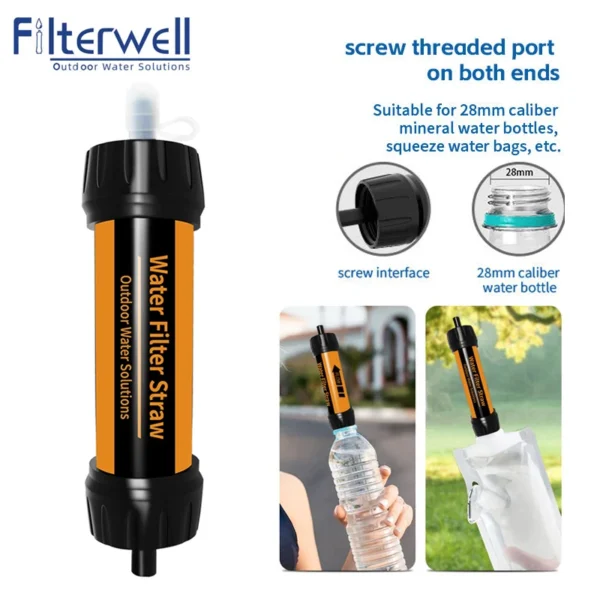
Ultimate Outdoor Water Filter Straw for Safe Hydration Adventures Rated 5.00 out of 5$17.21 – $18.21Price range: $17.21 through $18.21




Product Gallery
-
 VEVOR 550 lb Heavy-Duty Folding Wagon & Bench for Adventurers
$154.92 – $251.84Price range: $154.92 through $251.84
VEVOR 550 lb Heavy-Duty Folding Wagon & Bench for Adventurers
$154.92 – $251.84Price range: $154.92 through $251.84
-
BISINNA One-Touch Titanium Tent for 3-4 Campers, Adventure Ready Rated 4.36 out of 5
$310.92Original price was: $310.92.$216.70Current price is: $216.70. -
Airy Mesh Solo Hiking Tent - Lightweight & Mosquito-Proof Rated 4.71 out of 5
$89.10Original price was: $89.10.$62.10Current price is: $62.10.











 Camping Gear
 Camping Chair
 Camping Table
 Sleeping Bags
 Camping Bed
 Sleeping Gear
 Storage Bags
 BBQ Portable
 Camping Tents
 Gazebos
 Outdoor Cooler
 Cookware
 Power
Power Camping Light
 Flashlight
 Portable Solar
 Power Banks
 Fish Finders
 Fishing Bags
 Fishing Jerseys
 Fishing Reels
 Fishing Chairs
 Fishing Bait Boat
 Fishing Floats
 Hard Baits
 Hiking Vests
 Outdoor Bags
 Water Filters
 Paracord
 Walkie Talkie
 Paddleboards
 Boats
Boats Sea Scooter
 Accessories
 Electric Bike
 Electric Scooter
Recent Comments