

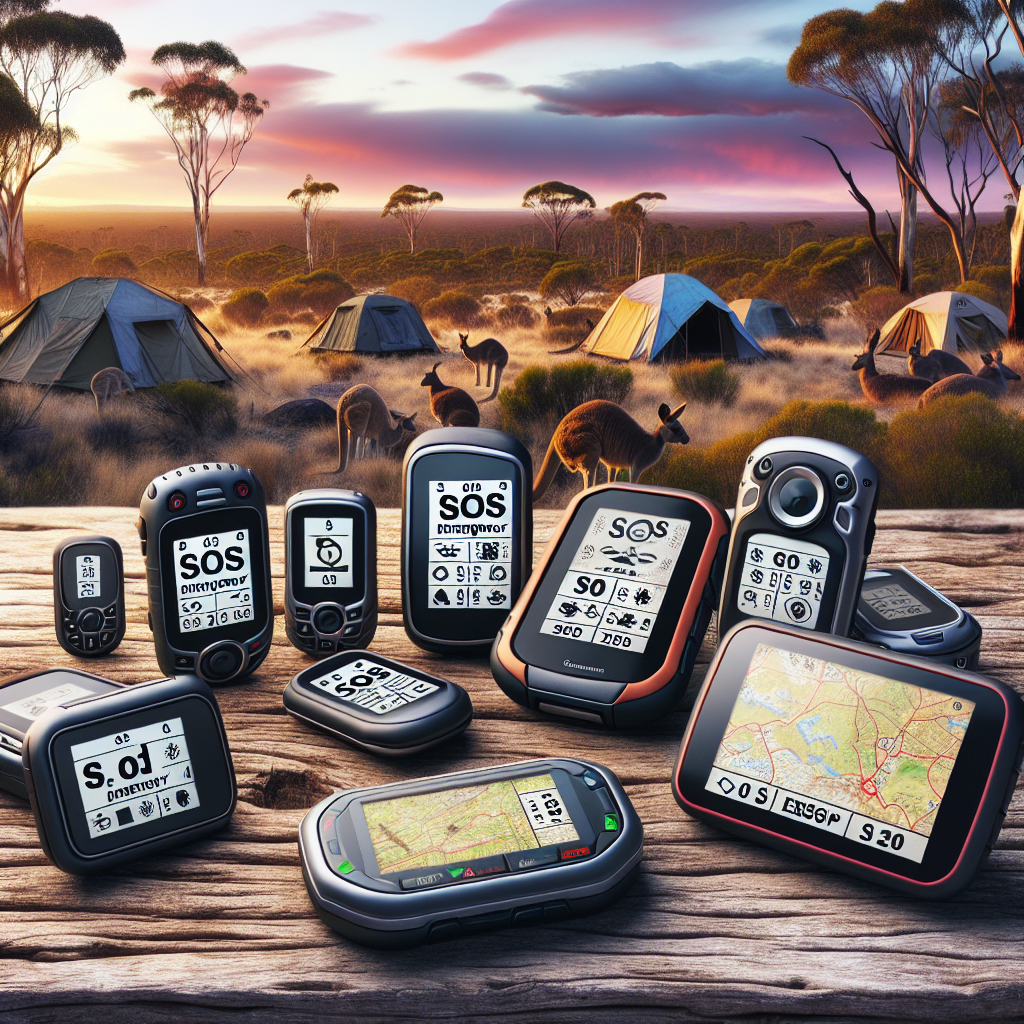
Beyond Navigation: Top GPS Devices for Camping with SOS and Emergency Features

Venturing into the wilderness is an experience like no other—the thrill of exploration, the serenity of nature, and the challenge of self-reliance. But you know what? It also demands respect and, most importantly, preparedness. That’s where GPS devices with SOS and emergency features come in. They aren’t just fancy gadgets; they’re your lifeline when things get dicey. Let’s talk about how to choose the right one and a few top contenders.
Why a GPS with SOS is Non-Negotiable
Okay, picture this: You’re miles from civilization, the trail has vanished, and your phone’s flatter than a pancake. Without a reliable way to call for help or find your way back, a fun trip can quickly turn into a survival situation. A GPS with SOS changes the game entirely because it provides:
- Navigation When All Else Fails: Traditional maps and compasses are great, but a GPS offers pinpoint accuracy, especially in dense or unfamiliar terrain.
- Emergency Communication: SOS features allow you to send distress signals to rescue services, often via satellite, ensuring help reaches you even without cell service.
- Peace of Mind: Knowing you have a reliable backup can significantly reduce anxiety and improve your decision-making in stressful situations.
So, are you ready to elevate your camping game from risky to responsible?
What to Look for in a Camping GPS
Choosing a GPS isn’t as simple as picking the shiniest one off the shelf. You’ve got to consider what matters *to you* out there. Here’s a rundown:
Key Features to Prioritize
These aspects might seem a bit techy, but trust me, understanding them makes all the difference.
- Satellite Connectivity: Does it use GPS, GLONASS, Galileo, or all three? More constellations generally mean better accuracy and faster acquisition times, especially in challenging environments.
- Battery Life: How long can it run on a single charge or set of batteries? Consider extended trips where recharging might not be an option.
- Durability: Is it waterproof, shockproof, and able to withstand temperature extremes? Camping gear goes through a lot, and your GPS should keep up.
- SOS Functionality: Does it use a dedicated emergency network like Garmin’s Iridium or a similar service? Understand the coverage area and subscription fees.
- Mapping Capabilities: Can it display topographical maps, and can you download additional maps? Detailed maps are crucial for off-trail navigation.
Ease of Use: Can You Actually Use It?
Let me explain something—the fanciest features are useless if you can’t figure out how to use them when you’re stressed and tired. Ask yourself:
- Is the interface intuitive and easy to navigate, even with gloved hands?
- Are the buttons and controls easy to manipulate in various weather conditions?
- Is the screen readable in bright sunlight?
Try the device out *before* you hit the trail, so you’re not wrestling with menus when you need it most.
Size and Weight: Every Ounce Counts
Backpacking isn’t about hauling the kitchen sink; it’s about being lean and mean. A bulky, heavy GPS can become a real drag. Consider:
- How much does the device weigh, and how will you carry it?
- Is it compact enough to fit comfortably in a pocket or attach to your pack?
Remember, every ounce saved is an ounce you can use for something more enjoyable – like an extra snack!
Top GPS Devices for Camping with SOS
Alright, let’s get down to brass tacks. I’ve compiled a list of some top-notch GPS devices that deliver on both navigation and emergency features. These aren’t just random recommendations; they’re based on a mix of hands-on experience, user reviews, and industry reputation.
Garmin inReach Mini 2: The Compact Communicator
The Garmin inReach Mini 2 is a powerhouse packed into a tiny frame. It’s designed for adventurers who prioritize lightweight gear but don’t want to skimp on safety.
- Pros: Exceptionally compact and lightweight, global satellite communication via Iridium, two-way messaging, SOS functionality, long battery life.
- Cons: Requires a subscription for satellite services, small screen can be challenging for some users.
- Who It’s Best For: Backpackers, thru-hikers, and anyone who needs reliable communication in a small package.
Honestly, the inReach Mini 2 is hard to beat if you’re counting ounces but still want serious emergency capabilities.
Garmin GPSMAP 66i: The Rugged All-Rounder
The Garmin GPSMAP 66i is like the tank of GPS devices—built to withstand just about anything you throw at it. It’s a bit bulkier than the Mini 2 but offers a larger screen and more comprehensive mapping features.
- Pros: Rugged construction, large color display, preloaded TopoActive maps, inReach satellite communication, two-way messaging, SOS functionality.
- Cons: Heavier and bulkier than the Mini 2, higher price point.
- Who It’s Best For: Hikers, hunters, and outdoor professionals who need a durable and feature-rich GPS.
If you’re heading into really rough terrain or need a GPS that can double as a mapping tool, the GPSMAP 66i is a solid choice.
SPOT X: The Budget-Friendly Option
If you’re looking for a satellite communication device without breaking the bank, the SPOT X is worth considering. It offers two-way messaging and SOS capabilities at a more affordable price point than Garmin’s inReach devices.
- Pros: More affordable than Garmin inReach, two-way messaging, SOS functionality, dedicated keyboard for easier typing.
- Cons: Less rugged than Garmin devices, satellite coverage may not be as comprehensive.
- Who It’s Best For: Casual hikers, campers, and those on a budget who still want satellite communication.
Don’t get me wrong, it’s still a reliable safety device, but it might not have all the bells and whistles of its more expensive counterparts.
ACR ResQLink View: The PLB for Emergencies Only
The ACR ResQLink View is a Personal Locator Beacon (PLB), which is a bit different from the other devices on this list. PLBs are designed solely for emergency use and don’t offer navigation or two-way communication.
- Pros: Dedicated SOS device, no subscription required, global coverage via COSPAS-SARSAT satellites, buoyant design, digital display with operational status and GPS coordinates.
- Cons: No navigation or two-way communication, only for emergency use.
- Who It’s Best For: Anyone who wants a simple, reliable SOS device without the need for ongoing communication or navigation features. Ideal for kayakers, sailors, and backcountry adventurers.
Sometimes, simplicity is key. If you just want a reliable way to call for help in a worst-case scenario, the ResQLink View is a great choice.
How to Use Your GPS Effectively
Okay, so you’ve picked out the perfect GPS—now what? Well, having the device is only half the battle. Knowing how to use it effectively is what will really keep you safe. Let’s break it down:
Pre-Trip Preparation: Don’t Wait Until You’re Lost
Seriously, don’t wait until you’re knee-deep in trouble to learn how your GPS works. Here’s what you should do *before* you leave:
- Charge the Device: Obvious, but essential.
- Update Maps: Make sure you have the latest topographical maps for your area.
- Create Waypoints: Mark your starting point, campsite, and any key landmarks along your route.
- Practice Using the SOS Function: Familiarize yourself with how to activate the SOS feature and what information it sends.
Think of it as a dress rehearsal for your adventure.
Navigating on the Trail: Tips and Tricks
Alright, boots on the ground! Here’s how to make the most of your GPS while you’re out there:
- Calibrate the Compass: Ensure your GPS’s compass is properly calibrated for accurate bearings.
- Check Your Location Regularly: Periodically verify your position against the map to ensure you’re on track.
- Use Waypoints to Stay on Course: Navigate between waypoints to follow your planned route.
- Conserve Battery: Adjust screen brightness, turn off unnecessary features, and carry a backup power source.
Remember, your GPS is a tool, not a replacement for your brain. Pay attention to your surroundings and trust your instincts.
Emergency Scenarios: When to Push the Panic Button
Knowing when to use the SOS function is crucial. It’s there for life-threatening situations, not minor inconveniences. Consider using it when:
- You are seriously injured or ill and can’t self-rescue.
- You are lost and disoriented in severe weather conditions.
- You encounter a dangerous wildlife situation.
Basically, if you’re facing an immediate threat to your life or well-being, don’t hesitate to activate the SOS. False alarms are better than tragic outcomes.
Staying Safe: Beyond the GPS
Look, a GPS is a fantastic tool, but it’s not a magic wand. Staying safe in the backcountry involves a whole lot more than just having a fancy gadget. Let’s cover some essential safety practices that go hand-in-hand with your GPS.
Essential Gear: More Than Just a GPS
Your GPS is part of a broader safety net. Make sure you also have:
- Navigation Tools: Map and compass as a backup, and know how to use them.
- First-Aid Kit: Comprehensive kit with supplies to treat common injuries.
- Emergency Shelter: Bivy sack or tarp for protection from the elements.
- Extra Food and Water: Enough to last at least an extra day.
- Headlamp or Flashlight: With extra batteries.
Think of it as your personal survival kit – the things you absolutely need to stay alive and comfortable in an emergency.
Navigation Skills: Don’t Rely Solely on Technology
Technology can fail, batteries can die, and satellites can be blocked. That’s why it’s crucial to have basic navigation skills. Learn how to:
- Read topographical maps.
- Use a compass to take bearings.
- Identify landmarks and terrain features.
- Estimate distances.
These skills are like a safety net for your safety net. They’ll keep you oriented even when your GPS goes kaput.
Leave No Trace: Respect the Wilderness
While we’re talking about safety, let’s not forget about respecting the environment. Follow Leave No Trace principles to minimize your impact on the wilderness:
- Plan ahead and prepare.
- Travel and camp on durable surfaces.
- Dispose of waste properly.
- Leave what you find.
- Minimize campfire impacts.
- Respect wildlife.
It’s not just about keeping yourself safe; it’s about preserving these incredible places for future generations.
The Future of Camping Navigation
So, what’s on the horizon for camping navigation? Well, technology is always evolving, and there are some exciting developments to keep an eye on.
Advancements in GPS Technology
We’re seeing improvements in:
- Satellite Accuracy: Newer GPS chips are more accurate and can acquire signals faster.
- Battery Life: Manufacturers are constantly working on more efficient power management.
- Mapping Software: Advanced mapping apps offer 3D visualizations, augmented reality features, and real-time weather updates.
The future of navigation is all about more accurate, more reliable, and more user-friendly technology.
The Role of AI in Outdoor Safety
Artificial intelligence is starting to play a role in outdoor safety. Imagine:
- AI-powered apps that can predict trail conditions based on weather data.
- Smart devices that can detect signs of hypothermia or exhaustion.
- Autonomous drones that can deliver emergency supplies to stranded hikers.
It might sound like science fiction, but these kinds of technologies are becoming increasingly feasible.
Staying Informed: Resources and Communities
The best way to stay ahead of the curve is to stay informed. Check out:
- Outdoor gear review websites.
- Camping and hiking forums.
- Local outdoor clubs and organizations.
These resources can provide valuable insights, tips, and recommendations from experienced adventurers.
Alright, let’s wrap things up. Choosing the right GPS with SOS and emergency features is a big decision, but it’s also an investment in your safety and peace of mind. Remember, it’s not just about buying the device; it’s about learning how to use it effectively and combining it with essential navigation skills and safety practices. So, go out there, explore the wilderness, and do it responsibly!
Now, before you head out, take a look at these FAQs to help clarify some of the points we’ve explored:
Frequently Asked Questions (FAQ)
A GPS (Global Positioning System) device is primarily designed for navigation, allowing you to track your location, plan routes, and find your way. Many GPS devices also include SOS features for emergency communication. A PLB (Personal Locator Beacon), on the other hand, is solely designed for emergency use. When activated, it sends a distress signal to search and rescue services via satellite but doesn’t offer navigation capabilities.
It depends on the device. Some GPS devices, like those with inReach technology, require a subscription to a satellite communication service to use the SOS and messaging features. PLBs do not require a subscription. It’s essential to check the specific requirements of your device.
GPS accuracy can vary depending on factors like satellite coverage, terrain, and weather conditions. In general, GPS devices are highly accurate, often providing location accuracy within a few meters. However, accuracy may be reduced in dense forests or steep canyons where satellite signals can be blocked.
While GPS devices are incredibly useful, it’s never a good idea to rely solely on them. Technology can fail, batteries can die, and satellite signals can be lost. Always carry a map and compass as backup and know how to use them.
If your GPS loses signal, try moving to a more open area with a clear view of the sky. If that doesn’t work, switch to your backup navigation method (map and compass). Use your knowledge of the terrain and your planned route to continue navigating safely.
Battery life varies widely depending on the device and usage. Some GPS devices can last for several days on a single charge, while others may only last for a day or less. Factors like screen brightness, frequency of position updates, and use of features like Bluetooth can all affect battery life. Always check the manufacturer’s specifications and consider carrying a backup power source.
Many GPS devices are designed to be waterproof or water-resistant, but it’s essential to check the manufacturer’s specifications to understand the level of protection. Some devices can withstand submersion in water for a limited time, while others are only protected against splashes and rain. Always take precautions to protect your GPS from water damage.
Here are some external reference materials for additional reading:
Disclaimer
The information provided in this article is for general informational purposes only and does not constitute professional advice. Camping and backcountry activities can be dangerous, and it is your responsibility to take appropriate precautions and seek expert guidance before venturing into the wilderness. The author and publisher are not responsible for any injuries, losses, or damages that may occur as a result of using the information in this article. Always prioritize safety and be prepared for unexpected situations. Check the latest conditions and regulations before starting your trip.
Categories
- Navigation & Safety (68)
- Shelter & Sleep (72)
Top rated products
-
 Ultimate AONIJIE Soft Flask 1000 ml/2000 ml with Water Filter Rated 5.00 out of 5
$41.58Original price was: $41.58.$28.98Current price is: $28.98. -
Portable Folding Bed for Office Naps & Outdoor Adventures Rated 5.00 out of 5$168.06 – $305.16Price range: $168.06 through $305.16
-
Revolutionize Your Fishing with Lucky Smart Wi-Fi Fish Finder Rated 5.00 out of 5
$197.75Original price was: $197.75.$137.82Current price is: $137.82.


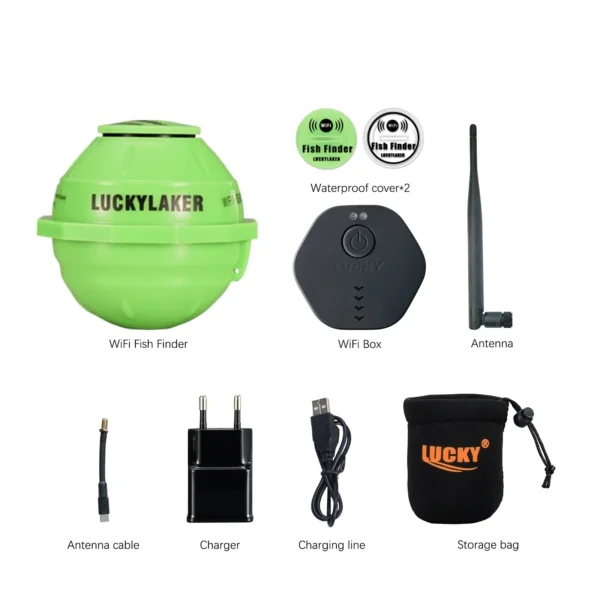


Product Gallery
-
 Ultimate 2-3 Person Inflatable Kayak for Fishing Fun Rated 5.00 out of 5$1,081.72 – $1,095.09Price range: $1,081.72 through $1,095.09
 -
VEVOR 550 lb Heavy-Duty Folding Wagon & Bench for Adventurers
$155.14 – $252.20Price range: $155.14 through $252.20
-
BISINNA One-Touch Titanium Tent for 3-4 Campers, Adventure Ready Rated 4.36 out of 5
$311.78Original price was: $311.78.$217.30Current price is: $217.30.











 Camping Gear
 Camping Chair
 Camping Table
 Camping Bed
 Sleeping Gear
 Storage Bags
 BBQ Portable
 Sleeping Bags
 Camping Tents
 Gazebos
 Outdoor Cooler
 Cookware
 Power
Power Camping Light
 Flashlight
 Portable Solar
 Power Banks
 Fish Finders
 Fishing Bags
 Fishing Jerseys
 Fishing Reels
 Fishing Chairs
 Fishing Bait Boat
 Fishing Floats
 Hard Baits
 Hiking Vests
 Outdoor Bags
 Water Filters
 Paracord
 Walkie Talkie
 Paddleboards
 Boats
Boats Sea Scooter
 Accessories
 Electric Bike
 Electric Scooter
Recent Comments