

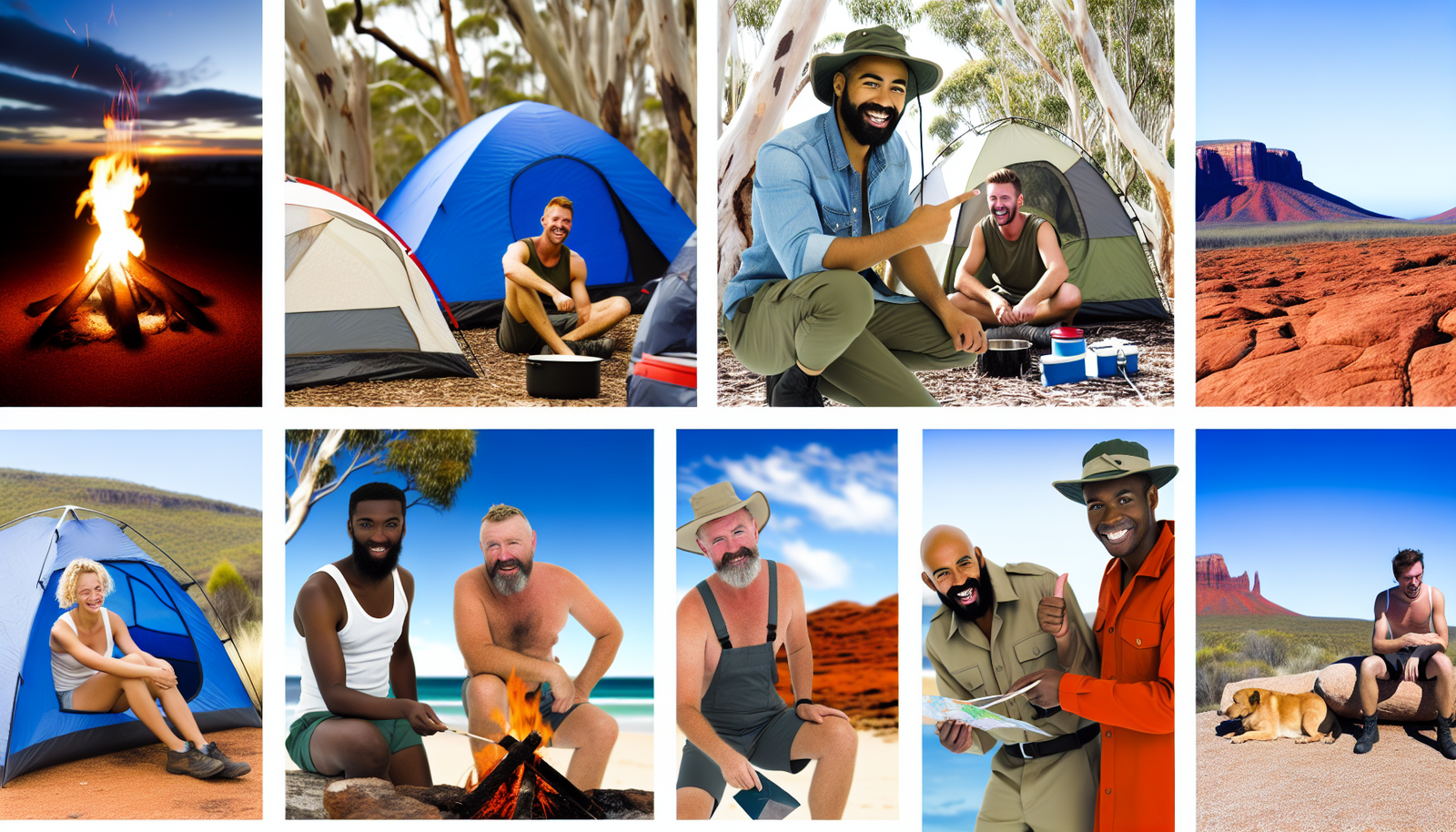
Your target audience: Are you speaking to experienced campers or beginners?

So, you’re thinking about going camping? Awesome! You’re about to step into a world of fresh air, crackling campfires, and maybe even a few mosquito bites. Don’t let that last part scare you, though. Camping is an amazing experience, and with a little preparation, even a complete beginner can have a fantastic time. This guide is designed to take you from zero to outdoor hero, covering everything you need to know to make your first camping trip a success. We’ll cover gear, safety, cooking, and even a few tips to make you look like you’ve been doing this for years (even if you haven’t!).
Why Camping is Awesome (Even if You’ve Never Done It)
Camping isn’t just about sleeping in a tent; it’s about disconnecting from the everyday grind and reconnecting with nature. It’s about breathing in the fresh air, hearing the sounds of the forest, and feeling the warmth of a campfire on your face. Frankly, it’s a reset button for your soul. You know?
Beyond the zen-like experience, camping is surprisingly versatile. Hiking trails, swimming in a lake, fishing, stargazing far from the city glow, or just sitting around a campfire telling stories – camping offers something for everyone.
Gear Up: Your Essential Camping Checklist
Okay, let’s talk gear. This can seem overwhelming, but don’t freak out. You don’t need to buy everything at once, and you can often borrow gear from friends or rent it from outdoor stores. Let’s break it down:
The Big Three (and Why They Matter)
- Tent: Your shelter from the elements. Choose one that’s easy to set up. Seriously, practice setting it up in your backyard *before* you go. Trust me on this!
- Sleeping Bag: Rated for the temperature you expect. Nothing ruins a camping trip like being cold all night. Consider a sleeping bag liner, they add a few degrees of warmth and keep your bag clean.
- Sleeping Pad: For comfort and insulation from the cold ground. You might think you can skip this, but your back will thank you. Inflatable pads are popular but foam pads work just as well and are super durable.
Camp Kitchen Essentials
Food always tastes better outdoors. But without at least a bit of gear, the only thing you will be tasting is dirt!
- Camp Stove & Fuel: For cooking meals. A simple propane stove is a good start. Don’t forget the fuel!
- Cookware: A pot, pan, and utensils. Consider nesting cookware sets to save space.
- Cooler: To keep your food cold. Ice or ice packs are essential. Pro tip: freeze water bottles to use as ice packs; they’ll melt into drinking water later.
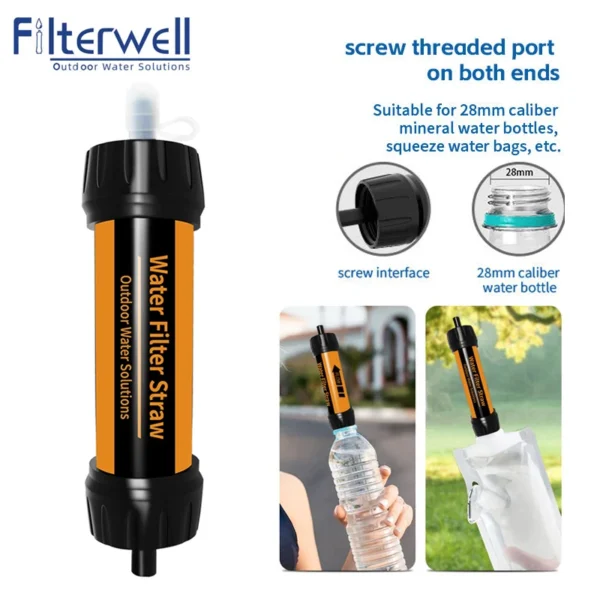
- Water Filter or Purification Tablets: Access to clean drinking water is critical because of dehydration.
Personal Items (Don’t Forget These!)
Beyond shelter and sustenance, camping requires a few personal items to keep you healthy and comfortable.
- Headlamp or Flashlight: For navigating in the dark. Headlamps are super useful because they leave your hands free, though, really, both is ideal!
- First-Aid Kit: A must-have for any outdoor adventure. Include essentials like bandages, antiseptic wipes, pain relievers, and tweezers.
- Sunscreen & Bug Spray: Protect yourself from the elements and annoying insects. Reapply often!
- Toiletries: Toothbrush, toothpaste, soap, shampoo, and toilet paper/wipes. Pack it in, pack it out!
- Appropriate Clothing: Layers are key. Be prepared for changing weather conditions. Moisture-wicking fabrics are your friend.
- Trash Bags: Pack it in, pack it out. Leave no trace!
Optional Extras (But Highly Recommended)
- Camp Chairs: Because sitting on a log gets old, quick.
- Camp Table: For prepping food and playing cards.
- Book or Games: For entertainment around the campfire.
- Binoculars: For birdwatching and stargazing.
Choosing the Right Campsite: Location, Location, Location
Picking the right campsite can greatly affect your camping adventure. What are the basic elements to consider?
Finding the Perfect Spot
- Consider the Location: Look for campgrounds nearby, or accessible trails. If you are a total beginner, you may also want to stay closer to civilization in case an emergency arrises.
- Read Reviews: See what other campers have to say about the campground. Are the facilities clean? Is it noisy? Reviews can give you valuable insights.
- Book in Advance: Popular campgrounds can fill up quickly, especially on weekends and holidays. Reserve your spot ahead of time to avoid disappointment.
Setting Up Camp Like a Pro
Once you’ve found your campsite, it’s time to set up your gear. Here’s how to do it the right way:
- Find a Level Spot: Avoid areas with rocks, roots, or uneven ground. Your back will thank you.
- Set Up Your Tent First: Before it gets dark or starts raining. Follow the instructions carefully. Use a footprint (a tarp cut to the size of your tent) to protect the bottom of your tent.
- Organize Your Gear: Keep your essentials within easy reach. Don’t leave food lying around; animals will come sniffing around.
- Set Up Your Cooking Area: Away from your tent, and preferably near a water source.
Campfire Cooking: Simple Recipes for Happy Campers
Camp food doesn’t have to be complicated to be delicious. In fact, simplicity is often the key to a great campfire meal. Here are a few easy recipes to get you started:
Classic Campfire Cuisine
- Tin Foil Dinners: Wrap meat, veggies, and spices in tin foil and cook them over hot coals. Endless variations!
- Campfire Chili: Brown some ground beef, add beans, tomatoes, and spices, and simmer over the fire. So easy and filling.
- S’mores: The ultimate campfire treat. Roast a marshmallow, sandwich it between graham crackers and chocolate, and enjoy! How can you go wrong?
- Roast vegetables: This is best done over a steady heat source like hot coals.
Tips for Campfire Cooking
- Use a Camp Stove: For faster and more controllable cooking, especially if you’re short on time.
- Prep Your Ingredients: Before you leave home. Chop vegetables, marinate meat, and measure out spices. This will save you time and hassle at the campsite.
- Bring the Right Tools: A grill grate, tongs, spatula, and pot holders are essential.
- Clean Up After Yourself: Properly dispose of food scraps and wash your dishes. Leave no trace!
Staying Safe in the Great Outdoors: A Few Essential Tips
While camping provides a fun, fulfilling experience, it is still important to practice caution.
Wildlife Awareness
- Store Food Properly: In bear-resistant containers or hung from a tree, away from your tent. Don’t leave food in your car; animals can break in.
- Make Noise: While hiking to avoid surprising animals. Carry bear spray in bear country and know how to use it.
- Keep a Safe Distance: From all wildlife. Admire them from afar. Don’t feed them; it habituates them to humans and can be dangerous.
Weather Preparedness
- Check the Forecast: Before you go and be prepared for changing conditions. Pack rain gear, extra layers, and a hat.
- Find Shelter: If a storm rolls in. Avoid standing under trees during lightning.
- Stay Hydrated: Drink plenty of water. Dehydration can lead to serious health problems.
First Aid Basics
- Know Basic First Aid: How to treat cuts, burns, and insect bites. Take a first-aid course if you haven’t already.
- Carry a First-Aid Kit: And know how to use everything in it.
- Tell Someone Your Plans: Let someone know where you’re going and when you expect to be back.
Leave No Trace: Protecting Our Natural Spaces
We have fun camping, but we gotta make sure that we do our part to ensure that it doesn’t destroy nature as we go.
The Seven Principles of Leave No Trace
- Plan Ahead and Prepare: Research your destination and pack appropriately.
- Travel and Camp on Durable Surfaces: Stick to established trails and campsites.
- Dispose of Waste Properly: Pack out everything you pack in.
- Leave What You Find: Don’t take anything from nature.
- Minimize Campfire Impacts: Use a stove for cooking whenever possible. Keep fires small and contained.
- Respect Wildlife: Observe animals from a distance and never feed them.
- Be Considerate of Other Visitors: Keep noise levels down and be respectful of others’ experiences.
Choosing the Right Sleeping Bag and Pad: Warmth and Comfort
A good night’s sleep can significantly boost your morale and energy for the next day’s activities, making the selection of sleeping bag and pad essential. Both working in synergy, they provide insulation from the cold ground and air.
Decoding Temperature Ratings
Sleeping bags come with temperature ratings that indicate the lowest temperature at which the bag is designed to keep a user warm. These ratings often include ‘comfort,’ ‘limit,’ and ‘extreme’ levels.
- Comfort Rating: The temperature at which a ‘cold sleeper’ (typically women) can sleep comfortably.
- Limit Rating: The temperature at which a ‘warm sleeper’ (typically men) can sleep comfortably in a curled position.
- Extreme Rating: The survival-only rating where the bag prevents death from hypothermia – not recommended for regular use.
Types of Sleeping Bags
- Down Sleeping Bags: Are lightweight, compressible, and provide great insulation but lose insulating properties when wet.
- Synthetic Sleeping Bags: Retain warmth even when wet, dry quickly, and are less expensive, but are heavier and bulkier than down.
Sleeping Pad Types and Insulation
Sleeping pads not only provide comfort but, more importantly, insulate your body from the cold ground. The R-value measures a pad’s ability to resist heat flow; the higher the R-value, the better the insulation.
- Foam Pads: Durable and inexpensive; they provide basic insulation and are reliable.
- Air Pads: Lightweight and compressible, offering good comfort but requiring a pump and susceptible to punctures.
- Self-Inflating Pads: Combine foam and air for a balance of comfort and insulation, self-inflating when the valve is opened.
Mastering Campfire Safety: Building, Maintaining, and Extinguishing Fires
Campfires are central to the camping experience, providing warmth, light, and a social hub. However, they also pose significant risks if not handled responsibly. Therefore, understanding how to build, maintain, and extinguish a campfire safely is crucial for any camper.
Building a Safe Campfire
- Clear the Area: Remove all flammable materials like dry leaves, needles, and overhanging branches within a 10-foot radius around your fire pit or ring.
- Use an Established Fire Ring: Whenever possible, use existing fire rings or pits to contain the fire.
- Gather Your Materials: Collect tinder (small, dry twigs and leaves), kindling (small sticks), and firewood (larger logs) before starting the fire.
- Build a Teepee or Log Cabin Fire Structure: A teepee is is quick to build, while a log cabin structure provides a good airflow.
Maintaining Your Campfire
- Control the Size: Keep the fire manageable and never leave it unattended.
- Add Wood Gradually: Add firewood slowly to maintain a steady flame and avoid sudden bursts of fire.
- Monitor Wind Conditions: Be extra vigilant during windy conditions when sparks can easily spread.
- Keep Water and a Shovel Nearby: Always have a water source and a shovel close for emergencies.
Extinguishing Your Campfire
- Douse with Water: Pour water slowly and thoroughly over the campfire until all embers are wet.
- Stir the Ashes: Use a shovel to stir the ashes and ensure that every part is soaked.
- Feel for Heat: Check the ashes with the back of your hand to ensure there is no remaining heat. If it is still hot, continue to add water and stir.
- Leave No Trace: Ensure the area is clean and natural-looking before leaving the campsite.
Conclusion: Embrace the Adventure!
Camping is an amazing experience that can enrich your life in so many ways. Now that you’ve got the basics down, it’s time to get out there and explore. Don’t be afraid to make mistakes, learn from them, and most importantly, have fun!
Remember, every seasoned camper started somewhere. So, pack your bags, grab your friends or family, and get ready for an unforgettable adventure. Honestly, you might just discover a new passion!
FAQ
For more detailed information on campfire building and safety, visit the National Park Service website.
Find tips on how to handle wildlife encounters from the USDA Forest Service.
—-
DISCLAIMER
Camping and outdoor activities involve inherent risks. This guide provides general information and tips, but it is not a substitute for professional training or expert advice. Always assess your skills, the environment, and potential hazards before engaging in any outdoor activity. The author and publisher are not responsible for any injuries, damages, or losses resulting from the use of this information. Practice Leave No Trace principles to minimize your impact on the environment and ensure a sustainable outdoor experience. Stay safe and enjoy your camping adventure!
Categories
- Navigation & Safety (68)
- Shelter & Sleep (72)
Top rated products
-
 Portable 10 W Solar Charger - Power Up Anywhere, Anytime Rated 5.00 out of 5
$37.39Original price was: $37.39.$26.06Current price is: $26.06. -
Tifgalop ES7 Pro 3000 W E-Bike: Speed Meets Adventure! Rated 5.00 out of 5$944.90 – $2,105.78Price range: $944.90 through $2,105.78
-
Ultimate Outdoor Water Filter Straw for Safe Hydration Adventures Rated 5.00 out of 5$17.21 – $18.21Price range: $17.21 through $18.21




Product Gallery
-
 VEVOR 550 lb Heavy-Duty Folding Wagon & Bench for Adventurers
$154.92 – $251.84Price range: $154.92 through $251.84
VEVOR 550 lb Heavy-Duty Folding Wagon & Bench for Adventurers
$154.92 – $251.84Price range: $154.92 through $251.84
-
BISINNA One-Touch Titanium Tent for 3-4 Campers, Adventure Ready Rated 4.36 out of 5
$310.92Original price was: $310.92.$216.70Current price is: $216.70. -
Airy Mesh Solo Hiking Tent - Lightweight & Mosquito-Proof Rated 4.71 out of 5
$89.10Original price was: $89.10.$62.10Current price is: $62.10.






 Camping Gear
 Camping Chair
 Camping Table
 Sleeping Bags
 Camping Bed
 Sleeping Gear
 Storage Bags
 BBQ Portable
 Camping Tents
 Gazebos
 Outdoor Cooler
 Cookware
 Power
Power Camping Light
 Flashlight
 Portable Solar
 Power Banks
 Fish Finders
 Fishing Bags
 Fishing Jerseys
 Fishing Reels
 Fishing Chairs
 Fishing Bait Boat
 Fishing Floats
 Hard Baits
 Hiking Vests
 Outdoor Bags
 Water Filters
 Paracord
 Walkie Talkie
 Paddleboards
 Boats
Boats Sea Scooter
 Accessories
 Electric Bike
 Electric Scooter
Recent Comments