

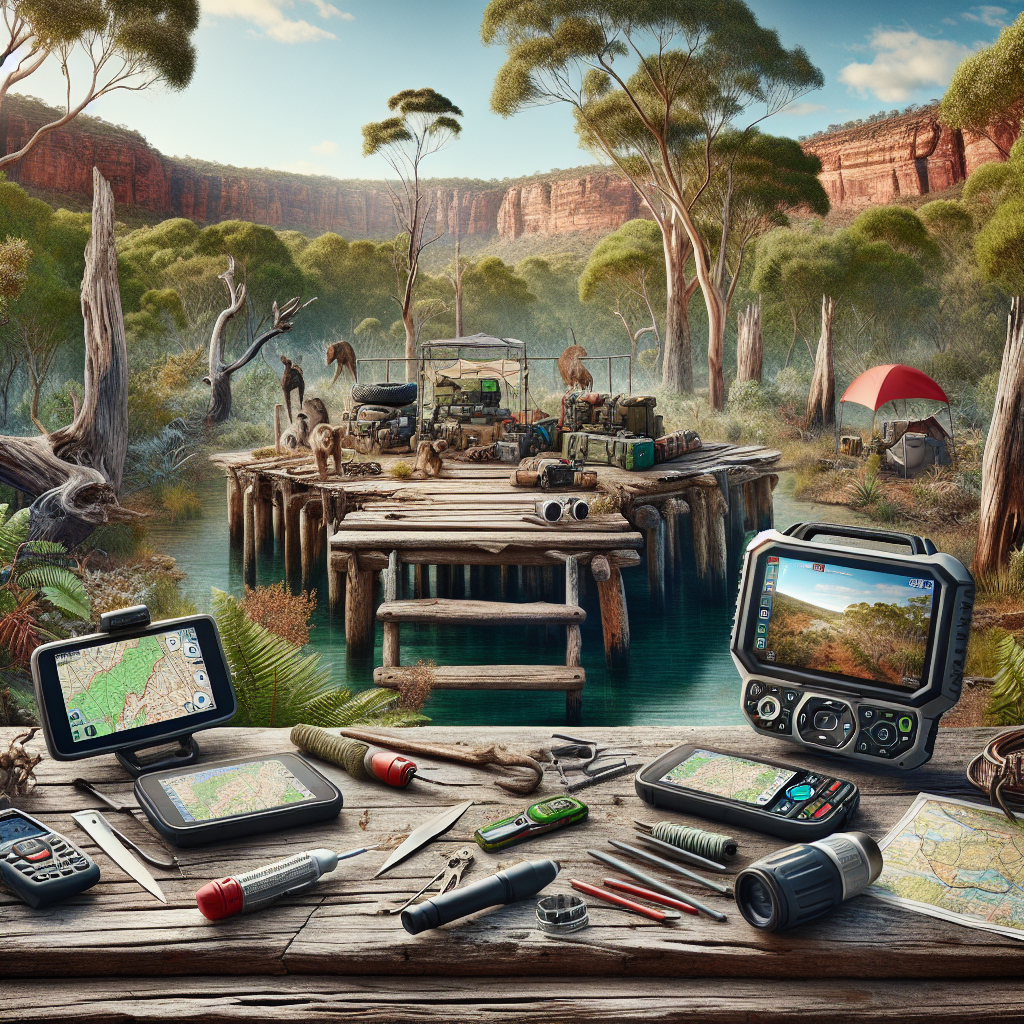

Ever felt that tug—the one that whispers promises of pine-scented freedom and star-studded nights far from the digital buzz? Camping, backpacking, trekking… whatever you call it, venturing into the wild feeds something deep inside us. But let’s be real: getting lost isn’t on anyone’s to-do list. That’s where GPS devices come in. Think of them as your trusty digital compass, your backup plan when the trail gets tricky, and sometimes, your lifeline.
Why Bother with a GPS? Isn’t a Map and Compass Enough?
Okay, so you’re a purist, huh? Map and compass skills are absolutely essential—no arguments there. Knowing how to orient yourself with a map is like knowing how to read—it’s fundamental. But relying solely on those skills in some situations is like trying to drive cross-country with just a paper map. Possible? Yes. Efficient? Not really. A GPS gives you real-time location data, tracks your progress, and can get you out of a jam when visibility drops to zero, or you venture off trail. Plus, many modern devices offer features like weather updates, messaging capabilities, and even preloaded topographic maps. It’s like having a backcountry personal assistant. It’s a little bit of extra insurance for your outdoor adventure.
What To Look For: Key Features and Considerations
Not all GPS devices are created equal. Some are rugged and reliable, while others… well, let’s just say they might be better suited for finding your way around a shopping mall. Here’s what to keep in mind when choosing your ideal trail companion:
- Battery Life: This is huge. Imagine your GPS dying halfway through a multi-day trek. Look for devices with long battery life, and consider carrying a portable charger or battery pack.
- Durability: Camping can be rough. You will want a device that can handle rain, drops, and temperature extremes. Water resistance is a must.
- Ease of Use: A million features won’t help if the interface is clunky and confusing. Look for a device with intuitive menus and a user-friendly display.
- Map Compatibility: Does it support the maps you need? Some devices come with preloaded maps, while others allow you to download them. Make sure it works with the areas you plan to explore.
- Screen Visibility: Can you see the screen in bright sunlight? What about at night? Backlighting and screen resolution matter.
- Connectivity: Do you want Bluetooth connectivity for syncing with your phone? How about satellite communication for sending messages in areas with no cell service? Features like these can be life-savers.
The Contenders: Top GPS Devices for Camping
Alright, let’s get down to brass tacks. Here are some of the top GPS devices that consistently get high marks from campers, hikers, and backcountry enthusiasts:
Garmin GPSMAP 66i: The Satellite Communicator
This is like the Swiss Army knife of GPS devices. It’s rugged, reliable, and packed with features. The GPSMAP 66i offers two-way satellite communication via Iridium, which means you can send and receive text messages, share your location, and trigger an SOS in case of an emergency—even when you’re miles from cell service. The preloaded TopoActive maps are incredibly detailed, and the battery life is impressive, especially in expedition mode. It’s the priciest option on this list, but for serious backcountry explorers, the peace of mind is worth the investment.
Garmin eTrex 32x: The Budget-Friendly Workhorse
If you’re looking for a reliable GPS without breaking the bank, the eTrex 32x is a solid choice. It’s compact, easy to use, and it offers excellent battery life. It doesn’t have all the bells and whistles of the GPSMAP 66i, but it does have preloaded TopoActive maps, supports GPX files for loading custom routes, and is water-resistant. It’s a great option for beginners or those who prefer a simple, no-frills device.
Garmin inReach Mini 2: The Compact Communicator
Don’t let the size fool you—this little guy packs a punch. The inReach Mini 2 is all about communication. Like the GPSMAP 66i, it uses the Iridium satellite network for two-way messaging and SOS capabilities. However, it’s much smaller and lighter, making it ideal for backpackers who are counting every ounce. You’ll need a subscription to use the satellite features, but it’s a small price to pay for the ability to stay connected in remote areas. Here’s a great resource to learn more: Garmin inReach Mini 2.
Gaia GPS App: The Smartphone Solution
Hold on, did I hear a gasp? Yes, a smartphone app can be a viable GPS solution! The Gaia GPS app has become a favorite among serious outdoor enthusiasts. The app allows you to download detailed topographic maps, record tracks, create waypoints, and navigate offline. When paired with a battery pack and a rugged phone case, it’s a surprisingly capable tool. Don’t rely on it as your only navigation device, but it’s fantastic as a backup. Plus, almost everyone carries a smartphone these days, so it’s one less piece of gear.
Suunto Traverse: The Adventurer’s Watch
For those who want their GPS right on their wrist, the Suunto Traverse is a stylish and functional option. This watch combines GPS navigation with fitness tracking features, making it a great choice for hikers, trail runners, and anyone who likes to explore. It offers route navigation, track recording, and altitude data. The battery life is decent, and the watch is water-resistant to 100 meters. It’s not as feature-rich as some of the handheld GPS devices, but it’s incredibly convenient.
Before You Go: Preparation and Practice
Buying a GPS device is only half the battle. You need to learn how to use it properly. Take the time to read the manual, practice navigating with it in familiar areas, and understand its limitations. Here are a few tips:
- Charge It Up: Always start with a full charge. And pack a backup battery or portable charger.
- Load Your Maps: Download the maps you need before you leave. Don’t assume you’ll have cell service at the trailhead.
- Create Waypoints: Mark important locations, like your campsite, water sources, or trail junctions.
- Practice Navigation: Get comfortable using the GPS in different conditions. Try navigating a short hike using only the GPS.
- Learn Basic Troubleshooting: Know how to reset the device, change the batteries, and troubleshoot common issues.
Beyond the Device: Essential Navigation Skills
Listen up, friends. A GPS is a tool, not a replacement for essential navigation skills. You should always know how to read a map, use a compass, and identify landmarks. It’s like knowing how to build a fire, even if you have a lighter. Skills are crucial should your electronic device fails. These skills can literally save your life. Consider taking a wilderness navigation course to hone your abilities.
Staying Safe: Emergency Procedures and Backup Plans
Let’s talk worst-case scenarios. What happens if you get lost? What if someone gets injured? What if your GPS fails? Having a plan in place can make all the difference.
- Tell Someone Where You’re Going: Always let someone know your itinerary and when you expect to be back.
- Carry a First-Aid Kit: Know how to treat common injuries and illnesses.
- Pack Extra Food and Water: Always bring more than you think you’ll need.
- Carry a Whistle and a Mirror: These can be used to signal for help.
- Learn Basic Survival Skills: Know how to build a shelter, start a fire, and find water.
And of course, if you have a satellite communication device, know how to use it to call for help. But remember, responsible camping also means minimizing your impact on the environment. Practice Leave No Trace principles, respect wildlife, and be considerate of other campers.
The Future of Camping Navigation: What’s on the Horizon?
Technology never stops evolving. We are likely to see even more advanced GPS devices with improved accuracy, longer battery life, and enhanced connectivity. Augmented reality could play a bigger role, overlaying digital information onto the real world. And who knows, maybe we’ll even have GPS devices that can predict the weather with pinpoint accuracy! As for me, I’m more excited about tools that improve safety and awareness, helping us explore the wild responsibly.
So, there you have it: a comprehensive guide to choosing the best GPS device for your camping adventures. Now get out there, explore with confidence, and remember to leave only footprints.
FAQ: Your Burning Questions Answered
Is a GPS really necessary for camping?
While not strictly necessary, a GPS device can significantly enhance your safety and navigation, especially in unfamiliar or remote areas. It’s a valuable tool for confirming your location, tracking your route, and finding your way back if you get disoriented. Paired with traditional map and compass skills, it offers a robust navigation solution.
Can I rely solely on my smartphone for GPS navigation?
Smartphones can be incredibly useful with apps like Gaia GPS, but they shouldn’t be your only navigation tool. Their battery life is limited, they can be susceptible to damage, and they may not work in areas without cell service. Use a smartphone as a backup, and always carry a dedicated GPS device and map and compass as your primary navigation tools.
What should I do if my GPS device fails in the backcountry?
If your GPS fails, revert to your map and compass. Regularly practice using these tools, so you’re proficient in navigating without electronic assistance. Carry extra batteries for your GPS, and consider bringing a backup GPS device if you’re venturing into very remote areas.
How often should I update the maps on my GPS device?
Updating your maps regularly is crucial to ensure accuracy. Aim to update them at least once a year, or more frequently if you know there have been changes to trails or landmarks in the areas you’ll be exploring. Many GPS devices allow you to download the latest maps directly from the manufacturer’s website.
What is the best way to learn how to use a GPS device effectively?
The best way to learn is through hands-on practice. Start by reading the device’s manual thoroughly. Then, practice using it in familiar areas before taking it into the backcountry. Consider taking a navigation course or workshop to learn advanced techniques and troubleshooting tips. There are also many online resources and tutorials available.
Are satellite communicators worth the investment?
If you frequently venture into remote areas without cell service, a satellite communicator is definitely worth considering. These devices allow you to send and receive text messages, share your location, and call for help in emergencies. They provide peace of mind and can be a lifesaver in critical situations. Assess your needs and the types of trips you typically take to determine if the investment is right for you.
How do I protect my GPS device from the elements?
To protect your GPS device from the elements, invest in a waterproof case or cover. Keep it in a secure pocket or pack to prevent damage from drops or impacts. If you’re in a particularly wet environment, consider using a lanyard to keep it close and prevent it from being dropped in water. Regularly check the device for any signs of damage and address them promptly.
DISCLAIMER
Please note that while GPS devices can be invaluable tools for navigation, they are not infallible. Always exercise caution and good judgment when exploring the outdoors. Be aware of your surroundings, and don’t solely rely on electronic devices. Weather can change rapidly, and trail conditions can vary, so it’s essential to be prepared for unforeseen circumstances. This content is for informational purposes only and shouldn’t substitute professional guidance or training.
Categories
- Navigation & Safety (68)
- Shelter & Sleep (72)
Top rated products
-
 Ultimate AONIJIE Soft Flask 1000 ml/2000 ml with Water Filter Rated 5.00 out of 5
$38.70Original price was: $38.70.$26.97Current price is: $26.97. -
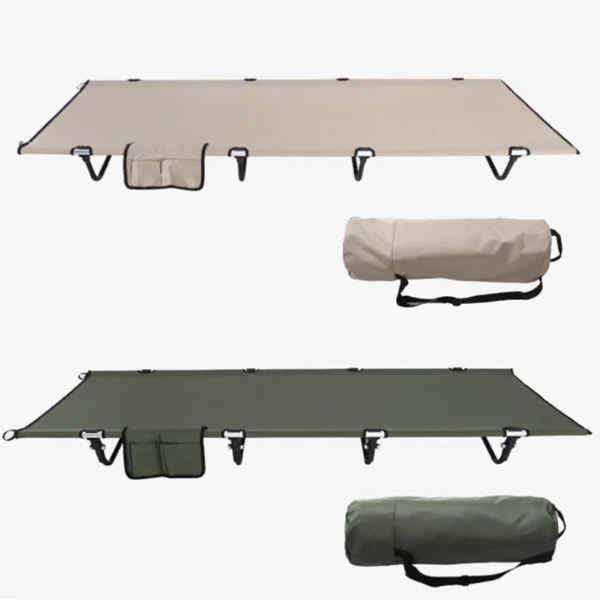
Ultralight 150 kg Camping Cot: Compact, Widened Comfort Bed Rated 5.00 out of 5
$87.52Original price was: $87.52.$61.00Current price is: $61.00. -
Portable 1.1 L Camping Kettle with Stylish Wooden Handle Rated 5.00 out of 5
$48.56Original price was: $48.56.$33.84Current price is: $33.84.



Product Gallery
-
 Ultimate 2-3 Person Inflatable Kayak for Fishing Fun Rated 5.00 out of 5$1,092.43 – $1,105.95Price range: $1,092.43 through $1,105.95
 -
VEVOR 550 lb Heavy-Duty Folding Wagon & Bench for Adventurers
$157.00 – $255.21Price range: $157.00 through $255.21
-
BISINNA One-Touch Titanium Tent for 3-4 Campers, Adventure Ready Rated 4.36 out of 5
$308.64Original price was: $308.64.$215.11Current price is: $215.11.










 Camping Gear
 Camping Chair
 Camping Table
 Camping Bed
 Sleeping Gear
 Storage Bags
 BBQ Portable
 Sleeping Bags
 Camping Tents
 Gazebos
 Outdoor Cooler
 Cookware
 Power
Power Camping Light
 Flashlight
 Portable Solar
 Power Banks
 Fish Finders
 Fishing Bags
 Fishing Jerseys
 Fishing Reels
 Fishing Chairs
 Fishing Bait Boat
 Fishing Floats
 Hard Baits
 Hiking Vests
 Outdoor Bags
 Water Filters
 Paracord
 Walkie Talkie
 Paddleboards
 Boats
Boats Sea Scooter
 Accessories
 Electric Bike
 Electric Scooter
Recent Comments