


Why Camping? More Than Just S’mores
You know, it’s easy to think of camping as just roasting marshmallows and telling spooky stories. And hey, those things *are* great. But there’s so much more to it. It’s about reconnecting with nature, escaping the digital grind, and challenging yourself in ways you never thought possible. Plus, let’s be honest, that fresh air just hits different, right?
The Mental Reset Button
Let’s face it: our brains are constantly buzzing. Emails, notifications, social media… it’s a non-stop barrage. Camping offers a chance to unplug—literally. No Wi-Fi, no constant updates, just you and the rustling leaves. This digital detox can work wonders for reducing stress and improving focus. Think of it as hitting the reset button on your mind. Ever feel that amazing clarity after a hike? That’s the good stuff.
Building Real Connections
When was the last time you had a genuine, uninterrupted conversation with someone? Around a crackling campfire, with no screens to distract, you’ll find those conversations flow naturally. Camping fosters deeper connections with family and friends. You’re building shared memories, tackling challenges together (like setting up that darn tent!), and experiencing something meaningful as a unit. These are the moments that really stick with you, long after you’ve packed up and gone home.
The Confidence Boost You Didn’t Know You Needed
Okay, so maybe you’re not Bear Grylls. Neither am I! But even small camping trips can build your self-reliance. Learning to pitch a tent, start a fire (safely, of course!), and navigate with a map are all empowering skills. You’re proving to yourself that you can handle the outdoors, and that confidence trickles into other areas of your life. It’s a “Hey, I can do this!” kind of feeling.
Nature’s Therapy: It’s Real
Studies have shown that spending time in nature can lower blood pressure, boost your immune system, and even improve your mood. It’s like nature has its own secret recipe for wellness. The sounds of a babbling brook, the smell of pine trees, the feeling of sunshine on your skin—these are all therapeutic experiences. Camping provides an immersive dose of nature’s goodness.
Gear Up: Essential Camping Equipment
Alright, so you’re convinced about the benefits? Awesome! Now, let’s talk gear. Don’t get overwhelmed; you don’t need to buy everything at once. Start with the essentials and build your collection over time. Think of it as an investment in future adventures.
The Tent: Your Home Away From Home
Choosing the right tent is crucial for a comfortable camping experience. Consider the size (how many people will be sleeping in it?), the season (3-season tents are good for most conditions), and the ease of setup. Nobody wants to spend hours wrestling with tent poles at dusk! Some good brands to check out are REI, Coleman, and Big Agnes.
Sleeping Bag and Pad: Comfort is Key
A good night’s sleep can make or break a camping trip. A sleeping bag rated for the temperatures you expect to encounter is essential. Don’t forget a sleeping pad! It provides insulation from the cold ground and adds cushioning for a more comfortable sleep. Trust me, your back will thank you.
Cooking Essentials: Fueling Your Adventures
Whether you’re a gourmet chef or prefer simple meals, you’ll need some basic cooking equipment. A portable stove, cookware, utensils, and food storage containers are all must-haves. Don’t forget the biodegradable soap for washing up! Consider brands like Jetboil or MSR for stoves, and GSI Outdoors for cooksets. Think dehydrated meals can’t be good? Some of them actually are these days!
Navigation: Knowing Where You Are (and Where You’re Going)
Even on established campgrounds, it’s important to have basic navigation skills. A map and compass are essential, and a GPS device can be helpful as a backup. Learn how to use them *before* you head out into the wilderness. Practice makes perfect. Outdoor retailers like MEC (Mountain Equipment Company) offer navigation courses, which can be a truly priceless investment in your safety skills, you know?
Lighting: Illuminating Your Campsite
Headlamps and lanterns are crucial for navigating around your campsite at night. Headlamps allow you to keep your hands free, while lanterns provide ambient light for cooking or relaxing. LED lights are energy-efficient and long-lasting. Brands like Black Diamond and Petzl are known for their reliable headlamps. Also, twinkle lights around the campsite can add to the magic, just sayin’.
Location, Location, Location: Choosing the Right Campsite
Where you camp can greatly impact your experience. Consider factors like accessibility, amenities, and scenery when choosing a campsite. Think of it as setting the stage for your outdoor adventure.
Campground vs. Backcountry: What’s Your Style?
Campgrounds offer amenities like restrooms, picnic tables, and fire pits, making them a good option for beginners. Backcountry camping, on the other hand, involves hiking to a remote location and setting up camp in the wilderness. It’s more challenging but also more rewarding. Which is right for you depends on your comfort level and experience.
Researching Your Options
Before you head out, research potential campsites. Online resources like ReserveAmerica and Recreation.gov provide information on campgrounds across the United States. Read reviews from other campers to get an idea of what to expect. Look at maps to understand the layout and proximity to attractions.
Considering Accessibility
Think about how easy it will be to get to your campsite. If you’re car camping, you’ll want a site that’s accessible by road. If you’re backpacking, consider the distance and difficulty of the hike. Also, think about whether the campsite is accessible for people with disabilities, if that’s a factor.
Thinking About Amenities
Do you need restrooms, showers, or potable water? Some campgrounds offer these amenities, while others are more primitive. Think about what you’re comfortable with and choose a campsite accordingly. It makes all the difference in the world, honestly.
The Beauty Factor
Let’s be real, scenery matters! Look for campsites with stunning views, access to hiking trails, or proximity to lakes or rivers. Waking up to a beautiful sunrise or falling asleep under a canopy of stars can make your camping trip truly unforgettable.
Leave No Trace: Respecting the Environment
Camping comes with a responsibility to protect the environment. Practicing Leave No Trace principles ensures that future generations can enjoy the same natural beauty that we do. It’s about minimizing our impact and leaving the wilderness as we found it.
Plan Ahead and Prepare
Before you go, research the regulations and special concerns for the area you’ll be visiting. Pack out everything you pack in, and minimize waste by bringing reusable containers and utensils. Knowing the rules is the first step in protecting the land.
Travel and Camp on Durable Surfaces
Stick to established trails and campsites to avoid damaging vegetation. Camp at least 200 feet away from lakes and streams to protect water quality. Concentrating your impact in already disturbed areas helps preserve the natural environment.
Dispose of Waste Properly
Pack out all trash, including food scraps and toilet paper. Use designated restrooms or dig a cathole at least 6 inches deep and 200 feet away from water sources. Properly disposing of waste keeps the environment clean and prevents the spread of disease. Seriously folks, pack it out.
Leave What You Find
Leave natural objects, such as rocks, plants, and artifacts, as you find them. Avoid carving or defacing trees. Appreciate the natural beauty without altering it. Take only pictures, leave only footprints.
Minimize Campfire Impacts
Use established fire rings or fire pans whenever possible. Keep fires small and contained. Never leave a fire unattended, and make sure it’s completely extinguished before you leave. Wildfires are a serious threat, so be extra cautious with fire. When in doubt, skip the fire and enjoy the stars. Honestly, the stars are usually better anyway.
Respect Wildlife
Observe wildlife from a distance and never feed animals. Store food properly to prevent attracting animals to your campsite. Keep your pets under control. Respecting wildlife ensures their safety and protects the natural balance of the ecosystem.
Safety First: Essential Tips for a Secure Camping Trip
Camping can be an amazing experience, but it’s important to prioritize safety. Being prepared for potential hazards can help you avoid accidents and enjoy your trip with peace of mind.
Weather Awareness
Check the weather forecast before you go and be prepared for changing conditions. Pack appropriate clothing, including rain gear and warm layers. Weather can change rapidly in the mountains, so be ready for anything. Knowing what’s coming can keep you from getting hypothermia, sunburned, or miserable.
First Aid Knowledge
Carry a well-stocked first-aid kit and know how to use it. Basic first-aid skills can be invaluable in case of minor injuries. Consider taking a wilderness first-aid course to learn more advanced techniques. Knowing what to do in an emergency can save lives.
Wildlife Precautions
Be aware of the wildlife in the area and take precautions to avoid encounters. Store food properly, make noise while hiking, and carry bear spray in bear country. Knowing how to react to wildlife encounters can prevent injuries.
Water Safety
If you’ll be near water, be aware of the risks of drowning. Never swim alone, and always supervise children. If you’re boating, wear a life jacket. Water can be dangerous, so be extra cautious.
Fire Safety
Practice fire safety at all times. Keep fires small and contained, never leave them unattended, and make sure they’re completely extinguished before you leave. A stray ember can cause a major wildfire, so be vigilant.
Tell Someone Your Plans
Before you leave, tell someone where you’re going and when you expect to be back. This way, if something goes wrong, someone will know to look for you. It’s a simple precaution that can make a big difference.
Camp Cooking Simplified: Easy Recipes for the Outdoors
You don’t need to be a gourmet chef to enjoy delicious meals while camping. With a few simple recipes and some basic cooking equipment, you can whip up tasty meals that will fuel your adventures. Honestly, some of the best food I’ve ever eaten was cooked over a campfire.
Foil Packet Meals: One-Pot Wonders
Foil packet meals are easy to prepare and require minimal cleanup. Simply combine your ingredients in a foil packet, seal it tightly, and cook it over the campfire or on a grill. Some popular options include sausage and veggies, chicken fajitas, and hobo dinners.
Campfire Chili: A Classic Comfort Food
Campfire chili is a hearty and satisfying meal that’s perfect for a chilly evening. You can prepare the ingredients ahead of time and simply combine them in a Dutch oven over the campfire. Add some cornbread for a complete meal.
One-Pot Pasta: Simple and Delicious
One-pot pasta is a quick and easy meal that requires minimal cleanup. Simply combine pasta, sauce, and vegetables in a pot and cook until the pasta is tender. Add some protein, such as sausage or chicken, for a more substantial meal.
S’mores: The Ultimate Camping Dessert
No camping trip is complete without s’mores! Simply roast a marshmallow over the campfire, then sandwich it between two graham crackers with a piece of chocolate. It’s a classic dessert that’s sure to please everyone.
Breakfast Burritos: Fuel for the Day
Prepare breakfast burritos ahead of time and wrap them in foil for easy transport. In the morning, simply warm them up over the campfire or on a grill. Fill them with eggs, cheese, sausage, and vegetables for a nutritious and satisfying breakfast. You could include some salsa if you want to be fancy!
From Zero to Hero: Leveling Up Your Camping Skills
Once you’ve mastered the basics, you can start to level up your camping skills. This could involve learning new techniques, trying more challenging trips, or simply spending more time in the wilderness. Think of it as unlocking new levels in a video game!
Navigation Mastery
Take your navigation skills to the next level by learning how to use a topographical map and compass. Practice reading terrain features and calculating distances. Consider taking an advanced navigation course to hone your skills.
Wilderness Survival
Learn basic wilderness survival skills, such as building a shelter, finding water, and starting a fire without matches. These skills could be invaluable in an emergency situation. There are lots of great resources online and in libraries, but nothing beats hands-on practice.
Backpacking Adventures
Transition from car camping to backpacking by planning an overnight or multi-day backpacking trip. This will require you to carry all of your gear on your back, so pack wisely. Choose a trail that’s appropriate for your fitness level, and be prepared for a challenging but rewarding experience.
Winter Camping
Challenge yourself by trying winter camping. This requires specialized gear and knowledge, but it can be a beautiful and rewarding experience. Be prepared for cold temperatures, snow, and ice. If you do it right, you’ll get to see a whole different side of the mountains.
Rock Climbing/Mountaineering
If you’re looking for an adrenaline rush, try rock climbing or mountaineering. These activities require specialized training and equipment, so start with a guided trip or course. Be prepared for a challenging and physically demanding experience. Don’t try this one before you’ve got your other camping basics down! Safety first.
Remember, camping is a journey, not a destination. Enjoy the process of learning new skills, exploring new places, and connecting with nature. The more you do it, the more comfortable and confident you’ll become. So get out there and start exploring!
FAQ: Your Burning Camping Questions Answered
DISCLAIMER
Before embarking on any camping trip, ensure you are properly prepared and informed about the potential risks involved. Camping, especially in remote areas, can pose hazards such as encounters with wildlife, unpredictable weather conditions, and the risk of injury or illness. Always check the weather forecast, inform someone of your itinerary, and carry a well-stocked first-aid kit. The information provided in this article is for general guidance only and should not be considered a substitute for professional advice or training. The author and publisher are not responsible for any accidents, injuries, or damages that may occur during your camping trip. Stay safe and respect the environment.
Categories
- Navigation & Safety (68)
- Shelter & Sleep (72)
Top rated products
-
 Effortless Power: 20 W Solar Charger for Blink Outdoor Cameras Rated 5.00 out of 5
$45.66Original price was: $45.66.$31.82Current price is: $31.82. -
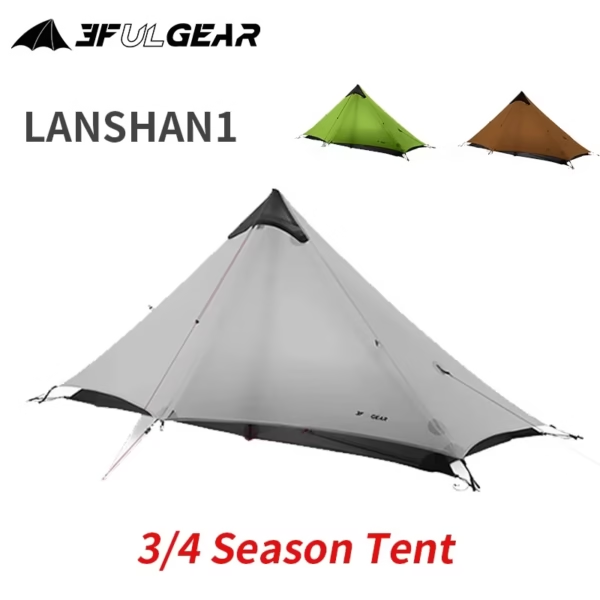
Ultralight 3 F UL GEAR Lan Shan 1 Tent for Solo Adventures Rated 5.00 out of 5
$359.23Original price was: $359.23.$250.38Current price is: $250.38. -
Ultimate 3 F UL GEAR 2.0 Stainless Steel Pellet Fuel Hopper Rated 5.00 out of 5
$555.43Original price was: $555.43.$387.12Current price is: $387.12.




Product Gallery
-
 Ultimate 2-3 Person Inflatable Kayak for Fishing Fun Rated 5.00 out of 5
$1,551.37Original price was: $1,551.37.$1,081.26Current price is: $1,081.26. -
VEVOR 550 lb Heavy-Duty Folding Wagon & Bench for Adventurers
$156.01 – $253.61Price range: $156.01 through $253.61
-
Adventure-Ready Ultra Bright LED Headlamp with 3 Modes
$4.67 – $25.14Price range: $4.67 through $25.14






 Camping Gear
 Camping Chair
 Camping Table
 Sleeping Bags
 Camping Bed
 Sleeping Gear
 Storage Bags
 BBQ Portable
 Camping Tents
 Gazebos
 Outdoor Cooler
 Cookware
 Power
Power Camping Light
 Flashlight
 Portable Solar
 Power Banks
 Fish Finders
 Fishing Bags
 Fishing Jerseys
 Fishing Reels
 Fishing Chairs
 Fishing Bait Boat
 Fishing Floats
 Hard Baits
 Hiking Vests
 Outdoor Bags
 Water Filters
 Paracord
 Walkie Talkie
 Paddleboards
 Boats
Boats Sea Scooter
 Accessories
 Electric Bike
 Electric Scooter
Recent Comments