

Best Ultralight Solo Backpacking Tents: Expert Reviews & Comparisons

So, you’re thinking about ditching the crowds and heading into the backcountry solo? Good on ya! There’s nothing quite like the peace and quiet of a solo trip. But before you hit the trail, you’re gonna need a reliable shelter. And if you’re going solo, you’re probably thinking ultralight, right? Well, you’ve come to the right place. We’re going to break down the best ultralight solo backpacking tents out there, so you can find the perfect one for your adventures.
Why Go Ultralight for Solo Backpacking?
Let’s talk weight. When you’re carrying everything yourself, every ounce counts. Going ultralight means more comfort on the trail, less strain on your body, and the ability to cover more ground each day. Think of it this way: less weight equals more freedom.
What to Look for in an Ultralight Solo Tent
Ok, so what exactly makes a great ultralight solo tent? Here are a few key things to consider:
- Weight: Obviously! Aim for a tent that weighs under 3 pounds, ideally closer to 2 or even 1.
- Packability: How small does it pack down? You want something that won’t take up too much space in your pack.
- Weather Protection: Can it handle wind, rain, and maybe even a little snow? Don’t skimp on weather resistance just to save a few ounces.
- Livability: Is there enough room to sit up, change clothes, and store your gear? A cramped tent can make for a miserable trip.
- Durability: Ultralight materials can be delicate. Look for a tent made with quality materials and reinforced stress points.
- Ease of Setup: After a long day of hiking, the last thing you want is a complicated tent to pitch.
Top Ultralight Solo Tent Picks for 2024
Alright, let’s get to the good stuff. Here are some of the best ultralight solo tents on the market right now. We’ll look at what makes them great, and who they might be a good fit for.
Big Agnes Copper Spur HV UL1
The Big Agnes Copper Spur HV UL1 is a classic for a reason. It balances weight, space, and durability exceptionally well. Weighing in around 2 pounds (trail weight), it gives you plenty of headroom thanks to its high-volume design. It’s also known for its easy setup and excellent ventilation.
If you’re new to ultralight backpacking but don’t want to compromise on comfort, the Copper Spur HV UL1 is a great starting point. It’s a bit pricier than some other options, but the quality is worth it if you plan to use it often.
Zpacks Duplex Flex
Zpacks is known for pushing the boundaries of ultralight, and the Duplex Flex is no exception. While technically a two-person tent, many solo backpackers use it for the palatial space at an incredibly minimal weight (around 18 ounces!). It uses trekking poles for setup, saving even more weight, and is made from Dyneema Composite Fabric (DCF), which is incredibly strong and waterproof.
It’s one of the best tents you can find but keep a few things in mind. DCF can be a bit crinkly and may require more careful handling than traditional tent fabrics. Plus, using trekking poles for setup means you can’t use them for hiking while the tent is pitched. Also, this tent requires seam sealing, so don’t forget that before you hit the trail!
REI Co-op Quarter Dome SL1
Looking for a great value without sacrificing performance? The REI Co-op Quarter Dome SL1 is a solid pick. It’s lighter and more compact than a standard backpacking tent, offering a good balance of weight, space, and weather protection.
The Quarter Dome SL1 is a good choice for budget-conscious backpackers who still want a reliable tent. It’s also readily available at REI stores, so you can easily check it out in person before you buy.
Sea to Summit Telos TR1
The Sea to Summit Telos TR1 is designed with livability in mind. Its unique Tension Ridge architecture creates more headroom and usable space than many other solo tents. It also features excellent ventilation to minimize condensation.
If you prioritize comfort and want a tent that feels spacious inside, the Telos TR1 is worth considering. It’s a touch heavier than some other ultralight options, but the extra space may be worth it for you.
MSR Hubba Hubba NX Solo
MSR is a trusted name in outdoor gear, and the Hubba Hubba NX Solo is a durable and reliable option for solo backpackers. It’s not the absolute lightest tent on the market, but it’s known for its robust construction and excellent weather protection.
The Hubba Hubba NX Solo is a good choice if you’re planning trips in challenging conditions or if you just want a tent that will last for years to come. It’s also very easy to set up, and the fabric is durable and will stand up to frequent use
NEMO Hornet Elite OSMO 1P
If every ounce counts, the NEMO Hornet Elite OSMO 1P is a contender. This tent prioritizes weight savings above all else, using superlight fabrics and a minimalist design. The OSMO fabric in the tent makes it extremely water repellent and stretches less than conventional nylon when wet.
Keep in mind that this tent might not be for everyone. The lightweight materials require more care, and the interior space is limited. But if you’re a dedicated ultralight backpacker who’s willing to make some compromises, the Hornet Elite OSMO 1P can help you shave serious weight.
Comparing the Specs: A Detailed Chart
Alright, now let’s get granular and compare all the tents mentioned above.
| Tent Model | Weight (lbs) | Packed Size | Floor Area (sq ft) | Peak Height (in) | Material | Price (USD) |
|---|---|---|---|---|---|---|
| Big Agnes Copper Spur HV UL1 | 2.12 | 5.5″ x 19″ | 20 | 38 | Nylon Ripstop | $449.95 |
| Zpacks Duplex Flex | 1.12 | 6″ x 12″ | 28 (2-person) | 48 | Dyneema Composite Fabric | $699.00 |
| REI Co-op Quarter Dome SL1 | 2.44 | 5.5″ x 18″ | 20.7 | 37 | Nylon Ripstop | $329.00 |
| Sea to Summit Telos TR1 | 2.50 | 5″ x 17″ | 18.5 | 41 | Nylon Ripstop | $459.00 |
| MSR Hubba Hubba NX Solo | 2.75 | 6″ x 18″ | 17 | 40 | Nylon Ripstop | $379.95 |
| NEMO Hornet Elite OSMO 1P | 1.58 | 4″ x 19″ | 19.6 | 37 | Nylon Ripstop, OSMO Fabric | $429.95 |
Other Factors to Consider Before Buying
Beyond the basic specs, here are a few other things to keep in mind:
Your Typical Trip Length and Location
Are you mostly doing weekend trips in mild weather, or multiday treks in the mountains? Your needs will vary depending on the type of adventures you have planned.
Your Budget
Ultralight gear can be expensive, but there are options for every budget. Don’t be afraid to look for deals or consider used gear to save money.
Your Personal Preferences
Do you prefer a freestanding tent, or are you comfortable with a trekking pole tent? Do you need a lot of headroom, or are you willing to sacrifice space for weight savings? Think about what’s most important to you in a tent.
The Importance of Proper Tent Care
Once you’ve invested in a good ultralight tent, it’s important to take care of it properly. Here are a few tips:
- Always use a footprint or groundsheet to protect the bottom of your tent.
- Avoid pitching your tent in direct sunlight for extended periods, as UV rays can damage the fabric.
- Clean your tent regularly with mild soap and water.
- Dry your tent thoroughly before storing it to prevent mildew.
- Store your tent loosely in a breathable bag, rather than tightly compressing it.
Ultralight Backpacking Skills and Knowledge
Remember, an ultralight tent is just one piece of the puzzle. To truly embrace the ultralight philosophy, you’ll also need to focus on lightening your other gear and honing your backpacking skills. This might involve investing in a lighter backpack, sleeping bag, and cook system, as well as learning skills like minimalist packing and efficient camp setup.
Final Thoughts: Choosing the Right Tent for You
So, there you have it – a rundown of some of the best ultralight solo backpacking tents on the market. Choosing the right tent is a personal decision that depends on your individual needs and preferences. Take the time to research different options, read reviews, and consider your own backpacking style. With the right tent, you can enjoy comfortable and lightweight adventures for years to come.
Happy trails!
Additional Resources
Here are some extra resourses to help you with your search for a tent.
FAQ: Ultralight Solo Backpacking Tents
Here are some frequently asked questions about ultralight solo backpacking tents:
What is the ideal weight for an ultralight solo backpacking tent?
Ideally, you should aim for a tent that weighs under 3 pounds, and even closer to 2 or 1 pound if possible. Keep in mind this affects the weight of your backpack, so it needs to be lightweight
Are trekking pole tents more lightweight than traditional tents?
Yes, trekking pole tents can be lighter because they eliminate the need for separate tent poles, utilizing your trekking poles instead.
What is Dyneema Composite Fabric (DCF) and why is it used in ultralight tents?
Dyneema Composite Fabric (DCF) is an extremely strong and waterproof material used in high-end ultralight tents. It’s very lightweight but can be more delicate than traditional fabrics.
How important is ventilation in an ultralight tent?
Ventilation is crucial to minimize condensation inside the tent, which can make you uncomfortable and potentially damage your gear. Look for tents with good ventilation features.
What is the difference between freestanding and non-freestanding tents, and which is better for solo backpacking?
Freestanding tents can stand up on their own without being staked down, while non-freestanding tents require stakes to maintain their shape. Non-freestanding tents are often lighter, but freestanding tents are more convenient to set up in certain situations.
How do I choose between a single-wall and double-wall tent?
Single-wall tents are lighter and simpler, but they can be prone to condensation. Double-wall tents offer better ventilation and condensation management but are typically heavier. The best choice depends on your climate and personal preference.
Can I use a 2-person tent for solo backpacking to have more space?
Yes, many solo backpackers opt to use a 2-person tent for the extra space, especially if they value comfort. However, keep in mind that a 2-person tent will generally be heavier than a solo tent.
DISCLAIMER
Backcountry travel involves inherent risks. Weather conditions can change rapidly in the mountains and your safety depends on your own good judgement and experience. The information on this page is designed to assist you in selecting appropriate gear, but your preparation and knowledge are your responsibility. Please ensure you receive adequate training and, where possible, gain experience with an expert before undertaking backcountry travel.
Categories
- Navigation & Safety (68)
- Shelter & Sleep (72)
Top rated products
-
 Effortless Power: 20 W Solar Charger for Blink Outdoor Cameras Rated 5.00 out of 5
$45.69Original price was: $45.69.$31.84Current price is: $31.84. -
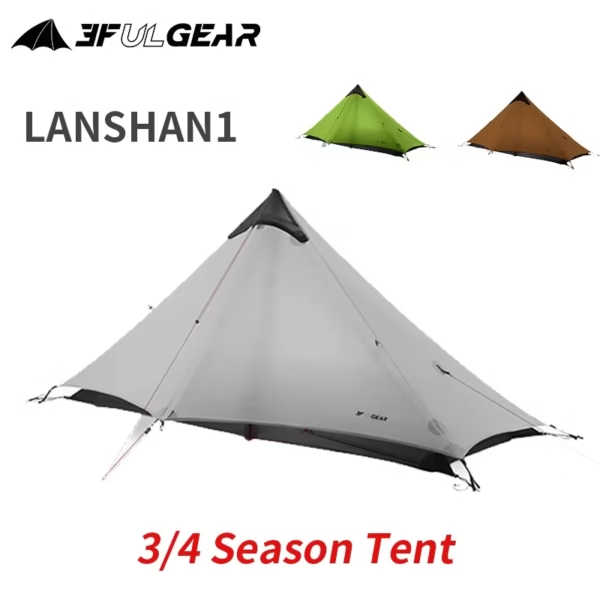
Ultralight 3 F UL GEAR Lan Shan 1 Tent for Solo Adventures Rated 5.00 out of 5
$359.49Original price was: $359.49.$250.55Current price is: $250.55. -
BLACKDOG Quick-Set Automatic Tent: Waterproof & UV-Resistant Adventure Shelter Rated 5.00 out of 5
$355.99Original price was: $355.99.$248.11Current price is: $248.11.



Product Gallery
-
 Ultimate 2-3 Person Inflatable Kayak for Fishing Fun Rated 5.00 out of 5
$1,552.46Original price was: $1,552.46.$1,082.01Current price is: $1,082.01. -
VEVOR 550 lb Heavy-Duty Folding Wagon & Bench for Adventurers
$156.12 – $253.79Price range: $156.12 through $253.79
-
Adventure-Ready Ultra Bright LED Headlamp with 3 Modes
$4.67 – $25.16Price range: $4.67 through $25.16













 Camping Gear
 Camping Chair
 Camping Table
 Sleeping Bags
 Camping Bed
 Sleeping Gear
 Storage Bags
 BBQ Portable
 Camping Tents
 Gazebos
 Outdoor Cooler
 Cookware
 Power
Power Camping Light
 Flashlight
 Portable Solar
 Power Banks
 Fish Finders
 Fishing Bags
 Fishing Jerseys
 Fishing Reels
 Fishing Chairs
 Fishing Bait Boat
 Fishing Floats
 Hard Baits
 Hiking Vests
 Outdoor Bags
 Water Filters
 Paracord
 Walkie Talkie
 Paddleboards
 Boats
Boats Sea Scooter
 Accessories
 Electric Bike
 Electric Scooter
Recent Comments