

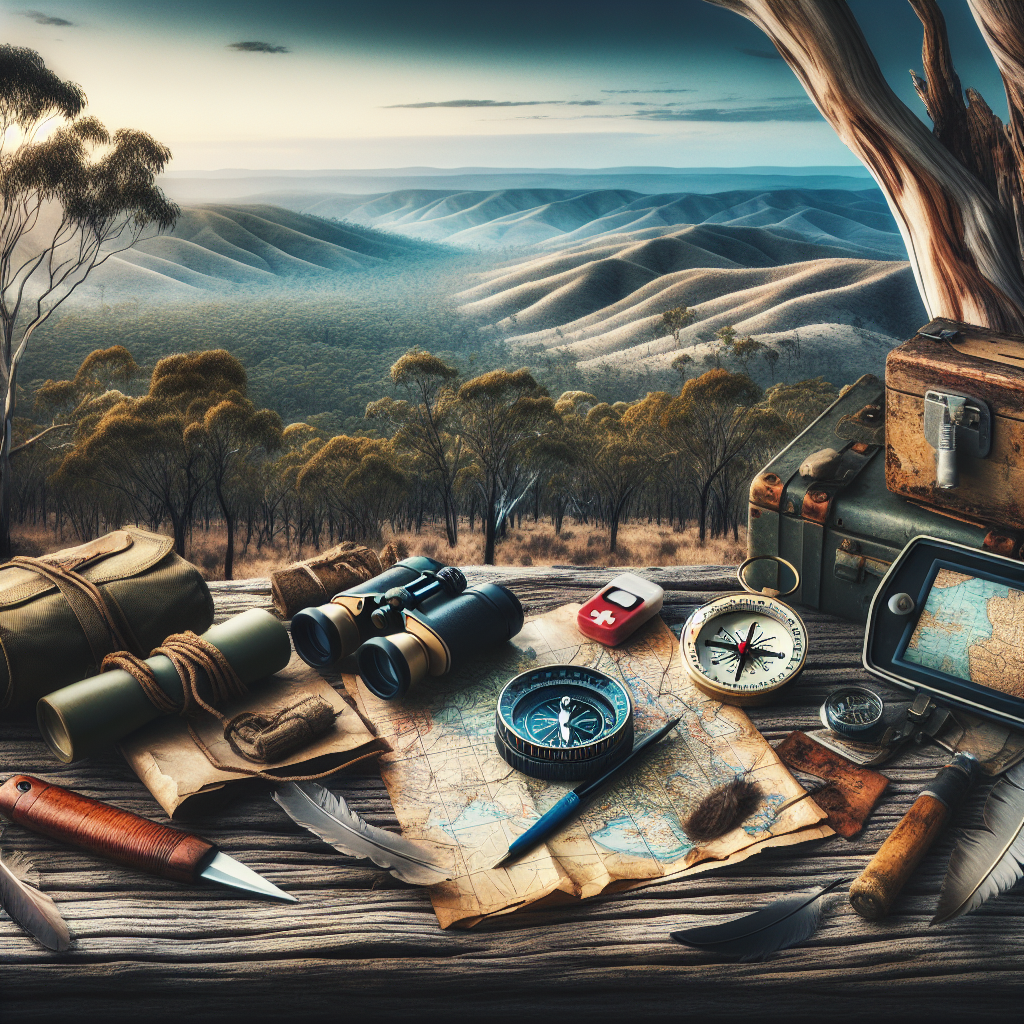
Beyond the Trail Map: Mastering Navigation Skills for Adventurous Campers

Ever felt that pull to wander a little farther, to discover what lies just beyond the marked path? Camping’s great, but true adventure? That lives where the trail blazes fade and the real navigation begins. Think of it: just you, the wild, and the skills to find your way back. Makes you feel alive, right?
Why Relying Solely on Trail Markers Isn’t Enough
Here’s the thing: trail markers are awesome, but they’re not foolproof. Weather can obliterate them. Animals can mess with them. Sometimes, people, bless their hearts, even move them. And that’s before we even get to the reality that some trails are just… poorly marked. So, what happens when the familiar blazes disappear? Are you ready to be truly self-reliant? If you aren’t you could find yourself in a dangerous situation.
The Limitations of Technology in the Wilderness
GPS and smartphones? Lifesavers, absolutely. But they’re not magic wands. Batteries die. Signals vanish in deep canyons or dense forests. A sudden downpour can short-circuit your device. I’m not saying ditch the tech – never! – but relying solely on it? That’s like putting all your eggs in one very fragile, electricity-dependent basket. Always have that backup plan, folks. Always.
Essential Navigation Skills Every Camper Should Master
Okay, so technology isn’t perfect, and trail markers can be unreliable. What *can* you rely on? Solid, time-tested navigation skills. These aren’t just helpful; they’re fundamental to your safety and enjoyment out there. Let’s get into it.
Map Reading: More Than Just Lines on Paper
A map isn’t just a pretty picture; it’s a precise representation of the land. Learning to read one is like learning a new language. Contours, legends, scales – they all tell a story. Grasping topographic maps can literally change the game and give you vital insight into your location and distance to potential hazards.
- Understanding Topographic Maps: Contour lines, elevation, and terrain features.
- Deciphering Map Symbols: What those little icons *really* mean (hint: it’s not always obvious).
- Measuring Distances: Using the scale to accurately estimate how far you need to hike – vital for planning.
Compass Mastery: Your Trusty Direction Finder
The compass: a simple tool, but outrageously powerful. Knowing how to use one accurately is a non-negotiable skill. It’s about more than just knowing where North is; it’s about setting bearings, understanding declination, and confidently moving in the right direction, no matter what the terrain throws at you. Plus, there’s something deeply satisfying about mastering such a classic piece of gear.
- Understanding Compass Components: Baseplate, bezel, magnetic needle – know what each part does.
- Taking a Bearing: Sighting landmarks and accurately determining your direction.
- Adjusting for Declination: Because true north and magnetic north aren’t the same (mind-blowing, right?). You should always know the declination of the area you are venturing into. This can be found online or sometimes printed on the map you are using.
Orienteering: Combining Map and Compass Skills
Orienteering is where the magic happens. It’s the art of using a map and compass together to navigate from point A to point B, often in unfamiliar terrain. Learning to orient yourself, follow bearings, and estimate distances transforms you from a hiker into a true navigator.
- Orienting the Map: Aligning the map with your surroundings.
- Following a Bearing: Staying true to your course in the field.
- Triangulation: Locating your position using multiple landmarks.
GPS Essentials: Supplementing, Not Replacing, Traditional Skills
I know I gave GPS a bit of a hard time earlier, but let’s be clear: it’s a valuable tool. The trick is to use it wisely. Pre-load maps, mark waypoints, understand its limitations. Think of it as an assistant, not a savior. It is best combined with all traditional navigation skills as possible. A GPS can be an additional layer of safety in the wild, but should never be relied on in totality.
- Understanding GPS Coordinates: Latitude, longitude, and how they pinpoint your location.
- Marking Waypoints: Dropping pins for campsites, water sources, or points of interest.
- Downloading and Using Offline Maps: Essential for when the signal drops.
Advanced Techniques for the Seriously Adventurous
Ready to level up your navigation game? These advanced techniques aren’t just cool; they’re essential for anyone venturing into truly remote or challenging environments. It’s about pushing your limits, responsibly.
Terrain Association: Reading the Land Like a Book
Forget the gadgets for a second. Terrain association is about using your *eyes*. Recognizing landforms – ridges, valleys, saddles – and relating them to your map is an incredibly powerful skill. It’s about understanding how water flows, where vegetation grows, and using nature’s clues to find your way.
- Identifying Landforms: Recognizing ridges, valleys, saddles, and peaks in the field.
- Using Natural Features as Navigation Aids: Following streams, ridgelines, or distinctive rock formations.
- Understanding Micro-Terrain: Paying attention to subtle changes in elevation and vegetation.
Night Navigation: Finding Your Way in the Dark
Navigating at night is a different beast altogether. Visibility is limited, landmarks disappear, and your senses can play tricks on you. But with the right techniques and a healthy dose of caution, it can be an incredibly rewarding experience. And sometimes, you just *have* to navigate at night. So, let’s get it right.
- Using a Headlamp Effectively: Conserving battery life and avoiding blinding yourself and others.
- Navigating by the Stars: Identifying constellations and using them for direction.
- Following a Compass Bearing in the Dark: Mastering the art of subtle adjustments and constant vigilance.
Dealing with Whiteout Conditions: When the World Disappears
Whiteout conditions? Seriously disorienting. Snow reflects light in every direction, obliterating shadows and landmarks. Knowing how to navigate in these conditions can be a matter of survival. It’s about slowing down, trusting your compass, and understanding how to use your other senses to compensate.
- Relying on a Compass and GPS: Your primary tools when visibility is near zero.
- Using a Rope as a Guideline: Especially useful in extremely flat terrain.
- Staying Put if Possible: Sometimes the best decision is to hunker down and wait it out.
Safety First: Emergency Preparedness and Survival Navigation
Navigation isn’t just about getting from A to B; it’s about getting back *safely*. Accidents happen, weather turns, and plans go sideways. Being prepared for emergencies and knowing how to navigate your way out of trouble is paramount.
Essential Gear for Navigation and Survival
Your navigation kit is your lifeline. Think of it as the core of your emergency gear. A good map, reliable compass, GPS (with extra batteries), plus the knowledge to use them. And don’t forget the basics: firestarter, knife, first-aid kit, and emergency shelter. It all works together.
- Navigation Tools: Map, compass, GPS, altimeter watch.
- Survival Gear: Firestarter, knife, first-aid kit, emergency shelter, high calorie food.
- Communication Devices: Satellite phone, personal locator beacon (PLB).
Lost-Proofing Your Trip: Before You Even Hit the Trail
Prevention is always better than cure. Before you even set foot on the trail, take steps to minimize your risk of getting lost. Plan your route meticulously, study your map, check the weather forecast, and tell someone where you’re going and when you expect to be back, including all of the specifics about your journey.
- Planning Your Route: Studying the map, identifying potential hazards, and setting realistic goals.
- Checking the Weather Forecast: Being aware of potential changes in conditions.
- Informing Someone of Your Plans: Leaving detailed information about your route and expected return time.
What to Do If You Get Lost: Stay Calm and Think
Okay, so despite your best efforts, you’re lost. Don’t panic! The first step is to stop, take a deep breath, and assess the situation. Staying calm and thinking clearly will dramatically increase your chances of a positive outcome.
- Stop and Assess the Situation: Take a deep breath, gather your thoughts, and avoid making rash decisions.
- Use the “STOP” Acronym: Stop, Think, Observe, Plan.
- Conserve Energy and Resources: Ration food and water, and build a shelter if necessary.
- Signal for Help: Use a whistle, mirror, or fire to attract attention.
Practice Makes Perfect: Honing Your Skills Before Heading Out
Reading about navigation is one thing; actually doing it is another. You wouldn’t try to run a marathon without training, right? Same goes for backcountry navigation. You really need to know your stuff.
Start Small: Practicing in Familiar Environments
Don’t wait until you’re deep in the wilderness to test your skills. Start in your backyard, a local park, or a well-marked trail. Practice map reading, compass work, and basic orienteering techniques in a safe, controlled environment.
- Backyard Orienteering: Creating simple courses in your yard or a nearby park.
- Trail Navigation Practice: Using a map and compass to follow a marked trail.
- Familiarizing Yourself with Your Gear: Getting comfortable with your map, compass, and GPS.
Taking a Navigation Course: Learning from the Experts
Sometimes, the best way to learn is from someone who’s been there, done that. Consider taking a navigation course from a qualified instructor. You’ll learn invaluable skills, get hands-on experience, and have the opportunity to ask questions and get personalized feedback.
- Wilderness Skills Workshops: Hands-on training in map and compass navigation, survival skills, and emergency preparedness.
- Orienteering Clubs: Joining a local club for regular practice and competitive events.
- Online Navigation Resources: Utilizing online courses, tutorials, and forums to supplement your learning.
Simulating Emergency Scenarios: Preparing for the Unexpected
Okay, this might sound a little intense, but it’s incredibly valuable. Practice what you’d do if you got lost, injured, or caught in bad weather. Build a shelter, start a fire in the rain, signal for help. The more prepared you are, the better your chances of survival.
- Building a Survival Shelter: Practicing building different types of shelters using natural materials.
- Starting a Fire in Wet Conditions: Mastering fire-starting techniques using various methods and materials.
- Signaling for Help: Practicing using a whistle, mirror, or fire to attract attention.
Conclusion: The Confidence to Explore, Responsibly
Mastering navigation skills isn’t just about getting from point A to point B. It’s about empowerment. It’s about having the confidence to explore, to push your boundaries, to experience the wilderness on your own terms – all while knowing you have the skills to handle whatever comes your way. And that? That’s an incredible feeling. So, get out there, practice your skills, and discover the freedom of truly knowing where you are.
And remember to always check leave no trace principles when you are camping. It is our responsiblity to maintain our natural landscape so we can enjoy it for years to come.
There’s a world of possibilities waiting beyond the well-trodden path. With solid navigation skills, the right gear, and a healthy dose of respect for the wild, you’ll be ready to answer the call.
Frequently Asked Questions (FAQ)
For comprehensive information on wilderness navigation and safety, you may find resources from the National Park Service and the Wilderness Connect websites helpful.
DISCLAIMER
The information provided in this article is for educational purposes only and should not be considered a substitute for professional guidance. Backcountry navigation and camping involve inherent risks. Always prioritize safety and exercise caution when venturing into the wilderness. Check weather conditions, familiarize yourself with the local terrain, and ensure your equipment is in good condition. Never attempt activities beyond your skill level, and carry a communication device for emergencies. The author and publisher are not responsible for any injuries, damages, or losses incurred while practicing the navigation techniques discussed.
Categories
- Navigation & Safety (68)
- Shelter & Sleep (72)
Top rated products
-
 UNIKOO UK224 Mini Walkie Talkies: Adventure Awaits, Stay Connected! Rated 5.00 out of 5
$49.74Original price was: $49.74.$34.67Current price is: $34.67. -
Nature Bell 185 cm Folding Cot: Comfort On-the-Go Adventure Bed Rated 5.00 out of 5$35.61 – $37.99Price range: $35.61 through $37.99
-
Tactical Mini Flashlight: 150 Lumen Power for Glock & Hellcat Rated 5.00 out of 5
$122.88Original price was: $122.88.$85.65Current price is: $85.65.


Product Gallery
-
 Ultimate 2-3 Person Inflatable Kayak for Fishing Fun Rated 5.00 out of 5
$1,534.01Original price was: $1,534.01.$1,069.16Current price is: $1,069.16. -
VEVOR 550 lb Heavy-Duty Folding Wagon & Bench for Adventurers
$154.27 – $250.78Price range: $154.27 through $250.78
-
Adventure-Ready Ultra Bright LED Headlamp with 3 Modes
$4.62 – $24.86Price range: $4.62 through $24.86







 Camping Gear
 Camping Chair
 Camping Table
 Sleeping Bags
 Camping Bed
 Sleeping Gear
 Storage Bags
 BBQ Portable
 Camping Tents
 Gazebos
 Outdoor Cooler
 Cookware
 Power
Power Camping Light
 Flashlight
 Portable Solar
 Power Banks
 Fish Finders
 Fishing Bags
 Fishing Jerseys
 Fishing Reels
 Fishing Chairs
 Fishing Bait Boat
 Fishing Floats
 Hard Baits
 Hiking Vests
 Outdoor Bags
 Water Filters
 Paracord
 Walkie Talkie
 Paddleboards
 Boats
Boats Sea Scooter
 Accessories
 Electric Bike
 Electric Scooter
Recent Comments