

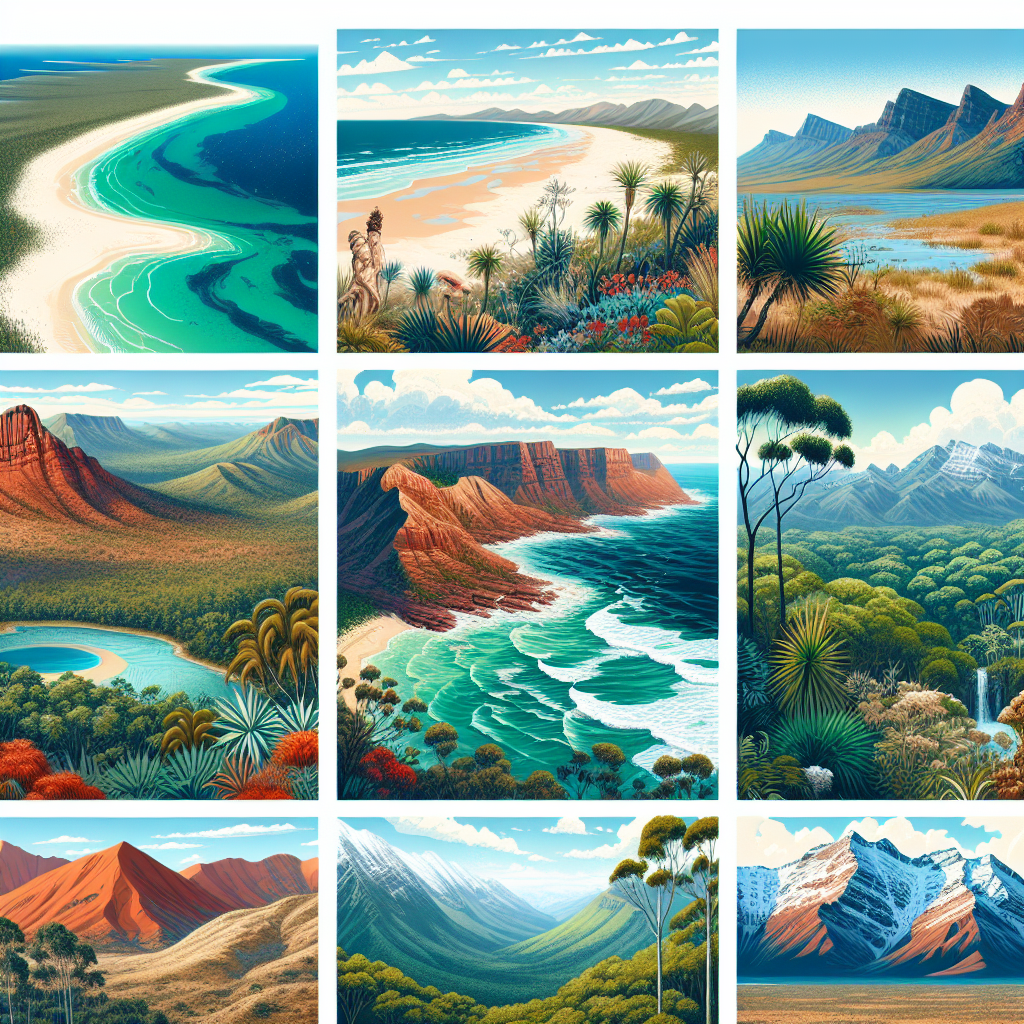

Why Tent Camping Still Rocks (Even in the Age of Glamping)
Let’s be real, amidst all the fancy RVs and glamping pods, tent camping still holds a certain allure, doesn’t it? It’s that primal connection to nature – the crisp air on your face, the crackling campfire, and the simple joy of sleeping under a canopy of stars. It’s not just about saving money (though that’s a definite perk!), it’s about truly experiencing the wilderness. But where do you even start? What do you need? Don’t you worry, we’ve got you covered.
Gear Up: Essential Tent Camping Equipment You Can’t Live Without
Alright, gear. It’s where the fun (and the potential overspending) begins. Think of it as an investment in your happiness – because let’s face it, being cold, wet, or uncomfortable can quickly turn a dream camping trip into a nightmare. So, what are the non-negotiables?
Choosing the Right Tent: Size, Seasonality, and Sanity
The tent: your home away from home. Size matters. Seriously. A “two-person” tent is cozy for two people, meaning two people who are really comfortable being close. My advice? Always size up. A three-person tent for two, a four-person for three… you get the idea.
Seasonality is key, too. A three-season tent is great for spring, summer, and fall. A four-season tent? That’s for serious winter camping – think extra reinforced poles and tough fabrics to handle snow and wind. Also, consider the pole structure – some are easier to set up than others. Trust me, fumbling with confusing poles in the dark after a long drive is not a fun way to start your trip.
Sleeping Soundly: Sleeping Bags, Pads, and the Quest for Comfort
Your sleeping bag is your cocoon of warmth. Temperature ratings matter, but they’re not gospel. If a bag is rated to 20 degrees, that means it’s the survival temperature, not necessarily the comfort temperature. Err on the warmer side, especially if you’re a cold sleeper.
And don’t skimp on the sleeping pad! It’s not just about comfort; it insulates you from the cold ground. Foam pads are budget-friendly and reliable, but inflatable pads are more compact and often more comfortable. Self-inflating pads are a nice middle ground.
Seriously though, take care of your back. You’ll thank yourself later. I’ve made the mistake of toughing it out, and let me tell you, waking up with a backache is NO way to start a day of hiking.
Camp Cooking: From Gourmet to Grub (and Everything In Between)
Food tastes better outdoors. It’s a fact. But unless you’re planning on living off trail mix (no judgement, we’ve all been there), you’ll need some cooking gear.
A portable stove is essential. Propane stoves are easy to use, but white gas stoves perform better in cold weather. A simple pot and pan set, utensils, and biodegradable soap are also must-haves. Dehydrated meals are convenient, but consider bringing some fresh ingredients for a truly satisfying meal. Imagine cooking a hearty stew over the fire on a chilly evening – bliss!
Lighting the Way: Lanterns, Headlamps, and the Magic of Darkness
Don’t underestimate the power of a good light source. A headlamp is essential for hands-free tasks, like setting up your tent or navigating to the outhouse in the middle of the night. A lantern is nice for creating ambient light around the campsite. And of course, nothing beats the glow of a campfire. Just remember to follow all fire safety regulations!
Other Essentials: Don’t Leave Home Without Them
Beyond the big-ticket items, there are a few other essentials you’ll want to pack:
- First-aid kit: Accidents happen. Be prepared.
- Navigation tools: Map, compass, and GPS (and know how to use them!).
- Sun protection: Sunscreen, sunglasses, and a hat.
- Insect repellent: The mosquitoes will thank you (not really).
- Multi-tool or knife: Indispensable for countless tasks.
- Duct tape: Because it fixes everything. Almost.
- Trash bags: Leave no trace!
Honestly, I always feel a little better having duct tape along for the ride. It can literally fix anything, from a ripped tent to a broken hiking boot.
Where to Go: Finding the Perfect Campsite for Your Adventure
Okay, you’re geared up. Now, where to go? The options are endless, really. National parks, state parks, national forests, private campgrounds… the world is your oyster!
National Parks: Majestic Views and Crowds (Sometimes)
National parks are iconic for a reason. They offer stunning scenery and well-maintained facilities. But they can also be crowded, especially during peak season. Reservations are often required, sometimes months in advance. Places like Yosemite, Yellowstone, and Zion are popular for a reason, but don’t underestimate the smaller, lesser-known parks. They often offer a more secluded experience.
State Parks: Hidden Gems and Local Flavors
State parks are often overlooked, but they can be real gems. They’re typically less crowded than national parks and offer a variety of activities, from hiking and fishing to swimming and boating. Plus, they often showcase the unique natural beauty of the state. Bonus: they tend to be more affordable than National Parks.
National Forests: Dispersed Camping and Untamed Wilderness
National forests offer a different kind of camping experience: dispersed camping. This means you can camp for free in designated areas, away from developed campgrounds. It’s a more primitive experience, as there are no amenities like restrooms or water sources. But it’s also a chance to truly immerse yourself in the wilderness. Just be sure to follow all regulations and leave no trace.
Private Campgrounds: Amenities and Activities Galore
Private campgrounds offer a wide range of amenities, from swimming pools and playgrounds to Wi-Fi and laundry facilities. They’re a good option for families with kids or those who prefer a more comfortable camping experience. Some even offer glamping options – yurts, cabins, and even fully equipped RVs.
There’s something to be said for a hot shower and a clean bathroom, right? Especially after a few days in the wilderness.
Setting Up Camp: A Step-by-Step Guide to a Happy Campsite
Alright, you’ve arrived at your campsite. Time to set up shop! A well-organized campsite is a happy campsite. Trust me, a little planning goes a long way in ensuring a smooth and enjoyable trip.
Choosing the Right Spot: Flat Ground, Dry Ground, Happy Camper
Location, location, location! Look for a flat, dry spot for your tent. Avoid areas with rocks, roots, or standing water. Check for overhead hazards, like dead branches that could fall in the wind. And be sure to pitch your tent away from animal trails. You don’t want to be woken up by a curious raccoon in the middle of the night.
Pitching Your Tent: A Test of Patience (and Instructions)
Read the instructions! Seriously. Even if you’ve pitched a tent a hundred times, every tent is different. Lay out the tent body, insert the poles, and attach them to the tent corners. Stake down the tent, making sure it’s taut and secure. Attach the rainfly, if applicable. And finally, double-check that all zippers are closed and everything is secure. Pro-tip: practice setting up your tent in your backyard before you go camping.
Creating a Cozy Campsite: Organizing Your Space
Designate different areas for different activities: a cooking area, a sleeping area, a lounging area. Keep your food stored in animal-proof containers. Hang your food from a tree if bears are a concern. Keep your campsite clean and organized to minimize the risk of attracting unwanted visitors.
A little bit of effort here really pays off later.
Campfire Safety: Respect the Fire, Respect the Forest
Campfires are magical. But they can also be dangerous. Only build a fire in designated fire rings or pits. Clear a 10-foot radius around the fire pit of all flammable materials. Never leave a fire unattended. Keep a bucket of water and a shovel nearby. And before you leave, make sure the fire is completely extinguished – cold to the touch.
Remember, you’re a steward of the land. Help protect it for future generations.
Staying Safe: Wilderness Hazards and How to Handle Them
The wilderness can be unpredictable. It’s important to be aware of potential hazards and know how to handle them. Preparation is key to a safe and enjoyable camping trip.
Wildlife Encounters: Respecting the Locals (From a Distance)
Admire wildlife from a distance. Never feed animals. Store your food properly to avoid attracting them to your campsite. If you encounter a bear, make yourself look big and make noise. Back away slowly. If you encounter other potentially dangerous animals, like snakes or mountain lions, remain calm and give them space.
Weather Woes: Preparing for the Unexpected
Weather can change quickly in the mountains. Check the forecast before you go, and be prepared for all types of weather. Pack rain gear, warm layers, and extra supplies. If a storm rolls in, seek shelter in a sturdy building or your car. Avoid camping near trees or on exposed ridges during thunderstorms.
Lost and Found: Navigation Skills and Staying Put
It’s easy to get disoriented in the woods. Always carry a map, compass, and GPS, and know how to use them. Stay on marked trails. If you do get lost, stay calm and stay put. Signal for help using a whistle or a mirror. If possible, build a shelter and start a fire to stay warm.
Honestly, knowing a little bit about basic wilderness survival can be a real lifesaver.
Leave No Trace: Minimizing Your Impact on the Environment
We all have a responsibility to protect the environment. Leave No Trace principles are a set of guidelines for minimizing your impact on the wilderness. Let’s face it, we want nature nice for a long time, right?
Pack It In, Pack It Out: Taking Responsibility for Your Trash
Pack out everything you pack in. This includes food wrappers, cans, bottles, and even biodegradable items like orange peels. Leave your campsite cleaner than you found it. Participate in trail cleanups to help remove trash left by others.
Minimize Campfire Impacts: Using Stoves and Respecting Fire Restrictions
Use a camp stove for cooking whenever possible. If you do build a campfire, keep it small and contained. Only burn dead and downed wood. Never cut down trees or branches. Follow all fire restrictions. And make sure your fire is completely extinguished before you leave.
Respect Wildlife: Observing From a Distance and Protecting Their Habitat
Observe wildlife from a distance. Never feed animals. Avoid disturbing their habitat. Keep your pets under control. And be aware of any sensitive areas that are closed to the public.
Be Considerate of Other Visitors: Sharing the Wilderness
Be respectful of other campers and hikers. Keep noise levels down. Yield the right-of-way on trails. And be mindful of your impact on the natural environment. We’re all in this together, right?
Level Up Your Camping Game: Tips and Tricks for Seasoned Campers
So, you’ve mastered the basics. Now, let’s take your camping game to the next level! These tips will help you camp smarter, more comfortably, and more sustainably.
DIY Gear: Saving Money and Getting Creative
Camping gear can be expensive. But you can save money by making your own gear. A simple alcohol stove can be made from a soda can. A sleeping bag liner can be sewn from fleece. And a tarp can be used as a shelter. Get creative and see what you can come up with!
Mastering the Art of Camp Cooking: Gourmet Meals in the Great Outdoors
Camp cooking doesn’t have to be limited to hot dogs and marshmallows. With a little planning, you can prepare gourmet meals in the great outdoors. Dutch ovens are great for baking bread, roasting meats, and making stews. A portable grill can be used for grilling burgers, steaks, and vegetables. And a camp coffee maker can help you start your day off right.
I never thought I would make anything other than s’mores on a camping trip, and now I’m whipping up gourmet pizzas under the stars!
Weatherproofing Your Camp: Staying Dry and Warm in Any Condition
Weather can be unpredictable. Be prepared for rain, wind, and cold temperatures. Seal the seams of your tent with seam sealer. Use a ground tarp under your tent to protect it from moisture. Pack extra layers of clothing. And bring a waterproof bag for your electronics and other valuables.
Finding the Perfect Campsite: Off the Beaten Path Adventures
Venture beyond the crowded campgrounds and discover hidden gems. Look for dispersed camping areas in national forests. Explore lesser-known state parks. And seek out secluded backcountry campsites. The more you explore, the more you’ll discover!
The Thrill of it All
Tent camping is more than just a way to save money on lodging. It’s a chance to connect with nature, challenge yourself, and create lasting memories. So, grab your gear, pack your sense of adventure, and get out there and explore! The wilderness is calling! You know what? I think I might go camping this weekend, too.
FAQ: Tent Camping Edition – Your Burning Questions Answered
<div class="faq-question"><b>How do I keep my food safe from animals while camping?</b></div>

<div class="faq-answer">Store food in airtight containers. Consider using bear-resistant canisters in bear country. You can also hang your food from a tree, at least 12 feet off the ground and 6 feet from the trunk. Never leave food unattended, even for a moment!</div>
<div class="faq-question"><b>What are some essential safety tips for tent camping?</b></div>

<div class="faq-answer">Always tell someone your itinerary and when you expect to be back. Carry a first-aid kit and know how to use it. Be aware of weather conditions and potential hazards like wildlife. Never hike alone. Stay hydrated. Use maps and compass and know how to use them.</div>
<div class="faq-question"><b>How do I choose the right size tent for my camping trip?</b></div>

<div class="faq-answer">Always size up! A "two-person" tent is really only comfortable for one person and some gear. Consider a three-person tent for two people, and so on. Think about how much space you need for sleeping, storing gear, and changing clothes.</div>
<div class="faq-question"><b>What is dispersed camping, and is it right for me?</b></div>

<div class="faq-answer">Dispersed camping is camping outside of designated campgrounds, usually in national forests or BLM land. It's free, but there are no amenities like restrooms or water. It's best for experienced campers who are self-sufficient and comfortable with Leave No Trace principles.</div>
<div class="faq-question"><b>How do I make my tent more comfortable for sleeping?</b></div>

<div class="faq-answer">Invest in a good sleeping pad to insulate you from the cold ground. Use a comfortable pillow. Bring earplugs to block out noise. Consider a sleeping bag liner for added warmth and comfort. Make sure your tent is well-ventilated to prevent condensation.</div>
<div class="faq-question"><b>What are some easy camping meals I can prepare at the campsite?</b></div>

<div class="faq-answer">Dehydrated meals are convenient and require minimal cleanup. Foil packet meals are easy to prepare over a campfire. One-pot pastas and stews are simple and satisfying. Don't forget the s'mores!</div>
<script>
// JavaScript to handle FAQ accordion functionality
document.addEventListener('DOMContentLoaded', function() {
const questions = document.querySelectorAll('.faq-question');
questions.forEach(question => {
question.addEventListener('click', function() {
const answer = this.nextElementSibling;
// Close all open answers first
document.querySelectorAll('.faq-answer.show').forEach(openAnswer => {
if (openAnswer !== answer) {
openAnswer.classList.remove('show');
}
});
// Toggle the clicked question's answer
answer.classList.toggle('show');
});
});
});
</script>For more information on responsible camping, visit the Leave No Trace Center for Outdoor Ethics. And to find amazing campsites near you, check out Recreation.gov.
Finally here’s a useful National Park Service link.
DISCLAIMER
Camping and outdoor activities involve inherent risks. This article provides general information and should not be considered a substitute for expert advice or training. Always prioritize safety, be aware of your surroundings, and follow all applicable regulations. The author and publisher are not responsible for any injuries, damages, or losses that may occur as a result of engaging in camping or outdoor activities.
Categories
- Navigation & Safety (68)
- Shelter & Sleep (72)
Top rated products
-
 UNIKOO UK224 Mini Walkie Talkies: Adventure Awaits, Stay Connected! Rated 5.00 out of 5
$49.74Original price was: $49.74.$34.67Current price is: $34.67. -
Nature Bell 185 cm Folding Cot: Comfort On-the-Go Adventure Bed Rated 5.00 out of 5$35.61 – $37.99Price range: $35.61 through $37.99
-
Tactical Mini Flashlight: 150 Lumen Power for Glock & Hellcat Rated 5.00 out of 5
$122.88Original price was: $122.88.$85.65Current price is: $85.65.


Product Gallery
-
 Ultimate 2-3 Person Inflatable Kayak for Fishing Fun Rated 5.00 out of 5
$1,534.01Original price was: $1,534.01.$1,069.16Current price is: $1,069.16. -
VEVOR 550 lb Heavy-Duty Folding Wagon & Bench for Adventurers
$154.27 – $250.78Price range: $154.27 through $250.78
-
Adventure-Ready Ultra Bright LED Headlamp with 3 Modes
$4.62 – $24.86Price range: $4.62 through $24.86






 Camping Gear
 Camping Chair
 Camping Table
 Sleeping Bags
 Camping Bed
 Sleeping Gear
 Storage Bags
 BBQ Portable
 Camping Tents
 Gazebos
 Outdoor Cooler
 Cookware
 Power
Power Camping Light
 Flashlight
 Portable Solar
 Power Banks
 Fish Finders
 Fishing Bags
 Fishing Jerseys
 Fishing Reels
 Fishing Chairs
 Fishing Bait Boat
 Fishing Floats
 Hard Baits
 Hiking Vests
 Outdoor Bags
 Water Filters
 Paracord
 Walkie Talkie
 Paddleboards
 Boats
Boats Sea Scooter
 Accessories
 Electric Bike
 Electric Scooter
Recent Comments