

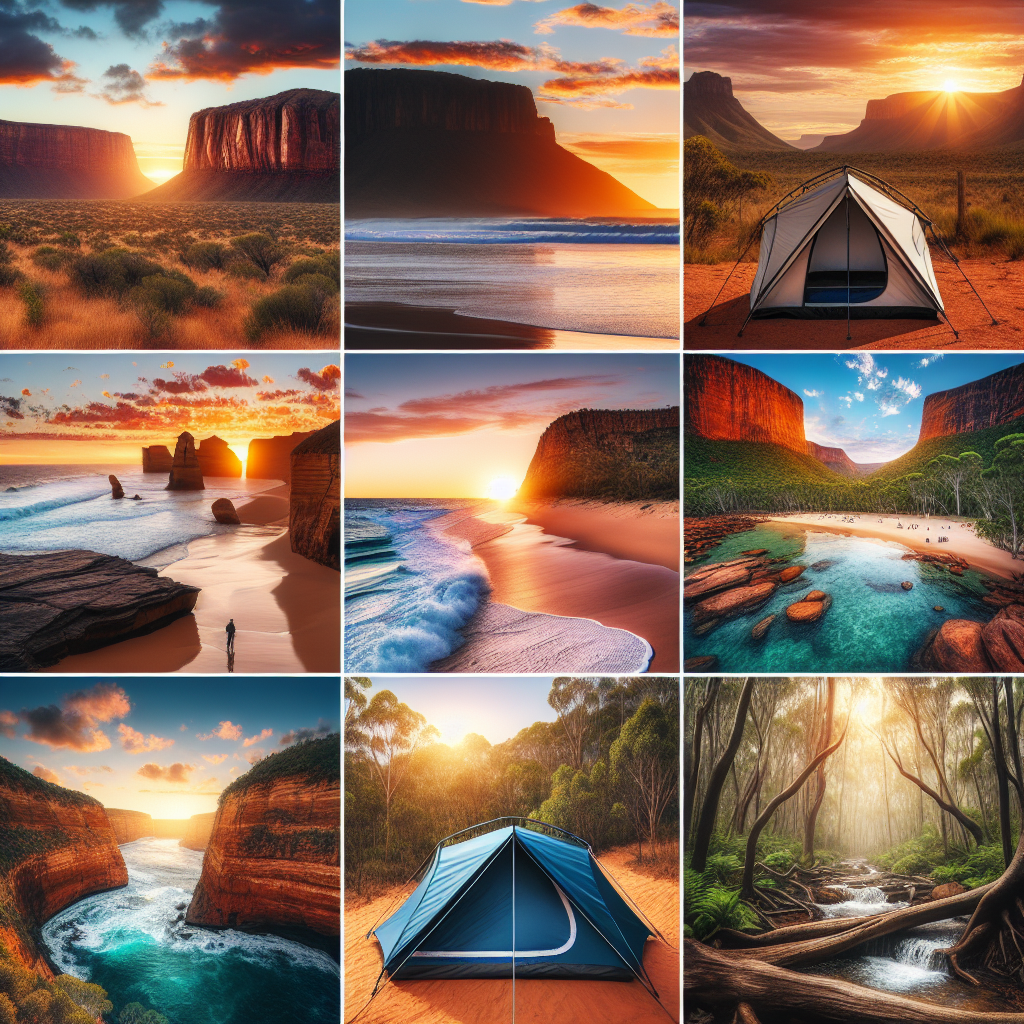
Camp Confidently: The Ultimate Guide to Waterproof Camping Shelters

Let’s face it: nobody likes waking up soaked in a tent. Camping is all about enjoying the great outdoors, but Mother Nature doesn’t always play nice. That’s where a reliable, waterproof camping shelter comes in. We’re not just talking about staying dry; we’re talking about staying comfortable, safe, and actually enjoying your outdoor adventure, come rain or shine. Honestly, a good shelter can make or break your trip.
Why a Waterproof Shelter is Non-Negotiable
Think of your camping shelter as your home away from home. It’s your protection from the elements, especially rain. A good waterproof shelter isn’t just a luxury; it’s a necessity for several reasons:
- Health: Staying dry prevents hypothermia and other cold-related illnesses.
- Comfort: Let’s be real, a soggy sleeping bag is nobody’s idea of fun.
- Safety: In severe weather, your shelter could be your lifeline.
- Enjoyment: When you’re comfortable and dry, you can actually relax and enjoy the experience.
So, are you ready to learn what makes a camping shelter truly waterproof?
Understanding Waterproof Ratings and Materials
Let me explain the techy stuff, but in a way that doesn’t require a degree in material science. When you see terms like “hydrostatic head” or “denier,” what do they really mean for your camping trip?
Decoding Hydrostatic Head
Hydrostatic head is the measure of how much water pressure a fabric can withstand before it starts leaking. It’s measured in millimeters (mm). For example, a rating of 2000mm means the fabric can hold back a column of water 2000mm high before water penetrates. Generally:
- 1000mm – 1500mm: Basic water resistance, suitable for light rain.
- 2000mm – 3000mm: Good waterproofing, ideal for moderate rain.
- 3000mm+: Excellent waterproofing, capable of handling heavy rain and wet conditions.
Now, a higher number doesn’t always mean better. Breathability also matters, which we’ll get to later.
Popular Waterproof Materials
The material of your shelter plays a massive role in its waterproof capabilities. Here are some common ones:
- Polyester: A common and affordable material. It’s lightweight and resists stretching and shrinking. Polyester treated with a waterproof coating (like polyurethane) can be very effective.
- Nylon: Stronger and more abrasion-resistant than polyester, but typically more expensive. Like polyester, it needs a waterproof coating.
- Polyurethane (PU) Coating: A waterproof coating applied to fabrics. It does a decent job of keeping water out but can reduce breathability.
- Silicone Coating (SilNylon/SilPoly): Silicone-coated nylon or polyester is lighter, stronger, and more UV-resistant than PU coatings. It also maintains waterproofness longer.
- Cuban Fiber (Dyneema Composite Fabric): This is some high-end stuff. It’s incredibly lightweight, strong, and waterproof. Expect to pay a premium for it.
Each material has its trade-offs in terms of cost, weight, durability, and waterproofness. Thinking about where you’ll be camping and what kind of weather you’re likely to encounter will help you choose.
Beyond the Fabric: Construction and Design
Alright, so you know about materials. But here’s the thing: even the best fabric can fail you if the shelter isn’t constructed properly. Let’s talk about the often-overlooked aspects of waterproof shelter design.
Seams: The Weakest Link
Seams are where two pieces of fabric are joined together, creating tiny holes. Unless they’re properly sealed, water will seep through. There are a couple of ways to tackle this:
- Taped Seams: Waterproof tape is heat-sealed over the seams to prevent water entry. This is the most common and effective method.
- Welded Seams: Instead of stitching, the fabric is fused together using heat or chemicals. This creates a completely waterproof bond, but it’s less common in camping shelters.
You know what? Always check that the seams are taped, especially in high-stress areas like corners and along zippers. It makes a huge difference.
Zippers: Another Entry Point
Zippers are another potential entry point for water. Look for these features:
- Storm Flaps: Fabric flaps that cover the zipper, deflecting rain.
- Water-Resistant Zippers: Zippers treated with a water-repellent coating. YKK is a popular brand known for quality zippers.
Honestly, sometimes a simple storm flap can make all the difference.
Floor Design: Bathtub vs. Flat
The floor design of your tent matters more than you might think. You’ve got two main options:
- Bathtub Floor: The floor fabric extends up the sides of the tent a few inches, creating a “tub” that prevents water from flowing in. This is the preferred design for wet conditions.
- Flat Floor: The floor is simply a flat piece of fabric. This is lighter and simpler, but offers less protection from ground water.
If you’re camping in an area prone to rain or flooding, a bathtub floor is the way to go.
Breathability: Staying Dry from the Inside Out
Here’s a little secret: waterproofness isn’t the whole story. If your shelter isn’t breathable, you’ll end up soaked in condensation from your own sweat and breath. Staying dry from the inside is just as important.
The Science of Condensation
When warm, moist air inside the tent comes into contact with the cold fabric, condensation forms. It’s like when your bathroom mirror fogs up after a shower. Reducing condensation is key to staying comfortable.
Ventilation is Key
Good ventilation helps to move moist air out of the tent, reducing condensation. Look for shelters with:
- Multiple Vents: High and low vents create airflow.
- Mesh Panels: Mesh windows and doors allow air to circulate while keeping bugs out.
- Double-Walled Construction: This separates the inner breathable tent from the waterproof outer layer (fly).
You know, even opening a vent a little bit can dramatically reduce condensation overnight. It’s worth experimenting to find the right balance.
Breathable Fabrics
Some high-tech fabrics, like those using ePTFE membranes (think Gore-Tex), offer both waterproofness and breathability. These are usually in higher-end shelters.
Here’s the thing: Breathable fabrics aren’t magic. They work best when there’s a temperature difference between the inside and outside of the tent. And they often require more maintenance than coated fabrics.
Choosing the Right Type of Waterproof Shelter
Okay, so we’ve hit the technical bits. Now, what kind of shelter should you actually get? Here’s a breakdown of popular options:
Tents: The Classic Choice
Tents are the most common type of camping shelter for a good reason. They offer a balance of weather protection, space, and portability.
- Dome Tents: Easy to set up and offer good headroom.
- Tunnel Tents: Offer more space for their weight, ideal for backpacking.
- Geodesic Tents: Extremely strong and stable, designed for harsh conditions.
- Instant Tents: Super quick to set up, great for car camping.
Tents are the workhorses of the camping world, and there’s a model for just about every need.
Tarps: Lightweight and Versatile
Tarps are simple, lightweight, and adaptable. They’re a great option for experienced campers who want to minimize weight and maximize flexibility.
- A-Frame Setup: Simple and effective, using two trees or poles.
- Lean-To Setup: Provides wind and rain protection from one direction.
- Pyramid Setup: Offers 360-degree protection with a single pole.
Tarps require some knot-tying skills and a bit of ingenuity, but they’re hard to beat for lightweight adventures.
Bivy Sacks: Minimalist Protection
Bivy sacks are basically waterproof sleeping bag covers. They’re designed for solo adventurers who want the absolute lightest shelter possible.
They’re great for emergency situations or minimalist backpacking trips, but they can feel a bit claustrophobic for extended use. Not really recommended for camping in a rainy area unless you’re absolutely minimalist.
Hammocks with Rainfly: Elevated Comfort
Camping hammocks are becoming increasingly popular, and with a rainfly, they can be a surprisingly effective waterproof shelter.
They get you off the ground, away from mud and insects. But setup can be tricky in areas without trees, and they might not be ideal for cold weather.
Setting Up Your Shelter for Maximum Waterproofing
You know what they say: “Proper preparation prevents poor performance.” That holds true for camping shelters, too. Here’s how to set up your shelter for the best waterproof performance:
Choosing the Right Campsite
Location, location, location! Don’t underestimate the importance of choosing a good campsite.
- Avoid Low-Lying Areas: These are prone to flooding.
- Look for Natural Drainage: A slight slope can help water run away from your tent.
- Shelter from the Wind: Use natural features like trees or rocks to block the wind.
Honestly, a little bit of scouting can save you a lot of grief.
Proper Pitching Technique
Follow the manufacturer’s instructions carefully. A poorly pitched tent is more likely to leak.
- Stake it Down Tight: Use all the guy lines and stakes provided.
- Ensure Proper Tension: The fabric should be taut, but not overstretched.
- Position the Door Away From the Wind: This prevents rain from being blown directly inside.
You know what’s even better? Practice setting up your shelter at home before you head out into the wilderness.
Groundsheets and Footprints
A groundsheet or footprint is a piece of waterproof fabric that goes under your tent. It protects the floor from abrasion and punctures, and adds an extra layer of waterproofing.
You can use a commercially made footprint or a simple sheet of Tyvek. Either way, it’s a good idea, especially on rough terrain.
Maintaining Your Waterproof Shelter
A little maintenance goes a long way in extending the life of your waterproof shelter. Treat it right, and it’ll keep you dry for years to come.
Cleaning and Storage
After each trip, clean your shelter thoroughly and store it properly.
- Wipe it Down: Remove any dirt or debris with a damp cloth.
- Air it Out: Make sure it’s completely dry before storing to prevent mildew.
- Store it Loosely: Avoid folding it tightly along the same lines every time.
Seriously, mold and mildew can destroy a shelter quickly. Take the time to dry it out properly.
Re-Waterproofing Treatments
Over time, the waterproof coating on your shelter can wear off. You can restore it with a re-waterproofing treatment.
- Wash-In Treatments: Add to your washing machine when cleaning the shelter.
- Spray-On Treatments: Apply directly to the fabric.
Nikwax and Gear Aid are two popular brands for re-waterproofing products.
Repairing Tears and Damage
Even with the best care, accidents happen. Keep a repair kit handy for fixing tears and punctures.
- Repair Tape: For quick fixes in the field.
- Seam Sealer: To re-seal damaged seams.
- Needle and Thread: For more extensive repairs.
Honestly, a little bit of duct tape can go a long way in a pinch. But for serious repairs, invest in a proper repair kit.
Real-World Testing and Recommendations
Okay, enough with the theory. Let’s talk about real-world performance. These shelters aren’t just good on paper; they’ve been tested in the field.
The North Face Stormbreak 2
A solid, reliable tent for beginners. It’s easy to set up, has good weather protection, and won’t break the bank. It’s a great choice if you’re getting into camping and want something dependable.
MSR Hubba Hubba NX
A favorite among backpackers. It’s lightweight, spacious, and offers excellent ventilation. It’s pricier, but worth it for serious adventurers. MSR’s official site has all the details, definitely worth checking out.
REI Co-op Half Dome 2 Plus
A popular choice for car camping. It’s roomy, durable, and has plenty of storage. REI makes quality gear that’s built to last.
In the end, the best shelter is the one that fits your needs, budget, and camping style. Do your research, read reviews, and don’t be afraid to ask for advice.
Final Thoughts: Camp Confidently, Stay Dry
So, there you have it – the ultimate guide to waterproof camping shelters. With the right knowledge and gear, you can confidently face any weather and fully enjoy your camping adventures.
Remember, staying dry isn’t just about comfort; it’s about safety and enjoyment. So choose wisely, set up properly, and maintain your shelter to ensure years of happy camping.
Now go out there and explore – and stay dry!
Frequently Asked Questions (FAQ)
+
+
+
+
+
+
+
DISCLAIMER
Camping can be a rewarding experience, but it’s crucial to recognize that outdoor activities involve inherent risks. Weather conditions can change rapidly, and isolated areas may present challenges in the event of an emergency. Before embarking on a camping trip, it is essential to thoroughly research the area, understand anticipated weather conditions, and be aware of any potential hazards such as wildlife or terrain difficulties. Always inform someone of your detailed trip plans, including your route, expected return time, and emergency contacts. Carry appropriate navigation, communication, and first-aid equipment, and ensure you and your companions are trained in their use. Be prepared to adjust your plans as necessary based on conditions and personal capabilities. Prioritize safety, and never exceed your comfort or skill level.
Categories
- Navigation & Safety (68)
- Shelter & Sleep (72)
Top rated products
-
 UNIKOO UK224 Mini Walkie Talkies: Adventure Awaits, Stay Connected! Rated 5.00 out of 5
$49.74Original price was: $49.74.$34.67Current price is: $34.67. -
Nature Bell 185 cm Folding Cot: Comfort On-the-Go Adventure Bed Rated 5.00 out of 5$35.61 – $37.99Price range: $35.61 through $37.99
-
Tactical Mini Flashlight: 150 Lumen Power for Glock & Hellcat Rated 5.00 out of 5
$122.88Original price was: $122.88.$85.65Current price is: $85.65.


Product Gallery
-
 Ultimate 2-3 Person Inflatable Kayak for Fishing Fun Rated 5.00 out of 5
$1,534.01Original price was: $1,534.01.$1,069.16Current price is: $1,069.16. -
VEVOR 550 lb Heavy-Duty Folding Wagon & Bench for Adventurers
$154.27 – $250.78Price range: $154.27 through $250.78
-
Adventure-Ready Ultra Bright LED Headlamp with 3 Modes
$4.62 – $24.86Price range: $4.62 through $24.86













 Camping Gear
 Camping Chair
 Camping Table
 Sleeping Bags
 Camping Bed
 Sleeping Gear
 Storage Bags
 BBQ Portable
 Camping Tents
 Gazebos
 Outdoor Cooler
 Cookware
 Power
Power Camping Light
 Flashlight
 Portable Solar
 Power Banks
 Fish Finders
 Fishing Bags
 Fishing Jerseys
 Fishing Reels
 Fishing Chairs
 Fishing Bait Boat
 Fishing Floats
 Hard Baits
 Hiking Vests
 Outdoor Bags
 Water Filters
 Paracord
 Walkie Talkie
 Paddleboards
 Boats
Boats Sea Scooter
 Accessories
 Electric Bike
 Electric Scooter
Recent Comments