

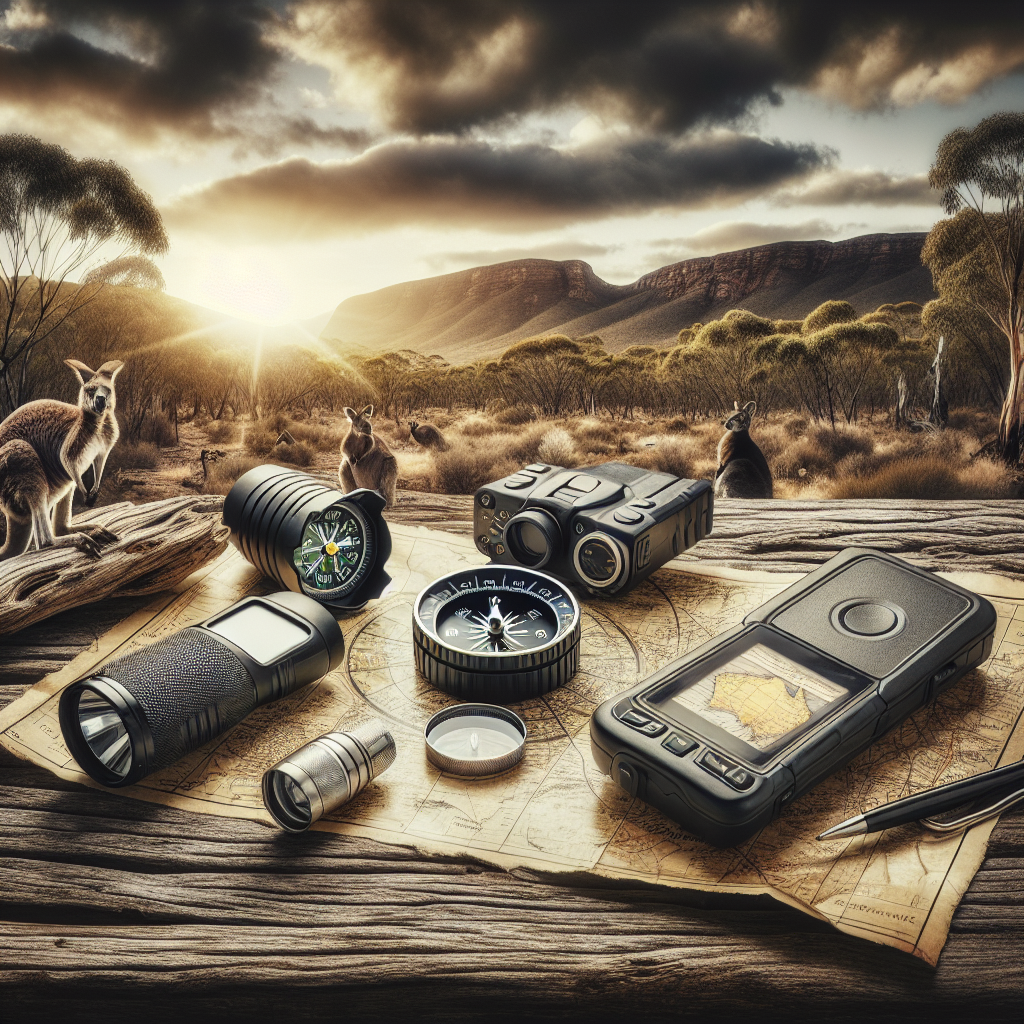
Camping Security: Top GPS Devices to Keep You Safe in the Wilderness

Venturing into the wilderness is an adventure. It’s a chance to disconnect from the digital world and reconnect with nature. But let’s be real – it also comes with inherent risks. Getting lost, encountering unexpected weather, or facing a medical emergency are just a few realities that every camper needs to prepare for. That’s where GPS devices come in. They aren’t just fancy gadgets; they’re essential tools for staying safe, secure, and found if things go sideways. Think of them as your digital breadcrumbs, guiding you back to safety and giving you – and your loved ones – peace of mind.
Why GPS Devices are Non-Negotiable for Wilderness Safety
Alright, let’s get down to brass tacks. Why should you even bother with a GPS device when you’re out camping? Can’t you just rely on a good old map and compass? Well, yes and no. Map and compass skills are absolutely crucial, but they can falter in dense forests, bad weather, or if you’re injured and disoriented. A GPS device adds a layer of robustness, offering real-time location, digital mapping, and the ability to send for help even when cell service is a distant memory. It’s about equipping yourself with every advantage possible. Think of it as redundancy, like having both a belt and suspenders – you’re extra secure no matter what happens.
- Real-time Tracking: Know exactly where you are, all the time.
- Digital Mapping: Access detailed maps without relying on paper.
- Emergency SOS: Send for help with the press of a button.
- Navigation: Create and follow routes, even in challenging terrain.
- Peace of Mind: Knowing you can call for help if needed is priceless.
Key Features to Look for in a Camping GPS Device
Okay, so you’re convinced you need a GPS device, but where do you start? It’s not like picking out a new pair of hiking boots. There’s a whole different language with these things – waypoints, geocaching, GLONASS! Don’t worry, I’ll break it down. Here are the key features you absolutely need to consider before making a purchase:
- Satellite Connectivity: This is the big one. Look for devices that use multiple satellite networks (like GPS, GLONASS, Galileo) for better accuracy and reliability, especially in areas with dense tree cover or deep canyons.
- Battery Life: How long will the device last on a single charge? Consider how long your trips will be and whether you’ll have opportunities to recharge. A longer battery life is always better.
- Durability: Camping gear takes a beating. Make sure the GPS device is waterproof, shockproof, and can handle extreme temperatures.
- Display: Can you easily read the screen in bright sunlight? Is it large enough to see critical information at a glance? A clear, readable display is essential for ease of use.
- Mapping Capabilities: Does the device come with preloaded maps? Can you download additional maps for specific regions? The more detailed the mapping, the better.
- SOS and Communication Features: Does the device have the ability to send an SOS signal to emergency services? Can you send and receive messages via satellite? These features can be life-savers.
Top GPS Devices for Camping Security: Our Recommendations
Alright, let’s get to the good stuff. I’ve sifted through countless reviews, tested devices in the field, and talked to other experienced campers to compile this list of top GPS devices. These aren’t just gadgets; they’re reliable tools that can keep you safe in the wilderness. Here are a few of my top picks:
Garmin inReach Mini 2
The Garmin inReach Mini 2 is a powerhouse in a tiny package. It’s compact, lightweight, and packed with features that make it ideal for backcountry adventures. The key selling point? Its two-way satellite communication. You can send and receive messages, share your location with loved ones, and trigger an interactive SOS if you’re in trouble. It connects to the Iridium satellite network, which offers global coverage. Plus, it has a long battery life (up to 14 days in tracking mode) and is built to withstand the elements. Think of it as a satellite-powered lifeline that fits in your pocket.
Garmin GPSMAP 66i
The Garmin GPSMAP 66i takes things up a notch with a larger screen, preloaded topographic maps, and built-in sensors like an altimeter, barometer, and compass. Like the inReach Mini 2, it also offers two-way satellite communication and SOS capabilities via the Iridium network. The bigger screen makes it easier to read maps and messages, and the preloaded maps are a major convenience. It’s the kind of device you want when you’re navigating complex terrain and need all the information you can get. It’s a bit bulkier than the Mini 2, but the added features are worth it for serious adventurers.
SPOT X Satellite Messenger
The SPOT X is another solid contender in the satellite communication space. It offers two-way messaging, SOS capabilities, and location sharing, all powered by the Globalstar satellite network. What sets it apart is its user-friendly interface and affordable price point. It’s a great option if you want the peace of mind of satellite communication without breaking the bank. While the Globalstar network doesn’t have quite the same global coverage as Iridium, it’s still reliable in most popular camping areas. Think of it as the budget-friendly option that doesn’t skimp on essential safety features.
Bad Elf Flex
Looking for an innovative edge with future growth in mind? The Bad Elf Flex stands out with its versatile modularity, enabling users to transition fluidly between roles with ease. This precision is reflected in every recorded data point, all while being easily accessible in the cloud. Designed for rugged environments, it can take a beating without losing its precise edge. You can also save on data plans, and use it only when needed.
Understanding Satellite Communication Networks: Iridium vs. Globalstar
So, you’ve heard me mention Iridium and Globalstar. But what’s the deal with these satellite networks, and why should you care? Let me explain. These networks are the backbone of satellite communication devices, providing the infrastructure that allows you to send messages and SOS signals from remote areas. The main difference lies in their coverage and reliability.
- Iridium: This network boasts true global coverage. It uses a constellation of 66 active satellites to provide communication services anywhere on Earth, including the poles. This makes it the most reliable option for adventurers who travel to remote and far-flung destinations.
- Globalstar: While Globalstar doesn’t offer true global coverage, it still provides reliable service in most populated areas and popular outdoor recreation spots. It uses a network of 24 satellites, but coverage can be spotty in certain regions, particularly in remote areas of the Southern Hemisphere.
Choosing between Iridium and Globalstar depends on where you plan to use your GPS device. If you’re sticking to well-traveled areas, Globalstar may be sufficient. But if you’re venturing into the truly remote corners of the world, Iridium is the safer bet.
Beyond the Device: Essential Camping Security Practices
Here’s the thing: a GPS device is just one piece of the puzzle. It’s a tool, not a magic wand. Relying solely on technology without practicing essential camping security habits is like having a fancy car but never learning how to drive. To stay safe in the wilderness, you need a holistic approach that combines technology with skills, knowledge, and common sense. Here are some essential practices to keep in mind:
- Plan Your Route: Before you head out, research your route thoroughly. Study maps, check weather forecasts, and be aware of potential hazards. Share your itinerary with someone you trust and let them know when you expect to be back.
- Master Navigation Skills: Don’t rely solely on your GPS device. Learn how to use a map and compass, and practice your orienteering skills. Batteries can die, and devices can fail. Knowing how to navigate the old-fashioned way is a crucial backup.
- Pack a Well-Stocked Emergency Kit: Include essentials like a first-aid kit, extra food and water, a fire starter, a knife, a whistle, and a signaling mirror. These items can be lifesavers in an emergency.
- Be Aware of Your Surroundings: Pay attention to the terrain, weather conditions, and wildlife activity. Stay vigilant and be prepared to adjust your plans if necessary.
- Practice Leave No Trace Principles: Minimize your impact on the environment by packing out everything you pack in, staying on designated trails, and respecting wildlife.
Training and Education: Leveling Up Your Wilderness Skills
Want to take your camping security to the next level? Consider investing in some formal training and education. There are countless courses and workshops available that can teach you essential wilderness skills, from basic first aid to advanced survival techniques. Here are a few options to consider:
- Wilderness First Aid (WFA): This course teaches you how to respond to medical emergencies in remote settings. You’ll learn how to assess injuries, treat common ailments, and stabilize patients for evacuation.
- Wilderness First Responder (WFR): This is a more advanced course that provides in-depth training in wilderness medicine. It’s designed for outdoor professionals and anyone who spends a significant amount of time in the backcountry.
- Survival Skills Courses: These courses teach you how to survive in the wilderness with minimal gear. You’ll learn how to build shelters, find water, start fires, and forage for food.
- Navigation Courses: Learn how to navigate using a map and compass, as well as how to use a GPS device effectively. These courses can help you build confidence and reduce your risk of getting lost.
Investing in training and education is an investment in your safety and well-being. It’s a way to build your confidence, expand your knowledge, and become a more capable and responsible backcountry traveler.
GPS Apps: A Viable Alternative?
In this digital age, smartphone GPS apps are increasingly popular among hikers and campers, you know? But are they a reliable alternative to dedicated GPS devices when it comes to camping security? Well, it’s a mixed bag. On one hand, they offer convenience and affordability. You probably already have a smartphone, and many GPS apps are free or relatively inexpensive. They often come with detailed maps, route planning tools, and the ability to track your progress. Plus, they can do things like identify plants and animals, and provide augmented reality views of the surrounding landscape.
On the other hand, smartphones have several limitations that make them less suitable for serious backcountry use. Battery life is a major concern. GPS apps drain batteries quickly, and you may not have the opportunity to recharge in the wilderness. Durability is another issue. Smartphones are not designed to withstand the rigors of outdoor use. They’re vulnerable to water damage, impacts, and extreme temperatures. And perhaps most importantly, smartphones rely on cellular service for many of their features, which is often unavailable in remote areas. If you’re going with a smartphone app, I suggest using a product like Gaia.
So, can you rely on a GPS app for camping security? It depends on your specific needs and the type of trips you’re taking. For short, well-traveled hikes with good cell service, a GPS app may be sufficient. But for longer, more remote adventures, a dedicated GPS device is still the safer and more reliable option.
Powering Up: Battery and Power Solutions for Your GPS
Speaking of batteries, let’s talk about power. Keeping your GPS device powered up is crucial for maintaining its functionality and ensuring you can use it when you need it most. Here are some tips for maximizing battery life and keeping your device charged in the wilderness:
- Turn Off Unnecessary Features: Disable Bluetooth, Wi-Fi, and other features that drain battery power when they’re not in use.
- Reduce Screen Brightness: Lowering the screen brightness can significantly extend battery life.
- Use Battery Saver Mode: Many GPS devices have a battery saver mode that optimizes energy consumption.
- Carry Extra Batteries: Bring spare batteries for your GPS device, and keep them stored in a waterproof bag.
- Use a Portable Power Bank: A portable power bank can be used to recharge your GPS device (and your smartphone) on the go.
- Consider a Solar Charger: A solar charger can be used to recharge your devices using the power of the sun. This is a great option for longer trips where you won’t have access to electricity.
Maintaining Camp Security: A Holistic Approach
Okay, so we’ve talked a lot about GPS devices and navigation. But camping security is about more than just avoiding getting lost. Think about securing your campsite from unexpected hazards. Here are some tips for maintaining camp security and staying safe from other potential threats:
- Choose Your Campsite Wisely: Select a campsite that is away from hazards like dead trees, steep slopes, and water sources that could flood.
- Set Up a Perimeter: Create a perimeter around your campsite Using tripwires made of cord or monofilament line that are attached to noisemakers like bells or old tin cans.
- Store Food Properly: Store food in airtight containers and hang it from a tree branch at least 10 feet off the ground and 4 feet away from the trunk. This will help prevent attracting animals.
- Be Aware of Wildlife: Learn about the wildlife in the area and take precautions to avoid encounters. Store food and trash properly, and never approach or feed wild animals.
- Keep a Fire Extinguisher Handy: Have a fire extinguisher or a bucket of water nearby in case of a fire.
- Be Prepared for Weather Changes: Monitor the weather forecast and be prepared to adjust your plans if necessary. Have a plan for dealing with severe weather, such as high winds, heavy rain, or lightning.
- Communicate with Others: If you’re camping with a group, establish a communication plan and check in with each other regularly.
The Human Element: Mental Preparedness and Decision-Making
Ultimately, the most important aspect of camping security is the human element: your mental preparedness and decision-making skills. No GPS device or fancy gadget can replace sound judgment, common sense, and the ability to stay calm under pressure. Here are some tips for cultivating mental resilience and making smart decisions in the wilderness:
- Practice Mindfulness: Pay attention to your surroundings and be aware of your thoughts and feelings. This can help you stay grounded and make better decisions.
- Manage Stress: Learn techniques for managing stress, such as deep breathing, meditation, or visualization.
- Trust Your Intuition: If something doesn’t feel right, trust your gut. Don’t be afraid to turn back or change your plans.
- Learn from Your Mistakes: Everyone makes mistakes. The key is to learn from them and use them as opportunities for growth.
- Be Humble: Recognize that you don’t know everything, and be willing to ask for help when you need it.
Camping in the wilderness is an incredible experience, but it requires careful planning, preparation, and a commitment to safety. By investing in the right GPS device, mastering essential navigation skills, and cultivating mental resilience, you can minimize your risks and enjoy a safe and rewarding adventure. So get out there, explore the great outdoors, and create some memories that will last a lifetime, you know?
FAQ: Your Camping GPS Questions Answered
DISCLAIMER
Please note that while this article provides information on camping security and GPS devices, it’s essential to exercise personal judgment and take responsibility for your safety in the wilderness. Outdoor activities carry inherent risks, and no device or information can guarantee your safety. Always research your destination, plan your route carefully, and inform someone of your itinerary before heading out. Consult with experienced outdoor professionals for personalized guidance and training. The author and publisher are not responsible for any accidents, injuries, or losses that may occur as a result of using the information in this article.
Remember to check the latest guidelines and regulations from local authorities or park services, and ensure you have all necessary permits.
Categories
- Navigation & Safety (68)
- Shelter & Sleep (72)
Top rated products
-
 Effortless Power: 20 W Solar Charger for Blink Outdoor Cameras Rated 5.00 out of 5
$45.66Original price was: $45.66.$31.82Current price is: $31.82. -
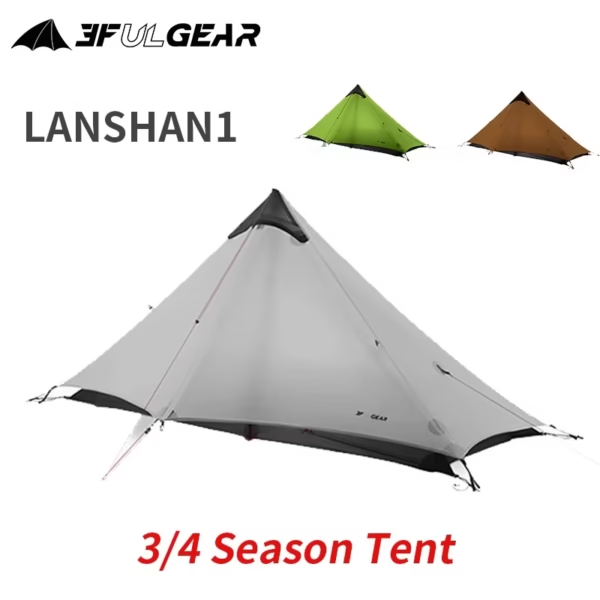
Ultralight 3 F UL GEAR Lan Shan 1 Tent for Solo Adventures Rated 5.00 out of 5
$359.23Original price was: $359.23.$250.38Current price is: $250.38. -
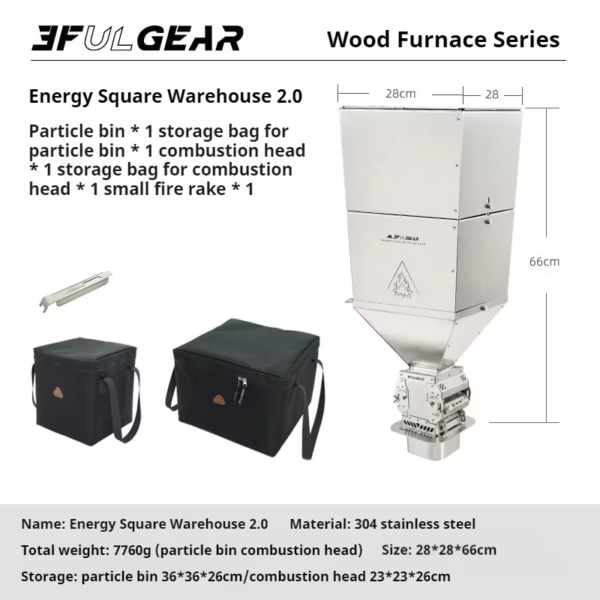
Ultimate 3 F UL GEAR 2.0 Stainless Steel Pellet Fuel Hopper Rated 5.00 out of 5
$555.43Original price was: $555.43.$387.12Current price is: $387.12.



Product Gallery
-
 Ultimate 2-3 Person Inflatable Kayak for Fishing Fun Rated 5.00 out of 5
$1,551.37Original price was: $1,551.37.$1,081.26Current price is: $1,081.26. -
VEVOR 550 lb Heavy-Duty Folding Wagon & Bench for Adventurers
$156.01 – $253.61Price range: $156.01 through $253.61
-
Adventure-Ready Ultra Bright LED Headlamp with 3 Modes
$4.67 – $25.14Price range: $4.67 through $25.14








 Camping Gear
 Camping Chair
 Camping Table
 Sleeping Bags
 Camping Bed
 Sleeping Gear
 Storage Bags
 BBQ Portable
 Camping Tents
 Gazebos
 Outdoor Cooler
 Cookware
 Power
Power Camping Light
 Flashlight
 Portable Solar
 Power Banks
 Fish Finders
 Fishing Bags
 Fishing Jerseys
 Fishing Reels
 Fishing Chairs
 Fishing Bait Boat
 Fishing Floats
 Hard Baits
 Hiking Vests
 Outdoor Bags
 Water Filters
 Paracord
 Walkie Talkie
 Paddleboards
 Boats
Boats Sea Scooter
 Accessories
 Electric Bike
 Electric Scooter
Recent Comments