


Choosing the Perfect Waterproof Camping Shelter: Your Ultimate Guide

So, you’re planning a camping trip? Awesome! But before you start dreaming of s’mores and starlit skies, let’s talk about something crucial: staying dry. Nothing ruins a camping trip faster than waking up in a soggy sleeping bag. That’s why picking the right waterproof camping shelter is an absolute must. This isn’t just about comfort; it’s about safety, too. Hypothermia is a real risk in the outdoors, even when temperatures aren’t freezing. Let’s get into what makes waterPROOF and water-RESISTANT different; then wade through the options to find the perfect haven for your next adventure.
Understanding Waterproof Ratings: What Do Those Numbers Even Mean?
Okay, so you see these numbers plastered all over tent descriptions – 1000mm, 2000mm, 5000mm, what gives, right? Let me explain. This “mm” refers to millimeters, and it’s a measurement of how much water pressure a fabric can withstand before it starts to leak. Think of it like this: a tube is placed over the fabric, and water is poured in. The “mm” number indicates the height of the water column (in millimeters) when the water starts seeping through. Obvious conclusion, bigger number, better protection.
Generally, a rating of 1000mm is considered the bare minimum for decent water resistance, good for light rain. 1500mm-3000mm is a solid choice for most camping conditions. If you’re expecting heavy downpours or camping in consistently wet environments? You’ll want to shoot for 5000mm or higher. Trust me, there’s little more demoralizing than realizing your “waterproof” tent has failed two hours into a three-day storm.
Waterproof vs. Water-Resistant: Know the Difference, or Regret It!
This is where things can get a little confusing. “Waterproof” and “water-resistant” are not the same thing. Water-resistant means the fabric can repel water to some degree, but it’s not impenetrable. Think of a raincoat that works fine in a drizzle but soaks through in a downpour. “Waterproof,” on the other hand, implies a much higher level of protection. The fabric is treated or coated to completely block water from passing through. But even “waterproof” materials can fail if seams aren’t sealed or if there’s excessive wear and tear. Honestly, even the language used here can be a bit misleading — so understanding the ratings we mentioned can give you a better sense.
Now, let’s talk practicality. A water-resistant tent might be fine for a weekend trip in dry conditions with a slight chance of rain. But if you’re planning a multi-day trek where rain is likely, or camping in a notoriously wet area (like the Pacific Northwest in fall – you know what I’m talking about!), you absolutely need a fully waterproof tent. Don’t skimp on this – your comfort and safety depend on it.
Types of Waterproof Camping Shelters: From Backpacking Tents to Family Glamping
Alright, so you know you need a shelter that keeps the rain out. But what kind should you get? Here’s a breakdown of the most common types:
- Backpacking Tents: Lightweight and compact, designed for solo adventurers or small groups who need to carry them long distances. Backpacking tents prioritize portability and weather protection. Often, they are designed to shed wind and snow well, not just rain.
- Dome Tents: A classic design, easy to set up, and relatively affordable. Dome tents are generally freestanding, which means they can stand on their own without needing to be staked down. This is handy when you’re camping on hard ground.
- Tunnel Tents: These tents offer great space-to-weight ratio and are excellent in windy conditions. However, they usually require staking out to stay upright. If you are planning on camping somewhere that has soft ground, this will be easy! But, if you are planning on settling at the top of a mountain side or somewhere super rocky, this might be challenge.
- Cabin Tents: Spacious and comfortable, ideal for families or groups who want a more “homey” feel. Cabin tents often have near-vertical walls, providing ample headroom. Imagine, getting ready in the morning and being able to stand up straight to put on pants… the dream, right?
- Pop-Up Tents: Super easy to set up (they literally “pop up”), but usually less durable and less waterproof than other types. Great for festivals or car camping when you’re not expecting serious weather.
- Tarp Shelters: A minimalist option for experienced campers. Tarps are versatile and lightweight but require skill and practice to set up properly for waterproof protection. You usually combine them with trekking poles or trees to create a shelter. These are great if you’re aiming for maxiumum portability and freedom.
Each type has its pros and cons, so consider your specific needs and camping style when making your choice. Are you trekking through the mountains, or setting up a basecamp in a campground? Are you going solo, or bringing the whole family? These questions will help narrow down your options.
Key Features to Look For in a Waterproof Tent: Beyond the Basics
Alright, let’s get into the nitty-gritty. Beyond the waterproof rating and tent type, here are some key features that contribute to a truly waterproof camping experience:
- Sealed Seams: This is non-negotiable. Seams are the weakest point in any tent, and if they’re not properly sealed, water will seep through. Look for tents with factory-taped or heat-sealed seams. You can also buy seam sealer and do it yourself, but factory-sealed seams are generally more reliable.
- Waterproof Floor: A bathtub floor (where the floor material extends up the sides of the tent a few inches) is a great feature to prevent water from splashing up and in. Also, check the floor’s waterproof rating – it should be as high as, or higher than, the tent body’s rating.
- Rainfly Coverage: The rainfly is the outer layer of the tent that provides the primary waterproof protection. Make sure it fully covers the tent body, including the doors and windows. Some rainflies only cover the top of the tent, which is fine for light rain but won’t cut it in a downpour.
- Waterproof Zippers: These zippers are designed to keep water out, even when closed. Look for zippers with storm flaps that cover them, providing an extra layer of protection.
- Ventilation: A waterproof tent can quickly become a sauna if it doesn’t have adequate ventilation. Look for vents in the roof or walls that allow air to circulate and reduce condensation. Condensation is water, too!
- Durable Materials: The quality of the fabric matters. Look for tents made from durable materials like ripstop nylon or polyester with a waterproof coating (like polyurethane or silicone). Think about wear and tear and what kind of environment you regularly camp in.
You know what? All these features work together to create a waterproof system. Neglecting even one aspect can compromise the entire setup.
Materials Matter: Choosing the Right Fabrics and Coatings
Okay, let’s nerd out about fabrics for a minute. The materials used in your tent play a huge role in its waterproofness, durability, and weight. Here’s a quick rundown:
- Polyester: A common and relatively affordable option. Polyester is water-resistant, UV-resistant, and doesn’t stretch much when wet. However, it’s not as strong or lightweight as nylon.
- Nylon: Stronger and lighter than polyester, but it can stretch when wet. Ripstop nylon is a popular choice because it’s more resistant to tears.
- Polyurethane (PU) Coating: A common waterproof coating applied to tent fabrics. PU coatings are durable and relatively inexpensive.
- Silicone Coating: Lighter and more durable than PU coatings, but also more expensive. Silicone-coated fabrics are highly water-resistant and UV-resistant.
- Polyethylene (PE): A waterproof material commonly used for tent floors. PE is inexpensive and durable, but it’s also heavy and not very packable.
When choosing a tent, consider the trade-offs between weight, durability, and cost. For backpacking, you’ll likely want to prioritize lightweight materials like nylon with a silicone coating. For car camping, you can afford to go with heavier, more durable options like polyester with a PU coating. Consider the budget too, of course.
Setting Up Your Tent for Maximum Waterproofing: Pro Tips and Tricks
So, you’ve got your fancy new waterproof tent. Great! But simply unpacking it and throwing it on the ground isn’t enough. Proper setup is crucial for maximizing its waterproof performance. Here are some pro tips:
- Choose Your Campsite Wisely: Avoid low-lying areas where water can pool. Look for a high, flat spot with good drainage. Seriously — scope it out. Before you even take your tent out of the go-bag, examine the general ground in question.
- Use a Footprint: A footprint (also called a groundsheet) is a piece of fabric that goes under your tent to protect the floor from abrasion and punctures. It also adds an extra layer of waterproof protection. You can buy a footprint specifically designed for your tent model, or use a generic tarp cut to size.
- Stake It Down Properly: Use all the guylines and stakes that come with your tent. Guylines help to tension the tent fabric, improving its stability in wind and rain. Make sure the stakes are securely anchored in the ground. This is something I’ve really learned to prioritize… so many campers just leave the tent sort of flapping, and then they get sad when the wind picks up and the tent gets battered.
- Seal the Seams (If Needed): Even with factory-sealed seams, it’s a good idea to apply seam sealer to any areas that look questionable, or to reinforce the seams after heavy use.
- Ventilate: Open the vents to reduce condensation. If it’s raining, you can still open the vents partially to allow some airflow without letting in too much water.
- Keep it Clean: Dirt and debris can damage the waterproof coating and reduce its effectiveness. Brush off your tent before packing it up, and store it in a dry place.
Seriously, taking the time to set up your tent properly can mean the difference between a comfortable, dry night and a miserable, soggy one. It’s just part of being prepared to face the wilderness!
Maintaining Your Waterproof Tent: Keeping It in Tip-Top Shape
Okay, so you want your waterproof tent to last for years, right? Proper maintenance is key. Here’s how to keep it in tip-top shape:
- Clean It Regularly: After each trip, clean your tent with a mild soap and water solution. Avoid harsh detergents or bleach, which can damage the waterproof coating. You can also use a tent-specific cleaner.
- Dry It Thoroughly: Never store your tent when it’s wet. Hang it up to dry completely before packing it away. Mold and mildew can quickly ruin a tent.
- Store It Properly: Store your tent in a cool, dry place away from direct sunlight. Avoid storing it in a stuff sack for extended periods, as this can compress the fabric and damage the waterproof coating. Instead, store it loosely in a large storage bag or bin.
- Re-Waterproof as Needed: Over time, the waterproof coating on your tent can wear off. You can re-waterproof it by applying a tent-specific waterproof spray or sealant. Follow the manufacturer’s instructions carefully.
- Repair Tears and Damage: Repair any tears or damage as soon as possible. Use a tent repair kit or take it to a professional repair shop. Small tears can quickly become big problems if left unattended.
Think of your tent like a car – it needs regular maintenance to stay in good working condition. A little bit of care can go a long way in extending its lifespan.
Dealing with Condensation: When the Problem Isn’t Rain
Alright, let’s talk about the sneaky enemy: condensation. Even in a fully waterproof tent, you can still wake up with dampness inside. That’s because condensation forms when warm, moist air inside the tent comes into contact with the cold tent walls. It’s especially common in humid conditions or when camping near water.
Here’s how to deal with condensation:
- Ventilate: Open the vents to allow air to circulate. Even a small amount of ventilation can make a big difference.
- Choose a Breathable Tent: Tents made from breathable fabrics (like nylon with a silicone coating) are less prone to condensation than those made from non-breathable materials (like polyester with a PU coating).
- Avoid Touching the Tent Walls: When you touch the tent walls, you transfer moisture from your body to the fabric, which can exacerbate condensation.
- Wipe Down the Walls: If condensation does form, wipe down the tent walls with a towel or sponge in the morning. This will help to prevent mold and mildew.
- Use a Tent Fan: A small battery-powered fan can help to circulate the air and reduce condensation.
Condensation is often mistaken for a leaking tent, but it’s a completely different issue. By taking steps to reduce condensation, you can stay much drier and more comfortable inside your tent.
Waterproof Tent Alternatives: Tarps, Hammocks, and More
While tents are the most common type of camping shelter, they’re not the only option. Here are some waterproof tent alternatives to consider:
- Tarps: Versatile and lightweight, tarps can be set up in a variety of configurations to provide waterproof protection. They require some skill and practice to set up properly, but they’re a great option for experienced campers who want to minimize weight and bulk.
- Hammocks with Rainfly: Hammock camping is becoming increasingly popular. A hammock with a rainfly provides comfortable, off-the-ground sleeping and excellent waterproof protection.
- Bivy Sacks: A bivy sack is a lightweight, waterproof shelter that fits snugly around your sleeping bag. It’s a minimalist option for solo adventurers who want to travel light and fast.
- Waterproof Shelters: There are many kinds of waterproof shelters on the market. For example, dome structures and tent-hammock hybrids. You can find more unique options on sites like Kickstarter.
Each of these alternatives has its pros and cons, so think about your specific needs and camping style before making a choice. If you’re a minimalist backpacker, a tarp or bivy sack might be a good option. If you prefer comfort and convenience, a hammock with a rainfly might be a better choice.
When Waterproofing Fails: What to Do in a Downpour
Okay, let’s face it: sometimes, even the best-laid plans go awry. You’ve got your waterproof tent, you set it up perfectly, but then… the heavens open, and your tent starts to leak. What do you do?
Here’s a survival guide for when your waterproof tent fails:
- Stay Calm: Panicking won’t help. Take a deep breath and assess the situation.
- Identify the Leak: Try to pinpoint where the water is coming in. Is it a seam, a tear, or condensation?
- Move Your Gear: Move your sleeping bag, clothes, and other gear away from the leak. Place them in waterproof bags if possible.
- Use a Tarp: If you have a tarp, drape it over the affected area to provide extra waterproof protection.
- Find a Dry Spot: If possible, move to a dry spot inside the tent. Even a small area of dryness can make a big difference in your comfort.
- Wait It Out: If the rain is heavy, there’s not much you can do except wait it out. Try to stay warm and dry, and avoid touching the tent walls.
- Consider Evacuating: If the leak is severe and you’re at risk of hypothermia, consider evacuating to a safer location (like a car, a cabin, or a town).
Honestly, a little bit of preparation and a positive attitude can go a long way in a sticky situation. Remember, camping is all about embracing the unexpected, even when it involves getting a little wet.
Top Waterproof Tent Recommendations: Our Expert Picks
Alright, so you’re ready to buy a waterproof tent. But with so many options on the market, it can be tough to know where to start. Here are some of our expert picks, based on different needs and budgets:
- Best Backpacking Tent: Big Agnes Copper Spur HV UL2 – Lightweight, spacious, and highly waterproof. You can depend on it for long hikes and all types of weather.
- Best Dome Tent: Marmot Tungsten 3P – Easy to set up, durable, and excellent value for the money. It’s known and liked by campers of most skill levels.
- Best Family Tent: Eureka Copper Canyon LX 6 – Spacious, comfortable, and with near-vertical walls for ample headroom. If you camp with children especially, or simply can’t stand feeling crammed in, this big tent is a great choice.
- Best Budget Tent: Coleman Sundome 2-Person Tent – Affordable, easy to set up, and surprisingly waterproof for the price. The name of this tent speaks for itself — a nice option for sunny getaways!
Check reviews and compare prices before making a final decision. And remember, the “best” tent for you depends on your specific needs and camping style. Do a little bit of research to find the right match.
Before You Buy: Questions to Ask Yourself
Okay, before you click that “buy” button, take a moment to ask yourself these questions:
- Where will I be camping? The climate and terrain of your camping destinations will influence your choice of tent.
- What time of year will I be camping? Different seasons bring different weather conditions, so choose a tent that’s appropriate for the time of year.
- How many people will be sleeping in the tent? Choose a tent that’s appropriately sized for your group.
- How important is weight? If you’re backpacking, weight is a critical factor. If you’re car camping, you can afford to go with a heavier tent.
- What’s my budget? Tents range in price from a few hundred dollars to several thousand, so set a budget before you start shopping.
- What other weather conditions besides rain am I preparing for? Is it known to be windy or snowy in the area?
Answering these questions will help you narrow down your options and choose a tent that’s perfect for your needs. Camping is an activity where your preparation really decides how good of a time you are going to have, so it’s worth asking — and answering — as many questions as possible before your trip.
Final Thoughts: Embrace the Adventure (and Stay Dry!)
Choosing the right waterproof camping shelter is an investment in your comfort and safety. By understanding waterproof ratings, key features, materials, and setup techniques, you can find a tent that will keep you dry and protected, no matter what the weather throws your way. So, pack your bags, grab your gear, and get ready to embrace the adventure – knowing that you’ll have a cozy, dry haven waiting for you at the end of the day.
Let’s be real: camping is an experience in self-reliance, a celebration of the natural world, and an opportunity to prove our ability to handle — and even thrive in — unique challenges. And the right preparation goes a long way!
FAQ Section
DISCLAIMER
Please note: This guide is intended for informational purposes only and should not be considered a substitute for professional advice. Camping and outdoor activities can be inherently dangerous, and it is essential to prioritize your safety and take appropriate precautions. Always check weather conditions before embarking on a camping trip, and be prepared for changing conditions. Ensure that you have the necessary skills, knowledge, and equipment for the activities you plan to undertake. The author and publisher of this guide are not responsible for any injuries, damages, or losses that may occur as a result of using the information provided in this guide.
Here are a couple of useful external links:
- The American Camping Association: https://www.acacamps.org/
- Leave No Trace Center for Outdoor Ethics: https://lnt.org/
Categories
- Navigation & Safety (68)
- Shelter & Sleep (72)
Top rated products
-
 Effortless Power: 20 W Solar Charger for Blink Outdoor Cameras Rated 5.00 out of 5
$45.69Original price was: $45.69.$31.84Current price is: $31.84. -
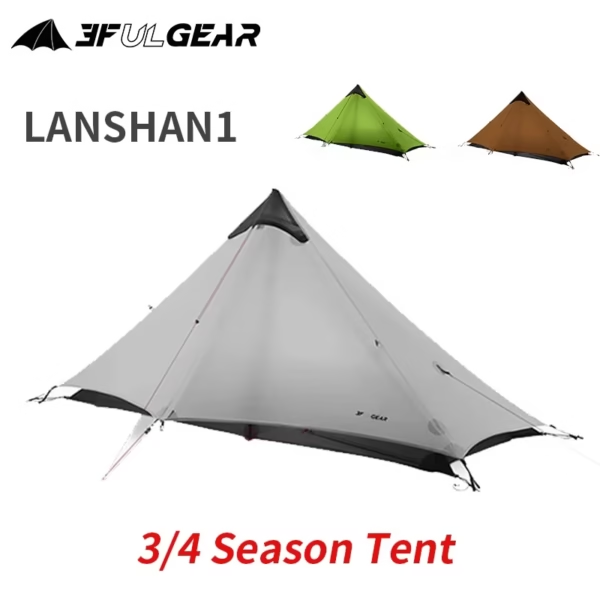
Ultralight 3 F UL GEAR Lan Shan 1 Tent for Solo Adventures Rated 5.00 out of 5
$359.49Original price was: $359.49.$250.55Current price is: $250.55. -
BLACKDOG Quick-Set Automatic Tent: Waterproof & UV-Resistant Adventure Shelter Rated 5.00 out of 5
$355.99Original price was: $355.99.$248.11Current price is: $248.11.



Product Gallery
-
 Ultimate 2-3 Person Inflatable Kayak for Fishing Fun Rated 5.00 out of 5
$1,552.46Original price was: $1,552.46.$1,082.01Current price is: $1,082.01. -
VEVOR 550 lb Heavy-Duty Folding Wagon & Bench for Adventurers
$156.12 – $253.79Price range: $156.12 through $253.79
-
Adventure-Ready Ultra Bright LED Headlamp with 3 Modes
$4.67 – $25.16Price range: $4.67 through $25.16













 Camping Gear
 Camping Chair
 Camping Table
 Sleeping Bags
 Camping Bed
 Sleeping Gear
 Storage Bags
 BBQ Portable
 Camping Tents
 Gazebos
 Outdoor Cooler
 Cookware
 Power
Power Camping Light
 Flashlight
 Portable Solar
 Power Banks
 Fish Finders
 Fishing Bags
 Fishing Jerseys
 Fishing Reels
 Fishing Chairs
 Fishing Bait Boat
 Fishing Floats
 Hard Baits
 Hiking Vests
 Outdoor Bags
 Water Filters
 Paracord
 Walkie Talkie
 Paddleboards
 Boats
Boats Sea Scooter
 Accessories
 Electric Bike
 Electric Scooter
Recent Comments