

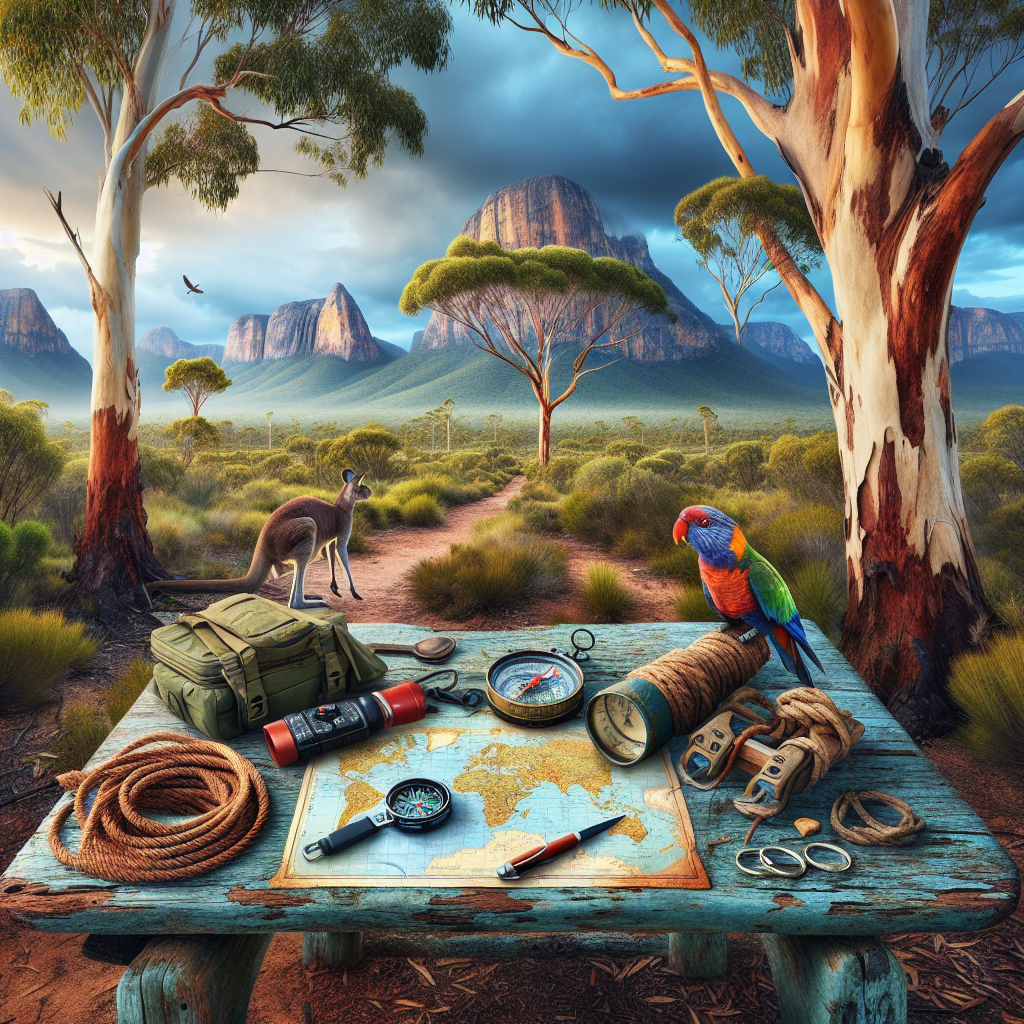

So, you’re planning a camping trip? Awesome! But before you start dreaming of crackling campfires and starry nights, there’s a crucial step: choosing the right campsite. It’s not just about finding a patch of dirt, it’s about setting the stage for an unforgettable (and safe!) outdoor experience. Believe me, a well-chosen campsite can make or break your adventure. Let’s break down what to consider.
Location, Location, Location!
Seriously, where you pitch your tent matters. Think of campsite selection like real estate—location can influence your entire trip. But instead of resale value, you’re thinking about things like access to water, privacy, and overall safety.
Now, you might be thinking, “Duh, location matters.” But honestly, it’s more nuanced than just picking a spot on a map. Are you near a trailhead? Is it close to a water source (and is that water source reliable and safe to drink – more on that later!)? How about the proximity to other campers? Do you want to be social or completely isolated? These are the questions rumbling around in my head when I am picking a spot.
Accessibility: Getting There (and Back Again!)
How easy is it to reach the campsite? This is huge. Are we talking a leisurely stroll from the parking lot, or are we gearing up for a multi-day hike through the wilderness? If you are like me you are lugging 30 lbs of tent, fuel, snacks and cooking gear, so consider your options.
For car campers, the focus is usually on road conditions and parking. Is the road paved or a rough dirt track? Do you need a high-clearance vehicle? And once you get there, is there enough parking space, especially during peak season? I remember one time, I had to park almost a mile away from campsite because I hadn’t thought this through. Lesson learned!
Backpackers, on the other hand, need to consider the trail itself. How difficult is the terrain? What’s the elevation gain? Are there any water crossings or tricky sections? And, crucially, how far is it to carry all your gear? Remember, every extra pound feels like ten on a long trek. You might consider investing in a lightweight backpack, or a hiking trolley to lug your kid along for the ride.
Terrain: Finding Solid Ground
Okay, so you’ve reached the general area. Now it’s time to assess the actual ground you’re planning to sleep on. Is it flat, sloping, rocky, or swampy? Trust me, you want flat and dry! Waking up in a puddle or constantly sliding downhill in your tent is no fun.
Look for a level spot that’s free of rocks, roots, and other debris. These can not only be uncomfortable to sleep on, but can also damage your tent floor. Check for any signs of standing water or dampness. A slightly elevated area is ideal, as it will help with drainage if it rains. Seriously, you don’t want to wake up swimming.
Here’s a pro tip: if you can’t find perfectly flat ground, position yourself so your head is slightly uphill. Otherwise, you might end up with a head rush if you sleep on a slope.
Water Source: Hydration is Key
Access to a reliable water source is essential for any camping trip, especially longer ones. You need water for drinking, cooking, washing, and… well, you get the idea. But not all water sources are created equal. Never assume that water is safe to drink without treating it first! I learned this in my early days.
Look for streams, rivers, or lakes that are clear and flowing. Avoid stagnant water, as it’s more likely to be contaminated. Even seemingly clear water can contain harmful bacteria, viruses, or parasites. Always purify your water using a filter, chemical treatment, or by boiling it. A water filter is your best buddy out in the wilderness!
Also, consider the distance to the water source. A short walk is convenient, but being right next to the water can attract insects and other critters. Here’s the thing, I usually consider a site within 100 yards a perfect balance.
Weather Conditions: Be Prepared for Anything
Weather in the mountains can change dramatically. And you need to be ready. Check the forecast before you head out, but don’t rely on it completely. Be prepared for unexpected rain, wind, or temperature swings. It always rains when you least expect it!
Consider the campsite’s exposure to the elements. Is it sheltered by trees or completely exposed? A sheltered site will provide protection from wind and sun, but can also be more humid and attract mosquitoes. An exposed site will offer better views and ventilation, but can be brutal in bad weather. Try to balance both. My personal favorite is finding a spot with natural wind blockage such as a medium to large boulder or a thick cluster of trees. Just be careful for Widow Makers, which is a term to describe a branch broken up high that can fall down and kill you.
Think about the time of year, too. Summer campsites can get scorching hot during the day and surprisingly cold at night. Spring and fall can bring unpredictable weather, including rain, snow, and strong winds. Winter camping requires extra preparation and gear, including a four-season tent and a warm sleeping bag. It feels like there so much to take into account!
Wildlife: Respecting the Locals
You’re entering their home, so be respectful! Every campsite has its own unique wildlife considerations, from pesky squirrels to potentially dangerous bears. It’s important to be aware of the local fauna and take precautions to avoid attracting them to your campsite.
Store food properly in bear-resistant containers or hang it from a tree. Never leave food scraps or garbage lying around. Keep your campsite clean and organized. And never, ever feed the animals! I know it’s tempting, but it can create a dependency on humans and lead to problems down the road. Always remember to scare animals away with loud noises or intimidating motions.
Learn about the specific wildlife risks in your area. Are there bears, mountain lions, snakes, or poisonous insects? Knowing what to expect will help you take appropriate precautions. For example, in bear country, carry bear spray and know how to use it. It is also advisable to make lots of noise so you are not accused of sneaking up on the bears. They are easily startled!
Privacy: Finding Your Solitude
For many campers, the whole point of getting outdoors is to escape the crowds and enjoy some peace and quiet. If you value privacy, look for a campsite that’s secluded and well-screened from other campsites and trails.
Consider the campsite’s layout. Is it tucked away in the trees or out in the open? Are there natural barriers, such as bushes or rocks, that provide some separation from neighboring campsites? Sometimes, a little bit of distance can make a big difference in your sense of privacy.
But here’s the thing: true solitude can be hard to find, especially in popular camping areas. Be prepared to share the outdoors with others, and be respectful of their space and privacy.
Campfire Safety: Playing with Fire Responsibly
A campfire is often the centerpiece of a camping trip, providing warmth, light, and a place to cook. But fire can also be incredibly dangerous if not handled responsibly. Wildfires are no joke, and they can start easily if you’re not careful. I’ve worked on a few that are devastating!
Check for fire restrictions before you head out. Many areas have seasonal fire bans or restrictions due to dry conditions. Only build a fire in designated fire rings or pits. Clear a 10-foot radius around the fire pit of all flammable materials, such as dry leaves, grass, and branches. In other words, be prepared for anything.
Never leave a fire unattended, and always extinguish it completely before you go to bed or leave the campsite. Pour water on the embers until they are cool to the touch. Seriously, make sure it’s out cold!
Regulations and Permits: Playing by the Rules
Most campgrounds and wilderness areas have specific rules and regulations that you need to follow. These rules are in place to protect the environment, ensure the safety of campers, and prevent overuse of resources. So, do you know how to play by these rules?
Check with the managing agency (such as the National Park Service or Forest Service) for any permit requirements, camping fees, or other restrictions. Some areas require reservations, especially during peak season. Don’t just assume you can show up and find a campsite – you might be turned away.
Be aware of any regulations regarding firewood, waste disposal, or water usage. Pack out all your trash, and never leave anything behind. Respect the environment and leave no trace of your visit. Consider bringing blue bags for your #2! That is what the rangers prefer.
Checking for Hazards: Safety First!
Before you settle in, take a good look around the campsite for any potential hazards. Are there any dead or hanging branches that could fall on your tent? Are there any signs of insect nests or animal burrows? Are there any poisonous plants, such as poison ivy or oak? I once set up my tent right over a yellow jacket nest—I don’t advise it!
Avoid camping under dead trees or branches, especially in windy conditions. Be aware of the risks of falling rocks or landslides, especially in mountainous areas. And keep an eye out for any signs of flooding, especially near rivers or streams.
Teach children about potential hazards and supervise them closely. Keep a first-aid kit handy and know how to use it. And always let someone know your itinerary and expected return time.
Leave No Trace: Be a Responsible Camper
The Leave No Trace principles are a set of guidelines for minimizing your impact on the environment. They’re based on the idea that we should all strive to leave the outdoors in the same (or better!) condition than we found it. I try to leave it in EVEN BETTER condition.
Pack out everything you pack in, including food wrappers, cans, and bottles. Dispose of human waste properly by burying it in a cat hole at least 6-8 inches deep and 200 feet from water sources. Minimize campfire impacts by using existing fire rings or pits, and keeping fires small. Respect wildlife by observing them from a distance and never feeding them.
Stay on established trails to avoid damaging vegetation. Avoid disturbing rocks, plants, or other natural features. And be considerate of other campers by keeping noise levels down and respecting their privacy.
Learn more about Leave No Trace principles here.
Putting It All Together: Making the Right Choice
Okay, so you’ve considered all the factors. Now it’s time to make a decision. Which campsite best meets your needs and preferences, while also minimizing your impact on the environment? This is the ultimate question we’re trying to answer. The process usually goes pretty quick for me, but some people take a while.
Take your time and weigh the pros and cons of each option. Don’t be afraid to explore different campsites until you find the perfect one. Just remember to be respectful of the environment and other campers while you’re searching.
And don’t forget to have fun! Choosing a campsite should be an enjoyable part of the camping experience. After all, you’re about to embark on an adventure in the great outdoors. I think it’s a great idea to keep an open mind and enjoy whatever comes your way.
FAQ Section
Got questions? I’ve got answers! Here are some of the most common questions I get about picking the perfect campsite.
What’s the most important thing to consider when choosing a campsite?
Safety, hands down. Check for hazards, be aware of wildlife, and make sure you have access to a reliable water source. Everything else is secondary.
How far in advance should I reserve a campsite?
It depends on the popularity of the campground and the time of year. For popular spots during peak season, you might need to book months in advance. For less crowded areas or during the off-season, you might be able to get away with booking a few weeks ahead.
What should I do if all the campsites are full?
If you’re camping in a designated campground and it’s full, you might be out of luck. But if you’re in a wilderness area, you might be able to find a dispersed camping spot (check local regulations). As a last resort, consider changing your plans and camping in a different area.
Is it okay to camp near a river or stream?
Camping near water can be great for convenience, but it also comes with risks. Be aware of the potential for flooding, especially during heavy rains. Also, avoid camping too close to the water’s edge, as this can disturb wildlife and damage vegetation. Ideally you want to be within 200 ft of the water source but not right next to it.
What’s the best way to store food in bear country?
The best option is to use a bear-resistant container. If that’s not possible, hang your food from a tree, at least 12 feet off the ground and 6 feet from the trunk. Never store food in your tent!
How can I minimize my impact on the environment while camping?
Follow the Leave No Trace principles: pack out everything you pack in, dispose of waste properly, minimize campfire impacts, respect wildlife, and be considerate of other campers. It’s all about leaving the outdoors in the same (or better!) condition than you found it. If you keep this in mind, you are already ahead of the pack!
What gear will help me pick a campsite?
A good map and compass (or GPS device) is a must. Consider water purifier. A trowel to dig cat holes. Weather-resistant clothing. And a headlamp will come in handy for hands free use in dark or dim conditions.
DISCLAIMER
When camping, it’s essential to prioritize safety and adhere to local regulations and guidelines. Always check weather forecasts and be prepared for changing conditions. Properly store food to avoid attracting wildlife, and be aware of potential hazards such as falling trees, insects, and poisonous plants. Never leave a campfire unattended and ensure it is completely extinguished before leaving the campsite. It’s also advisable to inform someone of your trip details, including your planned route and expected return time. By taking these precautions, you can help ensure a safe and enjoyable camping experience while minimizing your impact on the environment.
Complete gear checklist
Categories
- Navigation & Safety (68)
- Shelter & Sleep (72)
Top rated products
-
 UNIKOO UK224 Mini Walkie Talkies: Adventure Awaits, Stay Connected! Rated 5.00 out of 5
$49.74Original price was: $49.74.$34.67Current price is: $34.67. -
Nature Bell 185 cm Folding Cot: Comfort On-the-Go Adventure Bed Rated 5.00 out of 5$35.61 – $37.99Price range: $35.61 through $37.99
-
Tactical Mini Flashlight: 150 Lumen Power for Glock & Hellcat Rated 5.00 out of 5
$122.88Original price was: $122.88.$85.65Current price is: $85.65.


Product Gallery
-
 Ultimate 2-3 Person Inflatable Kayak for Fishing Fun Rated 5.00 out of 5
$1,534.01Original price was: $1,534.01.$1,069.16Current price is: $1,069.16. -
VEVOR 550 lb Heavy-Duty Folding Wagon & Bench for Adventurers
$154.27 – $250.78Price range: $154.27 through $250.78
-
Adventure-Ready Ultra Bright LED Headlamp with 3 Modes
$4.62 – $24.86Price range: $4.62 through $24.86








 Camping Gear
 Camping Chair
 Camping Table
 Sleeping Bags
 Camping Bed
 Sleeping Gear
 Storage Bags
 BBQ Portable
 Camping Tents
 Gazebos
 Outdoor Cooler
 Cookware
 Power
Power Camping Light
 Flashlight
 Portable Solar
 Power Banks
 Fish Finders
 Fishing Bags
 Fishing Jerseys
 Fishing Reels
 Fishing Chairs
 Fishing Bait Boat
 Fishing Floats
 Hard Baits
 Hiking Vests
 Outdoor Bags
 Water Filters
 Paracord
 Walkie Talkie
 Paddleboards
 Boats
Boats Sea Scooter
 Accessories
 Electric Bike
 Electric Scooter
Recent Comments