

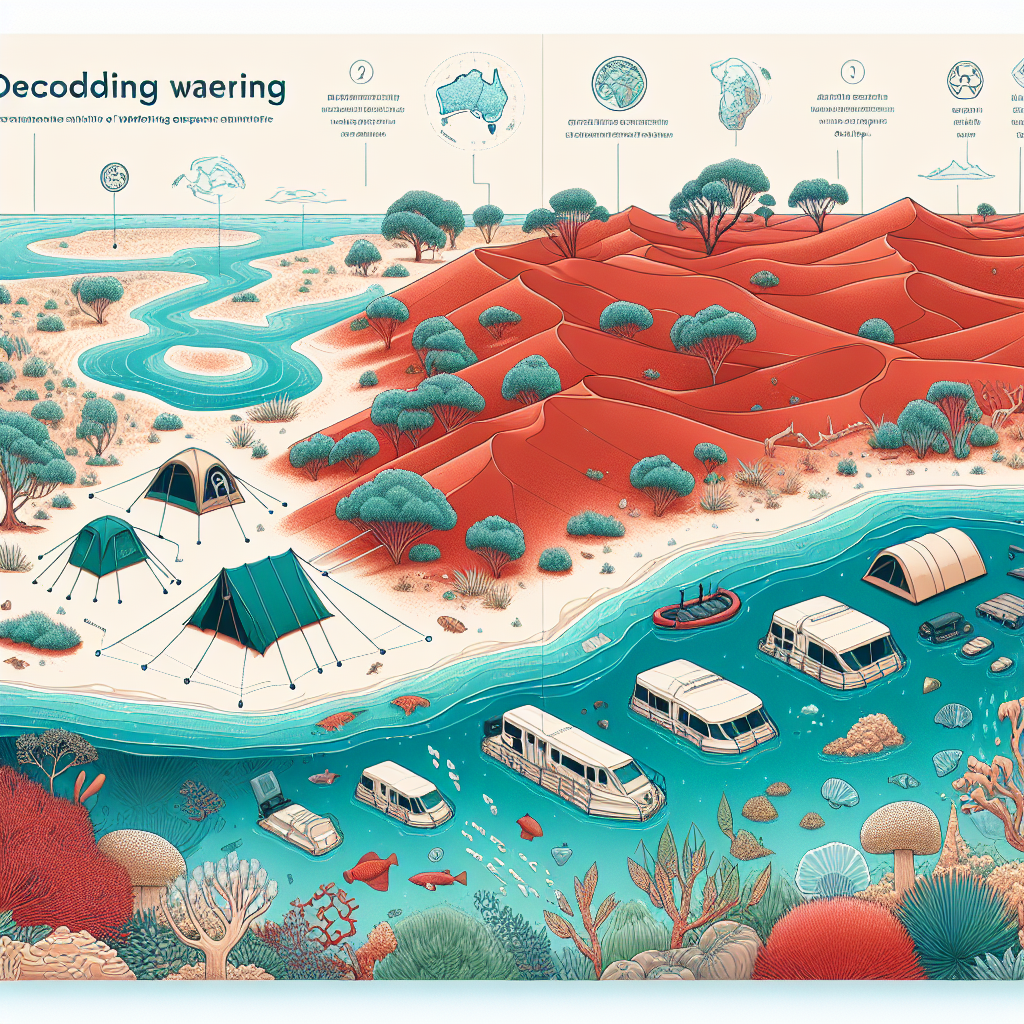
Decoding Waterproof Camping Shelters: An Ultimate Guide for Beginners

Why Worry About Waterproofing Anyway?
Okay, let’s kick this off with a real talk. Why does waterproofing even matter when you’re out camping? Well, picture this: you’ve hiked all day, found the perfect spot, set up your tent, and then… BAM! A downpour hits in the middle of the night. If your tent isn’t up to snuff, you’re looking at a cold, miserable, and possibly dangerous situation. No fun, right?
Waterproofness isn’t just about comfort; it’s about safety. Hypothermia is a serious risk, even in relatively mild temperatures, if you’re wet and exposed. A good waterproof shelter keeps you dry, warm, and able to enjoy your outdoor adventure. Period.
And hey, let’s be honest, dealing with soggy gear the next morning is probably the quickest way to suck the joy out of a perfectly good camping trip.
Understanding Waterproof Ratings: MM and All That Jazz
Alright, let me explain the nitty-gritty of waterproof ratings. You’ve probably seen terms like “2000mm,” “3000mm,” or even higher. The “mm” stands for millimeters, and it refers to the amount of water pressure a fabric can withstand before it starts to leak. Basically, it’s a standardized test where they put a tube over the fabric and fill it with water until water penetrates the material.
So, what do those numbers really mean for you? A 1000mm rating is generally considered water-resistant, good for light drizzles. A 2000mm to 3000mm rating is where you start getting into true waterproof territory, suitable for moderate rain. And anything above 3000mm? That’s your heavy-duty protection for serious downpours and snowy conditions.
Here’s a quick breakdown:
- 1000mm: Water-resistant, okay for light drizzle.
- 2000-3000mm: Waterproof, good for moderate rain.
- 3000mm+: Heavy-duty waterproof, for heavy rain and snow.
Keep in mind, though, that the rating is just one piece of the puzzle. The quality of the fabric, the seams, and the overall construction are just as important. You can have a high mm rating, but if the seams are poorly sealed, you’re still going to get wet.
Fabric Types: From Nylon to Cuben Fiber
Speaking of fabric, let’s talk about the materials used in waterproof camping shelters. You’ll encounter a few common types, each with its own advantages and disadvantages.
Nylon: This is probably the most common material you’ll find. It’s relatively inexpensive, durable, and lightweight. However, nylon isn’t naturally waterproof; it needs a coating, usually polyurethane (PU) or silicone, to achieve waterproofness. Nylon also tends to stretch when wet, which can lead to sagging. Not ideal, but hey, you usually get what you pay for.
Polyester: Similar to nylon, polyester is also durable and relatively affordable. It’s more UV-resistant than nylon, meaning it won’t degrade as quickly in sunlight, and it doesn’t stretch as much when wet. Like nylon, it needs a coating to be waterproof.
Ripstop Nylon/Polyester: Ripstop refers to a special weaving technique that makes the fabric more resistant to tearing. If a tear does occur, it’s less likely to spread. This is a great feature to have for added durability.
Cuben Fiber (Dyneema Composite Fabric): Now, this is the fancy stuff. Cuben Fiber, now often called Dyneema Composite Fabric (DCF), is incredibly lightweight and strong. It’s also naturally waterproof, meaning it doesn’t need a coating. However, it’s significantly more expensive than nylon or polyester, and it can be more fragile if not handled carefully. Think of this as the carbon fiber of the tent world – high performance, high price tag.
Coatings and Treatments: PU vs. Silicone
So, we’ve mentioned coatings a few times. Let’s take a closer look at the two main types: polyurethane (PU) and silicone.
Polyurethane (PU): PU coatings are the most common. They’re relatively inexpensive and provide good waterproofness. However, PU coatings can be prone to hydrolysis, a chemical breakdown caused by moisture, which can eventually lead to the coating delaminating and becoming sticky. This is why you sometimes see older tents with a peeling, gooey lining. Not pretty or effective.
Silicone: Silicone coatings, like silicone-impregnated nylon (SiNylon) or silicone-coated polyester (SiPoly), are more durable and UV-resistant than PU coatings. They’re also more flexible, which means they’re less likely to crack over time. Silicone coatings are typically more expensive than PU coatings, but they offer better long-term performance. One downside: silicone-coated fabrics can be harder to seam seal.
Seam Sealing: The Forgotten Hero
Speaking of seam sealing, let’s talk about why it’s so crucial. Even with the most waterproof fabric, water can still seep through the tiny holes created by the stitching. Seam sealing involves applying a waterproof tape or liquid sealant to these seams to prevent leaks. This is absolutely essential for a truly waterproof shelter.
Many higher-end tents come with factory-taped seams, which is great. But even then, it’s a good idea to inspect the seams periodically and touch them up with seam sealer as needed. For cheaper tents, you may need to seam seal them yourself. It’s a bit of a tedious process, but totally worth it to stay dry.
Here’s a pro tip: seam seal your tent before you go camping. Trust me on this one.
Design Matters: Tent Shape and Waterproofness
Design also plays a big role. Not all perfectly waterproofed tents are built the same; some tent shapes are inherently better at shedding water than others. Steep walls and a taught pitch will shed the rain better and not accumulate water like a flatter tent.
- Dome Tents: Good overall, but flat spots on the roof can collect water.
- A-Frame Tents: Classic design, but can be prone to leaks if not pitched tightly.
- Geodesic Tents: Excellent stability and weather resistance, ideal for harsh conditions.
- Single-Wall Tents: Lightweight but can suffer from condensation.
- Double-Wall Tents: Best for managing condensation, with a separate rainfly.
Consider your environment and the types of weather you expect to encounter when choosing a tent design. If you’re camping in a windy area, a geodesic tent might be a good choice. If you’re camping in a humid environment, a double-wall tent will help minimize condensation.
Condensation, by the way, is what it will feel like if your tent is leaking – but it’s not. Learn to manage the condensation by being able to open vents on the tent, or stake back flaps of the rainfly to allow a crossbreeze.
Beyond the Tent: Ground Tarps and Footprints
Don’t forget about protecting the bottom of your tent! A ground tarp or footprint is a waterproof barrier that goes underneath your tent to protect it from abrasion, punctures, and moisture from the ground.
A footprint is usually custom-designed for a specific tent model and is slightly smaller than the tent floor. This prevents water from collecting between the footprint and the tent floor. A ground tarp can be any sheet of waterproof material, like Tyvek or a heavy-duty plastic sheet. Just make sure it’s slightly smaller than your tent floor to avoid creating a bathtub effect.
Think of it like this: your tent is your house, and the ground tarp is your foundation. A solid foundation helps keep everything dry and protected.
Maintaining Waterproofness: Care and Cleaning
The best way to keep your camping shelter waterproof is to take good care of it. This means cleaning it regularly, storing it properly, and applying additional treatments as needed.
Cleaning: After each trip, brush off any dirt or debris from your tent. If it’s particularly dirty, you can wash it with a mild soap and water. Avoid using harsh detergents or bleach, as these can damage the waterproof coating.
Storage: Make sure your tent is completely dry before storing it. Damp tents can develop mildew and mold, which can ruin the fabric and coatings. Store your tent in a cool, dry place, away from direct sunlight.
Waterproofing Treatments: Over time, the waterproof coating on your tent may wear off. You can reapply a waterproofing treatment, such as a spray-on or wash-in product, to restore its waterproofness. Follow the manufacturer’s instructions carefully. Gear Aid’s Tent + Fabric Cleaner and Gear Aid’s Tent + Fabric Proof are reputable products. They’re trusted by tent campers worldwide to restore the DWR performance.
A little maintenance goes a long way. By taking care of your tent, you can extend its lifespan and ensure it keeps you dry for many camping trips to come.
Real-World Testing: How to Be Sure?
All the ratings and fancy materials in the world don’t mean a thing if your tent fails in the real world. Before you head out on a major trip, it’s a good idea to test your tent’s waterproofness. Set it up in your backyard and spray it with a garden hose. Pay attention to the seams, zippers, and any areas where water might pool. If you see any leaks, address them before you hit the trail.
You can even simulate a heavy rainstorm by setting up a sprinkler over your tent for a few hours. This will give you a good idea of how it will perform in extended wet conditions.
Consider this your tent’s dress rehearsal. Better to find out about any weaknesses in your backyard than in the middle of nowhere.
I know someone who insists on setting his tent up in the back yard before the first camp trip of the season. The neighbors make fun of him – but he’s always dry.
Advanced Techniques: DIY Waterproofing
For the DIY enthusiasts out there, there are a few advanced techniques you can use to enhance your tent’s waterproofness. One popular method is to create your own seam sealer using a mixture of silicone caulk and mineral spirits. Apply this mixture to the seams with a brush, and let it dry completely. This can create a very durable and waterproof seal.
You can also re-waterproof your entire tent using a wash-in or spray-on treatment specifically designed for outdoor gear. Nikwax is a well-respected brand in this area, offering a range of products for waterproofing tents and other outdoor equipment. Follow the directions carefully, and make sure to apply the treatment evenly.
Remember, DIY waterproofing requires some skill and patience. If you’re not comfortable working with chemicals or you’re not sure what you’re doing, it’s best to stick with professional products and services.
When to Say Goodbye: Recognizing End of Life
Even with the best care, every tent eventually reaches the end of its life. The fabric may become brittle, the coatings may delaminate, or the seams may start to leak no matter how much you try to seal them. Knowing when to say goodbye to your tent is important for your safety and comfort.
Here are a few signs that your tent is nearing the end of its life:
- The fabric is visibly deteriorating or tearing easily.
- The waterproof coating is peeling or sticky.
- The seams are constantly leaking, even after repeated sealing.
- The tent is no longer able to withstand wind or rain.
If your tent is showing these signs, it’s time to start shopping for a new one. Don’t wait until it fails completely on a camping trip. Replacing your tent is an investment in your safety and enjoyment of the outdoors.
Sometimes it’s hard to let go of a good old tent, but think of it as an opportunity to upgrade to something even better!
Whether you’re a seasoned experienced camper, a weekend warrior, or just starting to explore the joys of the outdoors, understanding waterproof camping shelters is essential for a safe and enjoyable experience. By understanding waterproof ratings, fabric types, coatings, and construction techniques, you can choose the right shelter for your needs and keep it in top condition for years to come. So, stay dry and happy camping!
Waterproof Camping Shelters: FAQ
Alright, I understand we covered a lot of ground. Let’s get down to some rapid fire answers to some burning questions you have:
DISCLAIMER
While we strive to provide accurate and up-to-date information, camping in the outdoors carries inherent risks. Always prioritize safety, exercise caution, and be prepared for unforeseen circumstances. Consult with experienced outdoors people, consider taking wilderness and first aid courses, and always inform someone of your travel plans and estimated returns.
Categories
- Navigation & Safety (68)
- Shelter & Sleep (72)
Top rated products
-
 Compact 70 CM Fishing Rod Bag - Your Adventure Awaits! Rated 5.00 out of 5$14.20 – $18.17Price range: $14.20 through $18.17
 -
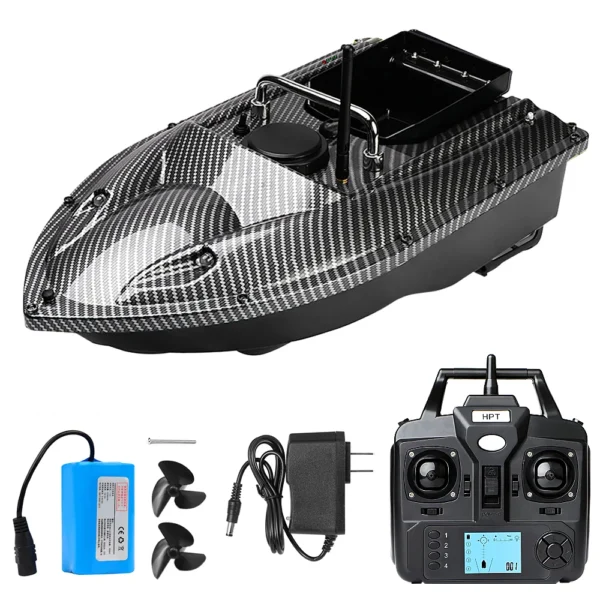
Elevate Your Fishing with C118 GPS Remote Bait Boat Rated 5.00 out of 5
$307.61Original price was: $307.61.$214.40Current price is: $214.40. -
CNSUP 12 ft Inflatable Yellow Paddle Board - Adventure Awaits! Rated 5.00 out of 5$280.24 – $479.36Price range: $280.24 through $479.36



Product Gallery
-
 Ultimate 2-3 Person Inflatable Kayak for Fishing Fun Rated 5.00 out of 5
$1,537.10Original price was: $1,537.10.$1,071.31Current price is: $1,071.31. -
VEVOR 550 lb Heavy-Duty Folding Wagon & Bench for Adventurers
$154.16 – $250.60Price range: $154.16 through $250.60
-
Adventure-Ready Ultra Bright LED Headlamp with 3 Modes
$4.63 – $21.74Price range: $4.63 through $21.74













 Camping Gear
 Camping Chair
 Camping Table
 Sleeping Bags
 Camping Bed
 Sleeping Gear
 Storage Bags
 BBQ Portable
 Camping Tents
 Gazebos
 Outdoor Cooler
 Cookware
 Power
Power Camping Light
 Flashlight
 Portable Solar
 Power Banks
 Fish Finders
 Fishing Bags
 Fishing Jerseys
 Fishing Reels
 Fishing Chairs
 Fishing Bait Boat
 Fishing Floats
 Hard Baits
 Hiking Vests
 Outdoor Bags
 Water Filters
 Paracord
 Walkie Talkie
 Paddleboards
 Boats
Boats Sea Scooter
 Accessories
 Electric Bike
 Electric Scooter
Recent Comments