

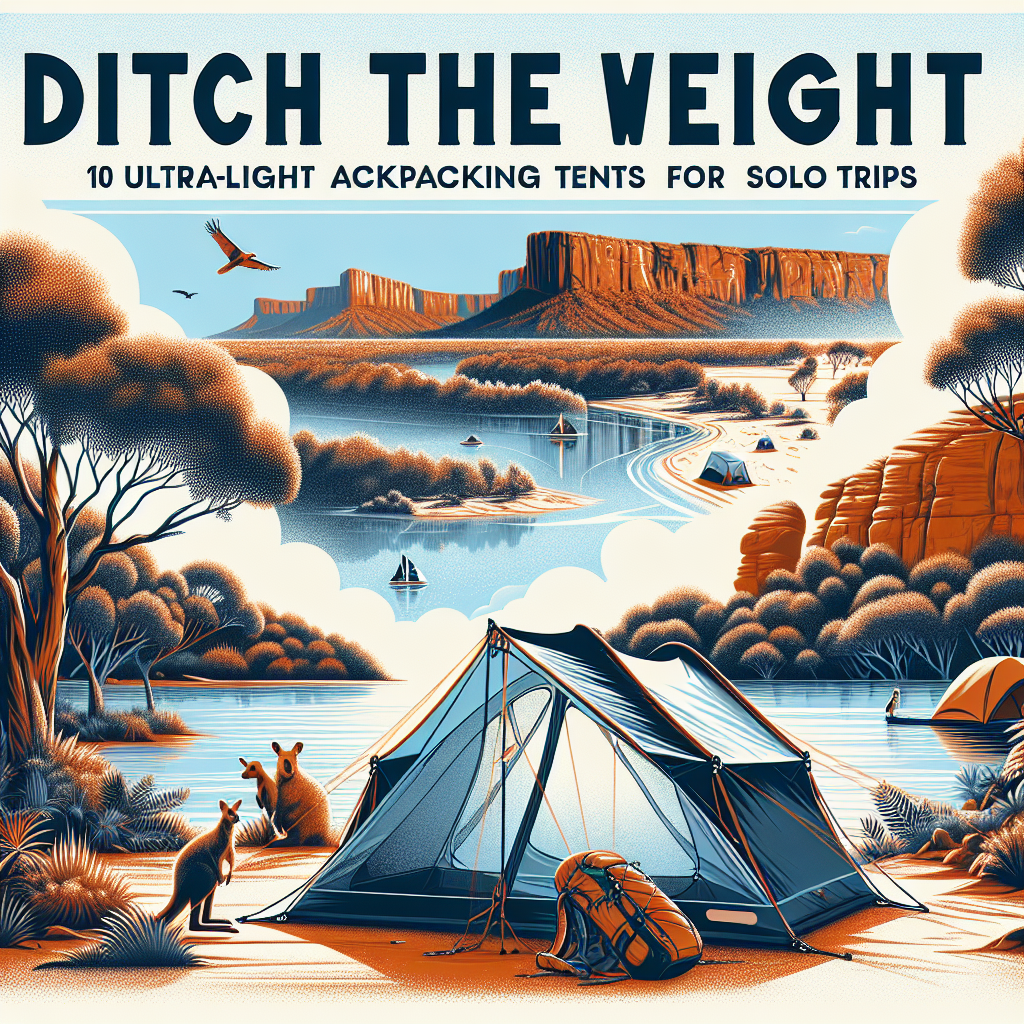

Solo backpacking trips… there’s nothing quite like the freedom of hitting the trail alone, connecting with nature on your own terms. All you need is you, your wits, and your gear. And let’s be real, that gear list starts and ends with the tent. It’s your shelter, your sanctuary, and – let’s face it – sometimes your only friend out there. But who wants to lug around a bulky, heavy tent when you’re trying to conquer miles and soak in the scenery? Let’s get into the best ultralight tents designed so you won’t break your back setting up camp for the night.
Why Go Ultra-Light with Your Tent?
Okay, so “ultra-light” sounds cool, right? But what’s the real deal? Why should you care about shaving ounces off your tent weight? The answer is simple: comfort and mobility.
Imagine this: You’ve been hiking all day, the sun’s starting to dip below the horizon, and your legs are screaming. The last thing you want to do is wrestle with a heavy, complicated tent. An ultra-light tent means less strain on your body, more energy for the trail, and honestly, just a happier overall experience. Plus, when you’re moving fast and covering ground, every ounce counts. It’s the difference between feeling like a nimble mountain goat and a tired old mule. Think about it – less weight, more miles, better views. It’s a no-brainer, really.
What to Look For in an Ultra-Light Tent
Alright, so you’re sold on the ultra-light concept. Awesome! But before you run off and buy the first tent you see, let’s talk about what to actually look for. It’s not just about weight as there are several factors involved here:
- Weight: Obviously! But consider the packed weight, which includes everything—stakes, guylines, stuff sack, and any included footprint.
- Livability: Does the tent have enough room for you to sit up comfortably? Is there enough vestibule space for your gear? Solo doesn’t have to mean cramped.
- Weather Resistance: Can the tent handle wind and rain? Ultra-light materials can be delicate, so check the waterproof rating (hydrostatic head) and construction quality.
- Durability: Will it hold up after many nights outdoors and backpacking trips? Look for durable fabrics, reinforced stress points, and quality zippers.
- Ease of Setup: After a long day hiking, you don’t want a tent that requires a PhD to set up. Simple, intuitive designs are key.
- Price
Categories
- Navigation & Safety (68)
- Shelter & Sleep (72)
Top rated products
-
 UNIKOO UK224 Mini Walkie Talkies: Adventure Awaits, Stay Connected! Rated 5.00 out of 5
$49.74Original price was: $49.74.$34.67Current price is: $34.67. -
Nature Bell 185 cm Folding Cot: Comfort On-the-Go Adventure Bed Rated 5.00 out of 5$35.61 – $37.99Price range: $35.61 through $37.99
-
Tactical Mini Flashlight: 150 Lumen Power for Glock & Hellcat Rated 5.00 out of 5
$122.88Original price was: $122.88.$85.65Current price is: $85.65.


Product Gallery
-
 Ultimate 2-3 Person Inflatable Kayak for Fishing Fun Rated 5.00 out of 5
$1,534.01Original price was: $1,534.01.$1,069.16Current price is: $1,069.16. -
VEVOR 550 lb Heavy-Duty Folding Wagon & Bench for Adventurers
$154.27 – $250.78Price range: $154.27 through $250.78
-
Adventure-Ready Ultra Bright LED Headlamp with 3 Modes
$4.62 – $24.86Price range: $4.62 through $24.86













 Camping Gear
 Camping Chair
 Camping Table
 Sleeping Bags
 Camping Bed
 Sleeping Gear
 Storage Bags
 BBQ Portable
 Camping Tents
 Gazebos
 Outdoor Cooler
 Cookware
 Power
Power Camping Light
 Flashlight
 Portable Solar
 Power Banks
 Fish Finders
 Fishing Bags
 Fishing Jerseys
 Fishing Reels
 Fishing Chairs
 Fishing Bait Boat
 Fishing Floats
 Hard Baits
 Hiking Vests
 Outdoor Bags
 Water Filters
 Paracord
 Walkie Talkie
 Paddleboards
 Boats
Boats Sea Scooter
 Accessories
 Electric Bike
 Electric Scooter
Recent Comments