

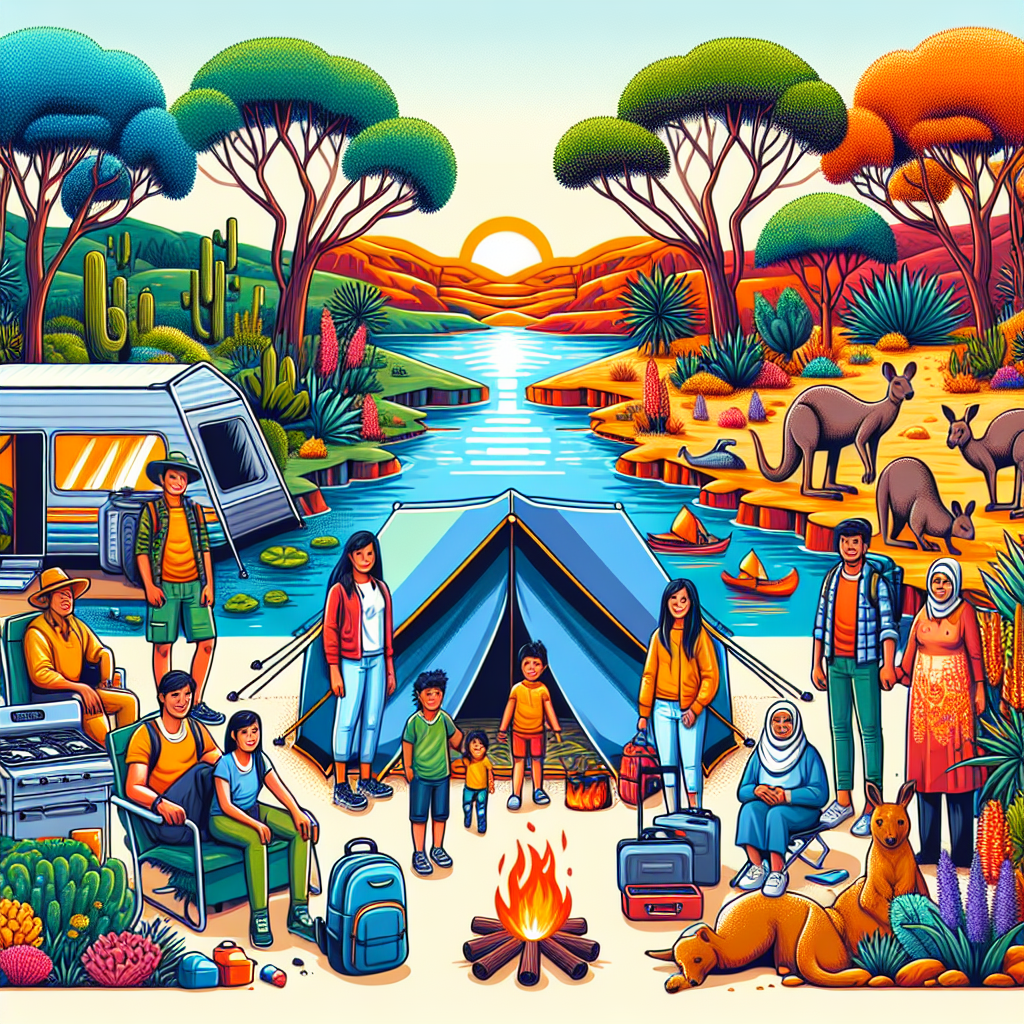

Why You Need a Tent That Actually Works (Family Edition)
Alright, let’s get real. That cheap tent you saw on sale might seem like a steal, but trust me – a miserable camping trip with the family is no bargain at all. We’re talking about the potential for cranky kids, damp sleeping bags, and memories you’d rather forget (and the kids remember forever!). A tent isn’t just shelter; it’s your home away from home, especially with little ones in tow. Think of it as the basecamp for all your adventures, the place where stories are shared, and s’mores-fueled dreams are dreamt.
Matching Tent Size to Family Size: The Goldilocks Principle
Too small, and everyone’s bumping elbows (or worse, kicking each other all night). Too big, and you’re lugging around a mansion. Finding the “just right” size is crucial. The general rule of thumb? Add two to your family size when picking a tent. So, a family of four should ideally look at a 6-person tent. Why? Because that extra space is going to be a lifesaver for storing gear, letting the kids spread out a bit during downtime, and, you know, just generally preserving everyone’s sanity.
Speaking of space, have you considered the height of the tent? It might seem insignificant, but being able to stand up straight makes a world of difference, especially if you’re stuck inside during a rainstorm. A tall tent can really feel like living in luxury.
Decoding Tent Features: What Matters, What Doesn’t
Okay, there’s a whole alphabet soup of tent jargon out there – denier this, hydrostatic head that. Don’t get bogged down! Let me break down what you really need to pay attention to:
* **Waterproof Rating (Hydrostatic Head):** This measures how much water the tent can withstand. Look for a rating of at least 1500mm for reliable rain protection.
* **Material:** Polyester is common and affordable, but nylon is lighter and stronger, albeit more expensive. Canvas tents are super durable and breathable but heavy. Each has its place depending on your budget and camping style.
* **Seams:** Taped or sealed seams are a must to prevent leaks. Make sure the tent you choose has these.
* **Ventilation:** Mesh windows and vents are key to preventing condensation buildup inside the tent. Nothing’s worse than waking up feeling like you’re in a swamp.
* **Poles:** Aluminum poles are stronger and lighter than fiberglass, especially important in windy conditions.
And, honestly, those fancy built-in LED lights? Neat, but a good headlamp will do the trick just fine. Remember, focus on the core functionality and durability, and you’ll be set.
Tent Types Demystified: Dome, Cabin, and More
The sheer variety of tent shapes and styles can be overwhelming. Here’s a quick rundown of the most common types and their pros and cons for families:
* **Dome Tents:** These are classic, easy to set up, and relatively affordable. They’re great for general camping.
* **Cabin Tents:** These have near-vertical walls, maximizing headroom and feeling spacious. Perfect for longer stays.
* **Tunnel Tents:** Excellent for weather resistance, offering loads of space. Can be a bit trickier to set up.
* **Instant/Pop-Up Tents:** As the name suggests, these are ridiculously easy to set up. However, they often sacrifice durability and weather resistance. These are convenient for very casual camping trips.
* **Geodesic or Semi-Geodesic Tents:** These are built for ruggedness, with multiple poles intersecting to resist high winds and heavy snow. If you camp in extreme conditions, this might be for you.
For most families, a dome or cabin tent will likely be your best bet. Consider how much space you really need and what kind of weather you’re most likely to encounter.
Setting Up Camp: Tips and Tricks for Happy Campers
Even the best tent is useless if you can’t set it up properly. Here’s some advice to make the process smoother than a freshly-spread layer of peanut butter on bread:
* **Practice at home:** This cannot be stressed enough! Do a trial run in your backyard before heading to the campsite. You’ll be glad you did.
* **Read the instructions:** Yes, I know, nobody likes reading instructions. But please do so this time.
* **Choose your site wisely:** Look for a flat, level spot, away from any potential hazards like falling trees or standing water.
* **Use a footprint:** This protects the bottom of your tent from abrasion and moisture. It’s a dedicated tarp specifically cut to the dimensions of your tent.
* **Stake it out properly:** Don’t skimp on the stakes! They’re what keep your tent secure in windy conditions.
* **Guy it out:** Use the guy lines to add extra stability, especially in windy weather.
And, you know what? Bring a mallet. Your hands will thank you later.
Bonus tip: Consider facing the tent door away from the prevailing wind. Trust me on this one.
Maintaining Your Tent: Longevity is Key
A good tent is an investment, so protect it. Here’s how to keep it in top shape for years to come:
* **Clean it regularly:** Wipe down the inside and outside with a damp cloth after each trip.
* **Dry it thoroughly:** Never store a wet tent! This will lead to mold and mildew which you do not want
* **Store it loosely:** Don’t pack it too tightly. Stuffing it loosely with the poles separately usually works best.
* **Repair rips and tears:** Use a tent repair kit to fix any small damage. Tackle repairs immediately.
Think of it like this: your tent is like your car. A little care and maintenance goes a long way.
Tent Camping Accessories: Elevating Your Experience
A tent is just the beginning. Here’s a few extras that can really up your family’s camping game:
* **Sleeping Pads:** Essential for comfort and insulation from the cold ground. Inflatable pads are compact, memory foam pads feel like a bed!
* **Sleeping Bags:** Choose bags rated for the temperatures you expect to encounter. Consider a double sleeping bag for cozy family snuggles.
* **Camp Chairs:** These come handy for sitting around the campfire.
* **Camp Table:** For cooking meals or playing games.
* **Lantern or Headlamps:** For lighting up the night.
* **First Aid Kit:** Never leave home without one!
And, seriously, don’t forget the bug spray. Happy campers are bite-free campers.
Safety First: Weathering the Storm (Literally and Figuratively)
Camping is fun, but it’s essential to be prepared for anything Mother Nature might throw your way. Here are some crucial safety considerations:
* **Check the weather forecast:** Before you go, and keep an eye on it while you’re there.
* **Be aware of potential hazards:** Like flash floods, falling trees, and wildlife.
* **Store food properly:** To avoid attracting animals.
* **Never leave a campfire unattended:** And always make sure it’s completely extinguished before leaving your campsite.
* **Tell someone your plans:** So they know where you’re going and when you expect to be back.
Knowledge is power, and being prepared makes all the difference.
Remember, emergencies can happen. Have a plan and know how to react.
The Ethical Camper: Leave No Trace Principles
It’s all about protecting our beautiful natural spaces for future generations. Here are the seven Leave No Trace principles:
* **Plan ahead and prepare.**
* **Travel and camp on durable surfaces.**
* **Dispose of waste properly.**
* **Leave what you find.**
* **Minimize campfire impacts.**
* **Respect wildlife.**
* **Be considerate of other visitors.**
Simple actions can have a huge impact. Let’s all do our part to keep our campgrounds clean and pristine.
Finding the Right Tent: Brands and Recommendations
Alright, so what tents should you actually be looking at? Here are a few brands that consistently deliver quality and value:
* **REI Co-op:** Known for their durable and well-designed tents.
* **Big Agnes:** Innovative designs and high-quality materials.
* **Kelty:** Offers a good balance of affordability and performance.
* **Coleman:** A classic brand for budget-friendly options.
* **Marmot:** High-end tents built for extreme weather conditions.
Don’t just take my word for it, though! Do your research, read reviews, and compare prices before making a decision. I highly recommend reading customer reviews on sites like REI and Amazon.
Beyond the Tent: Creating Lasting Family Memories
Ultimately, the best part about camping isn’t the gear – it’s the experiences you share with your loved ones. It’s the campfire stories, the starry nights which some say are even better than diamonds, the laughter, the adventures. A good tent is just the foundation. But it’s what you build on that foundation that really matters.
And you know what? Those memories will last a lifetime.
FAQ: Your Burning Tent Questions Answered
DISCLAIMER
While we strive to provide accurate and up-to-date information, camping involves inherent risks. Always exercise caution, follow safety guidelines, and be prepared for unexpected situations. The recommendations in this article are for informational purposes only and should not be considered a substitute for professional advice or training. Happy Camping!
Categories
- Navigation & Safety (68)
- Shelter & Sleep (72)
Top rated products
-
 Dune 7.6 Ultralight 2-Person Tent for All-Season Adventures Rated 5.00 out of 5$113.63 – $120.74Price range: $113.63 through $120.74
 -
Nature Bell 185 cm Folding Cot: Comfort On-the-Go Adventure Bed Rated 5.00 out of 5$36.04 – $38.44Price range: $36.04 through $38.44
-
Revolutionary 7" HD Underwater Fishing Camera with LED Lights Rated 5.00 out of 5$164.55 – $208.98Price range: $164.55 through $208.98



Product Gallery
-
 Ultimate 2-3 Person Inflatable Kayak for Fishing Fun Rated 5.00 out of 5
$1,552.46Original price was: $1,552.46.$1,082.01Current price is: $1,082.01. -
VEVOR 550 lb Heavy-Duty Folding Wagon & Bench for Adventurers
$156.12 – $253.79Price range: $156.12 through $253.79
-
Adventure-Ready Ultra Bright LED Headlamp with 3 Modes
$4.67 – $25.16Price range: $4.67 through $25.16













 Camping Gear
 Camping Chair
 Camping Table
 Sleeping Bags
 Camping Bed
 Sleeping Gear
 Storage Bags
 BBQ Portable
 Camping Tents
 Gazebos
 Outdoor Cooler
 Cookware
 Power
Power Camping Light
 Flashlight
 Portable Solar
 Power Banks
 Fish Finders
 Fishing Bags
 Fishing Jerseys
 Fishing Reels
 Fishing Chairs
 Fishing Bait Boat
 Fishing Floats
 Hard Baits
 Hiking Vests
 Outdoor Bags
 Water Filters
 Paracord
 Walkie Talkie
 Paddleboards
 Boats
Boats Sea Scooter
 Accessories
 Electric Bike
 Electric Scooter
Recent Comments