

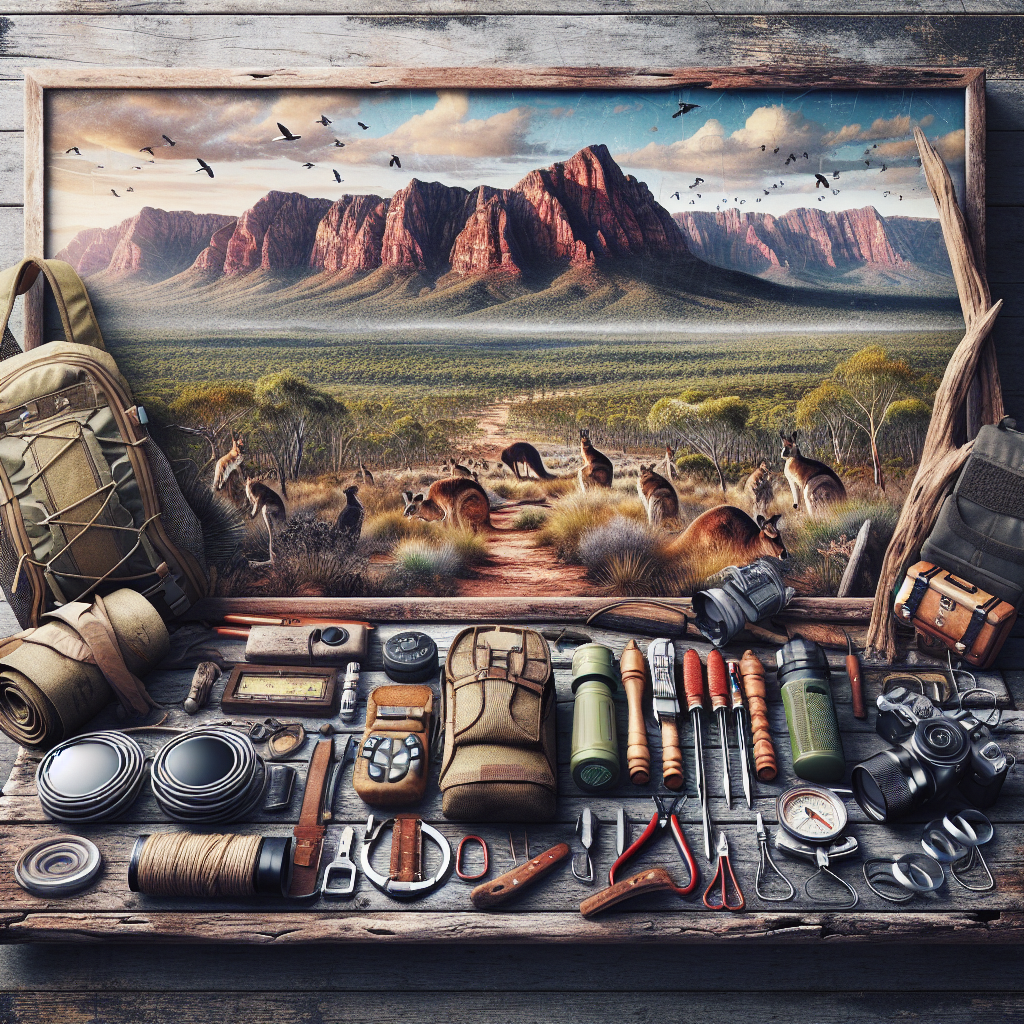

So, you’re itching to get out into the great outdoors, huh? Fantastic! Camping is an amazing way to reconnect with nature, challenge yourself, and create memories that’ll last a lifetime. But, and this is a big but, before you head out there, it’s absolutely critical to have a good handle on navigation. Getting lost in the woods isn’t just an inconvenience; it can quickly turn into a dangerous situation. This guide is designed to arm you with essential navigation skills, so you can confidently explore nature without becoming a headline.
Why Navigation Matters: More Than Just Getting From A to B
Okay, let’s be real. Navigation isn’t just about knowing where you are; it’s about knowing how to get back, understanding potential dangers, and making informed decisions. Think of it as your outdoor safety net.
Imagine this: You’re enjoying a leisurely hike, the sun is shining, and the birds are singing. Then, you decide to venture off the marked trail for “just a quick peek” at that stunning waterfall you spotted. Distracted by the view, you lose track of your surroundings, and suddenly, the trail vanishes. The sun starts to dip below the trees, casting long, eerie shadows. Panic starts to set in. Sound familiar? This is where solid navigation skills become your best friend.
Beyond avoiding getting lost, good navigation skills also enhance your overall camping experience. You’ll feel more confident, be able to explore further, and appreciate your surroundings more deeply without constantly worrying about your location. It’s about empowering you to embrace adventure responsibly.
The Essential Tools of the Trade: What You’ll Need in Your Pack
Alright, so what’s in the navigation toolkit, you ask? It’s more than just a fancy GPS device; it’s a combination of tools and skills working together. Here’s the breakdown:
- Map: The trusted paper map. Always have a detailed, up-to-date map of the area you’re exploring. Look for topographic maps (topo maps) that show elevation changes; they’re invaluable for understanding terrain.
- Compass: A reliable compass is your best friend when the batteries on your gadgets die. Learn how to use it with your map (more on that later!). A good baseplate compass with a rotating bezel is ideal.
- GPS Device or Smartphone with GPS: Modern technology can be a lifesaver, but remember, technology can fail. Use it as a supplement, not a replacement for traditional skills. Download offline maps and learn how to use the GPS functions.
- Altimeter Watch (Optional): An altimeter watch measures your altitude, which can be really useful when combined with a topographic map. It helps you pinpoint your location based on elevation.
- Whistle: Not strictly for navigation, but critical for signaling if you’re lost or injured. Six short blasts followed by a minute of silence, repeated, is the international distress signal.
- Headlamp or Flashlight: Essential for navigating in low light or after dark. Always carry extra batteries!
- Extra Batteries/Power Bank: For your GPS device or smartphone. Redundant power sources are always the way to go.
Don’t just throw these items in your pack and hit the trail. Take the time to familiarize yourself with each tool before you go. Read the map, practice using the compass, and learn the basic functions of your GPS device. Trust me; you’ll thank yourself later. Besides, messing around with your gear at home is way less stressful than trying to figure things out when you’re already a bit lost and the sun’s going down!
Understanding Maps: Your Paper Lifeline
Maps. Most folks glance at ’em, shrug, then fire up Google Maps. But trust me, a paper map is like a secret decoder ring to the wilderness. So, what makes a map so crucial, especially when you’ve got a fancy GPS? Well, paper doesn’t run out of battery, doesn’t lose signal, and doesn’t need updates. Plus, spreading out a map gives you a broader view of the terrain and potential hazards that a tiny screen just can’t match.
Here’s what you need to know to use maps effectively:
- Map Orientation: Always orient your map to match the terrain. Use your compass to align the map with the north direction. This simple step makes it much easier to correlate what you see on the map with what’s around you.
- Contour Lines: These lines connect points of equal elevation. The closer the lines, the steeper the terrain. Understanding contour lines is vital for planning your route and estimating how difficult the hike will be.
- Legend: The legend explains the symbols and colors used on the map. It tells you what those little blue lines, green patches, and black squares represent. Refer to the legend often!
- Scale: The scale tells you the relationship between distances on the map and distances on the ground (e.g., 1 inch = 1 mile). Use the scale to estimate how far you need to travel and how long it will take.
- Know your Norths: It’s a common mistake campers make. Magnetic North (compass), Grid North (map), and True North (geographic) aren’t all in the same place. Make sure to understand the declination angle, especially in areas with high magnetic variance, and adjust your compass accordingly.
Seriously, spend some time studying maps of your local area. Take them on short hikes and practice identifying landmarks and terrain features. The more comfortable you become with maps, the more confident you’ll feel navigating in the wilderness.
Mastering the Compass: Finding Your Way the Old-School Way
Don’t let a compass intimidate you. It’s one of the oldest and most reliable tools for navigation, and mastering it is a fundamental skill for any outdoors enthusiast. The compass always points to magnetic north, and by understanding how to use it with a map, you can determine your direction and stay on course.
Here’s the lowdown on compass skills:
- Understanding Compass Parts: Familiarize yourself with the different parts of the compass: the baseplate, the magnetic needle, the rotating bezel, the direction-of-travel arrow, and the index line.
- Taking a Bearing: A bearing is the angle between your direction of travel and magnetic north, measured in degrees. To take a bearing, point the direction-of-travel arrow at your destination, rotate the bezel until the north end of the magnetic needle aligns with the north marker on the bezel, and read the bearing at the index line.
- Following a Bearing: To follow a bearing, hold the compass in front of you, rotate your body until the north end of the magnetic needle aligns with the north marker on the bezel, and walk in the direction of the direction-of-travel arrow. Keep an eye on the needle to ensure you stay on course.
- Back Bearings: This is the reciprocal bearing needed if you need to backtrack to your original starting point. To get your back bearing, add 180 degrees or subtract 180 degrees. Make sure to take into account your adjustment for declination.
- Declination Adjustment: Remember magnetic north and true north? Correct your compass for declination (the difference between them) depending on your location. Declination changes over time and varies by location, so use up-to-date values on the NOAA website.
Practice using your compass in different terrains and weather conditions. The more you use it, the more intuitive it will become. One day, you may find yourself thinking to go ‘north-west’ and be able to immediately turn that direction without needing to double check your compass. Seriously, grab a map, get outside, and start practicing. You’ll be surprised how quickly you pick it up. Think of it like learning to ride a bike; once you get the hang of it, you’ll never forget.
Map and Compass Together: The Dynamic Duo
Here’s where things get really interesting. Using a map and compass together isn’t just about knowing where you are; it’s about planning your route, navigating around obstacles, and staying safe. It transforms you from a passive follower into an active explorer. This combination isn’t just a skill; it’s an empowering experience.
Here’s how to make the magic happen:
- Orienting the Map with the Compass: Place your compass on the map. Align the edge of the compass with the north/south grid lines on the map. Rotate the map and compass together until the north end of the magnetic needle aligns with the north marker on the bezel. Now your map is oriented to the terrain!
- Taking a Bearing From the Map: Identify your location on the map and your destination. Place the edge of the compass on the map so that it connects your current location and your destination. Rotate the bezel until the north end of the magnetic needle aligns with the north marker on the bezel. Read the bearing at the index line. That’s the bearing you need to follow to reach your destination.
- Pinpointing Your Location (Triangulation): Identify two or three prominent landmarks in your surroundings (e.g., mountain peaks, distinctive rock formations). Take a bearing to each landmark. Find the landmarks on the map and draw a line along the back bearing from each landmark. The point where the lines intersect is your location.
- Route Planning: Before you start your hike, plan your route on the map. Identify potential hazards, such as steep slopes, water crossings, and dense vegetation. Determine the bearings you need to follow and note the distances between checkpoints. Make sure your route can accommodate your planned stops for rest and hydration.
Okay, let’s talk about terrain association for a moment because this is a subtle but important skill. Basically, it means matching the features you see on the map with the features you see on the ground. It’s like reading the land itself. Look for unique shapes, rock formations, bodies of water – anything that stands out.
And trust me, all this isn’t just about avoiding getting lost. It’s about truly understanding the environment you’re in. What’s more, using a map and compass forces you to slow down, pay attention, and appreciate the nuances of the landscape. It connects you to the land in a way that a GPS device never could.
GPS Devices and Smartphones: High-Tech Helpers (and Their Limitations)
Alright, let’s talk tech. GPS devices and smartphones can be incredibly useful tools for navigation, but they’re not foolproof. They rely on batteries, satellite signals, and software that can fail at any time. Never depend on them as your sole means of navigation.
Here’s what you need to know about using GPS devices and smartphones responsibly:
- Download Offline Maps: Before you head out, download offline maps of the area you’ll be exploring. This ensures that you can still navigate even if you lose cell service or GPS signal. Apps like Gaia GPS, Avenza Maps, and AllTrails are super useful for this.
- Familiarize Yourself with the Device: Learn how to use the basic functions of your GPS device or smartphone, such as marking waypoints, creating routes, and tracking your progress. Don’t wait until you’re lost to figure out how it works!
- Conserve Battery Life: GPS devices and smartphones can drain batteries quickly. Turn off unnecessary features, reduce screen brightness, and carry a portable power bank or extra batteries.
- Check Accuracy: GPS signals can be affected by terrain, weather, and atmospheric conditions. Check the accuracy of your device regularly and be aware of potential errors. Don’t blindly follow the GPS; use your map and compass to confirm your location and direction. Also, be very aware of the limitations that tree cover and canyons can have on GPS signals.
- Don’t Rely on Cell Service: Don’t assume you’ll have cell service in the backcountry. Many wilderness areas have limited or no coverage. Inform someone of your route plan should communication be lost.
Honestly, a GPS device or smartphone is like a Swiss Army knife – handy in a pinch, but not a substitute for core skills. A GPS is just *telling* you where to go, but do you really understand the why behind it? Do you understand the terrain that the GPS is directing you towards, and are you aware of the hazards? Think of your GPS or phone as a helpful addition to a multi-layered navigation setup, not the navigation setup itself.
Essential Camping Navigation Tips: Staying Safe on the Trail
Okay, so you’ve got your tools, you understand the basics, but how do you put it all together in the real world? Navigation isn’t just about knowing how to use a map and compass; it’s about making smart decisions, staying aware of your surroundings, and being prepared for the unexpected. Think of these tips as your backcountry common sense.
Here are some essential navigation tips to keep you safe on the trail:
- Plan Your Route: Before you start your hike, study the map, identify potential hazards, and determine the distance and elevation gain. Share your route plan with someone and let them know when you expect to be back.
- Check the Weather: Weather can change quickly in the mountains. Check the forecast before you go and be prepared for changing conditions. Rain, snow, fog, and wind can all affect visibility and make navigation more difficult.
- Start Early: Give yourself plenty of time to reach your destination. Avoid hiking in the dark, when navigation becomes much more challenging.
- Pay Attention to Your Surroundings: Look around you and memorize landmarks, terrain features, and trail junctions. Turn around frequently to see what the trail looks like from the opposite direction.
- Stay on Marked Trails: Unless you’re an experienced navigator, stick to marked trails. Wandering off-trail can quickly lead to disorientation and getting lost.
- Trust Your Instincts: If something doesn’t feel right, trust your instincts. Don’t ignore warning signs or push yourself beyond your comfort level.
- Take Regular Breaks: Rest, hydrate, and check your location on the map. Don’t wait until you’re exhausted or disoriented to stop and assess your situation.
- Learn basic survival skills: Knowing how to signal for help, build a shelter, acquire water, and start a fire can be invaluable in a survival situation.
- Be Prepared to Turn Back: If conditions deteriorate or you start to feel unsafe, be prepared to turn back. There’s no shame in admitting that you’re in over your head.
- Leave No Trace: Pack out everything you pack in, stay on established trails, and minimize your impact on the environment.
Okay, one more thing: develop a “lost procedure.” Decide in advance what you’ll do if you realize you’re lost. Will you stay put, try to backtrack, or attempt to navigate to a known location? Having a plan will help you stay calm and make rational decisions in a stressful situation. If you are lost, it is typically best to stay put rather than panic and try to find your way back, however.
Navigation is a skill that improves with practice. The more you practice, the more confident you’ll become, and the more you’ll enjoy your adventures in the great outdoors. So, get out there, explore, and have fun – safely! Seriously, every time you step into the wild, you’re learning something new.
Camp Security: Protecting Your Campsite
Alright, let’s shift gears a bit and talk camp security! It’s an aspect that’s easy to overlook, but being vigilant about securing your campsite is a pivotal component of responsible camping, and it’s about protecting yourself, your gear, and the environment as well. So, “camp security” doesn’t just mean preventing theft (although that’s part of it). It’s also about preventing attracting unwanted wildlife and minimizing your impact on the ecosystem.
Here’s how to keep your campsite secure:
- Choose Your Campsite Wisely: Select a site in a designated camping area, away from animal trails and water sources. Avoid setting up camp in areas with obvious signs of animal activity (e.g., tracks, droppings, disturbed vegetation).
- Store Food Properly: This is the #1 rule of camp security! Store all food, trash, and scented items (e.g., toothpaste, sunscreen) in bear-resistant containers or hung from a tree at least 10 feet off the ground and 4 feet from the trunk. Never leave food unattended, even for a few minutes. Critters can get to it really fast. Follow local guidelines for food storage.
- Keep a Clean Camp: Clean up spills immediately and dispose of trash properly. Never bury food scraps or throw them into the woods. They can attract animals and contaminate the environment.
- Be Aware of Your Surroundings: Pay attention to the sounds and smells around you. If you hear or smell something unusual, investigate cautiously. Carry bear spray in bear country and know how to use it.
- Secure Your Gear: Keep valuable items (e.g., electronics, wallets, keys) out of sight and locked in your vehicle when you’re away from camp. Consider using a cable lock to secure larger items, such as bicycles or kayaks.
- Be Mindful of Fire Safety: Build campfires in designated fire pits or rings and never leave them unattended. Keep a shovel and water nearby to extinguish the fire completely before you leave or go to sleep.
- Use Light and Noise Strategically: Consider the use of motion-activated lights to ward off potential intruders (both human and animal). At night, keep a flashlight handy and be prepared to make noise if necessary to deter wildlife.
- Be Considerate of Other Campers: Respect the privacy and quiet of other campers. Keep noise levels down, especially at night, and avoid shining lights into their campsites.
- Practice Defensive Camping: Understand the behavior patterns of local wildlife. Do not corner the animal, and give them avenues for escape. Report encounters with aggressive or habituated animals to park rangers. Do not attempt to feed or interact with bears or other wild animals.
Think of camp security as building a respectful relationship with nature. No matter where you are, you’re sharing the space with other people, plants, and animals. Understanding how to be a good guest out in nature matters. Not only does it protect you, but it also helps keep these wild places wild.
Emergency Preparedness: Hope for the Best, Prepare for the Worst
Regardless of planning, sometimes things go south. Emergency preparedness isn’t about being pessimistic; it’s about being realistic! It’s about acknowledging that things can go wrong and having a plan to deal with them. It’s the difference between a minor inconvenience and a life-threatening situation.
Here’s how to prepare for emergencies in the backcountry:
- First Aid Kit: Always carry a well-stocked first aid kit and know how to use it. Include items for treating common injuries, such as cuts, scrapes, blisters, sprains, and insect bites. Update and check your kit regularly! Make sure to include personal medications.
- Navigation Tools: You knew this was coming! Always carry a map, compass, and GPS device (with extra batteries) and know how to use them. Even if you’re familiar with the area, it’s easy to get disoriented in an emergency.
- Emergency Shelter: Carry a lightweight emergency shelter, such as a bivy sack or tarp. It can provide protection from the elements if you’re forced to spend the night in the wilderness.
- Signaling Devices: Carry a whistle, signal mirror, and brightly colored cloth to signal for help if you get lost or injured. A personal locator beacon (PLB) or satellite messenger can also be valuable for summoning assistance in remote areas.
- Fire Starter: Carry multiple fire starters (e.g., waterproof matches, lighter, fire starter cubes) and know how to build a fire in wet conditions. Fire can provide warmth, light, and a way to signal for help.
- Extra Food and Water: Carry extra food and water in case you get stranded. Non-perishable foods, such as energy bars, jerky, and nuts, are good choices. A water filter or purification tablets can help you obtain safe drinking water from natural sources.
- Sun Protection: Protect yourself from the sun with sunscreen, sunglasses, and a hat. Sunburn can be debilitating and increase your risk of heatstroke.
- Insulation: Pack extra layers of clothing, including a waterproof jacket and pants, a warm hat, and gloves. Hypothermia can be a serious threat, even in warm weather.
- Knowledge is Power: Take a wilderness first aid course to learn how to deal with common injuries and illnesses in the backcountry. Familiarize yourself with local hazards, such as poisonous plants, venomous snakes, and dangerous wildlife.
And always, always, always inform someone of your hiking plans. Tell them where you’re going, when you expect to be back, and who to contact if you don’t return on time. Having someone know your plans can significantly increase your chances of being found quickly in an emergency. Also notify them of your emergency protocol, such as by calling the emergency services.
Seriously, folks, being prepared for emergencies isn’t just about having the right gear; it’s about having the right mindset. It’s about accepting responsibility for your own safety and being ready to act decisively when things go wrong. Remember, the best way to survive an emergency is to avoid it in the first place.
FAQ: Your Burning Navigation Questions Answered
DISCLAIMER
Disclaimer: This guide provides general information about camping navigation and safety. Always consult with experienced professionals and local authorities for specific advice and guidance. Camping involves inherent risks, and you are responsible for your own safety. The author and publisher are not liable for any injury, loss, or damage resulting from the use of this information.
Disclosure: This post may contain affiliate links. If you click these links and make a purchase, we may earn a small commission at no extra cost to you. As an Amazon Associate, I earn from qualifying purchases.
Categories
- Navigation & Safety (68)
- Shelter & Sleep (72)
Top rated products
-
 UNIKOO UK224 Mini Walkie Talkies: Adventure Awaits, Stay Connected! Rated 5.00 out of 5
$49.74Original price was: $49.74.$34.67Current price is: $34.67. -
Nature Bell 185 cm Folding Cot: Comfort On-the-Go Adventure Bed Rated 5.00 out of 5$35.61 – $37.99Price range: $35.61 through $37.99
-
Tactical Mini Flashlight: 150 Lumen Power for Glock & Hellcat Rated 5.00 out of 5
$122.88Original price was: $122.88.$85.65Current price is: $85.65.


Product Gallery
-
 Ultimate 2-3 Person Inflatable Kayak for Fishing Fun Rated 5.00 out of 5
$1,534.01Original price was: $1,534.01.$1,069.16Current price is: $1,069.16. -
VEVOR 550 lb Heavy-Duty Folding Wagon & Bench for Adventurers
$154.27 – $250.78Price range: $154.27 through $250.78
-
Adventure-Ready Ultra Bright LED Headlamp with 3 Modes
$4.62 – $24.86Price range: $4.62 through $24.86






 Camping Gear
 Camping Chair
 Camping Table
 Sleeping Bags
 Camping Bed
 Sleeping Gear
 Storage Bags
 BBQ Portable
 Camping Tents
 Gazebos
 Outdoor Cooler
 Cookware
 Power
Power Camping Light
 Flashlight
 Portable Solar
 Power Banks
 Fish Finders
 Fishing Bags
 Fishing Jerseys
 Fishing Reels
 Fishing Chairs
 Fishing Bait Boat
 Fishing Floats
 Hard Baits
 Hiking Vests
 Outdoor Bags
 Water Filters
 Paracord
 Walkie Talkie
 Paddleboards
 Boats
Boats Sea Scooter
 Accessories
 Electric Bike
 Electric Scooter
Recent Comments