

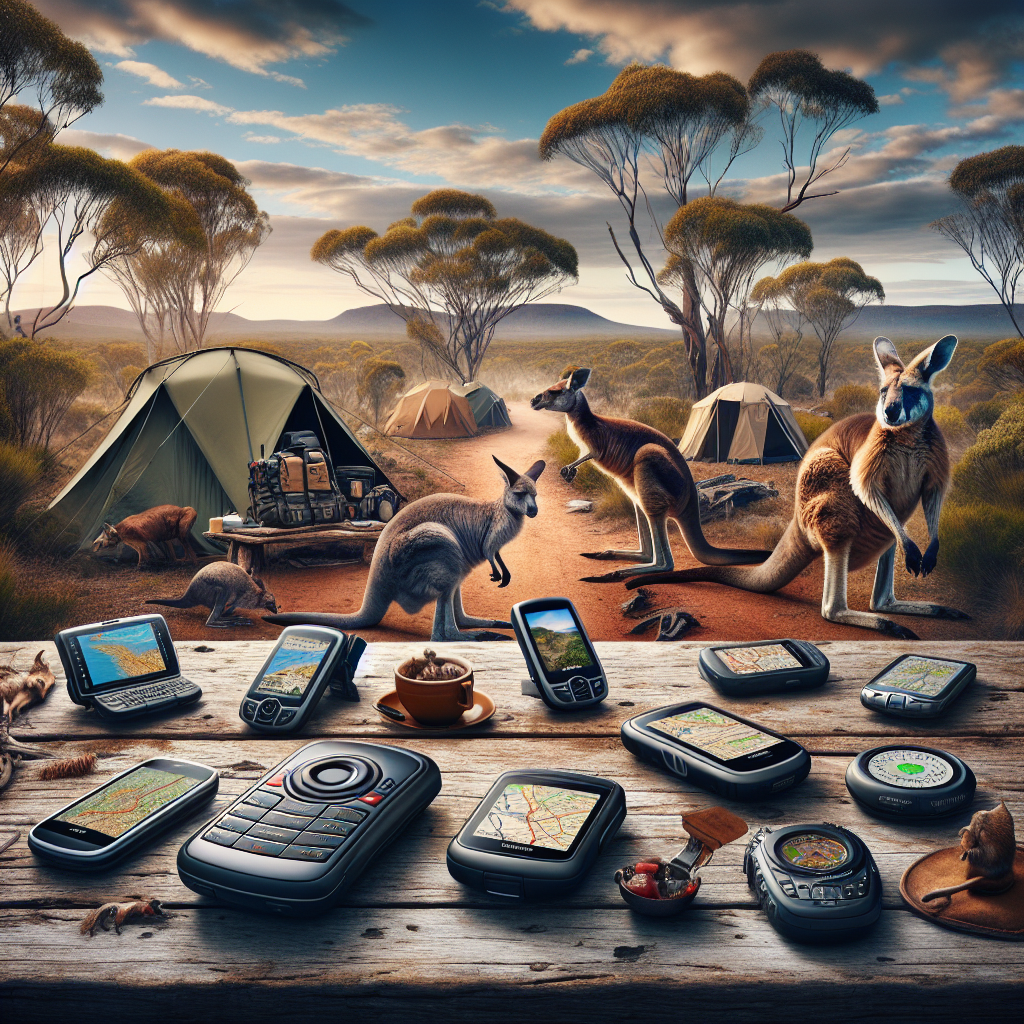
Expert Recommendations: Top GPS Devices for Outdoor Camping Enthusiasts

Getting lost in the great outdoors? Not on our watch! A quality GPS device is more than just a gadget; it’s your lifeline when you’re miles away from civilization. We’ve grilled, tested, and personally abused (for science, of course!) a whole stack of GPS devices to bring you the crème de la crème. So, whether you’re a seasoned trekker or a weekend camper, read on to discover the GPS unit that’ll keep you on track and maybe even save your bacon.
Why You Absolutely Need a GPS Device for Camping
Because that paper map you bought in 2005 might not cut it. Okay, maps are awesome, and knowing how to use a compass is crucial (we’ll touch on that later), but a modern GPS device brings a whole new level of security and functionality to your outdoor adventures.
What you need is a solid GPS device, not just for the convenience factor, but for the peace of mind it offers.
- Enhanced Navigation: Dead reckoning is cool and all, but GPS gives you precise positioning, even in dense forests or tricky terrain.
- Safety: Built-in SOS features can be a game-changer in emergencies.
- Route Planning: Plot your course in advance and follow it with confidence.
- Data Tracking: Monitor your speed, distance, and elevation—perfect for analyzing your performance or just bragging rights around the campfire.
Top GPS Devices: Our Expert Picks
Alright, let’s face it! Choosing the perfect GPS device can feel like navigating a maze. But fear not! We’ve done the legwork, sifting through countless models to bring you our top picks. Each of these devices has been rigorously tested in real-world conditions—from sun-drenched trails to rain-soaked forests—to ensure they meet the demands of any camping enthusiast.
Garmin GPSMAP 66i: The Rugged Communicator
When it comes to reliability and features, the Garmin GPSMAP 66i is a top contender. This thing is built like a tank—ready to withstand pretty much anything you throw at it. Garmin’s site showcases its durability.
- Key Features:
- inReach satellite communication (SOS, messaging)
- Preloaded TopoActive maps
- Color display
- Long battery life (up to 200 hours in expedition mode)
- Why We Love It: The satellite communication is a lifesaver, especially when you’re venturing into areas without cell service. Plus, the preloaded maps are incredibly detailed.
- Potential Downsides: It’s a bit on the pricier side, and the interface can take some getting used to.
- Who It’s For: Serious adventurers, backcountry hikers, and anyone who prioritizes safety and connectivity.
Garmin eTrex 32x: The Budget-Friendly Workhorse
Don’t want to break the bank but still need a reliable GPS? The Garmin eTrex 32x is your go-to. It might not have all the bells and whistles, but it gets the job done, plain and simple.
- Key Features:
- Preloaded TopoActive maps
- Color display
- GPS and GLONASS support
- Water resistant
- Why We Love It: It’s affordable, easy to use, and surprisingly rugged for its size.
- Potential Downsides: The screen is relatively small, and it lacks advanced features like satellite communication.
- Who It’s For: Casual campers, hikers on a budget, and anyone who needs a basic, dependable GPS.
Magellan eXplorist TRX7: The Off-Road Navigator
If your camping adventures involve more horsepower than hiking boots, the Magellan eXplorist TRX7 is worth a look. This GPS is designed specifically for off-road vehicles, with features tailored to overlanding and exploring remote areas.
- Key Features:
- Large 7-inch touchscreen display
- Preloaded street and topographic maps
- Off-road trail database
- Vehicle performance monitoring
- Why We Love It: The large display is easy to read, even in bright sunlight, and the trail database is a huge asset for off-road enthusiasts.
- Potential Downsides: It’s bulky and power-hungry, so you’ll need a good power source for extended trips.
- Who It’s For: Overlanders, off-road vehicle enthusiasts, and anyone who needs a GPS designed for motorized adventures.
Suunto 9 Baro: The Multisport Marvel
For those who like to mix their camping with a bit of trail running, mountain biking, or other outdoor sports, the Suunto 9 Baro is an excellent choice. This multisport watch offers a ton of features in a compact, wrist-worn package.
- Key Features:
- GPS, GLONASS, Galileo, and QZSS support
- Barometric altimeter
- Heart rate monitoring
- Long battery life (up to 120 hours in GPS mode)
- Why We Love It: It’s lightweight, comfortable to wear, and packed with features for tracking a wide range of activities.
- Potential Downsides: The small screen can be a bit difficult to read at times, and it’s not as rugged as some dedicated GPS devices.
- Who It’s For: Multisport athletes, trail runners, and anyone who wants a versatile GPS watch for their outdoor adventures.
Gaia GPS App: The Smartphone Savior
Okay, a smartphone app isn’t technically a dedicated GPS device, but it can be a surprisingly effective tool for navigation—especially if you’re already carrying your phone anyway. Gaia GPS is one of the best mapping apps out there, with a robust set of features for planning and navigating outdoor adventures.
- Key Features:
- Offline maps
- Route planning tools
- GPS tracking
- Integration with other apps and devices
- Why We Love It: It’s affordable (compared to a dedicated GPS), easy to use, and incredibly versatile. Plus, you can download maps for offline use, so you don’t need cell service.
- Potential Downsides: Battery life can be an issue, and smartphones aren’t as rugged as dedicated GPS devices.
- Who It’s For: Casual hikers, campers on a budget, and anyone who wants a convenient, all-in-one navigation tool.
Key Features to Consider When Choosing a GPS Device
Not all GPS devices are created equal. Before you drop your hard-earned cash, here’s what you need to consider.
Battery Life: How Long Can It Last?
This one’s a no-brainer. The longer the battery life, the better. Look for devices that offer at least 20 hours of use in GPS mode. And consider carrying a portable power bank for extended trips. Remember, cold weather chews through batteries faster than you can say “hypothermia,” so plan accordingly!
Durability: Can It Take a Beating?
Your GPS is going to get bumped, dropped, and exposed to the elements. Make sure it’s built to withstand some abuse. Look for devices with a rugged casing and water resistance.
A device that can shrug off a bit of rough handling is worth its weight in gold (or, you know, lithium-ion batteries).
Mapping: What Kind of Maps Does It Use?
Preloaded maps are convenient, but make sure they’re detailed and accurate. Topographic maps are essential for hiking and backpacking, showing elevation changes and terrain features. Also, check if the device allows you to download additional maps or use custom maps.
Ease of Use: Is It Intuitive?
A GPS device is only as good as its user interface. Look for a device that’s easy to navigate and has clear, readable menus. Bonus points for a touchscreen display, but make sure it works well with gloves!
Connectivity: Does It Sync with Other Devices?
Some GPS devices can connect to your smartphone, computer, or other devices, allowing you to transfer data, download updates, and share your adventures. This can be a handy feature, especially if you’re into data analysis or social media sharing.
Satellite Communication: Can It Save Your Life?
If you’re venturing into remote areas without cell service, a GPS device with satellite communication is a must-have. These devices allow you to send and receive messages, share your location, and even trigger an SOS in an emergency. It’s not just about convenience; it’s about safety.
GPS vs. Map and Compass: Why Not Both?
Alright, let’s be real: GPS devices are fantastic, but they’re not foolproof. Batteries die, screens break, and satellites can sometimes be unreliable. That’s why it’s crucial to know how to use a map and compass. Think of your GPS as your primary navigation tool and your map and compass as your backup.
Knowing how to use them together is the ultimate power combo for any outdoor enthusiast.
The Art of Orienteering: A Lost Skill Worth Reviving
Orienteering—the art of navigating with a map and compass—is a valuable skill that can enhance your outdoor adventures and potentially save your life. It teaches you how to read terrain, understand map symbols, and navigate using bearings and distances. Plus, it’s a fun mental workout!
Combining GPS and Traditional Navigation: The Best of Both Worlds
The savvy camper uses both GPS and traditional navigation techniques. Use your GPS to plan your route and track your progress, but always carry a map and compass and know how to use them. This way, you’re prepared for anything, whether it’s a dead battery or a sudden whiteout.
Tips for Using Your GPS Device Effectively
You’ve got your fancy new GPS device. Great! Now, how do you make the most of it?
- Practice at Home: Don’t wait until you’re in the middle of the wilderness to figure out how your GPS works. Spend some time playing around with it at home, familiarizing yourself with the menus and features.
- Download Maps in Advance: Make sure you have all the maps you need downloaded to your device before you leave. This way, you won’t be relying on cell service (which you probably won’t have anyway).
- Calibrate Your Compass: If your GPS has a built-in compass, calibrate it regularly to ensure accuracy. This is especially important if you’re using the compass for navigation.
- Create Waypoints: Mark important locations along your route, such as campsites, water sources, and trail junctions. This will make it easier to navigate and stay on track.
- Conserve Battery Life: Adjust the screen brightness, turn off unnecessary features, and carry a portable power bank. You can even put your GPS into power-saving mode when you’re not actively navigating.
- Protect Your Device: Use a screen protector and a durable case to protect your GPS from scratches, impacts, and the elements.
Staying Safe: Emergency Preparedness with GPS
No matter how experienced you are, accidents can happen. A GPS device can be a valuable tool in an emergency, helping you call for help, navigate to safety, and stay connected with the outside world.
SOS Features: A Lifesaver in Critical Situations
Many GPS devices come with built-in SOS features that allow you to send an emergency message to a rescue center. This can be a lifesaver if you’re injured, lost, or in danger.
These devices connect to global networks, ensuring that your distress call gets through, no matter how remote your location.
Sharing Your Location: Letting People Know Where You Are
Some GPS devices allow you to share your location with friends or family members, so they can track your progress and know where you are in case of an emergency. This can provide peace of mind and make it easier for rescuers to find you if something goes wrong.
Navigating to Safety: Finding Your Way Back
If you get lost or disoriented, your GPS can help you navigate back to your campsite, trailhead, or other known location. Use waypoints, track your route, and follow the GPS guidance to find your way back safely.
Camp Security: Using GPS to Protect Your Gear
It’s a sad reality, but theft can happen, even in the wilderness. A GPS device can help you protect your camp and your gear, whether you’re gone for a few hours or a few days.
Marking Your Campsite: Ensuring You Can Find It Again
Before you leave your campsite, mark it as a waypoint on your GPS. This way, you can easily find your way back, even if the terrain has changed or visibility is poor.
GPS Trackers: Keeping an Eye on Your Valuables
Consider using a small GPS tracker to monitor your valuable gear, such as your tent, backpack, or kayak. If someone tries to steal your gear, you’ll be able to track its location and alert the authorities.
Setting Up Geofences: Receiving Alerts When Gear Moves
Some GPS devices allow you to set up geofences, which are virtual boundaries that trigger an alert when a device enters or leaves the area. You can use this feature to protect your campsite or your vehicle, receiving a notification if anything moves without your permission.
Final Thoughts: Embrace Technology Responsibly
A GPS device is a powerful tool for outdoor camping enthusiasts, but it’s not a replacement for common sense, good judgment, and basic outdoor skills. Use your GPS responsibly, respect the environment, and always be prepared for the unexpected. With the right gear and the right attitude, you can enjoy countless safe and memorable adventures in the great outdoors.
Frequently Asked Questions (FAQ)
DISCLAIMER
Please note that while we strive to provide accurate and up-to-date information, the use of GPS devices and navigation techniques in the outdoors carries inherent risks. Always exercise caution, be aware of your surroundings, and make informed decisions based on your own abilities and experience. The recommendations provided in this article are for informational purposes only and should not be considered a substitute for professional training or guidance. Weather elements can affect both electronic devices and navigation by traditional means, so always be fully prepared and check weather conditions before venturing out. It’s also important that as Amazon Associates, we earn from qualifying purchases.
Categories
- Navigation & Safety (68)
- Shelter & Sleep (72)
Top rated products
-
 Effortless Power: 20 W Solar Charger for Blink Outdoor Cameras Rated 5.00 out of 5
$45.66Original price was: $45.66.$31.82Current price is: $31.82. -
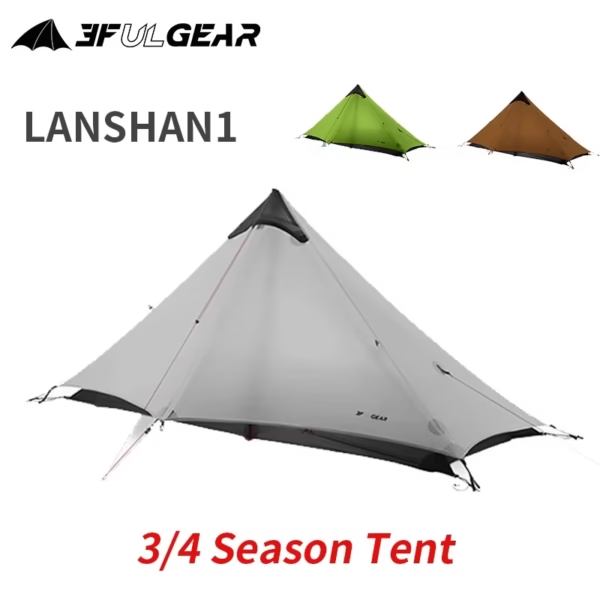
Ultralight 3 F UL GEAR Lan Shan 1 Tent for Solo Adventures Rated 5.00 out of 5
$359.23Original price was: $359.23.$250.38Current price is: $250.38. -
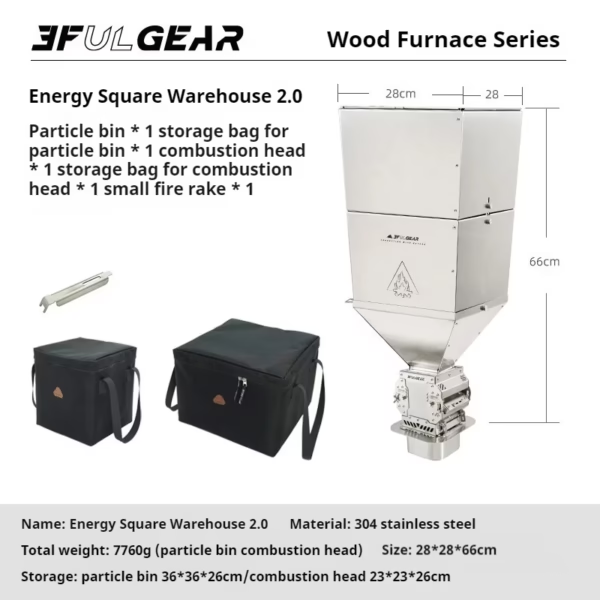
Ultimate 3 F UL GEAR 2.0 Stainless Steel Pellet Fuel Hopper Rated 5.00 out of 5
$555.43Original price was: $555.43.$387.12Current price is: $387.12.



Product Gallery
-
 Ultimate 2-3 Person Inflatable Kayak for Fishing Fun Rated 5.00 out of 5
$1,551.37Original price was: $1,551.37.$1,081.26Current price is: $1,081.26. -
VEVOR 550 lb Heavy-Duty Folding Wagon & Bench for Adventurers
$156.01 – $253.61Price range: $156.01 through $253.61
-
Adventure-Ready Ultra Bright LED Headlamp with 3 Modes
$4.67 – $25.14Price range: $4.67 through $25.14









 Camping Gear
 Camping Chair
 Camping Table
 Sleeping Bags
 Camping Bed
 Sleeping Gear
 Storage Bags
 BBQ Portable
 Camping Tents
 Gazebos
 Outdoor Cooler
 Cookware
 Power
Power Camping Light
 Flashlight
 Portable Solar
 Power Banks
 Fish Finders
 Fishing Bags
 Fishing Jerseys
 Fishing Reels
 Fishing Chairs
 Fishing Bait Boat
 Fishing Floats
 Hard Baits
 Hiking Vests
 Outdoor Bags
 Water Filters
 Paracord
 Walkie Talkie
 Paddleboards
 Boats
Boats Sea Scooter
 Accessories
 Electric Bike
 Electric Scooter
Recent Comments