

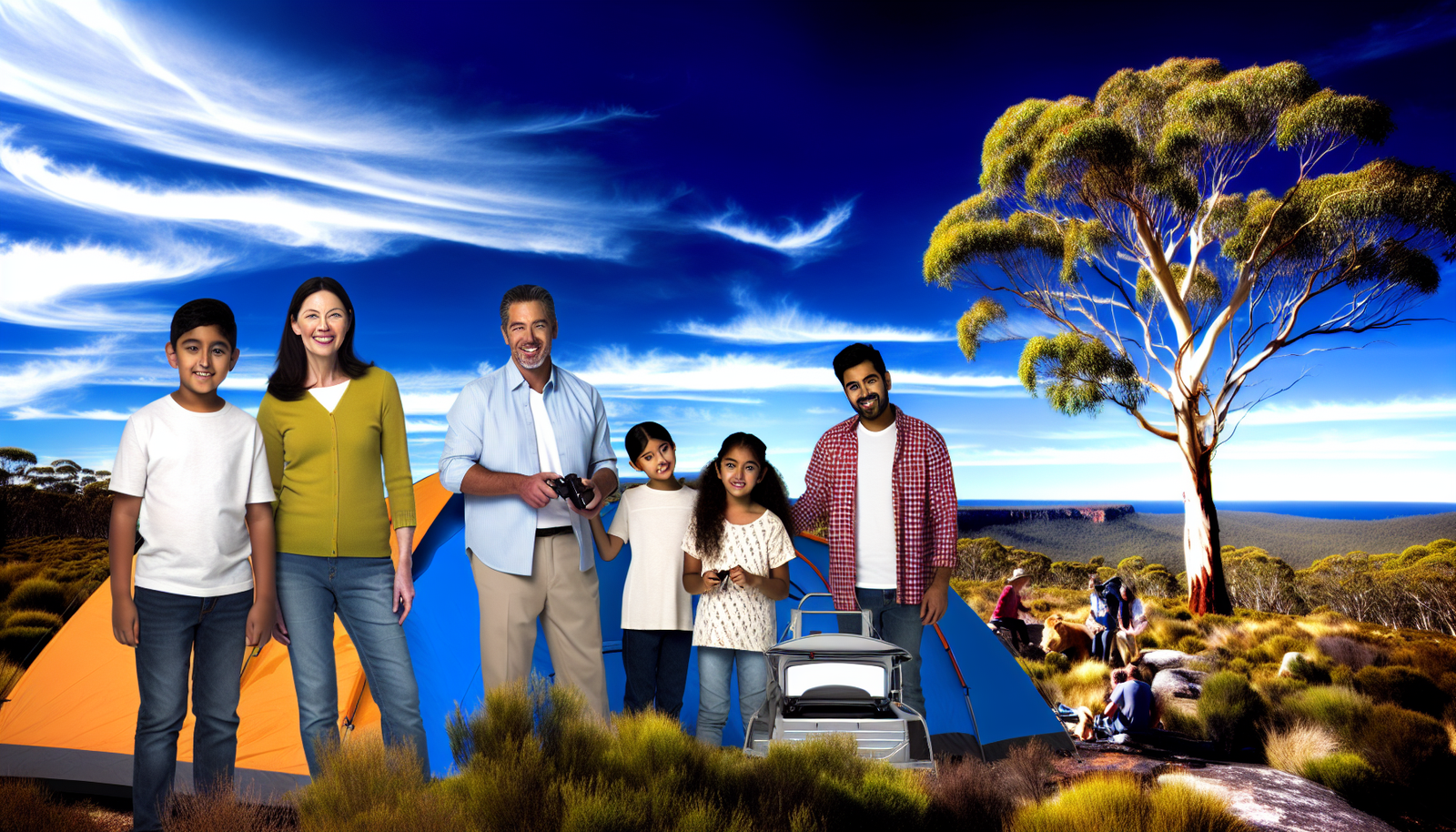

Ah, family camping. The smell of woodsmoke, the sound of crickets, the sight of… well, your kids arguing over who gets the last marshmallow. Good times, right? But before you can even think about roasting s’mores, you need a tent. And let’s be honest, camping gear can get expensive faster than you can say “bear attack” (though hopefully, you won’t have to say that at all!).
So, how do you find a tent that won’t break the bank but will still keep your family dry and (relatively) happy? Let’s break it down. Because honestly, nobody wants to start their vacation in debt and soaking wet.
Why Camping is Awesome (Even on a Budget)
Alright, let’s talk about why camping is such a great idea, even if you’re counting every penny. I mean, sure, you could drop a small fortune on a fancy resort. But then you’d miss out on…
- Quality time: Unplugged and away from screens. Remember when you used to talk to each other?
- Nature’s wonders: Sunsets, stars, hiking trails. It’s cheaper than therapy and probably more effective.
- Adventure: Exploring new places, building a campfire, maybe even spotting some wildlife (from a safe distance, of course).
- Memories: Those slightly chaotic, slightly sticky, totally unforgettable family moments. You can’t put a price on that.
Camping connects us to something bigger, something simple. It’s a chance to recharge, reconnect, and remember what’s truly important. And, frankly, it’s a heck of a lot more fun than staring at a spreadsheet trying to figure out how to pay for that fancy resort.
Understanding Tent Types: What’s Out There?
Okay, so you’re sold on the camping thing. Now comes the fun (and potentially confusing) part: picking a tent. There are more tent types out there than there are flavors of ice cream (and that’s saying something!). Don’t worry; we’ll keep it simple, shall we?
Dome Tents: The Classic Choice
These are your basic, everyday tents. They’re easy to set up, relatively lightweight, and generally quite affordable. Dome tents are great for smaller families or couples. The curved shape means less headroom near the edges, but they’re pretty stable in windy conditions.
Cabin Tents: More Like a Home Away From Home
Cabin tents have straight walls and high ceilings, making them feel more spacious. They’re great for larger families who want more room to move around. However, they’re usually heavier and can be more difficult to set up, also are less wind-resistant than dome tents.
Tunnel Tents: Spacious and Sturdy
Tunnel tents are shaped like, well, tunnels. They offer a good balance of space and stability, making them a decent option for families camping in varied weather conditions. They’re not always the cheapest, but you can find affordable options if you shop around.
Pop-Up Tents: Instant Gratification (Almost)
These tents practically set themselves up. Just toss them in the air, and *poof*, you have shelter. Pop-up tents are super convenient for festivals or quick weekend getaways, but they’re usually not very durable or weatherproof, not ideal for a family camping in varying weather conditions.
Size Matters: How Big Should Your Tent Be?
Here’s a general rule of thumb: assume you need more space than the tent’s “person” rating suggests. A “4-person” tent might comfortably fit two adults, a Labrador, and some gear, but with most 4-person tent you are going to feel like sardines.
Consider these factors when determining the right size:
- Number of people: Obviously.
- Sleeping arrangements: Are you using sleeping bags or air mattresses? Air mattresses take up a lot of space.
- Gear storage: Do you want to keep your backpacks and other gear inside the tent?
- Comfort level: Do you want to be able to stand up and move around easily? Or are you okay with crawling around on your hands and knees?
For most families, a 6-person tent is a good starting point. You can always go bigger, but remember that a larger tent will be heavier and take longer to set up.
Material World: Fabric and Features to Consider
The material of your tent affects its durability, water resistance, and breathability. Here’s a quick rundown:
Tent Fabric: What Keeps the Rain Out?
- Polyester: A common and affordable option. Polyester is water-resistant and relatively lightweight.
- Nylon: Stronger and more durable than polyester, but also more expensive. Nylon tents often have a waterproof coating.
- Canvas: The most durable and water-resistant option, but also the heaviest and most expensive. Canvas tents are great for extended camping trips or base camps.
Water Resistance: Stay Dry, Stay Happy
Water resistance is measured in millimeters (mm). A higher number means better water resistance. Look for a tent with a minimum rating of 1500mm for the rainfly and 3000mm for the floor. But honestly, if you’re expecting heavy rain, you should also consider a footprint (a ground tarp) to protect the tent floor.
Breathability: Avoid the Sauna Effect
Breathability refers to how well the tent allows moisture to escape. Good ventilation is essential to prevent condensation inside the tent. Look for tents with mesh panels and vents.
Other Important Features: Don’t Forget the Details!
- Seams: Make sure the seams are sealed to prevent water leakage.
- Zippers: Look for sturdy zippers that won’t break easily.
- Poles: Fiberglass poles are more affordable, while aluminum poles are stronger and more durable.
- Storage pockets: Inside pockets are great for keeping small items organized.
- Rainfly: A rainfly is a waterproof cover that goes over the tent to provide extra protection from the elements.
Setting a Budget: How Much is Too Much?
Okay, let’s get down to brass tacks. How much should you spend on a family camping tent? It depends on your needs and priorities, but here’s a general guideline:
- Budget: $100-$200. You can still find a decent tent in this range, but you might have to compromise on features or durability.
- Mid-Range: $200-$400. This is the sweet spot for most families. You can find a well-made tent with good features and decent durability.
- High-End: $400+. If you’re a serious camper and want the best of the best, this is where you’ll find it. But honestly, most families don’t need to spend this much.
Remember to factor in other camping expenses like sleeping bags, cooking gear, and camping chairs. It all adds up!
Where to Buy: Shopping Smart for Deals
Now that you know what you’re looking for, where should you buy your tent?
Online Retailers: Convenience at Your Fingertips
Websites like Amazon, REI, and Bass Pro Shops offer a wide selection of tents at competitive prices. You can also read customer reviews to get an idea of the tent’s quality and performance. Just be sure to check the return policy before you buy.
Sporting Goods Stores: See Before You Buy
Stores like Dick’s Sporting Goods and Academy Sports + Outdoors allow you to see the tents in person before you buy them. You can also talk to sales associates who can answer your questions.
Discount Retailers: Hidden Gems
Keep an eye out for sales and clearance deals at stores like Walmart and Target. You might be surprised at what you can find.
Used Gear: Save Big (But Be Careful)
Websites like Craigslist and Facebook Marketplace can be great places to find used camping gear at a fraction of the price. Just be sure to inspect the tent carefully for damage before you buy it.
Top Affordable Tent Recommendations: Some of My Favourites
Okay, I’m gonna suggest a couple of affordable tents I like. I spend a good bit of time in nature, and these are great for families on a budget.
- Coleman Sundome 6-Person Tent: A classic, reliable option that won’t break the bank. You know, I’ve used a Coleman tent almost identical to this one for years. Durable, easy to set up. I’ve seen them on sale for a steal.
- Wenzel Kodiak 9-Person Tent: A spacious cabin tent with good ventilation and water resistance. You know what? These are tough tents. Good for bigger families who need room to stand up.
- Core 9 Person Extended Dome Tent: Offers lots of space and can be divided into multiple rooms. Honestly, it’s like a portable condo. It would be great for families with older kids who want their own space.
Setting Up Camp: Tips for Tent Longevity
So, you’ve got your tent. Now what? Here are a few tips for setting up camp and extending the life of your tent:
- Choose your campsite carefully: Look for a flat, level spot that’s free of rocks and roots.
- Use a footprint: A footprint (a ground tarp) will protect the tent floor from abrasion and moisture. Trust me, it’s worth the investment to protect the floor.
- Stake it down properly: Use all the stakes that came with the tent, and make sure they’re securely anchored in the ground. You really don’t want your tent to blow away in the middle of the night.
- Guy it out: Guy lines are ropes that attach to the tent and help to stabilize it in windy conditions. Use them!
- Clean it regularly: Wipe down the tent with a damp cloth after each use.
- Store it properly: Make sure the tent is completely dry before you store it. Store it in a cool, dry place away from direct sunlight. Honestly, mold is the enemy.
Post-Camping Care: Keeping Your Tent in Tip-Top Shape
Okay, so you’ve survived your camping trip. Congrats! But the work’s not over yet. Proper post-camping care can extend the life of your tent for years. Let me walk you through the essentials:
- Clean it: I can’t stress this enough. Remove any dirt, leaves, or debris from the tent before packing it away. A soft brush or damp cloth works wonders.
- Dry it completely: This is crucial. Never, ever pack away a wet tent. Mold and mildew are your tent’s worst enemies. Hang it up inside out or spread it out in the sun until it’s bone dry.
- Check for damage: Give your tent a thorough once-over. Look for tears, holes, or damaged zippers. Repair them promptly to prevent further damage.
- Store it loosely: Avoid folding the tent along the same lines every time, as this can weaken the fabric. Stuff it loosely into its storage bag.
- Store it in a cool, dry place: Avoid storing your tent in direct sunlight or in a damp basement. A closet or garage shelf works best.
Regular cleaning, drying, and proper storage will ensure that your tent is ready for your next adventure. Plus, when you pull it out of storage, seeing it looking clean and cared for will make you feel like a champ.
Camping Games and Activities: Fun on a Dime
Camping doesn’t have to be expensive to be fun. There are plenty of free or low-cost activities to keep your family entertained:
- Hiking: Explore the trails around your campsite.
- Swimming: If there’s a lake or river nearby, take a dip.
- Campfire stories: Tell spooky tales around the campfire.
- Stargazing: Look for constellations.
- Nature scavenger hunt: Create a list of items for your kids to find.
- Card games: Pack a deck of cards and play some classics.
- Board games: Bring a travel-sized board game.
Remember, the best camping memories are often the simplest ones. Sometimes, all you need is a campfire, some marshmallows, and a good story.
Safety First: Essential Precautions for Family Camping
Okay, safety first! Before you head out into the great outdoors, make sure you’re prepared for anything.
- First-aid kit: Pack a comprehensive first-aid kit and know how to use it.
- Navigation: Bring a map and compass, and know how to use them.
- Weather: Check the forecast before you go, and be prepared for changing conditions.
- Wildlife: Be aware of the local wildlife, and take precautions to avoid encounters. Store food properly, and never feed the animals.
- Fire safety: Follow all fire safety regulations, and never leave a campfire unattended.
- Water safety: If you’re camping near water, be aware of the risks of drowning. Supervise children closely, and wear life jackets.
- Sun protection: Wear sunscreen, hats, and sunglasses.
The great outdoors can be an amazing place. But it’s important to be prepared and take precautions to stay safe. You know?
FAQ: Your Burning Tent Questions Answered
DISCLAIMER
Please note that while I strive to provide accurate and reliable information, I am not a professional camping expert. Always prioritize safety and consult with experienced campers or park rangers for specific advice related to your camping location and conditions. Weather conditions can change rapidly. Always check local weather forecasts before embarking on a camping trip and be prepared for unexpected changes. Wildlife encounters can be dangerous. Store food properly and take precautions to avoid attracting animals to your campsite. Fire safety is crucial to prevent wildfires. Follow all fire safety regulations and never leave a campfire unattended. Lastly always follow Leave no Trace principles to minimize your impact on the environment and preserve natural areas for future generations.
Categories
- Navigation & Safety (68)
- Shelter & Sleep (72)
Top rated products
-
 Compact 70 CM Fishing Rod Bag - Your Adventure Awaits! Rated 5.00 out of 5$14.20 – $18.17Price range: $14.20 through $18.17
 -
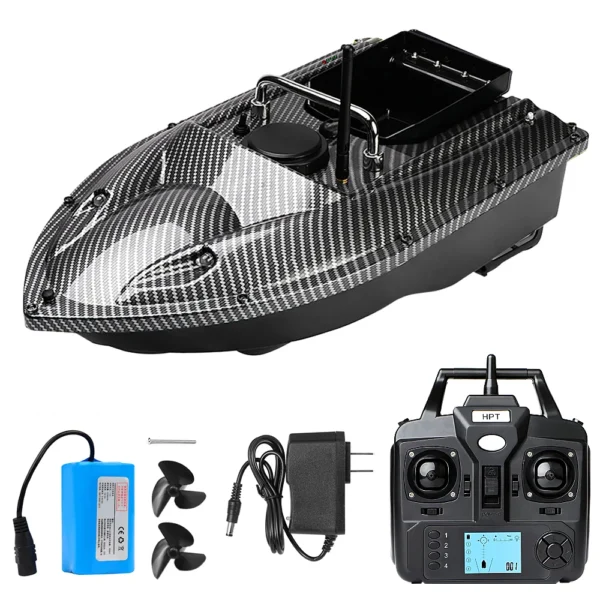
Elevate Your Fishing with C118 GPS Remote Bait Boat Rated 5.00 out of 5
$307.61Original price was: $307.61.$214.40Current price is: $214.40. -
CNSUP 12 ft Inflatable Yellow Paddle Board - Adventure Awaits! Rated 5.00 out of 5$280.24 – $479.36Price range: $280.24 through $479.36



Product Gallery
-
 Ultimate 2-3 Person Inflatable Kayak for Fishing Fun Rated 5.00 out of 5
$1,537.10Original price was: $1,537.10.$1,071.31Current price is: $1,071.31. -
VEVOR 550 lb Heavy-Duty Folding Wagon & Bench for Adventurers
$154.16 – $250.60Price range: $154.16 through $250.60
-
Adventure-Ready Ultra Bright LED Headlamp with 3 Modes
$4.63 – $21.74Price range: $4.63 through $21.74










 Camping Gear
 Camping Chair
 Camping Table
 Sleeping Bags
 Camping Bed
 Sleeping Gear
 Storage Bags
 BBQ Portable
 Camping Tents
 Gazebos
 Outdoor Cooler
 Cookware
 Power
Power Camping Light
 Flashlight
 Portable Solar
 Power Banks
 Fish Finders
 Fishing Bags
 Fishing Jerseys
 Fishing Reels
 Fishing Chairs
 Fishing Bait Boat
 Fishing Floats
 Hard Baits
 Hiking Vests
 Outdoor Bags
 Water Filters
 Paracord
 Walkie Talkie
 Paddleboards
 Boats
Boats Sea Scooter
 Accessories
 Electric Bike
 Electric Scooter
Recent Comments