<h1>Family Camping Tent Guide: Finding the Perfect Shelter for Your Adventure</h1>
<p>Planning a family camping trip? Awesome!  But before you daydream about s'mores and starry nights, let's talk about the unsung hero of your adventure: the tent.  Choosing the right family camping tent can make or break your experience. Seriously. A leaky tent in the middle of a rainstorm is nobody's idea of a good time.</p>
<h2>Why a Good Family Tent is a Game Changer</h2>
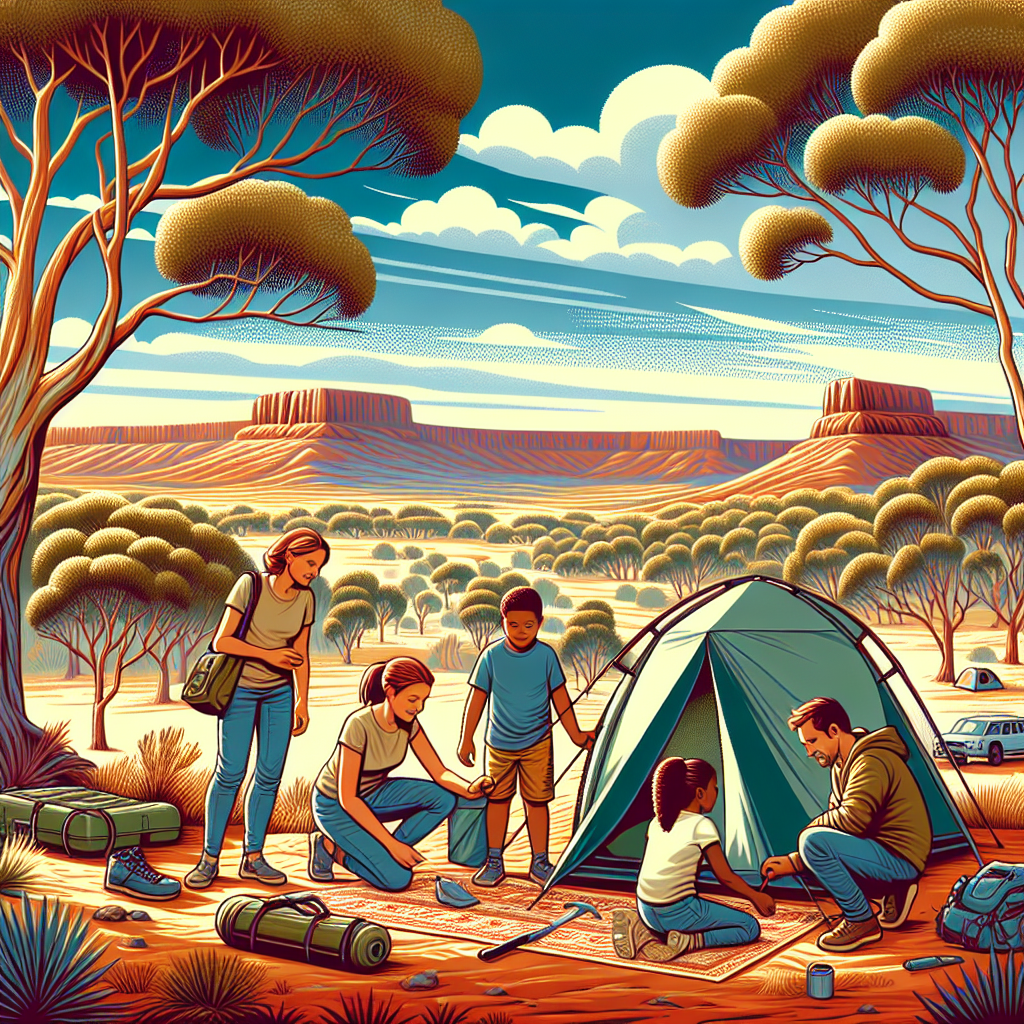
<p>Think of your tent as your home away from home. It's where you'll sleep, relax, and maybe even play a board game or two if the weather turns sour.  A good tent provides shelter from the elements, security from creepy crawlies (more on that later!), and a comfortable space for everyone to unwind after a day of hiking, swimming, or whatever adventures you have planned. </p>
<p>Now, a bad tent? Well, that can lead to damp sleeping bags, cranky kids, and a whole lot of wishing you were back in your own bed.  Trust me, I've been there.  You don't want that.

    And you know what? A perfect shelter enhances the camping experience by creating a comfortable and inviting space for relaxation, sleep, and family bonding, regardless of the weather conditions.

</p>
<img src="https://m.media-amazon.com/images/I/71aNfHXXiDL._AC_UF1000,1000_QL80_.jpg" alt="Family Camping Tent"  />
<h2>Size Matters:  How Much Space Do You Really Need?</h2>
<p>Okay, let's get down to brass tacks.  When it comes to family tents, bigger isn't always better... but smaller definitely isn't! Most manufacturers will tell you a tent's "sleeping capacity," but honestly, that's usually a *very* optimistic estimate.
<br>

    Let me explain. A tent labeled as a "6-person tent" might comfortably fit four adults, or maybe two adults and three kids with some gear. Don't expect palatial living!

</p>
<p><b>Here's my rule of thumb:</b> Add two to the number of people who will be sleeping in the tent.  So, for a family of four, you'll want at least a 6-person tent, and maybe even an 8-person if you want some extra wiggle room.  Think about it – you'll need space for sleeping bags, backpacks, clothes, and all the other paraphernalia that comes with family camping.

</p>
<p><b>Also crucial:</b> Consider the height of the tent. Can you stand up comfortably inside?  Being able to stand up straight is a lifesaver, especially when you're changing clothes or just trying to avoid feeling claustrophobic.
</p>
<p> Honestly, crouching and crawling around gets old <i>fast</i>.

</p>
<h2>Tent Types:  From Dome to Cabin, Which is Right for You?</h2>
<p>The world of tents is vast and varied!  Here's a rundown of some of the most popular types for family camping.

</p>
<ul>

    <li><b>Dome Tents:</b> These are the classic, all-around tents. They're relatively easy to set up, lightweight, and offer good weather protection. Dome tents are great for smaller families or for those who prioritize portability.</li>

    <br>

    <li><b>Cabin Tents:</b> Cabin tents have near-vertical walls, providing more headroom and a more "room-like" feel. They're fantastic for larger families who want a comfortable, spacious camping experience.  The downside? They can be heavier and more challenging to set up than dome tents.</li>

    <br>

    <li><b>Tunnel Tents:</b> These tents are long and semi-circular, offering a good balance of space and stability. They're often used in Europe, and they're gaining popularity in North America as well.</li>

    <br>

    <li><b>Instant/Pop-Up Tents:</b> Need speed? Instant tents are pre-assembled, so you just unfold them and *bam* – your tent is ready to go. These are perfect for those who hate setting up tents or for quick weekend getaways. But remember, convenience sometimes comes at the cost of durability.</li>

</ul>
<p>There are also hybrid designs and specialized tents, but these are the main categories you'll encounter when shopping for a family camping tent.

</p>
<p><b>But how do I choose?</b> It depends on your priorities. Think about how many people you need to accommodate, how much space you want, and how important ease of setup is to you.

</p>
<h2>Material Matters:  What Your Tent is Made Of (and Why It's Important)</h2>
<p>  The materials used in your tent's construction directly affect its durability, weather resistance, and weight. Here's a quick overview:

</p>
<ul>

    <li><b>Tent Body:</b> Most tent bodies are made of nylon or polyester. Polyester is generally more water-resistant and UV-resistant than nylon, but nylon is often lighter and stronger.</li>

    <br>

    <li><b>Tent Floor:</b> The floor is usually made of a thicker, more durable material than the tent body, often with a waterproof coating. Polyethylene (PE) is a common (and budget-friendly) option, but it's not as durable as polyester or nylon.</li>

    <br>

    <li><b>Rainfly:</b> The rainfly is a separate waterproof covering that goes over the tent body. It's essential for keeping you dry in wet weather.  Look for rainflies with a high waterproof rating (more on that below).</li>

    <br>

    <li><b>Tent Poles:</b> Tent poles are typically made of fiberglass or aluminum. Fiberglass poles are cheaper but more prone to breaking. Aluminum poles are lighter, stronger, and more durable, but they come at a higher cost.</li>

</ul>
<p><b>And what about coatings?</b> Many tents have a waterproof coating (usually polyurethane or silicone) applied to the fabric. This coating helps to repel water and keep the inside of the tent dry.

</p>
<p>You know what? Investing in a tent made from durable materials will pay off in the long run. You'll be able to use it for many years, and you'll be less likely to experience problems like leaks, tears, or broken poles.

</p>
<p> Did you know that some manufacturers treat tent fabrics with a UV protectant? This helps to prevent the fabric from degrading in sunlight, extending the life of your tent.

</p>
<h2>Waterproof Ratings:  Decoding the Numbers (So You Don't Get Soaked)</h2>
<p>Waterproof ratings can be confusing, but they're important to understand. A waterproof rating measures how much water pressure a fabric can withstand before it starts to leak. The rating is usually expressed in millimeters (mm).

</p>
<ul>

    <li><b>1000mm - 1500mm:</b> This is considered water-resistant, not waterproof. Tents with this rating are suitable for light rain or drizzle, but not for heavy downpours.</li>

    <br>

    <li><b>2000mm - 3000mm:</b> This is a good waterproof rating for most camping conditions. Tents with this rating can handle moderate rain and wind.</li>

    <br>

    <li><b>3000mm+:</b> This is a high waterproof rating, suitable for heavy rain, snow, and strong winds. If you're camping in areas with unpredictable weather, look for a tent with a rating of 3000mm or higher.</li>

</ul>
<p><b>Don't forget the floor!</b> The tent floor should have a higher waterproof rating than the tent body and rainfly, as it's more likely to come into contact with standing water.

</p>
<p><b>Seams:</b> Make sure the tent seams are sealed or taped. This prevents water from seeping through the tiny holes created by the stitching.

</p>
<p><b>But what if my tent isn't waterproof enough?</b> You can improve a tent's waterproofing by applying a seam sealer to the seams and a waterproofing spray to the fabric.

</p>
<h2>Ventilation:  Keeping Cool (and Avoiding Condensation)</h2>
<p>Ventilation is just as important as waterproofing.  A well-ventilated tent will help to prevent condensation from building up inside, which can make you feel damp and uncomfortable.

</p>
<ul>

    <li><b>Mesh Panels:</b> Look for tents with large mesh panels in the walls and roof. These allow air to circulate while keeping bugs out.</li>

    <br>

    <li><b>Vents:</b> Some tents have adjustable vents that you can open or close to control airflow.</li>

    <br>

    <li><b>Rainfly Design:</b> The rainfly should be designed to allow for airflow, even when it's fully deployed.  Look for rainflies that have vents or can be partially rolled up.</li>

</ul>
<p><b>Condensation:</b> Condensation occurs when warm, moist air inside the tent comes into contact with the cooler tent walls.  It's more likely to happen in cool weather or when camping near water.

</p>
<p><b>How to reduce condensation:</b> Open the vents, roll up the rainfly (if possible), and avoid bringing wet clothes or gear inside the tent.

</p>
<p>Honestly, nobody wants to wake up in a wet tent, even if it's just from condensation.

    Choosing a tent with good ventilation is key to a comfortable camping experience.

</p>
<h2>Features to Look For:  Doors, Windows, and Other Goodies</h2>
<p>  Beyond the basics, there are a few other features that can make your family camping tent even more comfortable and convenient.

</p>
<ul>

    <li><b>Multiple Doors:</b> Having two or more doors can make it easier for everyone to get in and out of the tent without climbing over each other such as entrance and exit convenience.</li>

    <br>

    <li><b>Windows:</b> Windows provide natural light and ventilation. Look for windows that can be covered for privacy.</li>

    <br>

    <li><b>Storage Pockets:</b> Interior storage pockets are great for keeping small items organized and off the floor.

        <br>

        This also can help with organization.

    </li>

    <br>

    <li><b>Gear Lofts:</b> A gear loft is a mesh shelf that hangs from the ceiling of the tent. It's a great place to store lightweight items like clothing or books.</li>

    <br>

    <li><b>E-Port:</b> An e-port is a zippered opening that allows you to run an extension cord into the tent for powering lights, charging devices, or running other electronics.</li>

    <br>

    <li><b>Awning:</b> An awning is an extension of the rainfly that creates a covered porch area in front of the tent. It's a great place to store muddy boots or relax in the shade.</li>

</ul>
<p>Let me explain. Consider what features are most important to your family and choose a tent that meets your needs.

</p>
<h2>Setting Up Your Tent:  A (Relatively) Painless Process</h2>
<p>Setting up a tent can be a bit of a chore, but it doesn't have to be a nightmare. Here are a few tips to make the process smoother:

</p>
<ul>

    <li><b>Practice at Home:</b> Before heading out on your camping trip, set up your tent in your backyard or living room. This will give you a chance to familiarize yourself with the setup process and identify any potential problems.</li>

    <br>

    <li><b>Read the Instructions:</b> Yes, I know, nobody likes to read instructions. But trust me, it's worth it. The instructions will tell you how to properly assemble the tent and avoid damaging it.</li>

    <br>

    <li><b>Choose a Good Campsite:</b> Select a campsite that is flat, level, and free of rocks, roots, and other debris. This will make it easier to set up your tent and will provide a more comfortable sleeping surface.</li>

    <br>

    <li><b>Use a Ground Tarp:</b> A ground tarp is a piece of waterproof material that you place under your tent. It will protect the tent floor from abrasion and moisture. Make sure the ground tarp is slightly smaller than the tent floor so that it doesn't collect rainwater.</li>

    <br>

    <li><b>Get Help:</b> Setting up a tent is always easier with two people. Enlist the help of a family member or friend to make the process go faster and smoother.</li>

</ul>
<p><b>Pro Tip:</b> Stake out the corners of the tent first, then insert the poles. This will give the tent some structure and make it easier to attach the rainfly.

</p>
<p><b>Another Pro Tip:</b> Don't overtighten the tent stakes. This can damage the tent fabric or poles. Just tighten them enough to keep the tent secure.

</p>
<h2>Caring for Your Tent:  Making It Last for Years</h2>
<p>A good family camping tent is an investment, so it's important to take care of it properly. Here are a few tips to help your tent last for years to come:

</p>
<ul>

    <li><b>Clean Your Tent:</b> After each camping trip, clean your tent with a mild soap and water solution. Remove any dirt, mud, or debris.</li>

    <br>

    <li><b>Dry Your Tent:</b> Before storing your tent, make sure it's completely dry. This will prevent mold and mildew from growing.</li>

    <br>

    <li><b>Store Your Tent Properly:</b> Store your tent in a cool, dry place, away from direct sunlight. Avoid storing it in a stuff sack for extended periods of time, as this can damage the fabric. A large, breathable storage bag is a better option.</li>

    <br>

    <li><b>Repair Your Tent:</b> If your tent gets damaged, repair it as soon as possible. Small tears can be repaired with a patch kit, while larger tears may require professional repair.</li>

    <br>

    <li><b>Re-Waterproof Your Tent:</b> Over time, the waterproof coating on your tent can wear off. Reapply a waterproofing spray every few years to keep your tent in top condition.</li>

</ul>
<p>Honestly, a little bit of maintenance goes a long way. By taking care of your tent, you can extend its lifespan and enjoy it for many camping trips to come.

</p>

<a href="https://www.rei.com/learn/expert-advice/how-to-clean-a-tent.html" target="_blank" rel="noopener noreferrer">Learn more about cleaning your tent from REI.com.</a>
<p>I once left my tent crumpled in the basement after a particularly muddy trip.  Big mistake!  Mold grew, and I had to scrub it for hours.  Learn from my mistakes!</p>
<h2>Budget Considerations:  How Much Should You Spend?</h2>
<p>Family camping tents can range in price from a few hundred dollars to over a thousand dollars. The price depends on the size, materials, features, and brand of the tent.

</p>
<ul>

    <li><b>Entry-Level Tents:</b> These tents are typically made from less expensive materials and have fewer features. They're a good option for beginners or for those on a tight budget.</li>

    <br>

    <li><b>Mid-Range Tents:</b> These tents offer a good balance of quality, features, and price. They're a good option for most families who camp regularly.</li>

    <br>

    <li><b>High-End Tents:</b> These tents are made from the best materials and have all the bells and whistles. They're a good option for experienced campers or for those who camp in extreme conditions.</li>

</ul>
<p><b>How much should you spend?</b> That depends on your budget, your camping frequency, and your needs. If you only camp once or twice a year, an entry-level tent might be sufficient. But if you camp frequently or in challenging conditions, it's worth investing in a higher-quality tent.

</p>
<p><b>Don't forget to factor in the cost of accessories:</b> You'll also need to factor in the cost of a ground tarp, tent stakes, and possibly a footprint (a custom-sized ground tarp that fits perfectly under your tent).

</p>
<p>You know what? It's often better to spend a bit more upfront for a higher-quality tent that will last longer and perform better. You'll save money in the long run by not having to replace your tent every few years.

</p>
<p>Now, what's the difference between name brands and off-brands? Name-brand tents often have better quality control and more reliable warranty support. However, there are some great off-brand tents out there as well. Do your research and read reviews before making a purchase.

</p>
<h2>Safety First:  Staying Safe in Your Tent (and Around Your Campsite)</h2>
<p>Camping can be a safe and enjoyable activity, but it's important to take some basic safety precautions.

</p>
<ul>

    <li><b>Choose a Safe Campsite:</b> Avoid camping under trees with dead branches or near cliffs or other hazards. Be aware of potential wildlife dangers, such as bears or snakes.</li>

    <br>

    <li><b>Never Use Open Flames Inside Your Tent:</b> This includes candles, lanterns, and stoves. Open flames can create carbon monoxide, which is a deadly gas. They can also start a fire.</li>

    <br>

    <li><b>Store Food Properly:</b> Store food in airtight containers and keep it away from your tent to prevent attracting animals. If camping in bear country, use a bear canister or hang your food from a tree.</li>

    <br>

    <li><b>Be Aware of the Weather:</b> Check the weather forecast before heading out on your camping trip and be prepared for changing conditions. If severe weather is predicted, consider postponing your trip.</li>

    <br>

    <li><b>Tell Someone Your Plans:</b> Let someone know where you're going and when you expect to return. This will help them to find you if you get lost or injured.</li>

</ul>
<p><b>Carbon Monoxide Detectors:</b> Consider using a battery-operated carbon monoxide detector inside your tent, especially if you're using any sort of heating device.

</p>
<p><b>First-Aid Kit:</b> Always bring a well-stocked first-aid kit on your camping trip. Make sure it includes supplies for treating minor injuries such as cuts, scrapes, and burns.

</p>
<p><b>And don't forget about bug spray!</b> Mosquitoes, ticks, and other insects can carry diseases. Protect yourself by using insect repellent and wearing long sleeves and pants.

    You might consider investing in a mosquito net for your tent entrance during times you expect frequent entrance and exit.

</p>
<p>Honestly, a little bit of planning and precaution can make a big difference in your safety and enjoyment.

    Remember, safety comes first.

    Camping is a fantastic opportunity to immerse yourself in nature

    But nature demands respect

</p>
<p><a href="https://www.nps.gov/subjects/camping/safety.htm" target="_blank" rel="noopener noreferrer">Learn more about camping safety from the National Park Service.</a></p>
<h2>Beyond the Tent:  Other Essential Camping Gear</h2>
<p>  While your tent is the most important piece of equipment, you'll also need a few other essentials for a comfortable and enjoyable camping trip.

</p>
<ul>

    <li><b>Sleeping Bags:</b> Choose sleeping bags that are rated for the temperatures you expect to encounter.</li>

    <br>

    <li><b>Sleeping Pads:</b> Sleeping pads provide insulation and cushioning. They're essential for a good night's sleep.</li>

    <br>

    <li><b>Camp Chairs:</b> Camp chairs provide a comfortable place to sit around the campfire.</li>

    <br>

    <li><b>Camp Table:</b> A camp table is useful for preparing food, playing games, or just relaxing.</li>

    <br>

    <li><b>Cooking Stove:</b> A cooking stove allows you to prepare hot meals and beverages.</li>

    <br>

    <li><b>Lantern or Headlamp:</b> A lantern or headlamp provides light for navigating around the campsite at night.</li>

    <br>

    <li><b>Water Filter or Purifier:</b> A water filter or purifier is essential for ensuring that you have access to safe drinking water.</li>

</ul>
<p>You know what? The specific gear you'll need will depend on your destination, the time of year, and your personal preferences.

</p>
<p>But remember, it's better to be overprepared than underprepared.

    No one likes realizing they forgot something crucial when they're miles away from civilization.

</p>
<p><b>Pro Tip:</b> Make a checklist of all the gear you need before each camping trip. This will help you to avoid forgetting anything.

</p>
<h2>Making Memories:  Enjoying Your Family Camping Adventure</h2>
<p>Choosing the right family camping tent is just the first step. The real goal, of course, is to create lasting memories with your loved ones.

</p>
<ul>

    <li><b>Plan Activities:</b> Plan some fun activities for your camping trip, such as hiking, swimming, fishing, or playing games.</li>

    <br>

    <li><b>Unplug and Disconnect:</b> Take a break from technology and enjoy the beauty of nature.</li>

    <br>

    <li><b>Spend Quality Time Together:</b> Camping is a great opportunity to bond with your family and create lasting memories.</li>

    <br>

    <li><b>Relax and Enjoy:</b> Don't stress about the small stuff. Just relax and enjoy the experience. Isn't that the point of camping?</li>

</ul>
<p>Let me explain one last thing. Camping is more than just sleeping in a tent. It's about connecting with nature, spending time with loved ones, and creating memories that will last a lifetime.

</p>
<p>So, get out there, explore the great outdoors, and enjoy the adventure! With the right preparation and the right tent, your family camping trip will be an unforgettable experience.

</p>
<p>Have fun and explore nature!</p>
<h2>FAQ Section</h2>
<div class="faq-question"><b>What size tent do I need for my family?</b></div>

<div class="faq-answer">As a general rule, add two to the number of people who will be sleeping in the tent. So, for a family of four, you'll want at least a 6-person tent, and maybe even an 8-person if you want some extra wiggle room. Also consider the height of the tent. Can you stand up comfortably inside?</div>
<div class="faq-question"><b>What does the waterproof rating mean?</b></div>

<div class="faq-answer">A waterproof rating measures how much water pressure a fabric can withstand before it starts to leak. The rating is usually expressed in millimeters (mm). Higher numbers equal better water resistance.</div>
<div class="faq-question"><b>How do I prevent condensation inside my tent?</b></div>

<div class="faq-answer">To minimize condensation, choose a tent with good ventilation, open the vents, roll up the rainfly (if possible), and avoid bringing wet clothes or gear inside the tent.</div>
<div class="faq-question"><b>What are the essential features to look for in a family camping tent?</b></div>

<div class="faq-answer">Look for multiple doors, windows, storage pockets, a gear loft (if desired), an e-port (if you plan to use electronics), and perhaps an awning for a covered porch area.</div>
<div class="faq-question"><b>How do I care for my tent to make it last longer?</b></div>

<div class="faq-answer">After each camping trip, clean your tent with a mild soap and water solution, make sure it's completely dry before storing it, store it in a cool, dry place away from direct sunlight, and repair any damage as soon as possible.</div>
<div class="faq-question"><b>Is it safe to use a heater inside my tent?</b></div>

<div class="faq-answer">Never use open flames inside your tent, as they can create carbon monoxide, which is deadly. If using a propane or electric heater, ensure adequate ventilation and consider using a carbon monoxide detector.</div>
<div class="faq-question"><b>What other essential gear do I need for family camping?</b></div>

<div class="faq-answer">Besides the tent, essentials include sleeping bags, sleeping pads, camp chairs, a camp table, a cooking stove, a lantern or headlamp, and a water filter or purifier. Don't forget bug spray and sunscreen!</div>
<script>

    document.addEventListener('DOMContentLoaded', function() {

        const faqQuestions = document.querySelectorAll('.faq-question');
faqQuestions.forEach(question => {

            question.addEventListener('click', function() {

                const answer = this.nextElementSibling;

                if (answer.style.display === 'block') {

                    answer.style.display = 'none';

                } else {

                    answer.style.display = 'block';

                }

            });

        });

    });

</script>
<hr>
<h4>DISCLAIMER</h4>
<p>The information provided in this guide is intended for general knowledge and informational purposes only, and does not constitute professional advice. Camping involves inherent risks, and it is the responsibility of the individual to assess their own capabilities, research local conditions, and take appropriate safety precautions. The author and publisher are not liable for any injuries, damages, or losses incurred while camping or using the information provided in this guide. Always consult with experienced outdoor professionals or local authorities for specific guidance related to your camping location and activities.</p>



 Dune 7.6 Ultralight 2-Person Tent for All-Season Adventures Rated 5.00 out of 5$113.63 – $120.74Price range: $113.63 through $120.74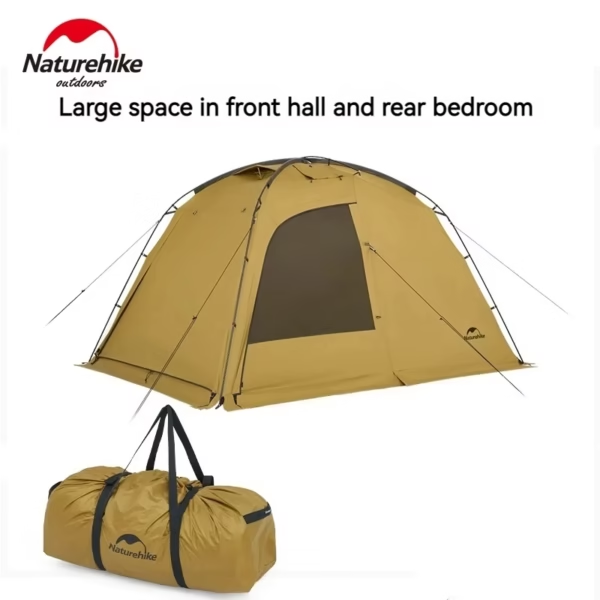



 Ultimate 2-3 Person Inflatable Kayak for Fishing Fun Rated 5.00 out of 5






 Camping Gear
 Camping Chair
 Camping Table
 Sleeping Bags
 Camping Bed
 Sleeping Gear
 Storage Bags
 BBQ Portable
 Camping Tents
 Gazebos
 Outdoor Cooler
 Cookware
 Power
Power Camping Light
 Flashlight
 Portable Solar
 Power Banks
 Fish Finders
 Fishing Bags
 Fishing Jerseys
 Fishing Reels
 Fishing Chairs
 Fishing Bait Boat
 Fishing Floats
 Hard Baits
 Hiking Vests
 Outdoor Bags
 Water Filters
 Paracord
 Walkie Talkie
 Paddleboards
 Boats
Boats Sea Scooter
 Accessories
 Electric Bike
 Electric Scooter
Recent Comments